China has strengthened social protections for people with disabilities during the 14th Five-Year Plan period (2021-2025), with 10.5 million now covered by the subsistence allowance program.
Cheng Kai, chairman of the China Disabled Persons' Federation, reported comprehensive policy advances at a press conference in Beijing on Tuesday.
"The reformed social assistance system has incorporated 10.5 million persons with disabilities into the subsistence allowance program. The government has also expanded eligibility for extreme poverty assistance programs and established new criteria to identify near-poor families and those facing hardship due to unexpected expenses, extending coverage to over two million additional persons with disabilities. Currently, 27.489 million persons with disabilities are covered by basic old-age pension for rural and non-working urban residents, with 9.81 million receiving insurance subsidies," Cheng said.
"All provincial-level regions have established dynamic adjustment mechanisms for the two key disability subsidy programs. Under the ongoing Sunshine Homeland Initiative, over 10,000 care institutions nationwide have provided residential services to 2.668 million disabled persons. These measures have significantly strengthened the social safety net for people with disabilities," Cheng said.
Poverty prevention efforts have brought 991,000 at-risk disabled households into national monitoring systems, effectively preventing large-scale relapse into poverty, Cheng noted.
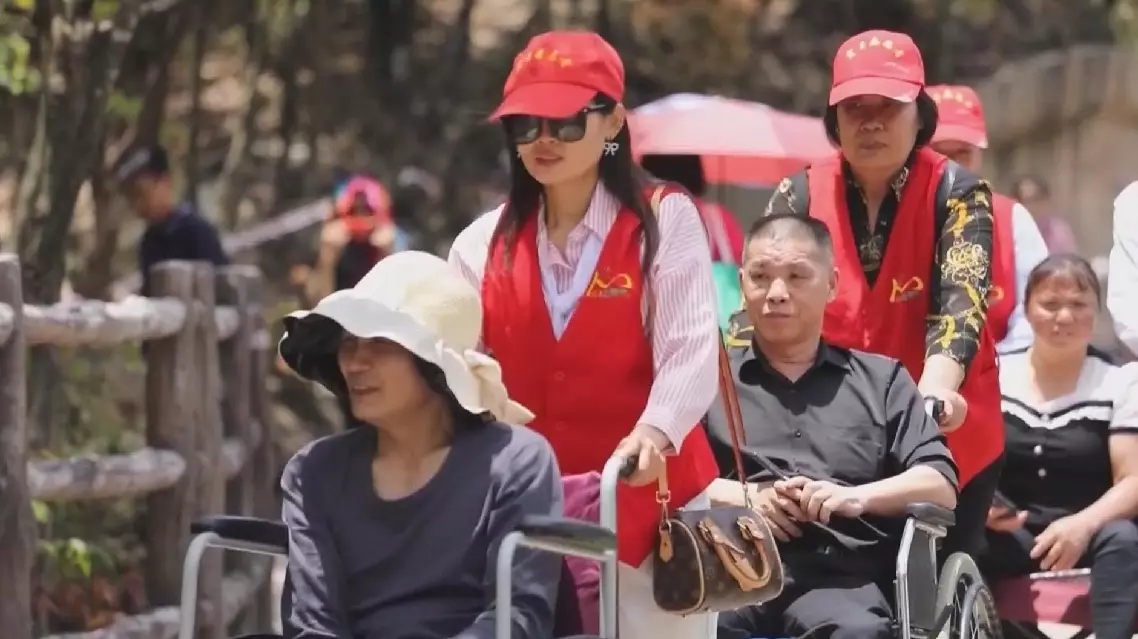
China expands social safety net for population with disabilities during 14th Five-Year Plan period
The United States cannot legitimize an operation that attacked Venezuela and captured its president, a Chinese scholar said Sunday.
On Saturday, the United States launched a large-scale strike on Venezuela, during which Venezuelan President Nicolas Maduro and his wife were 'captured and flown out of Venezuela' according to a post by U.S. President Donald Trump on his Truth Social account.
Teng Jianqun, director of the Center for Diplomatic Studies at Hunan Normal University, said in an interview with China Global Television Network (CGTN) that the aim of this operation is to take full control of Venezuela’s natural resources.
"I don't think the United States can legitimize this operation to take custody of the president of Venezuela. And also I don't think the United States can legitimize its any action in taking the oil reserves of that country. This is actually a very dangerous game played by the Trump administration. And of course, the United States would like to take full control of that country and to take full control of the natural resources, especially the large reserve of oil in Venezuela," said Teng.
Teng said Venezuela is not an isolated case but a common practice by the United States. The United States launched an invasion of Panama on Dec. 20, 1989, which continued until January 1990, with the stated objective of capturing Panamanian strongman Manuel Noriega on charges of drug trafficking and organized crime.
"We still remember the so-called sentence of the former president of Panama in the late 1980s. And this time, the president of Venezuela will be under some judicial condition (judicial proceedings) for the so-called drug trafficking and some other crimes. So I think this is not a single case for the Venezuela country, but also this is actually a practice by the United States -- to use force, to use so-called justice under law against any leaders in Latin America and the Caribbean waters," he said.
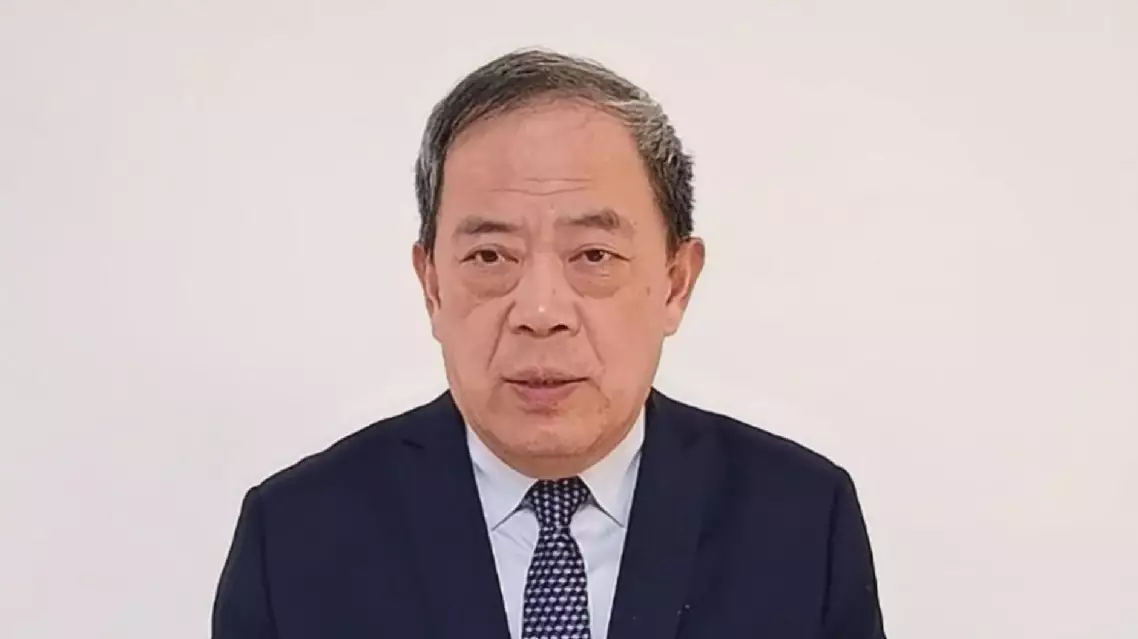
US cannot legitimize operation against Venezuela: Chinese scholar