American consumers are paying more for beef than ever before as drought, disease, and tariff policies shrink supplies of the nation's favorite meat, according to U.S. government data and industry analysts.
Ground beef averaged 13.49 U.S. dollars per kilogram in June, the highest level since records began, according to the consumer price index (CPI) released by the U.S. Bureau of Labor Statistics on July 15. The figure is nearly 12 percent higher than a year earlier and eight percent above January's reading.
According to the United States Department of Agriculture (USDA) Agricultural Marketing Service, the weighted average advertised price for all featured steak cuts stood at 25.34 U.S. dollars per kilogram, up roughly eight percent from the same week a year earlier.
USDA's Economic Research Service has raised its 2025 average steer price forecast to 6.88 dollars per kilogram after boxed beef values jumped 21 percent in the first half of the year, the agency said in its "Livestock, Dairy and Poultry Outlook" issued July 17.
Industry experts said that the root cause of the beef price hike is the long-term supply-demand imbalances.
Beyond consecutive years of drought that have reduced pasture lands and sent feed costs soaring, U.S. trade policies have also further driven up beef prices.
The Trump administration announced a 50 percent tariff on beef imported from Brazil starting Aug. 1. Combined with existing tariffs, Brazilian beef now faces a total tax burden of about 76 percent when entering the U.S. market.
Consequently, previously affordable Brazilian beef will likely become too expensive to compete in the U.S. market, depriving the nation's consumers of a low-cost beef source and forcing them to pay more for their meals.
NBC News reported that "hamburgers will be the most expensive ever" this summer, while independent broadcaster NTD News called the prices "unprecedented."
Many American consumers are now adapting by changing their dietary habits.
CNN Business quoted California resident Maria Lopez, who said she is "cutting steaks in half" to stretch family meals, and a Utah burger chain owner who has reduced patty weights from 150 grams to 130 grams rather than raise menu prices.
USDA economists see little short-term relief, particularly with the Trump administration's tariff policies further complicating the beef market.
"Tight cattle supplies are expected to keep beef prices elevated," the July 17 outlook stated. The message was clear for households worldwide that enjoy American-style burgers and steaks: Expect smaller portions or higher costs at least through next year.
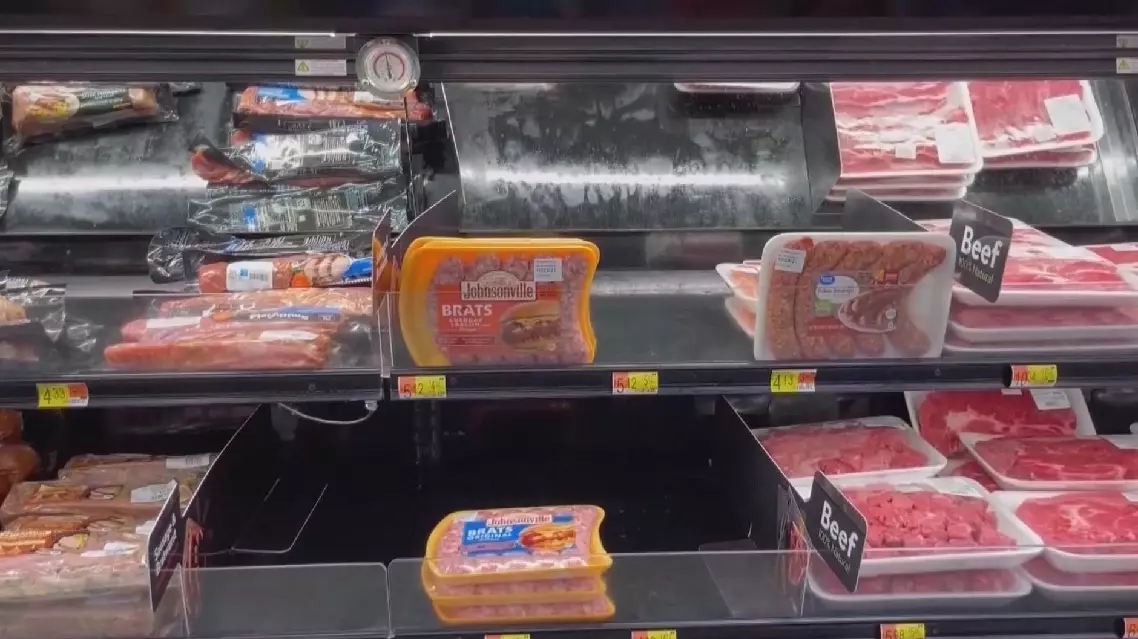
Trump tariffs fuel beef price hike in U.S.