PARIS (AP) — With the support of international partners and $115 million in funding, the U.N. cultural agency UNESCO recently helped rebuild the Iraqi city of Mosul after it was devastated by the Islamic State group.
The restoration of the historic city's iconic Al-Nouri Mosque and Al-Hadba Minaret was just one of many programs run by the U.N. Educational, Scientific and Cultural Organization, which is in the spotlight because the United States is leaving it once again.
Click to Gallery
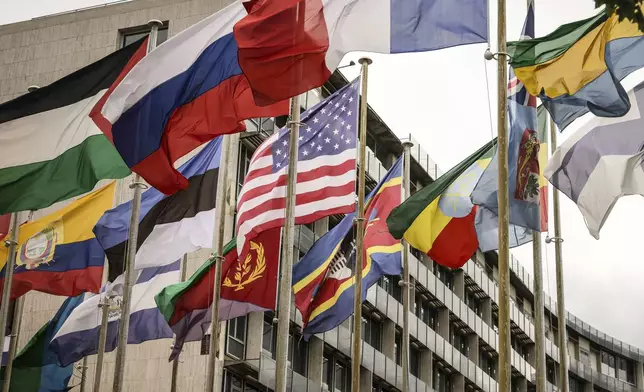
The U.S flag flies among others at the UNESCO headquarters Tuesday, July 22, 2025 in Paris. (AP Photo/Thomas Padilla)
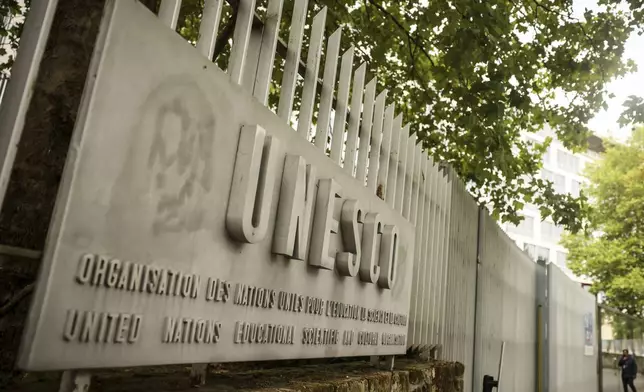
A man enters the UNESCO headquarters Tuesday, July 22, 2025 in Paris. (AP Photo/Thomas Padilla)
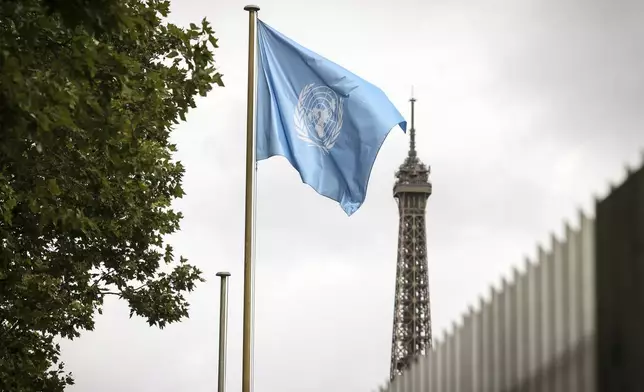
The UNESCO flag flies at its headquarters Tuesday, July 22, 2025 in Paris. (AP Photo/Thomas Padilla)
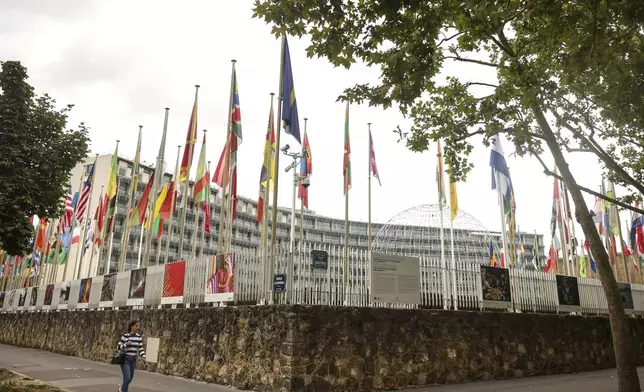
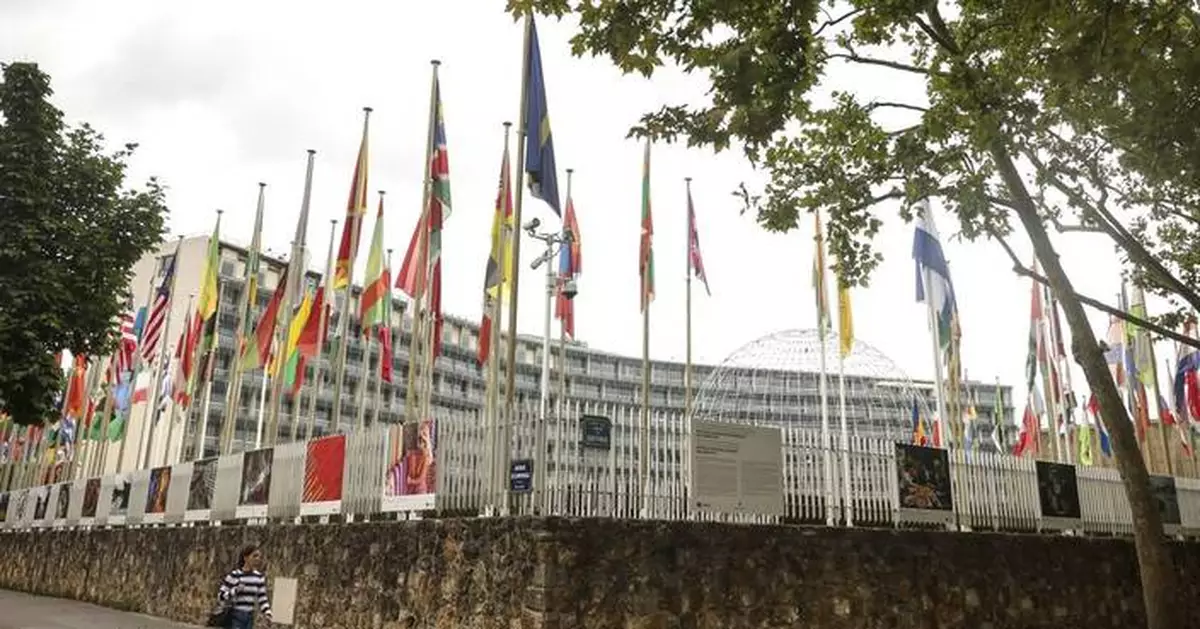
A woman walks by the UNESCO headquarters Tuesday, July 22, 2025 in Paris. (AP Photo/Thomas Padilla)
The decision to pull U.S. funding and participation from UNESCO will deal a blow to its work preserving cultural heritage around the world. U.S. President Donald Trump exited the agency during his first term, accusing it of promoting anti-Israel speech. The administration of U.S. President Joe Biden had rejoined UNESCO in 2023 after citing concerns that China was filling the gap left by the U.S. in UNESCO policymaking.
Here’s a look at the work UNESCO does:
UNESCO names World Heritage sites, including landmarks like the Great Wall of China, the Egyptian pyramids, the Taj Mahal and the Statue of Liberty, and gives them special protection under its World Heritage Sites program.
Its World Heritage Committee each year designates sites considered “of outstanding value to humanity” and intervenes when sites are in danger of destruction or damage. The program provides countries with technical assistance and professional training to preserve the sites.
A World Heritage site designation is coveted and seen as a boost to tourism.
Another UNESCO convention created in 2003 protects “intangible” heritage such as folk songs and traditional dances, crafts and cooking in its lists.
Like the rest of the U.N., UNESCO was created in response to the horrors of World War II, and particularly Nazi crimes. Amid concerns that the agency’s Arab members have used UNESCO to pass anti-Israel resolutions, UNESCO has worked in recent years on Holocaust awareness projects. That includes educational materials and organizing visits to former Nazi concentration camps.
UNESCO works to improve literacy, with a special focus on girls in countries hit by war or disasters who get little or no schooling though programs such as the Malala Fund for Girls’ Right to Education. In Tanzania, for instance, over 2,500 girls benefited from the creation of safe spaces in 40 secondary schools. The agency provides teacher training and materials and encourages programs for girls to pursue careers in science.
One of the agency's goals is coordinating climate knowledge and improving international education about how global warming occurs and affects people around the world. Over 30 UNESCO programs are designed to help its members adapt to climate change and favor sustainable development.
UNESCO adopted in 2021 what it calls “the first and only global standard-setting instrument on the ethics of artificial intelligence.” Applying to all 194 member states, the recommendation emphasizes the protection of human rights and dignity, grounded in principles like transparency, fairness, and human oversight of AI systems.
UNESCO director general Audrey Azoulay said the U.S. decision to leave was expected and that the agency has prepared for it. While the U.S. had previously provided a notable share of the agency’s budget, UNESCO has diversified its funding sources.
“Thanks to the efforts made by the organization since 2018, the decreasing trend in the financial contribution of the US has been offset, so that it now represents 8% of the organization’s total budget compared with 40% for some United Nations entities,” Azoulay said.
She added that the agency's overall budget has increased and that it has the steady support of "a large number of member states and private contributors.”
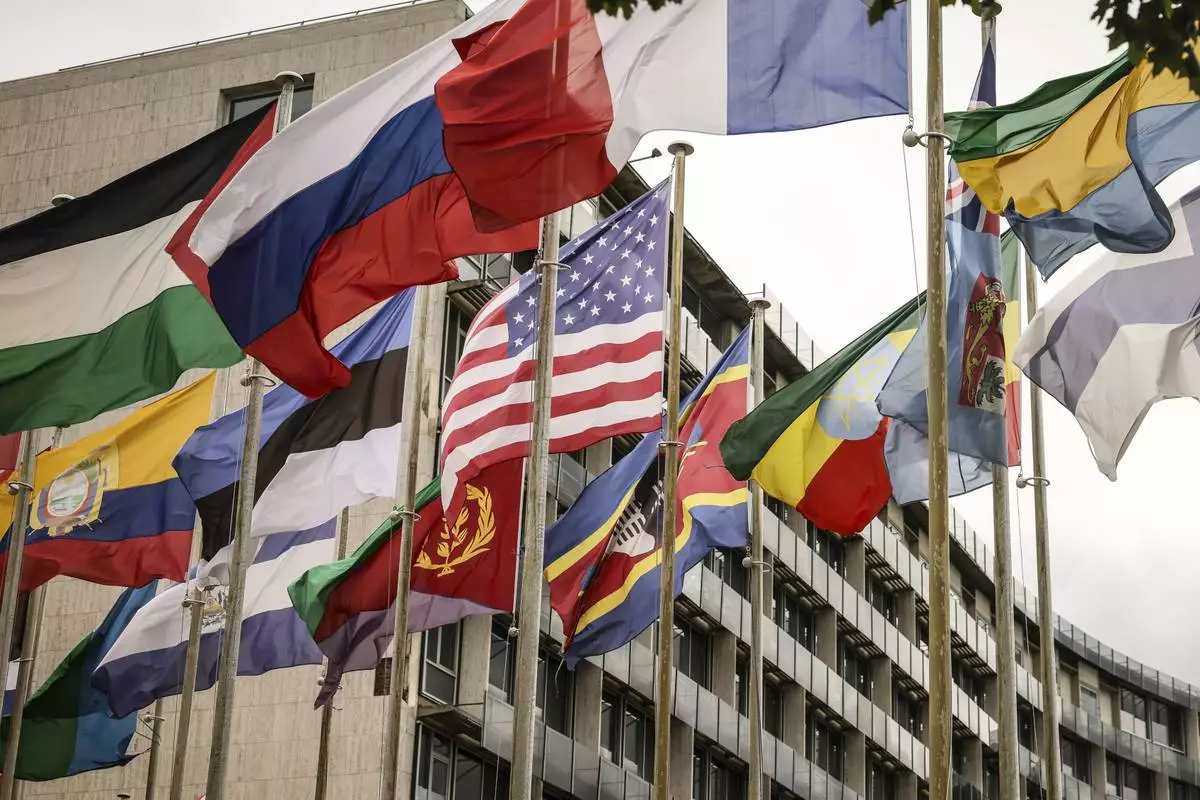
The U.S flag flies among others at the UNESCO headquarters Tuesday, July 22, 2025 in Paris. (AP Photo/Thomas Padilla)
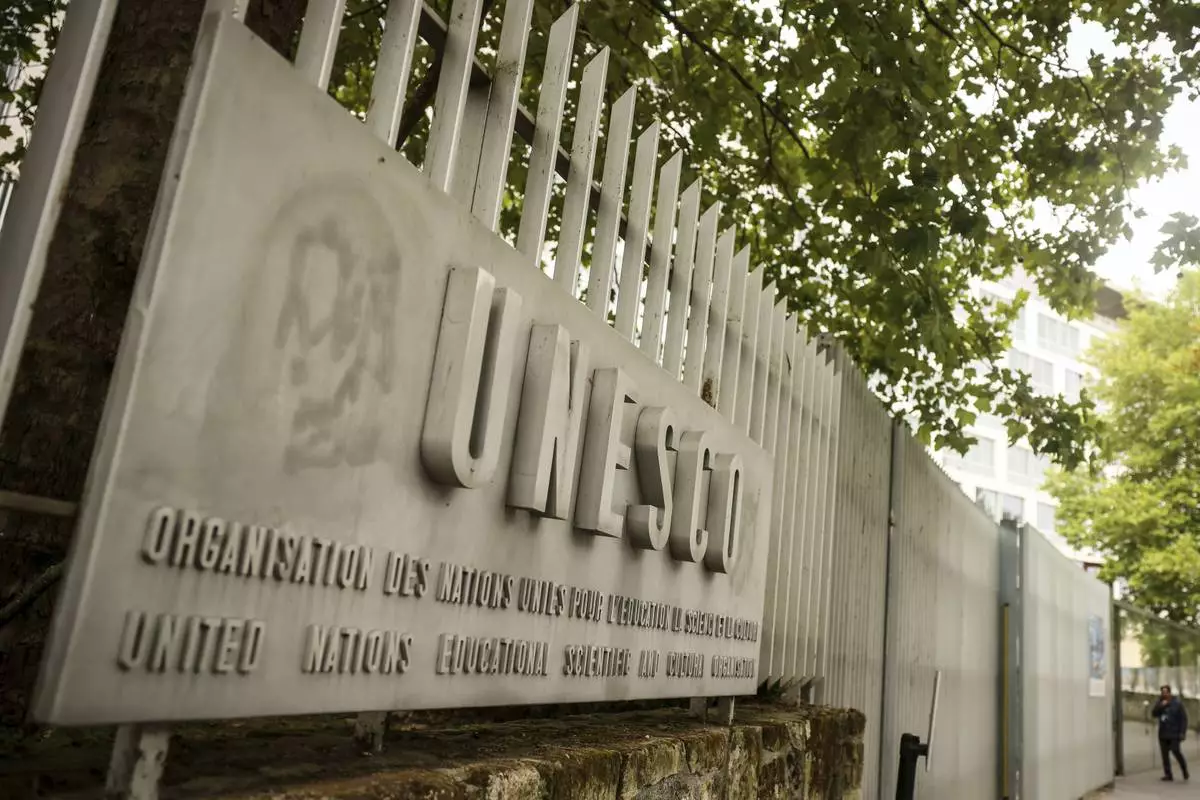
A man enters the UNESCO headquarters Tuesday, July 22, 2025 in Paris. (AP Photo/Thomas Padilla)
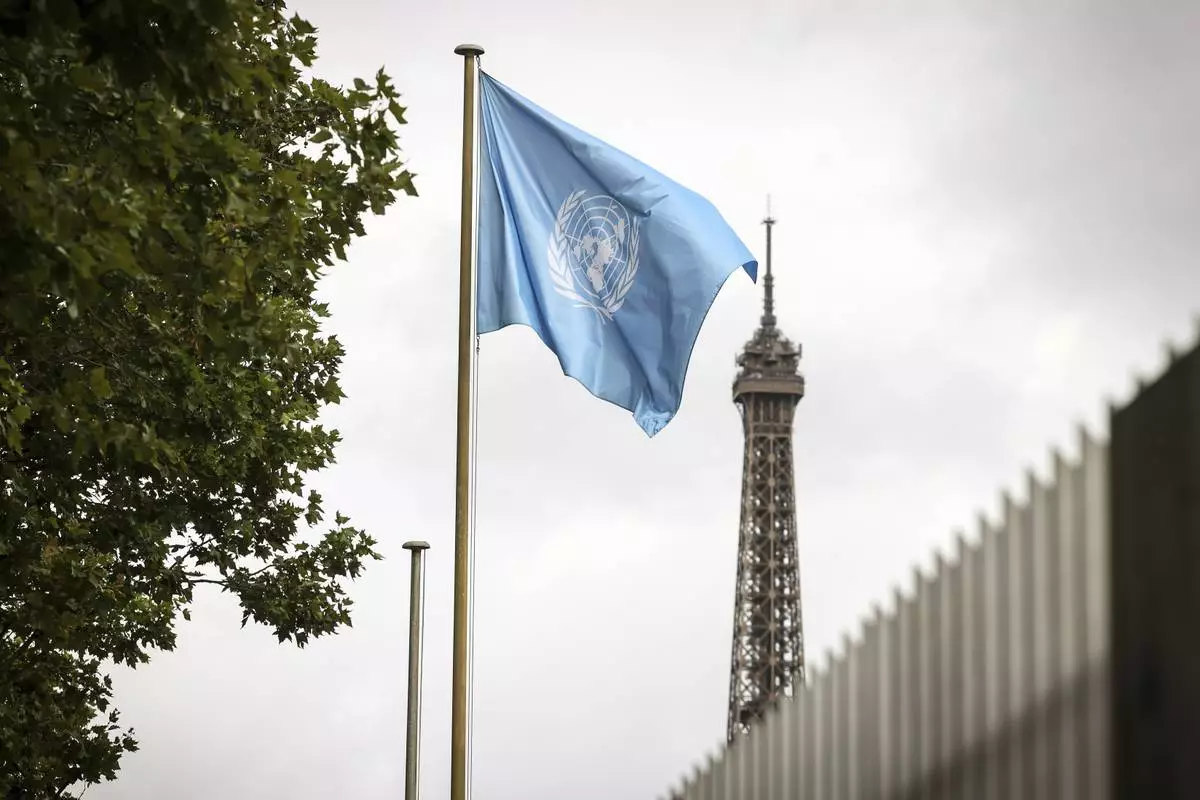
The UNESCO flag flies at its headquarters Tuesday, July 22, 2025 in Paris. (AP Photo/Thomas Padilla)
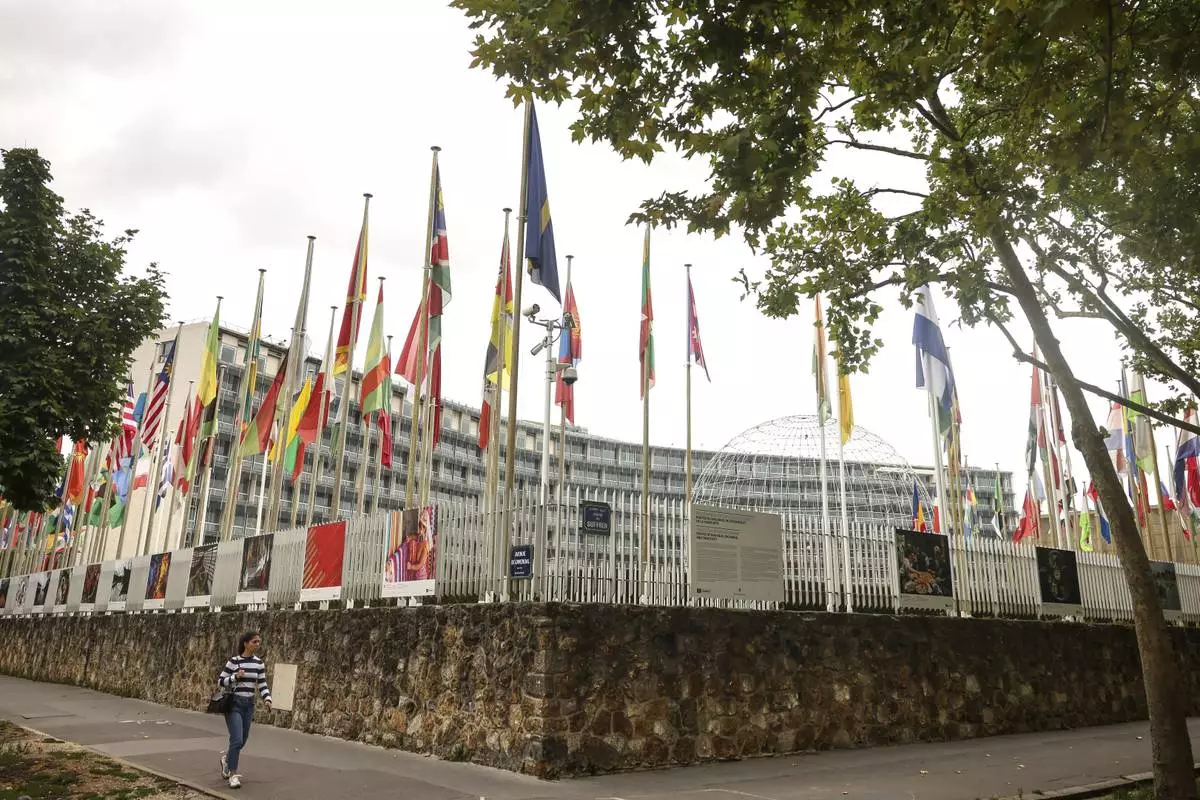
A woman walks by the UNESCO headquarters Tuesday, July 22, 2025 in Paris. (AP Photo/Thomas Padilla)