LOS ANGELES (AP) — California's top prosecutor said Wednesday he has asked a court to give the state control of Los Angeles County’s troubled juvenile detention facilities because incarcerated young people are enduring unsafe conditions, including violence and rampant drug abuse.
Attorney General Rob Bonta said he wants the county to hand over administration of the juvenile jails to a third-party receiver, a court-appointed official who will take over management and operations from the Los Angeles County Probation Department. The official will have control over budgets and staffing decisions.
“This is a last resort, but it’s also the one left to defend the safety of the young people in these facilities,” Bonta said. He said the “extraordinary step” was necessary because the county has failed to comply with a court order his office secured in 2021 requiring sweeping reforms.
The probation department, which oversees the juvenile halls, acknowledged some of the problems raised the by the attorney general, but said it was concerned by Bonta's request for “expansive state authority.”
Bonta outlined safety concerns such as “youth on youth” violence, riots, “unmet medical needs,” low staffing, inadequate security cameras and drug overdoses, including one that led to the death of a teenager. Earlier this year Bonta indicted 30 probation officers accused of facilitating so-called “gladiator fights” between incarcerated juveniles.
“These young people deserve better, and my office will not stop until they get it,” Bonta said. "A receivership is the best and only option to turn Los Angeles County juvenile halls around, and we believe the court will agree.”
In addition, the attorney general asked the court to establish a compensation fund for incarcerated youth “to redress and repair the injuries suffered in the county’s custody" and to cover medical and education expenses.
A hearing is set for Aug. 15. Bonta said if the court approves the plan, a receiver could be in place by the end of the summer.
“Our hope is that a receivership structure, should it be approved, be used as a collaborative tool to help remove obstacles — not as an isolating mechanism that sidelines the people and systems committed to improvements and reform," the probation department's statement said.
The department said Chief Probation Officer Guillermo Viera Rosa has worked to curb “decades-long dysfunction” by stabilizing staffing, improving safety protocols, increasing accountability for guard misconduct and expanding medical access for the incarcerated.
Previously, the Board of State and Community Corrections issued “unsuitable” designations for the Los Padrinos Juvenile Hall and Barry J. Nidorf Juvenile Hall. The state board, which inspects the youth prisons, had determined that the county had been unable to correct problems including inadequate safety checks, low staffing, use of force and a lack of recreation and exercise.
The nonprofit Youth Justice Coalition said whether or not state receivership is implemented, officials should move toward permanently closing the juvenile halls.
“Our tax dollars are being spent to fund the abuse of young people,” the advocacy group said in a statement Wednesday. “Our youth don’t need more red tape and bureaucracy, they need an investment in care.”
The coalition is pushing for “community based services” for young offenders that include a “high school diploma program, free expungements and legal services, substance abuse and overdose prevention education, youth jobs, and community organizing and advocacy training,” the statement said.
Bonta's request on Wednesday comes four years after California phased out its three remaining state-run youth prisons and shifted the responsibility to counties.
The move to local control was the final step in a lengthy reform effort driven in part by a class-action lawsuit and incentives for counties to keep youths out of the state system. The state-run system also had a troubled history marked by inmate suicides and brawls.
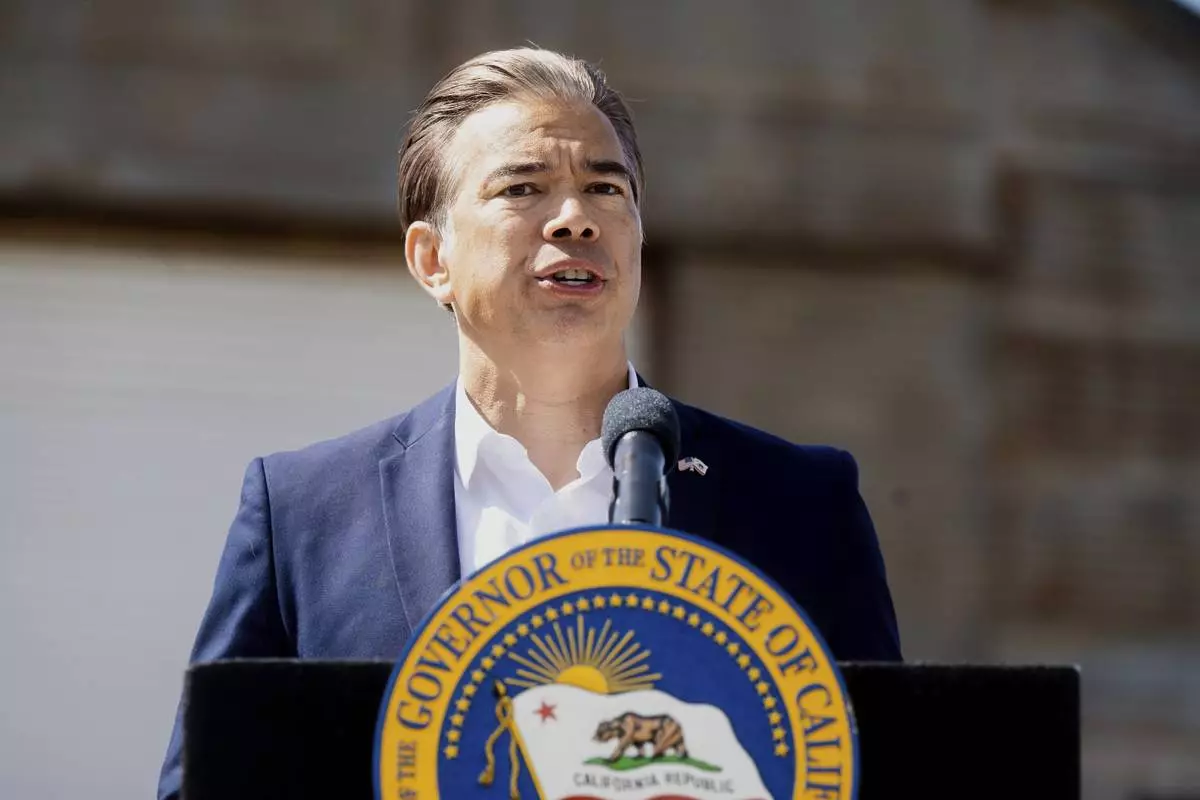
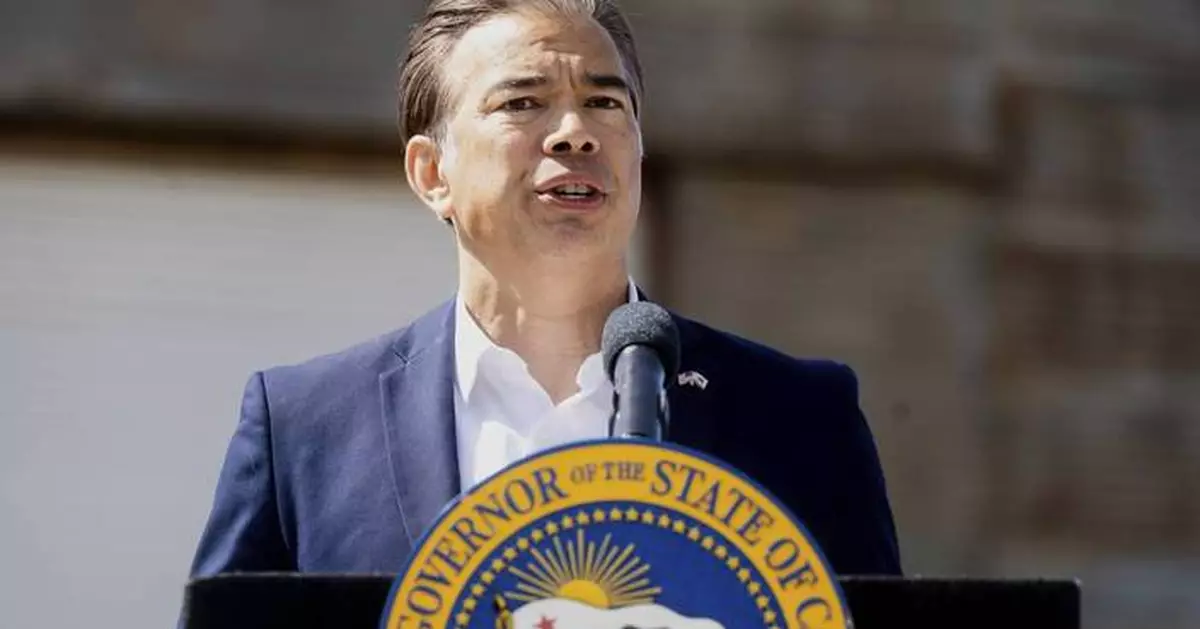
FILE - California Attorney General Rob Bonta speaks during a press conference on April 16, 2025, in Ceres, Calif. (AP Photo/Noah Berger, File)
WASHINGTON (AP) — Before President Donald Trump's administration started dismantling the Education Department, the agency served as a powerful enforcer in cases of sexual violence at schools and universities. It brought the weight of the government against schools that mishandled sexual assault complaints involving students.
That work is quickly fading away.
The department’s Office for Civil Rights was gutted in Trump’s mass layoffs last year, leaving half as many lawyers to investigate complaints of discrimination based on race, sex or disability in schools. Those who remain face a backlog of more than 25,000 cases.
Investigations have dwindled. Before the layoffs last March, the office opened dozens of sexual violence investigations a year. Since then, it's opened fewer than 10 nationwide, according to internal data obtained by The Associated Press.
Yet Trump's Republican administration has doubled down on sexual discrimination cases of another kind. Trump officials have used Title IX, a 1972 gender equality law, against schools that make accommodations for transgender students and athletes. The Office for Civil Rights has opened nearly 50 such investigations since Trump took office a year ago.
Even before the layoffs, critics said the office was understaffed and moved too slowly. Now, many firms that handle Title IX cases have stopped filing complaints, calling it a dead end.
“It almost feels like you’re up against the void,” said Katie McKay, a lawyer at the New York firm C.A. Goldberg.
“It feels like a big question mark right now,” she said. “How are we supposed to hold a school accountable once it has messed up?”
An Education Department spokesperson said the office is working through its caseload, blaming President Joe Biden's Democratic administration for leaving a backlog and rewriting Title IX rules to protect LGBTQ+ students. Trump officials rolled back those rules.
“The Trump Administration has restored commonsense safeguards against sexual violence by returning sex-based separation in intimate facilities,” spokesperson Julie Hartman said. “OCR is and will continue to safeguard the dignity and safety of our nation’s students.”
The layoffs have slowed work at the Office for Civil Rights across the board, but it has an outsize impact on cases of sexual violence. Students who are mistreated by their schools — including victims and accused students alike — have few other venues to pursue justice.
Many are now left with two options: File a lawsuit or walk away.
One woman said she’s losing hope for a complaint she filed in 2024. She alleges her graduate school failed to follow its own policies when it suspended but didn't expel another student found by the school to have sexually assaulted her. No one has contacted her about the complaint since 2024.
The woman recently sued her school as a last resort. She said it feels like a David and Goliath mismatch.
“They have all the power, because there is no large organization holding them accountable. It’s just me, just this one individual who’s filing this simple suit," the woman said. The AP does not typically identify people who say they are victims of sexual assault unless they grant permission.
The civil rights office is supposed to provide a free alternative to litigation. Anyone can file a complaint, which can trigger an investigation and sanctions for schools that violate federal law.
In 2024, the agency received more than 1,000 complaints involving sexual violence or sexual harassment, according to an annual report.
It’s unclear how many complaints have been filed more recently. Trump's administration has not reported newer figures. In conversations with the AP, some staffers said cases are piling up so quickly they can’t track how many involve sexual violence.
In December, the department acknowledged the civil rights backlog and announced dozens of downsized workers would be brought back to the office amid a legal challenge to their layoffs. The workers' return offers some hope to those with pending civil rights complaints. Department officials have vowed to keep pushing for the layoffs.
Before Trump was elected to his second term, the office had more than 300 pending investigations involving sexual assault, according to a public database. Most of those cases are believed to be sitting idle as investigators prioritize easier complaints, according to staffers who spoke on the condition of anonymity for fear of retribution.
The details of past cases underscore the urgency of the work.
In 2024, the office took action against a Pennsylvania school system after a girl with a disability told staff she had been sexually touched by a bus driver. She was put back on that driver’s bus later that afternoon, plus the next two days. The district was required to designate a Title IX coordinator for its schools, review previous complaints and consider compensation for the girl's family.
That year, the office demanded changes at a Montana school where a boy was pinned down by other students and assaulted after a wrestling practice. The students had been suspended for three days after school officials treated it as a case of hazing instead of sexual assault.
In another case, the office sided with a University of Notre Dame student who had been expelled over accusations of sexual misconduct. The student said the college never told him precisely what he was accused of and refused to interview witnesses he put forward.
Cases that get attention from the federal office are being handled under federal rules created during Trump’s first term. Those rules were designed to bolster the rights of students accused of sexual misconduct.
Lawyers who work with accused students see little improvement.
Justin Dillon, a Washington lawyer, said some of his recent complaints have been opened for investigation. He tells clients not to hold their breath. Even before the layoffs, cases could drag on for years, he said.
Others gave up on the office years ago. The LLF National Law Firm said it stopped filing complaints in 2021 in favor of suing schools directly. Lawyers at the firm said the office had become incapable of delivering timely outcomes, which was only worsened by the layoffs.
Complaints can be resolved several ways. They can be dismissed if they don't pass legal muster. Many go to mediation, akin to a settlement. Some end in voluntary agreements from schools, with plans to rectify past wrongs and prevent future ones.
In 2024, under Biden, the office secured 23 voluntary agreements from schools and colleges in cases involving sexual violence, according to a public database. In 2018, during Trump’s first term, there were 58. Since Trump took office again last year, there have been none.
The dismantling of the Office for Civil Rights comes as a blow to Laura Dunn, a civil rights lawyer who was influential in getting President Barack Obama's Democratic administration to make campus sexual assault a priority. As the issue gained public attention, the office started fielding hundreds of complaints a year.
“All the progress survivors have made by sharing their story is being lost,” said Dunn, who's now a Democratic candidate for Congress in New York. “We are literally losing civil rights progress in the United States, and it’s pushing us back more than 50 years.”
The Associated Press’ education coverage receives financial support from multiple private foundations. The AP is solely responsible for all content. Find the AP's standards for working with philanthropies, a list of supporters and funded coverage areas at AP.org.
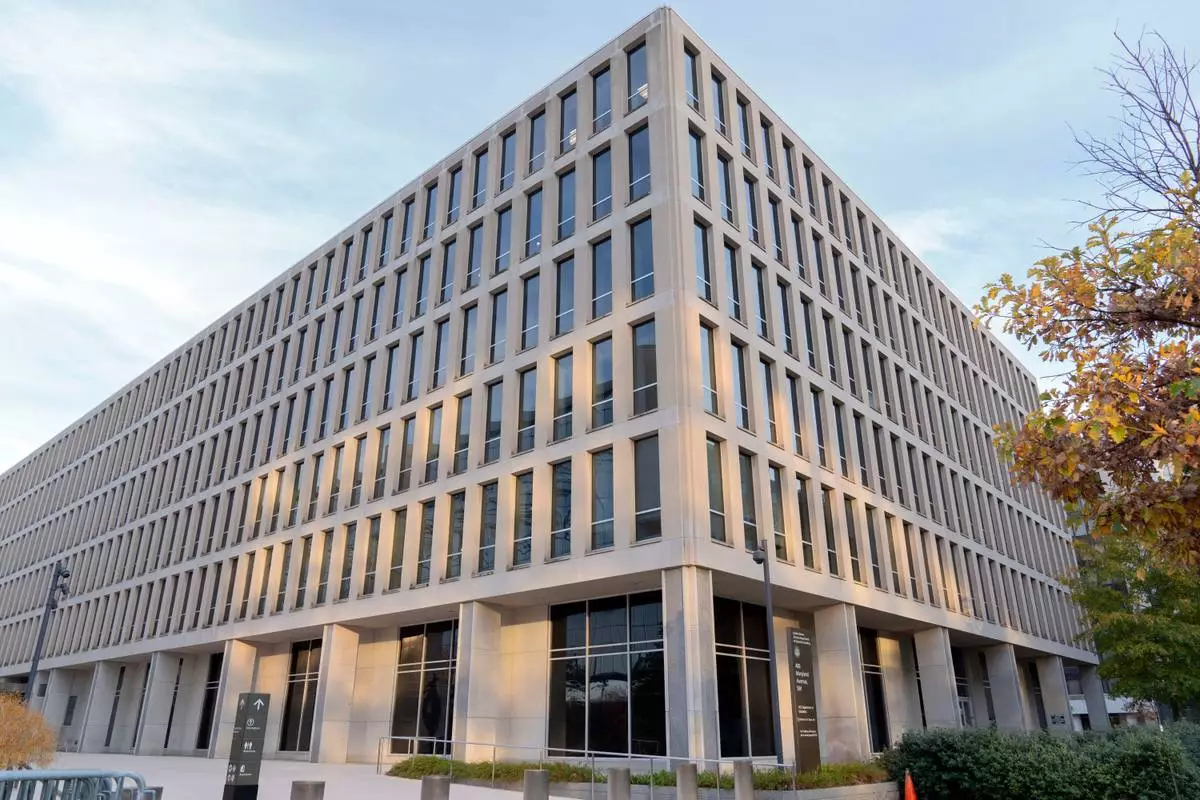
FILE - The U.S. Department of Education building is seen in Washington, on Nov. 18, 2024. (AP Photo/Jose Luis Magana, File)