LONDON (AP) — The European Medicines Agency has recommended authorizing a twice-yearly injectable drug aimed at preventing HIV, which scientists say could help end the virus' transmission.
In a statement on Friday, the EU drug regulator said its evaluations of lenacapavir, sold as Yeytuo in Europe by Gilead Sciences, showed the drug is “highly effective” and “considered to be of major public health interest.” Once the regulator's guidance is accepted by the European Commission, the authorization is valid in all 27 EU member countries as well as Iceland, Norway and Liechtenstein.
Last year, studies suggested that lenacapavir, already used to treat people with HIV, was nearly 100% effective in stopping transmission in both women and men.
Winnie Byanyima, executive director of the U.N. AIDS agency, has said the drug “could change the trajectory of the HIV epidemic” if it is made available to everyone who needs it.
In June, the U.S. Food and Drug Administration authorized lenacapavir to prevent HIV. Earlier this month, the World Health Organization recommended countries offer the drug as an additional option to people at risk of the virus.
Condoms help guard against HIV infection if used properly. Other medication aimed at preventing HIV include daily pills that people can take and another injectable drug called cabotegravir, which is given every two months. Lenacapavir’s six-month protection makes it the longest-lasting type, an option that could attract people wary of more visits to health clinics or stigma from taking daily pills.
Critics have raised concerns, however, that lenacapavir may not be made widely enough available to stop global outbreaks of HIV. Drugmaker Gilead has said it will allow cheap, generic versions to be sold in 120 poor countries with high HIV rates — mostly in Africa, Southeast Asia and the Caribbean.
But it has excluded nearly all of Latin America, where rates are far lower but increasing, sparking concern the world is missing a critical opportunity to stop the disease.
Last year, there were about 630,000 AIDS deaths worldwide and more than 40 million people are estimated to have HIV, according to UNAIDS.
UNAIDS chief Byanyima has previously suggested that President Donald Trump make a deal with Gilead to produce and license its “magical” prevention drug lenacapavir across the world to the millions of people who need it.
The Associated Press Health and Science Department receives support from the Howard Hughes Medical Institute’s Department of Science Education and the Robert Wood Johnson Foundation. The AP is solely responsible for all content.
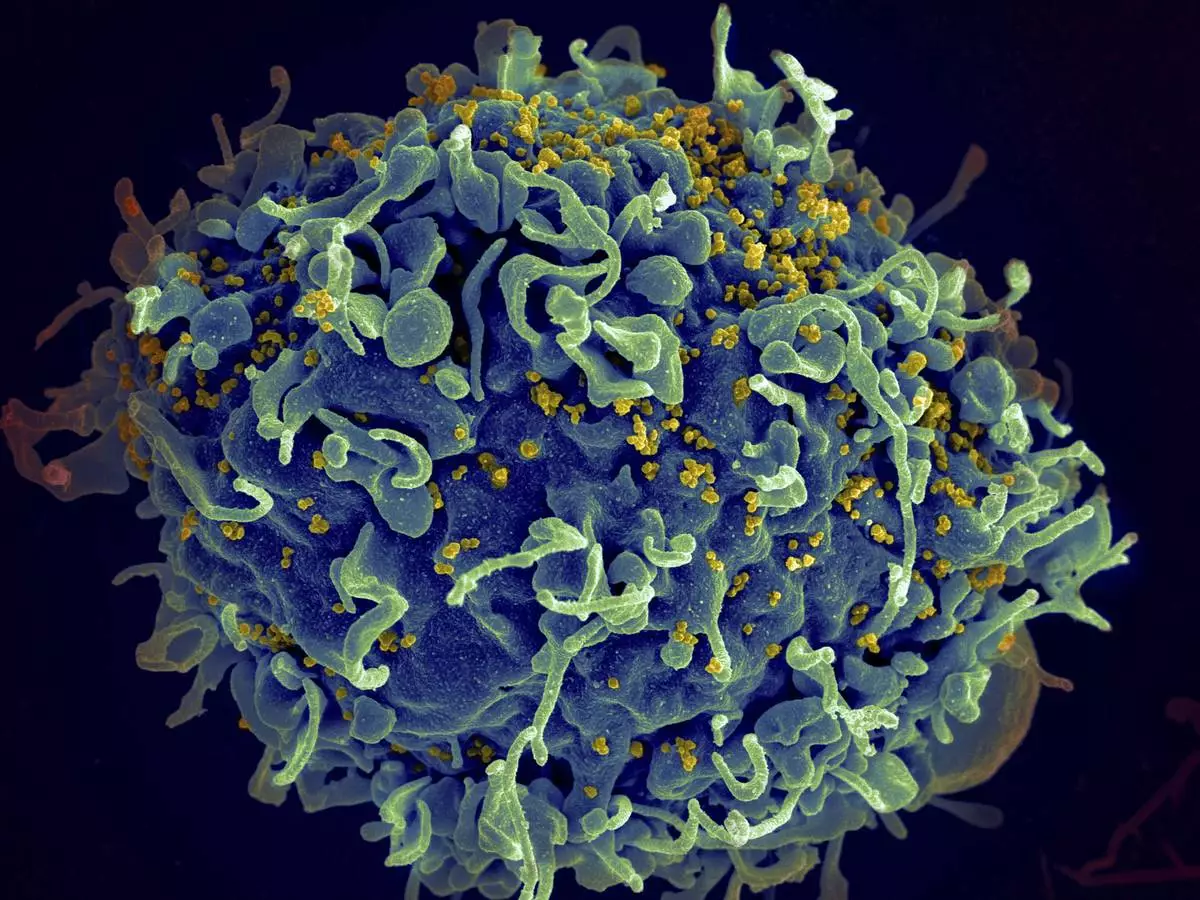
FILE - This colorized electron microscope image provided by the U.S. National Institutes of Health shows a human T cell, in blue, under attack by HIV, in yellow, the virus that causes AIDS. (Seth Pincus, Elizabeth Fischer, Austin Athman/National Institute of Allergy and Infectious Diseases/NIH via AP, File)
CHERNIHIV, Ukraine (AP) — Young athletes in northern Ukraine spend their days cross-country skiing through a scorched forest, focused on their form — until a siren inevitably shatters the silence.
They respond swiftly but without panic, ditching their skis and following coaches to an underground bomb shelter.
It’s an ordinary training session at the complex that produced Ukraine’s first Olympic medalist.
Sleeping children no longer dream of Olympic glory in the facility's bombed-out dormitories, and unexploded ordnance has rendered nearby land off limits. But about 350 kids and teens — some of the nation's best young cross-country skiers and biathletes — still practice in fenced-off areas amid the sporadic buzz of drones passing overhead then explosions as they're shot down.
“We have adapted so well — even the children — that sometimes we don’t even react,” Mykola Vorchak, a 67-year-old coach, told The Associated Press in an interview on Oct. 31. “Although it goes against safety rules, the children have been hardened by the war. Adapting to this has changed them psychologically.”
War has taken a heavy toll on Ukrainian sport. Athletes were displaced or called up to fight. Soccer matches are often interrupted by air raid sirens so attendance is capped by bomb shelter capacity. Elite skaters, skiers and biathletes usually train abroad, with attacks and frequent blackouts shuttering local facilities.
But the government-run Sports Ski Base of the Olympic Reserve is open for cross-country skiing and biathlon, the event which combines skiing with shooting. The sprawling complex is on the outskirts of Chernihiv, a city two hours north of Kyiv along the path of destruction Russia's army left in its 2022 attempt to capture the capital. Chernihiv remains a regular target for air attacks aimed at the power grid and civilian infrastructure.
Several temporary structures at the sports center serve as changing rooms, toilets and coaches’ offices. Athletes train on snowy trails during the winter and, throughout the rest of the year, use roller skis on an asphalt track pocked by blast marks.
Biathletes aim laser rifles at electronic targets and, between shooting drills, sling skis over their shoulders and jog back to the start of the course, cheeks flushed from the cold.
Valentyna Tserbe-Nesina spent her adolescence at the Chernihiv center performing these same drills, and won bronze at the 1994 Winter Games in Lillehammer. It was Ukraine’s first Olympic medal as an independent country.
“The conditions weren’t great, but we had nothing better. And for us, it was like a family — our own little home,” she said inside her apartment, its shelves and walls lined with medals, trophies and souvenirs from competitions around the world.
Tserbe-Nesina, 56, was shocked when she visited the complex in 2022. Shelling had torn through buildings, fire had consumed others. Shattered glass littered the floors of rooms where she and friends once excitedly checked taped-up results sheets.
“I went inside, up to my old room on the second floor. It was gone — no windows, nothing,” she said. “I recorded a video and found the trophies we had left at the base. They were completely burned.”
Tserbe-Nesina has been volunteering to organize funerals for fallen Ukrainian soldiers in her hometown while her husband, a retired military officer, returned to the front. They see each other about once a year, whenever his unit allows him brief leave.
One adult who in 2022 completed a tour in a territorial defense unit of Ukraine’s army sometimes trains today alongside the center's youngsters. Khrystyna Dmytrenko, 26, will represent her country at the Milan Cortina Winter Olympics that start Feb. 6.
“Sports can show that Ukraine is strong,” Dmytrenko said in an interview next to the shooting range. “We represent Ukraine on the international stage, letting other countries, athletes and nations see our unity, strength and determination.”
The International Olympic Committee imposed bans and restrictions on Russian athletes after the invasion of Ukraine, effectively extending earlier sanctions tied to state‑sponsored doping. But a small group of them will participate in the upcoming Winter Games.
After vetting to ensure no military affiliation, they must compete without displaying any national symbols — and only in non-team events. That means Russian and Ukrainian athletes could face one another in some skating and skiing events. Moscow’s appeal at the federation level to allow its biathletes to compete is pending.
That's why many Ukrainians view training for these events as an act of defiance. Former Olympic biathlete Nina Lemesh, 52, noted that some young Ukrainians who first picked up rifles and skis at the Chernihiv ski base during wartime have become international champions in their age groups.
“Fortunately, Ukrainians remain here. They always will,” she said, standing beside the destroyed dormitories. “This is the next generation of Olympians.”
AP writer Derek Gatopoulos in Kyiv contributed to this report.
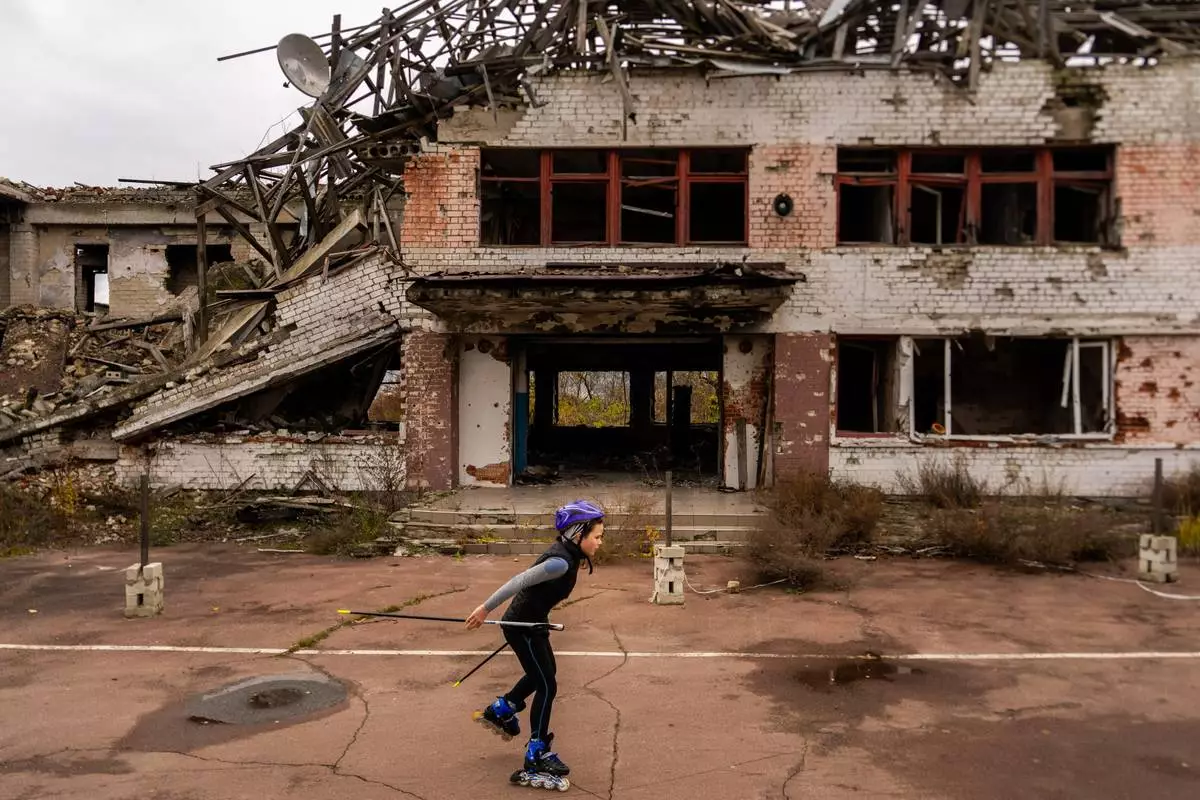
A young biathlete trains outside the destroyed ski base in Chernihiv, Ukraine, Thursday, Oct. 30, 2025. (AP Photo/Julia Demaree Nikhinson)
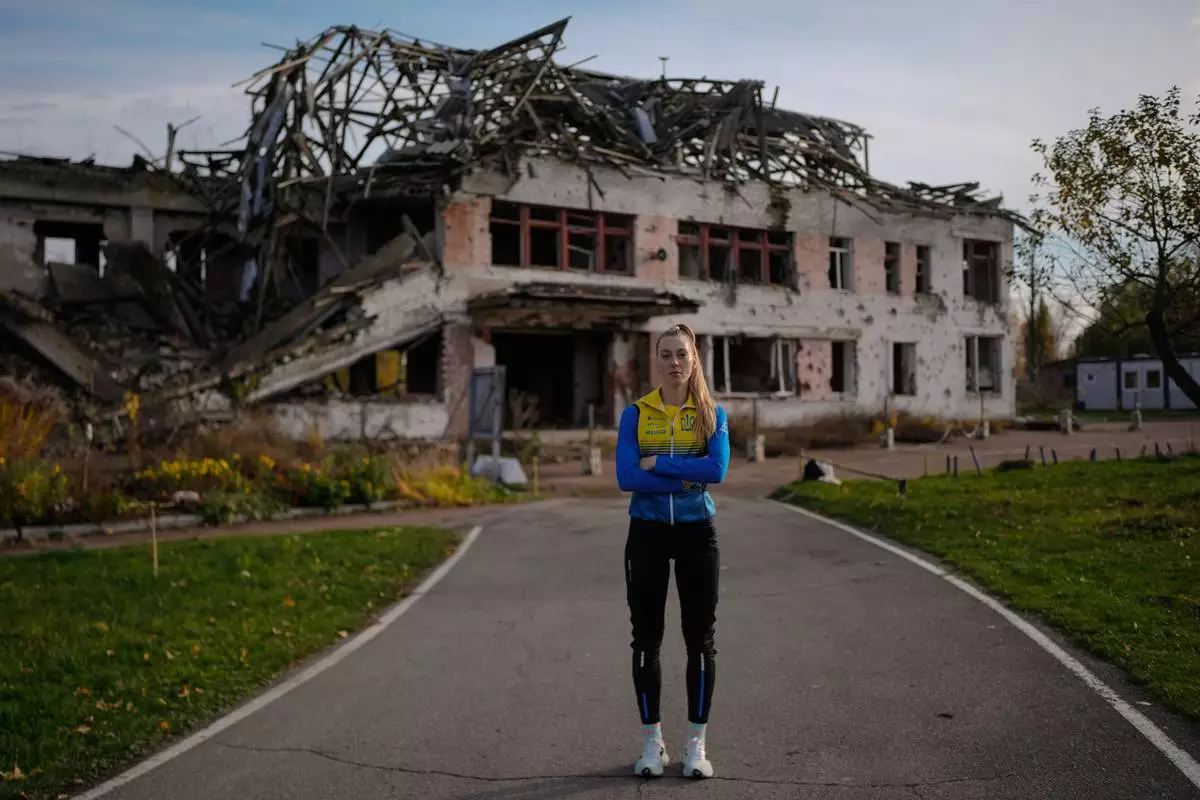
Biathlete Khrystyna Dmytrenko poses for photos outside the destroyed ski base in Chernihiv, Ukraine, Thursday, Oct. 30, 2025. (AP Photo/Julia Demaree Nikhinson)
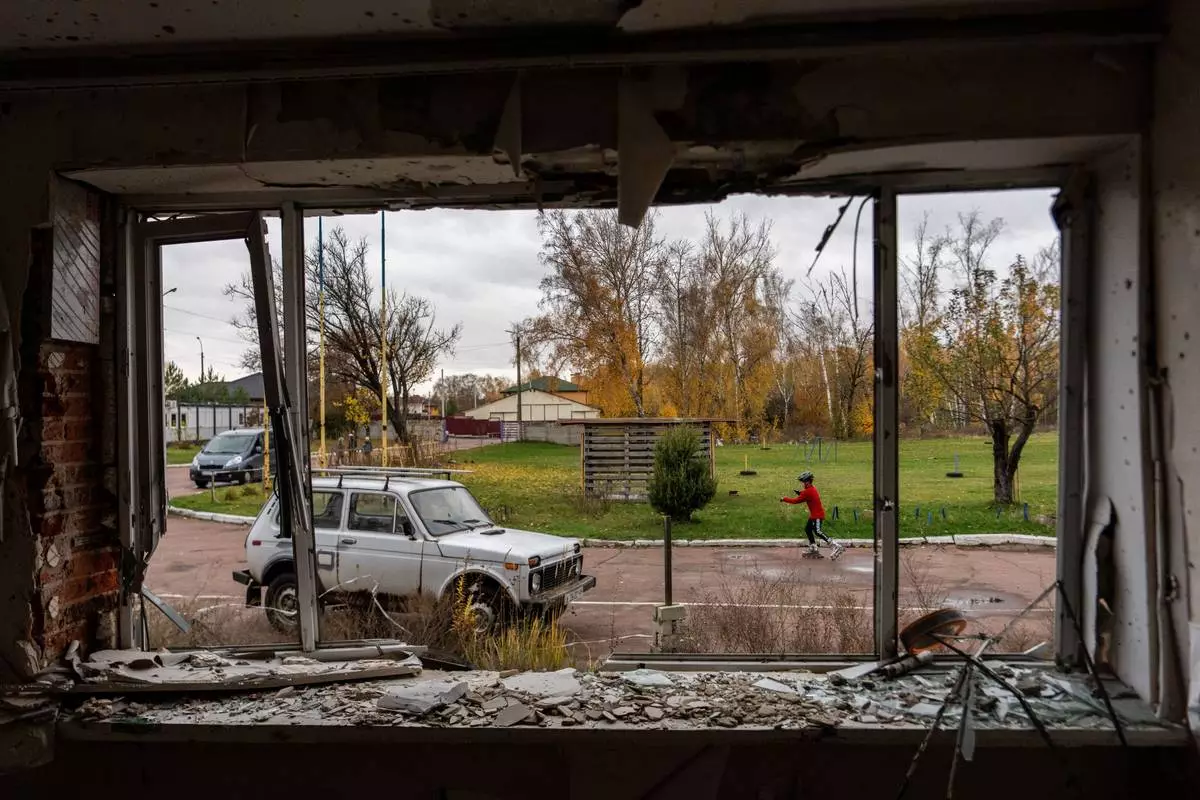
A young biathlete trains outside the destroyed ski base in Chernihiv, Ukraine, Thursday, Oct. 30, 2025. (AP Photo/Julia Demaree Nikhinson)
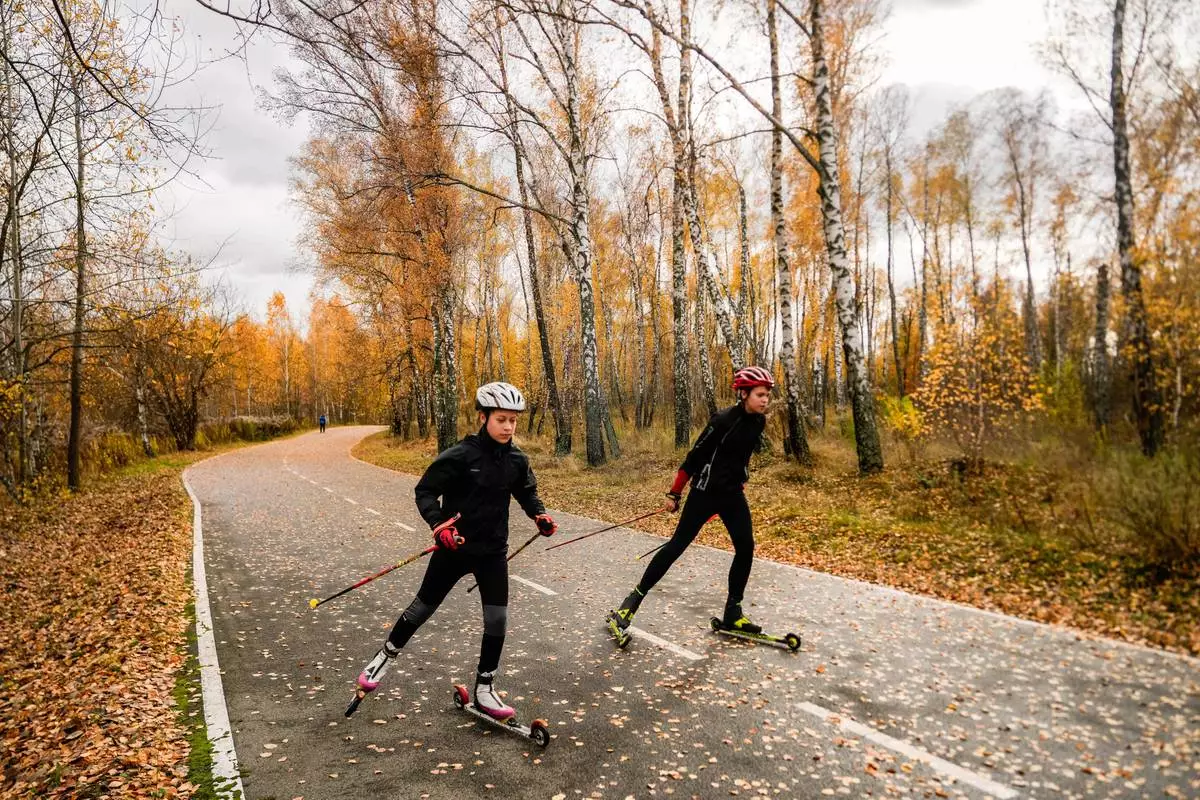
Biathletes Mykola Dorofeiev, 16, and Nazar Kravchenko, 12, left, train at the ski base in Chernihiv, Ukraine, Thursday, Oct. 30, 2025. (AP Photo/Julia Demaree Nikhinson)
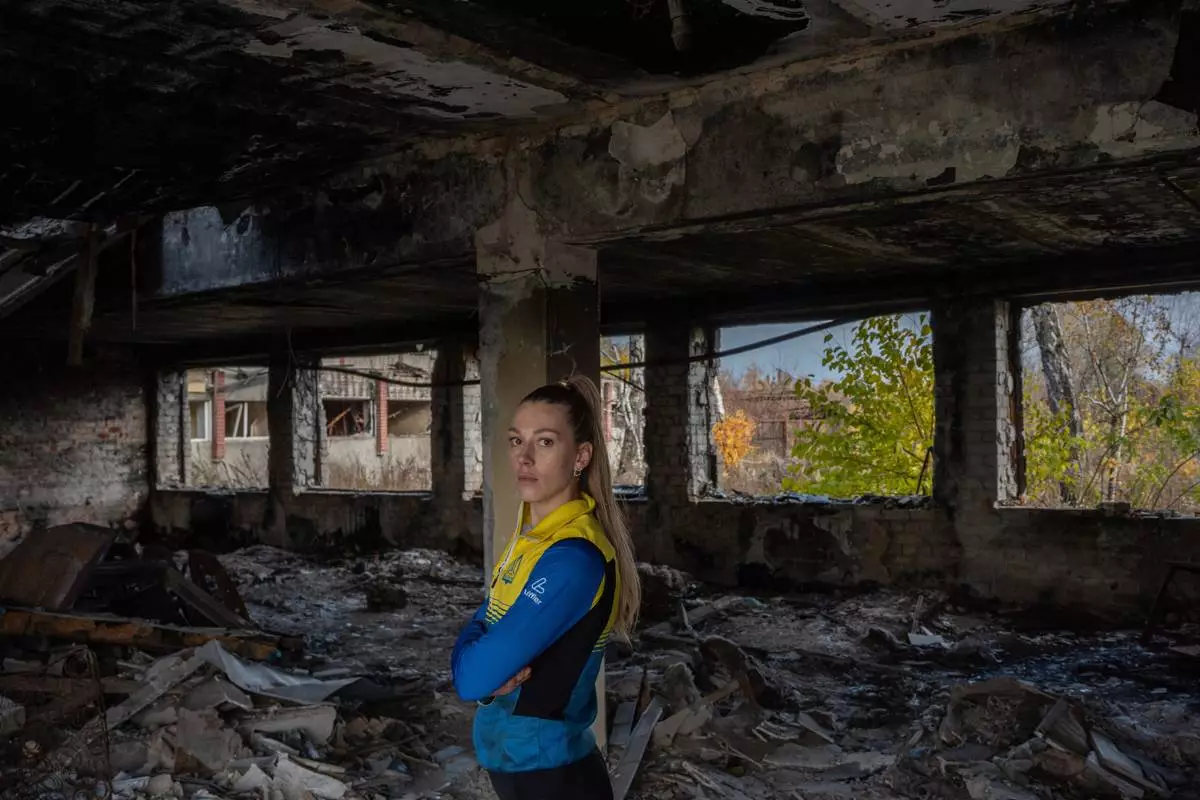
Biathlete Khrystyna Dmytrenko poses for photos inside the destroyed ski base in Chernihiv, Ukraine, Thursday, Oct. 30, 2025. (AP Photo/Julia Demaree Nikhinson)
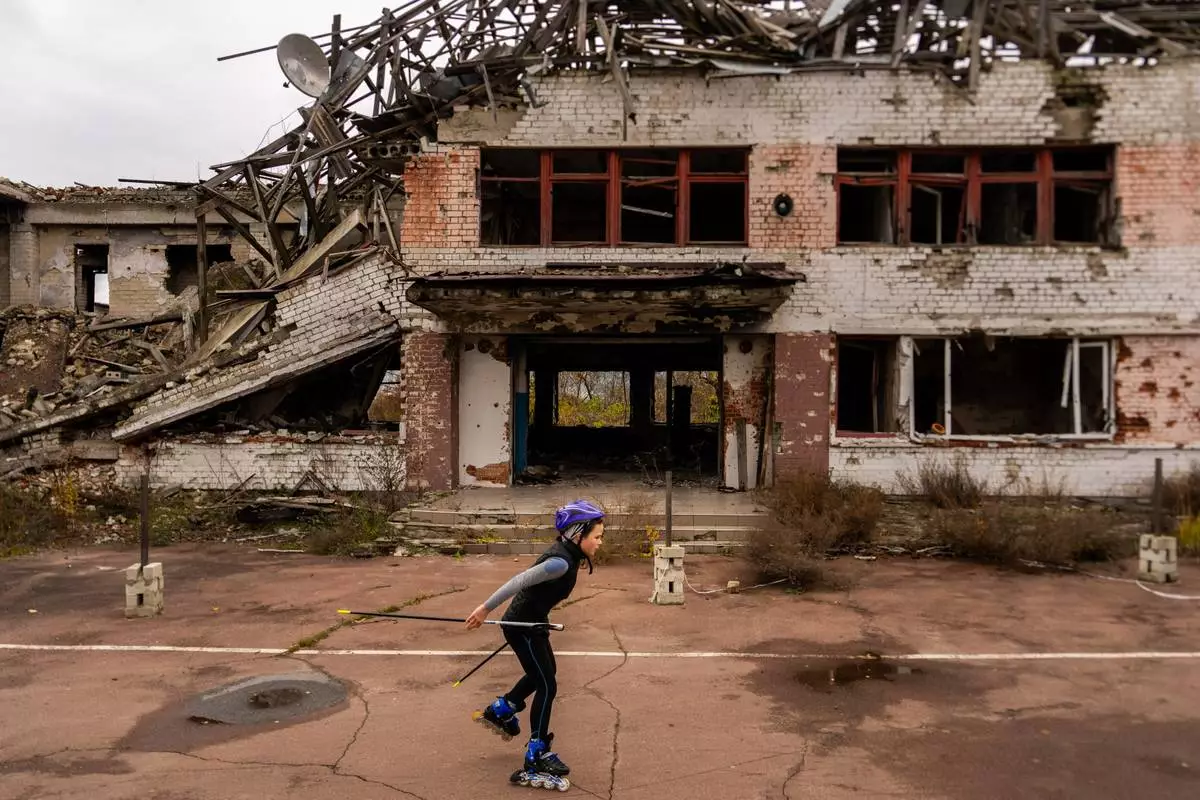
A young biathlete trains outside the destroyed ski base in Chernihiv, Ukraine, Thursday, Oct. 30, 2025. (AP Photo/Julia Demaree Nikhinson)