The U.S. unilateral tariff policy lacks logic, and the trade deal between Japan and the United States resembles a poker game, driven more by bluffing and intimidation than by sound economic reasoning, said a Japanese scholar.
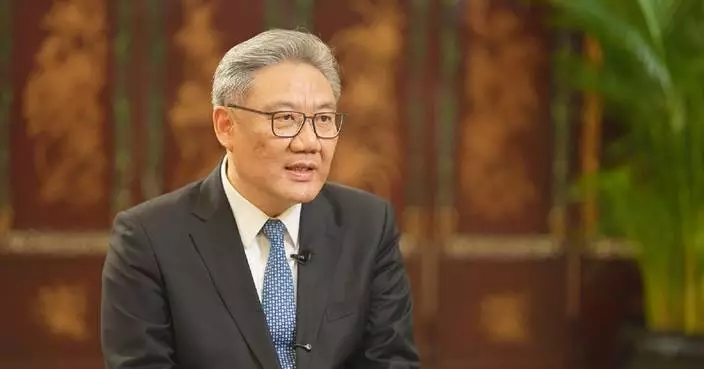
Seijiro Takeshita, a professor of management and information at the University of Shizuoka made the remarks in a recent interview with the China Central Television (CCTV) after leaders of Japan and the United States confirmed a bilateral agreement on tariff arrangements.
According to the U.S. side, Japan will invest 550 billion U.S. dollars in the United States and open its markets to a range of U.S. goods, including automobiles, trucks, and rice, in return for the U.S. reducing tariffs on Japanese exports from 25 percent to 15 percent.
"My point is that where is a logical consistency of this 15 percent. I mean, even if it's 5 percent, you know, I can't find any logical consistency. For example, when Mr. Trump and his administration talk about Japanese not buying U.S. cars, and there's an unfair trade going on. The fact of the matter is, approximately 17 percent are foreign cars. So we do buy foreign cars, But the top cars that we buy are Mercedes, BMW, Volkswagen, Audi, these German cars with high quality. The fact is that the American cars really do not match the qualities, specific occasion and requirement of the Japanese consumers. That's into the story. And for that reason, to just bring out the numbers and complaining on back of that is, in my opinion, is a very weak hypothesis to start an argument. So you know, again, I question the logical consistency of the number itself. That's one of the reasons why I am claiming that, you know, this is not a really necessarily good deal. It is really like playing a game of poker on bluffing and calling the bluff at each other," said Takeshita.
The professor also responded to U.S. President Donald Trump's claim that Japan will invest 550 billion U.S. dollars in the United States, and that 90 percent of the profits from those investments will go to the United States.
He expressed skepticism over whether such investments would actually materialize.
"Now going back to 550 billion, for example, the Japanese corporations are investing quite heavily. Their kept expenditure is up by double digit for 2 years in a row. And we're also, by the way, the heaviest and biggest investor to the United States. So from that perspective, many people may think that you know, things will go smooth. And most of the opinions are saying that this would induce more investment in the states. But I have a bit of doubt about that because from a corporate perspective, the country risk of the United States has increased quite dramatically, which means that a lot of Japanese companies would be backpedaling into further commitment to the United States. So it's not as easy as many people think. Again, it's not only number that's involved. it's some of the non quantifiable issues, intangible issues that has to be considered as well," said Takeshita.
Meanwhile, he noted that while the deal may reduce the U.S. trade deficit with Japan in the short term, its negative impact on the economy could far exceed expectations.
"Regarding the trade deficit in the short run, of course, limiting U.S. import through taxation may induce their exports and reduce the amount of imports into the United States. And for that reason, of course the trade deficit may decline in the short run. But at the same time when one must realize is that there's going to be a retaliation. As you see in United States biggest ally partner or I should use a past tense who was the biggest partner. Canada has also retaliated. And many of these companies, countries will retaliate. And at the end, it is going to increase the imported cost of goods into the United States consumers. It will hurt the consumers the most. So you know, this reduction of I would say trade deficit maybe the case in short run, obviously. But in the long run, the consequence of this is going to hit the economy far bigger than most expected," said the scholar.
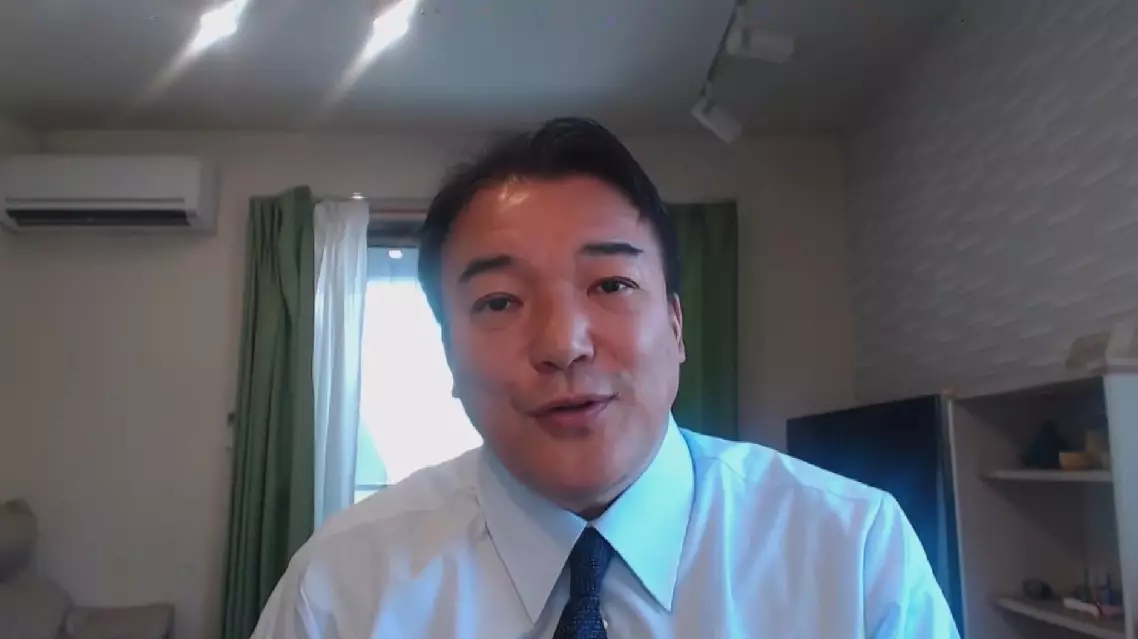
Japanese scholar terms Japan-US trade deal as poker game driven by bluffing, intimidation