Skip to Content Facebook Feature Image

Trump's demand for Washington NFL team name change ignores years of psychological data, experts say

News

Trump's demand for Washington NFL team name change ignores years of psychological data, experts say
News

News

Trump's demand for Washington NFL team name change ignores years of psychological data, experts say

2025-07-27 20:30 Last Updated At:20:41

President Donald Trump is threatening to hold up a new stadium deal if Washington’s NFL team did not restore its name to a racial slur, despite decades of psychological research showing the negative mental health impacts of Native American mascots.

The president is demanding a private company change its name to something that researchers have linked to a variety of negative mental health outcomes, particularly for children, said Mark Macarro, president of the National Congress of American Indians. The organization has been pushing back on stereotypes of Native Americans since the 1950s, including Native sports mascots.

“This is a big reminder with this administration that we’re going to take some backward steps,” Macarro said. “We have our studies, we have our receipts, and we can demonstrate that this causes real harm.”

More than two decades of research on Native mascots have shown they lead to heightened rates of depression, self-harm, substance abuse and suicidal ideation among Indigenous peoples, and those impacts are the greatest on children. Citing this data, the American Psychological Association has been recommending the retirement of Native mascots since 2001.

The president believes that franchises who changed their names to “pander to the Woke Left” should immediately restore their original names,” White House spokesperson Davis Ingle said in a statement to The Associated Press.

“Thanks to President Trump, the days of political correctness and cancel culture are over,” he said.

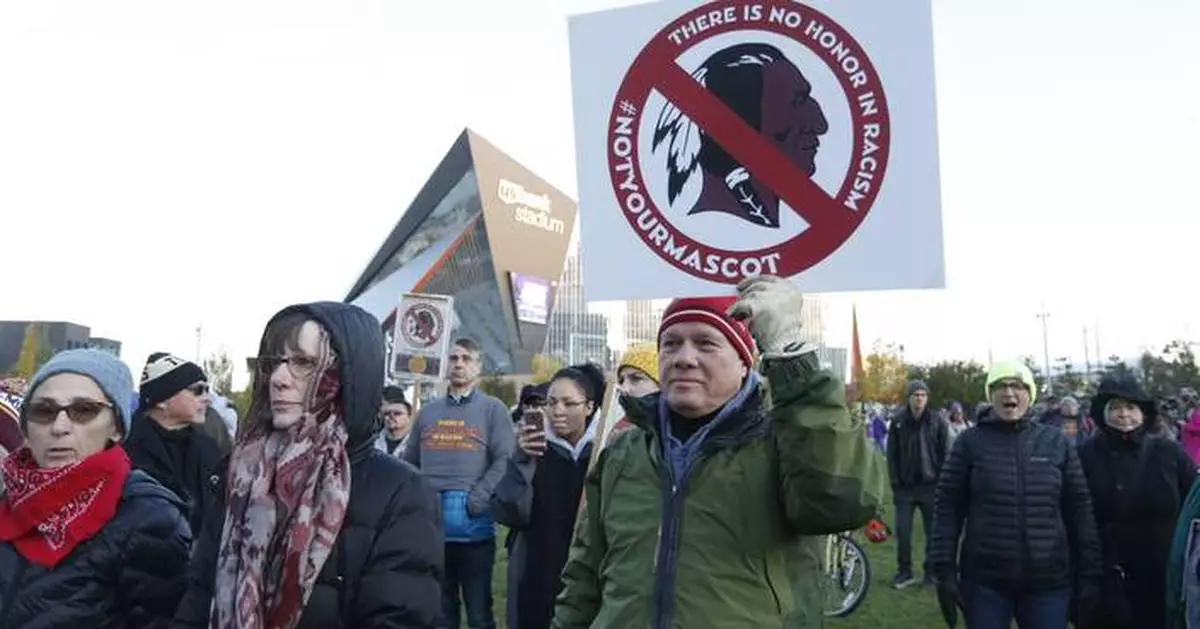
Under pressure from decades of activism, the Washington Redskins — a racial slur and arguably the most egregious example — retired the name in 2020, eventually settling on the Commanders. Later that year, the Cleveland Indians changed its name to the Guardians.

Two major league teams, the NFL’s Kansas City Chiefs and the NHL’s Chicago Blackhawks, continue to resist calls to change their names. The Chiefs have banned fans from wearing headdresses or face paint meant to depict Native Americans at games but has resisted prohibiting the use of the “tomahawk chop”, which critics have long called derogatory.

More than 1,500 grade schools across the country — a decrease over the past few years — still use Native mascots, according to the National Congress of American Indians, using names like “Savages” as well as the slur that Trump aims to bring back to the Washington team.

Native American people, activists, and leaders have been asking for the retirement of Native mascots for generations. Popular arguments defending the mascots have been that they “honor” Native people or that it simply boiled down to people being “offended," said Steph Cross, a professor of psychology and researcher at the University of Oklahoma and a citizen of the Comanche Nation. But now we have decades of data that agrees on the negative mental health impacts, she said.

“Being offended is not even really the problem. That’s a symptom,” Cross said.

She noted that Native mascots aren’t just harmful to Indigenous peoples, they also reinforce racial prejudices among non-Natives, including people who will work directly with Native people like health care professionals and teachers.

“I think about these people who are going to be working with Native children, whether they realize that or not, and how they may unintentionally have these biases," Cross said.

Stephanie Fryberg, a professor at Northwestern University, who is a member of the Tulalip Tribes and one of the country's leading researchers on Native mascots, said, “The ultimate impact, whether conscious or unconscious, is bias in American society."

Her work has also shown Native mascots increase the risk of real psychological harm, especially for young Native people.

“Honoring Native peoples means ending dehumanization in both imagery and policy," she said. "Indian Country needs meaningful investment, respect, and the restoration of federal commitments, not more distractions or excuses for inaction.”

In recent years, several states — including Maine, Oregon, Washington, Colorado, and New York — have passed laws or issued directives that ban or require districts to change Native mascots. A law prohibiting them in Illinois stalled this year in the state Senate.

The Trump administration has interjected into other efforts to change Native mascots. This month, the U.S. Department of Education launched an investigation into a Long Island public school district working to retire its Native American-themed mascot.

“The Department of Education has been clear with the state of New York: it is neither legal nor right to prohibit Native American mascots and logos while celebrating European and other cultural imagery in schools," said U.S. Secretary of Education Linda McMahon.

When it comes to grade schools specifically, the negative impacts on children's mental health is compounded by the fact that U.S. history standards largely ignore Indigenous history and rarely frame Native Americans as modern people, said Sarah Shear, a professor and researcher at the University of Washington.

In 2015, she was part of a study that found 87% of schools in the U.S. teach about Native Americans in only a pre-1900 context. That hasn't improved much in the decade since the study, Shear said. Most curriculum also doesn’t present the arguments against harmful stereotypes, like Native Mascots.

“Just on the standards documents alone," Shear said, “I’m not surprised that Trump and other folks continue to advocate that these mascots are celebratory when they’re not.”
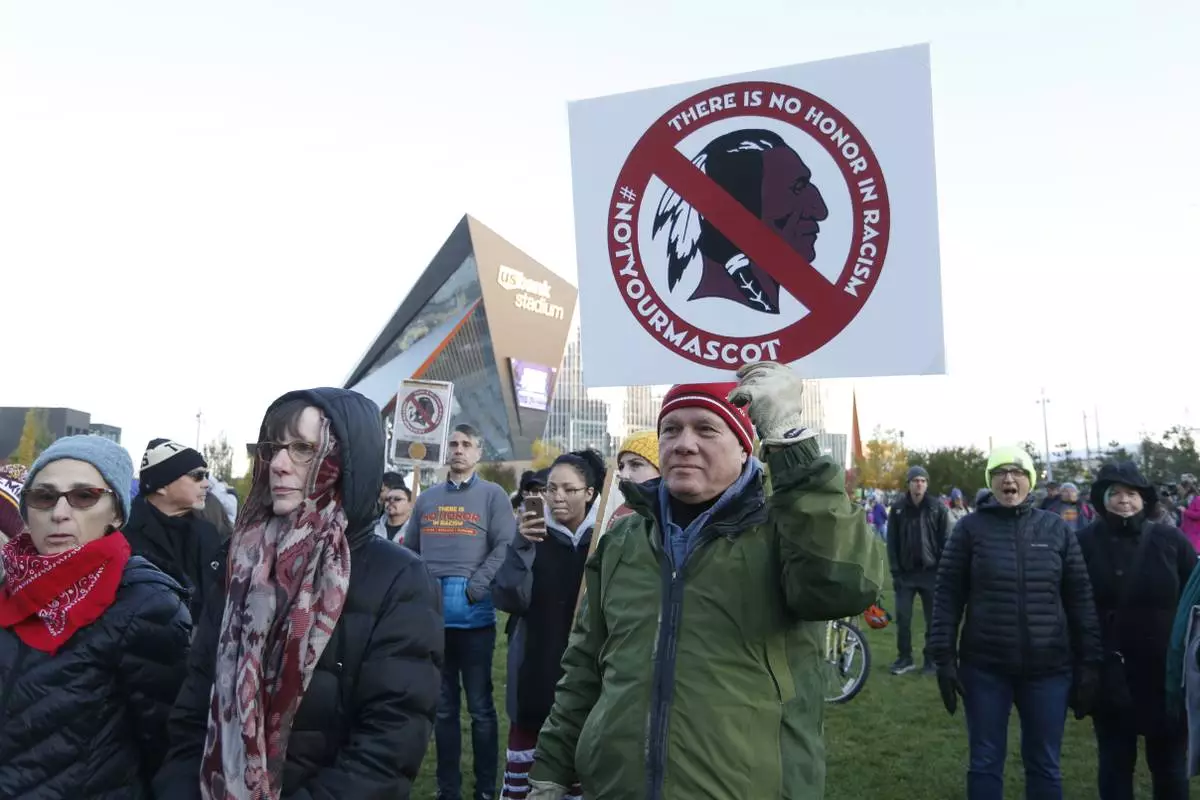
FILE - Native American leaders protest against the Redskins team name and logo outside U.S. Bank Stadium before an NFL football game between the Minnesota Vikings and the Washington Redskins in Minneapolis on Oct. 24, 2019. (AP Photo/Bruce Kluckhohn, File)
FILE - Native American leaders protest against the Redskins team name and logo outside U.S. Bank Stadium before an NFL football game between the Minnesota Vikings and the Washington Redskins in Minneapolis on Oct. 24, 2019. (AP Photo/Bruce Kluckhohn, File)
WASHINGTON (AP) — U.S. forces in the Caribbean Sea have seized another sanctioned oil tanker that the Trump administration says has ties to Venezuela, part of a broader U.S. effort to take control of the South American country’s oil.

The U.S. Coast Guard boarded the tanker, named Veronica, early Thursday, Homeland Security Secretary Kristi Noem wrote on social media. The ship had previously passed through Venezuelan waters and was operating in defiance of President Donald Trump’s "established quarantine of sanctioned vessels in the Caribbean,” she said.

U.S. Southern Command said Marines and sailors launched from the aircraft carrier USS Gerald R. Ford to take part in the operation alongside a Coast Guard tactical team, which Noem said conducted the boarding as in previous raids. The military said the ship was seized “without incident.”

Several U.S. government social media accounts posted brief videos that appeared to show various parts of the ship’s capture. Black-and-white footage showed at least four helicopters approaching the ship before hovering over the deck while armed troops dropped down by rope. At least nine people could be seen on the deck of the ship.

The Veronica is the sixth sanctioned tanker seized by U.S. forces as part of the effort by Trump’s administration to control the production, refining and global distribution of Venezuela’s oil products and the fourth since the U.S. ouster of Venezuela President Nicolás Maduro in a surprise nighttime raid almost two weeks ago.

The Veronica last transmitted its location on Jan. 3 as being at anchor off the coast of Aruba, just north of Venezuela’s main oil terminal. According to the data it transmitted at the time, the ship was partially filled with crude.

Days later, the Veronica became one of at least 16 tankers that left the Venezuelan coast in contravention of the quarantine that U.S. forces have set up to block sanctioned ships, according to Samir Madani, the co-founder of TankerTrackers.com. He said his organization used satellite imagery and surface-level photos to document the ship movements.

The ship is currently listed as flying the flag of Guyana and is considered part of the shadow fleet that moves cargoes of oil in violation of U.S. sanctions.

According to its registration data, the ship also has been known as the Gallileo, owned and managed by a company in Russia. In addition, a tanker with the same registration number previously sailed under the name Pegas and was sanctioned by the Treasury Department for being associated with a Russian company moving cargoes of illicit oil.

As with prior posts about such raids, Noem and the military framed the seizure as part of an effort to enforce the law. Noem argued that the multiple captures show that “there is no outrunning or escaping American justice.”

Speaking to reporters at the White House later Thursday, Noem declined to say how many sanctioned oil tankers the U.S. is tracking or whether the government is keeping tabs on freighters beyond the Caribbean Sea.

“I can’t speak to the specifics of the operation, although we are watching the entire shadow fleet and how they’re moving,” she told reporters.

But other officials in Trump's Republican administration have made clear they see the actions as a way to generate cash as they seek to rebuild Venezuela’s battered oil industry and restore its economy.

Trump met with executives from oil companies last week to discuss his goal of investing $100 billion in Venezuela to repair and upgrade its oil production and distribution. His administration has said it expects to sell at least 30 million to 50 million barrels of sanctioned Venezuelan oil.

Associated Press writer Ben Finley contributed to this report.

This story has been corrected to show the Veronica is the fourth, not the third, tanker seized by U.S. forces since Maduro’s capture and the ship also has been known as the Gallileo, not the Galileo.

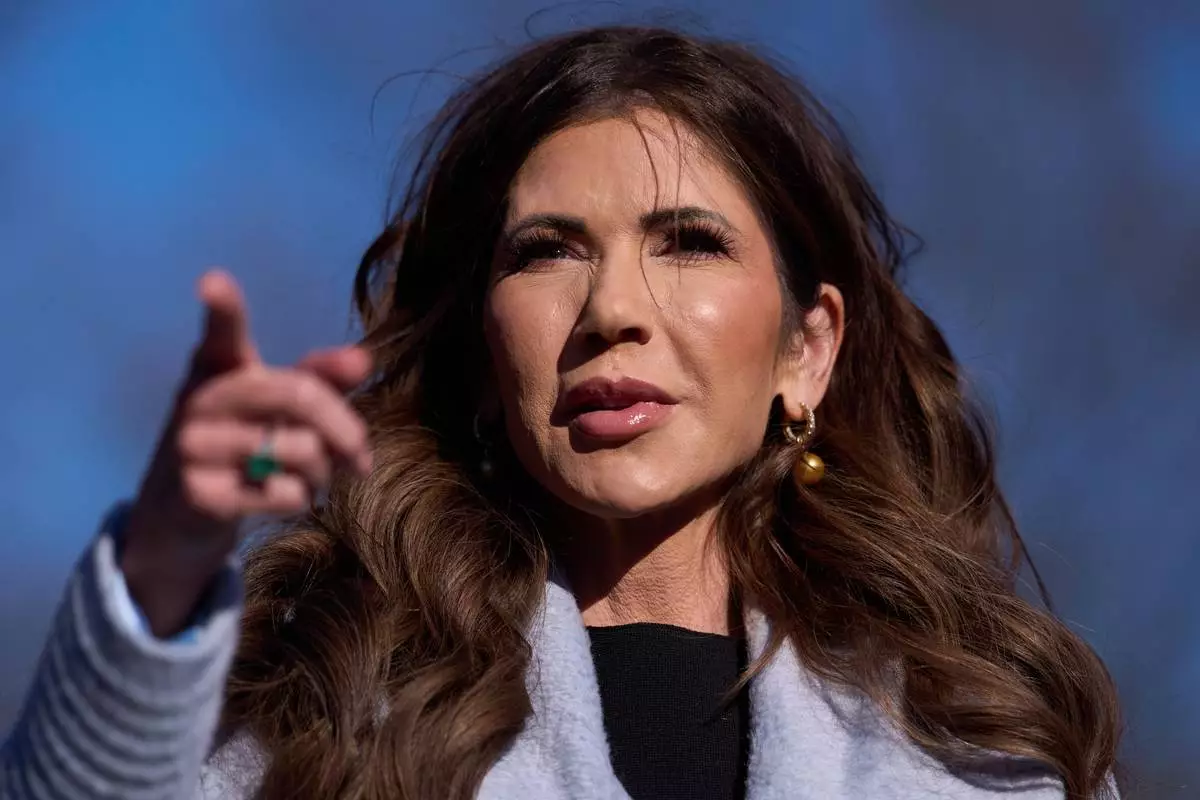
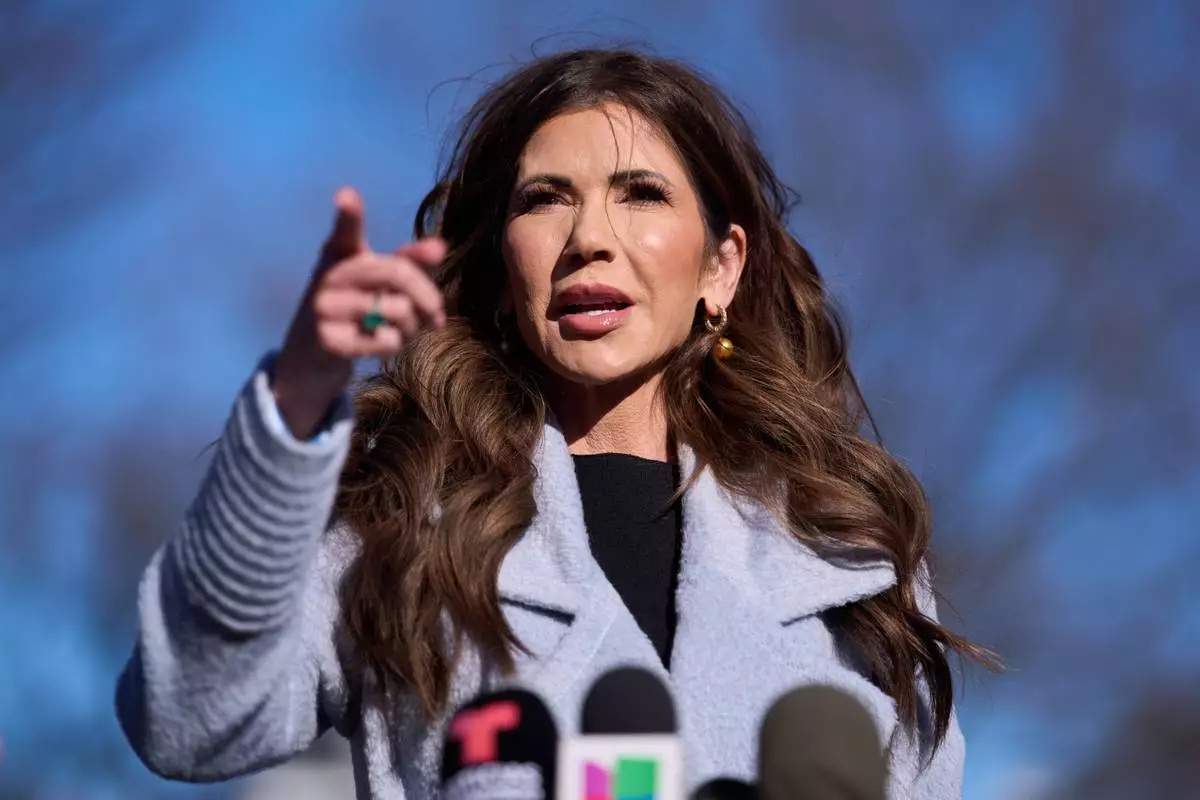
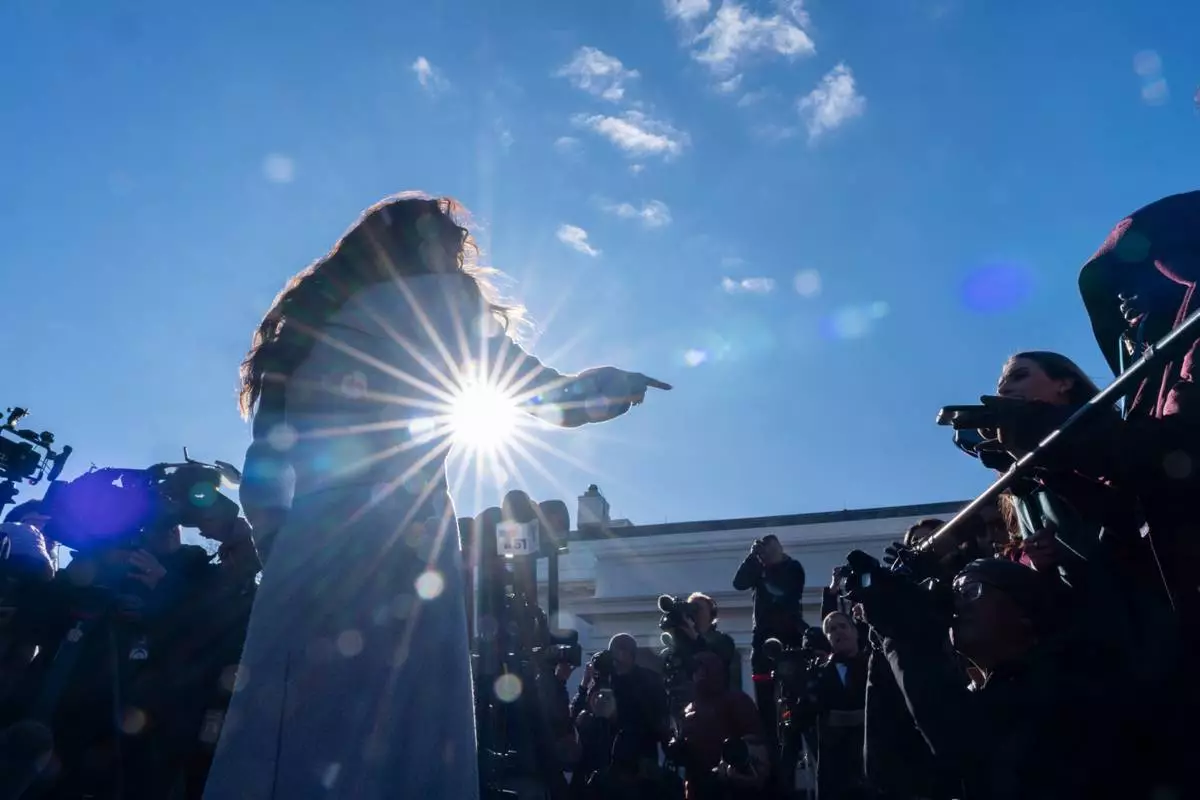
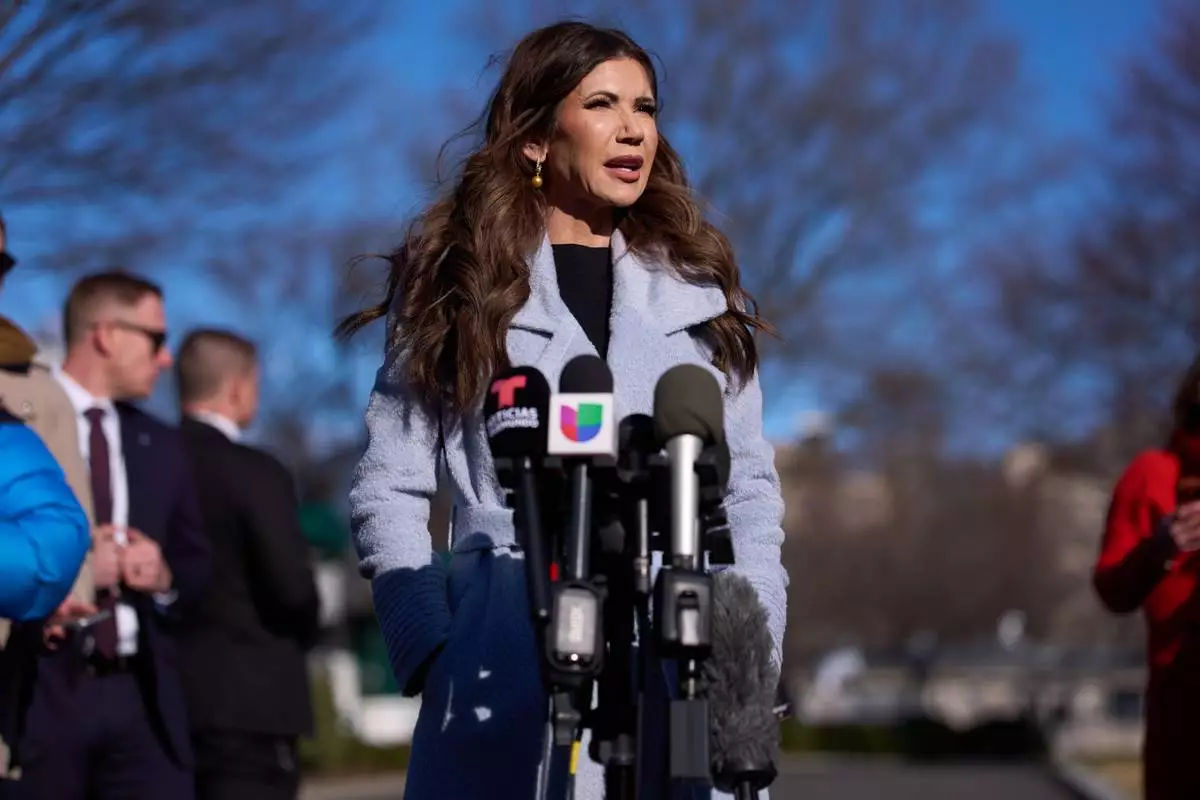
Homeland Security Secretary Kristi Noem speaks with reporters at the White House, Thursday, Jan. 15, 2026, in Washington. (AP Photo/Alex Brandon)

Homeland Security Secretary Kristi Noem speaks with reporters at the White House, Thursday, Jan. 15, 2026, in Washington. (AP Photo/Alex Brandon)

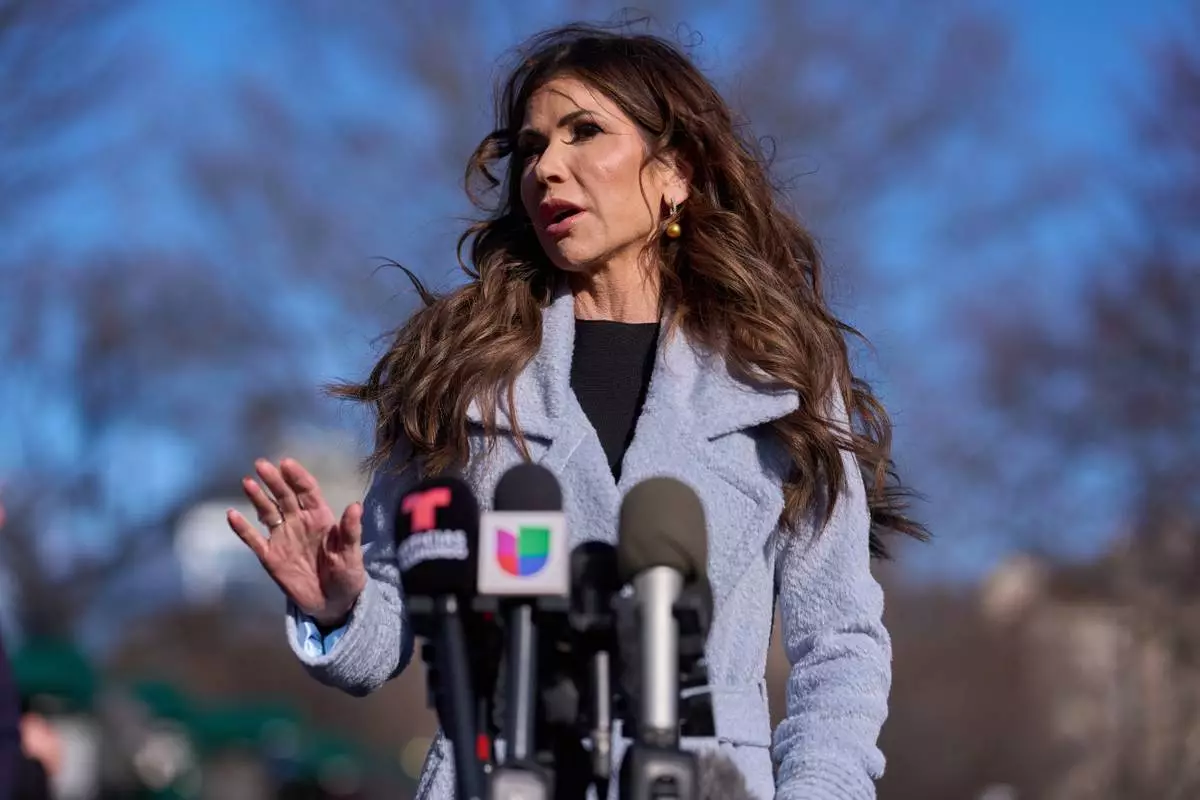
Homeland Security Secretary Kristi Noem speaks with reporters at the White House, Thursday, Jan. 15, 2026, in Washington. (AP Photo/Evan Vucci)

Homeland Security Secretary Kristi Noem speaks with reporters at the White House, Thursday, Jan. 15, 2026, in Washington. (AP Photo/Evan Vucci)

Homeland Security Secretary Kristi Noem speaks with reporters at the White House, Thursday, Jan. 15, 2026, in Washington. (AP Photo/Evan Vucci)

Homeland Security Secretary Kristi Noem speaks with reporters at the White House, Thursday, Jan. 15, 2026, in Washington. (AP Photo/Evan Vucci)

Homeland Security Secretary Kristi Noem speaks with reporters at the White House, Thursday, Jan. 15, 2026, in Washington. (AP Photo/Evan Vucci)

Homeland Security Secretary Kristi Noem speaks with reporters at the White House, Thursday, Jan. 15, 2026, in Washington. (AP Photo/Evan Vucci)

Homeland Security Secretary Kristi Noem speaks with reporters at the White House, Thursday, Jan. 15, 2026, in Washington. (AP Photo/Evan Vucci)

Homeland Security Secretary Kristi Noem speaks with reporters at the White House, Thursday, Jan. 15, 2026, in Washington. (AP Photo/Evan Vucci)

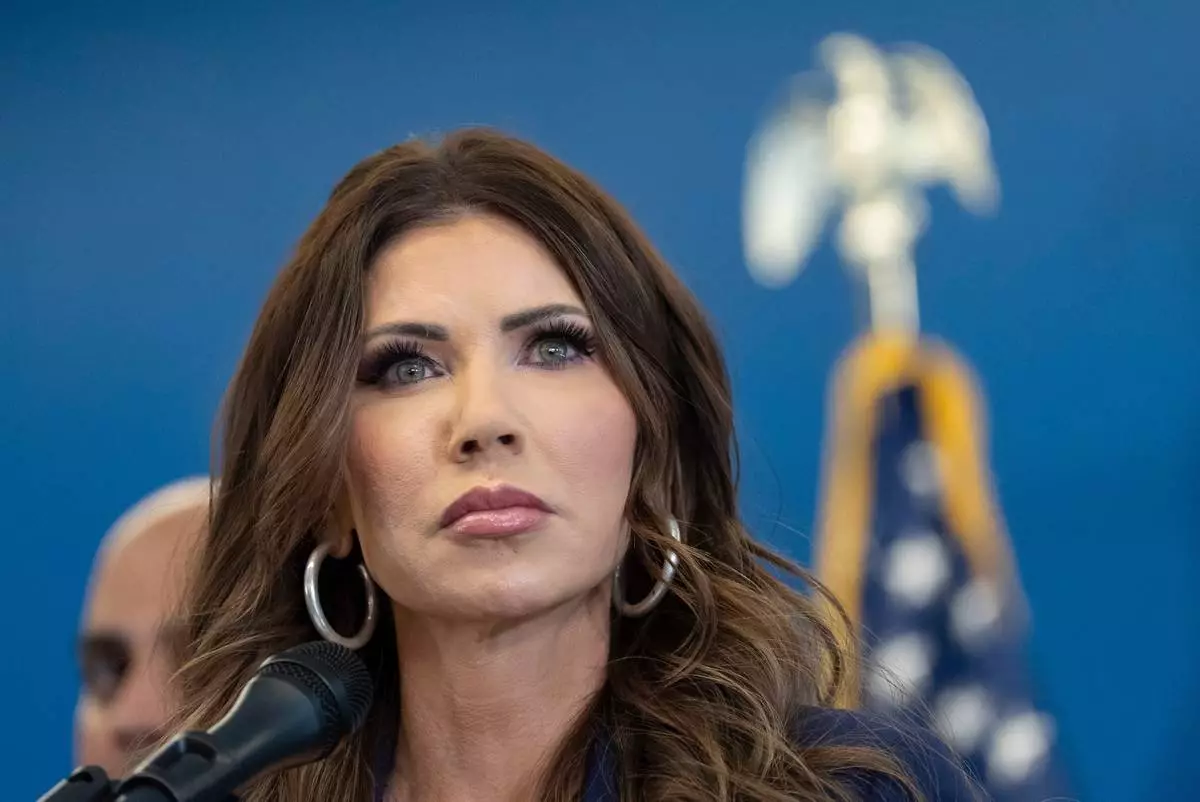
U.S. Homeland Security Secretary Kristi Noem speaks during a press conference, Thursday, Jan. 8, 2026, in New York. (AP Photo/Yuki Iwamura)

U.S. Homeland Security Secretary Kristi Noem speaks during a press conference, Thursday, Jan. 8, 2026, in New York. (AP Photo/Yuki Iwamura)

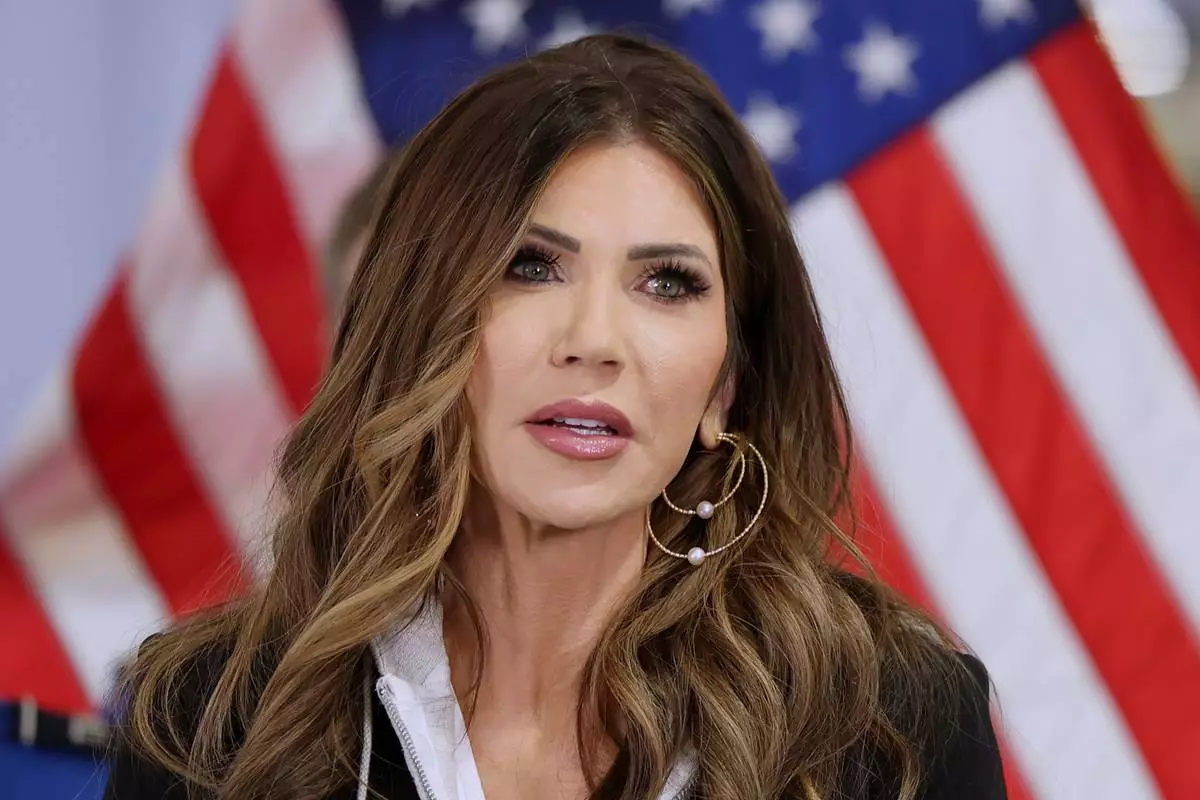
U.S. Homeland Security Secretary Kristi Noem speaks at a news conference at Harry Reid International Airport, Nov. 22, 2025, in Las Vegas. (AP Photo/Ronda Churchill, File)

U.S. Homeland Security Secretary Kristi Noem speaks at a news conference at Harry Reid International Airport, Nov. 22, 2025, in Las Vegas. (AP Photo/Ronda Churchill, File)

Recommended Articles