Indonesia's landmark trade deal with the United States features the lowest tariffs in Southeast Asia, but it has also raised concerns about the future competitiveness of Indonesian industries in an increasingly open market.
The United States has officially set a 19 percent tariff on Indonesian exports, a significant drop from the initially proposed 32 percent. In exchange, Indonesia has agreed to remove nearly all tariffs on U.S. goods and eliminate non-tariff barriers like import licenses.
"If we compare with other Asian countries' tariffs, like Vietnam 20 percent, Malaysia 25 percent, Thailand 36 percent, Indonesian tariffs is the lowest one in ASEAN. So in terms of the comparative tariffs, Indonesia is more competitive compared to other tariff products," said Josua Pardede, an economist.
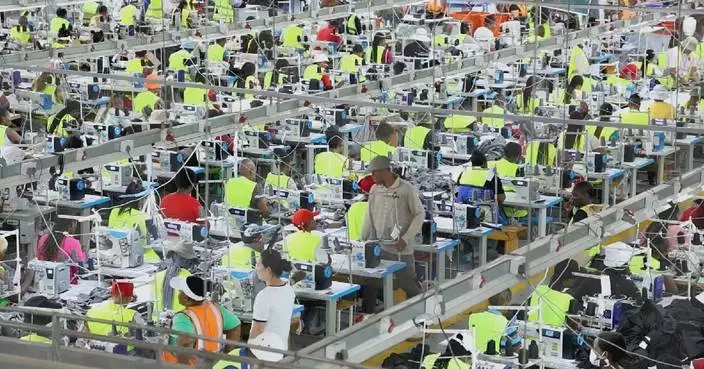
While the agreement opens new doors for trade and investment, especially for electric vehicles, it has also left questions as to how local industries will withstand in a more open and competitive market. According to Pardede, the 19 percent tariff could have ripple effects, potentially threatening over 1.5 million jobs.
The United States, on the other hand, is gaining broader access to the Indonesian market, including the automotive industry. At the heart of this agreement is nickel, a key material in the production of electric vehicle batteries, and Indonesia holds the largest reserves in the world.
The government has now agreed to remove export restrictions on this critical mineral, a move experts say could reshape the global EV supply chain. "The EV industry manufacturing in Indonesia again will face tighter competitiveness going forward if U.S. EV is coming into Indonesia. In terms of the price, I still believe Chinese EV cars still have more competitiveness against European and U.S. cars," said Pardede. However, there are also risks involved. While the deal creates new opportunities in sectors like EVs, it could also put pressure on local small and medium businesses.
"We are discussing with industries because we need to prepare them for what is coming. Of course, this will have huge effects on them if goods start coming in at zero percent tax. We have to analyze this properly and provide these small businesses with support," said Diana Dewi, chairperson of the Indonesian Chamber of Commerce and Industry (Kadin) for Jakarta.
Indonesian President Prabowo Subianto said that this agreement will strengthen ties between Western economies and partners like China by positioning Indonesia as a bridge in global trade, particularly in critical sectors like textile, agriculture and renewable energy.
Experts warn of risks to Indonesia's local industries following US tariff deal