WASHINGTON (AP) — Americans’ view of the U.S. economy improved this month, but Americans remain concerned about the impact of tariffs on their economic futures.
The Conference Board said Tuesday that its consumer confidence index rose two points to 97.2 in July, up from 95.2 the previous month.
The increase in confidence was in line with analysts’ forecasts.
In April, American consumers’ confidence in the economy sank to its lowest reading since May 2020, largely due to anxiety over the impact of President Donald Trump’s tariffs.
A measure of Americans’ short-term expectations for their income, business conditions and the job market rose 4.5 points to 74.4, however that’s still significantly below 80, the marker that can signal a recession ahead.
Consumers’ assessments of their current economic situation inched down by 1.5 points to 131.5.
Tariffs and the impact they could have on personal finances remains respondents’ greatest concern, the Conference Board said.
Trump’s aggressive and unpredictable policies — including massive import taxes — have clouded the outlook for the economy and the job market, raising fears that the American economy is headed toward a recession.
Consumers’ fears of a recession during the next 12 months declined slightly in July but remain elevated and above last year's levels.
Also Tuesday, the International Monetary Fund upgraded its economic outlook for the U.S. and the world this year and next because Trump’s protectionist trade policies so far appear to be doing less damage than many expected.
The IMF now forecasts 3% growth for the global economy this year. That’s down from 3.3% in 2024, but an improvement on its previous forecast of 2.8% growth.
Though concerns about inflation eased in July, it remains a major concern among respondents, who frequently mentioned higher prices in tandem with tariffs.
Another government report earlier this month showed that consumer prices rose last month to its highest level since February Trump’s sweeping tariffs push up the cost of everything from groceries and clothes to furniture and appliances.
Consumer prices rose 2.7% in June from a year earlier, up from an annual increase of 2.4% in May. Core prices, which exclude the volatile food and energy categories, also rose.
Economists pay close attention to core prices because they generally provide a better indication of where inflation is headed.
In the Conference Board’s survey, respondents’ views of the job market deteriorated for the seventh straight month, though the reading remains in positive territory as the U.S. labor market continues to churn out jobs.
In June, U.S. employers added a surprisingly strong 147,000 jobs and the unemployment rate ticked down unexpectedly to 4.1%.
However, those headline numbers masked some weaknesses as the U.S. economy contends with fallout from Trump’s economic policies.
The Labor Department said Tuesday that U.S. employers posted 7.4 million job vacancies last month, down from 7.7 million in May. The number of people quitting their jobs — a sign of confidence in their prospects elsewhere — dropped last month.

FILE - A sheet of new $1 bills is seen, Nov. 15, 2017, at the Bureau of Engraving and Printing in Washington. (AP Photo/Jacquelyn Martin, File)
WASHINGTON (AP) — There is broad bipartisan support in the House and Senate for reviving federal health care subsidies that expired at the beginning of the year. But long-standing disagreements over abortion coverage are threatening to block any compromise and leave millions of Americans with higher premiums.
Despite significant progress, bipartisan Senate negotiations on the subsidies seemed to be near collapse at the end of the week as the abortion dispute appears intractable.
“Once we get past this issue, there’s decent agreement on everything else,” Sen. Bernie Moreno, R-Ohio, who has led the talks, told reporters.
But movement was hard to find.
Republicans were seeking stronger curbs on abortion coverage for those who purchase insurance off the marketplaces created by the Affordable Care Act. Democrats strongly opposed any such changes, especially in the wake of the Supreme Court overturning Roe vs. Wade in 2022. And advocacy groups on both sides were pushing against any compromise that they believe would weaken their positions.
The impasse was a familiar obstacle for lawmakers who have been arguing over the health law, known widely as “Obamacare,” since it was passed 16 years ago.
“The two sides are passionate about (abortion) so I think if they can find a way to bring it up, they probably will,” said Ivette Gomez, a senior policy analyst on women’s health policy for KFF, the health care research nonprofit.
The abortion dispute dates back to the weeks and months before President Barack Obama signed the health overhaul into law in 2010, when Democrats who controlled Congress added provisions ensuring that federal dollars subsidizing the health plans would not pay for elective abortions. The compromise came after negotiations with members of their own party whose opposition to abortion rights threatened to sink the legislation.
The final language allowed states to offer plans under the ACA that cover elective abortions, but said that federal money could not pay for them. States are now required to segregate funding for those procedures.
Since then, 25 states have passed laws prohibiting abortion coverage in ACA plans, 12 have passed laws requiring abortion coverage in the plans and 13 states and the District of Columbia have no coverage limitations or requirements, according to KFF. Some Republicans and anti-abortion groups now want to make it harder for the states that require or allow the coverage, arguing that the segregated funds are nothing more than a gimmick that allows taxpayer dollars to pay for abortions.
Senators involved in the negotiations said a potential compromise was to investigate some of those states to ensure that they are segregating the money correctly.
Sen. Susan Collins, R-Maine, who has led the negotiations with Moreno, said “the answer is to audit” those states and enforce the law if they are not properly segregating their funds.
But that plan was unlikely to win unanimity from Republicans, and Democrats have not signed on.
Negotiators were more optimistic last week, after President Donald Trump told House Republicans at a meeting that “you have to be a little flexible” on rules that federal dollars cannot be used for abortions.
Those words from the president, who has said little about whether he wants Congress to extend the subsidies, came just before a House vote on Democratic legislation that would extend the ACA tax credits for three years. After his comments, 17 Republicans voted with Democrats on the extension over the objections of GOP leadership and the House passed the bill with no new abortion restrictions.
Anti-abortion groups reacted swiftly.
Kelsey Pritchard, a spokeswoman for Susan B. Anthony Pro-Life America, said the group would not be supporting the 17 Republicans who voted for the extension. Trump’s comments were “a complete change in position for him” that brought “a lot of backlash and outcry” from the anti-abortion movement and voters opposed to abortion rights, she said.
Those who did not support changes to the ACA to reduce abortion coverage “are going to pay the price in the midterms” this year, Pritchard said. “We’re communicating to them that this isn’t acceptable.”
Democrats say the Republican effort to amend the law and increase restrictions on abortion is a distraction. They have been focused on extending the COVID-era subsidies that expired on Jan. 1 and had kept costs down for millions of people in the United States. The average subsidized enrollee is facing more than double the monthly premium costs for 2026, also according to KFF.
The two sides have been haggling since the fall, when Democrats voted to shut down the government for 43 days as they demanded negotiations on extending the subsidies. Republicans refused to negotiate until a small group of moderate Democrats agreed to vote with them and end the shutdown.
After the shutdown ended, Republicans made clear that they would not budge on the subsidies without changes on abortion, and the Senate voted on and rejected a three-year extension of the tax credits.
Maine Sen. Angus King, an independent who caucuses with Democrats, said at the time that making it harder to cover abortion was a “red line” for Democrats.
Republicans are going to “own these increases” in premiums, King said then.
The bipartisan group that has met in recent weeks has closed in on parts of an agreement, including a two-year deal that would extend the enhanced subsidy while adding new limits and also creating the option, in the second year, of a health savings account that Trump and Republicans prefer. The ACA open enrollment period would be extended to March 1 of this year, to allow people more time to figure out their coverage plans after the interruption of the enhanced subsidy.
But the abortion issue continues to stand in the way of a deal as Democrats seek to protect the carefully crafted compromise that helped pass the ACA 16 years ago.
“I have zero appetite to make it harder for people to access abortions,” said Sen. Chris Murphy, D-Conn.
Associated Press writers Ali Swenson in New York and Joey Cappelletti and Lisa Mascaro contributed to this report.
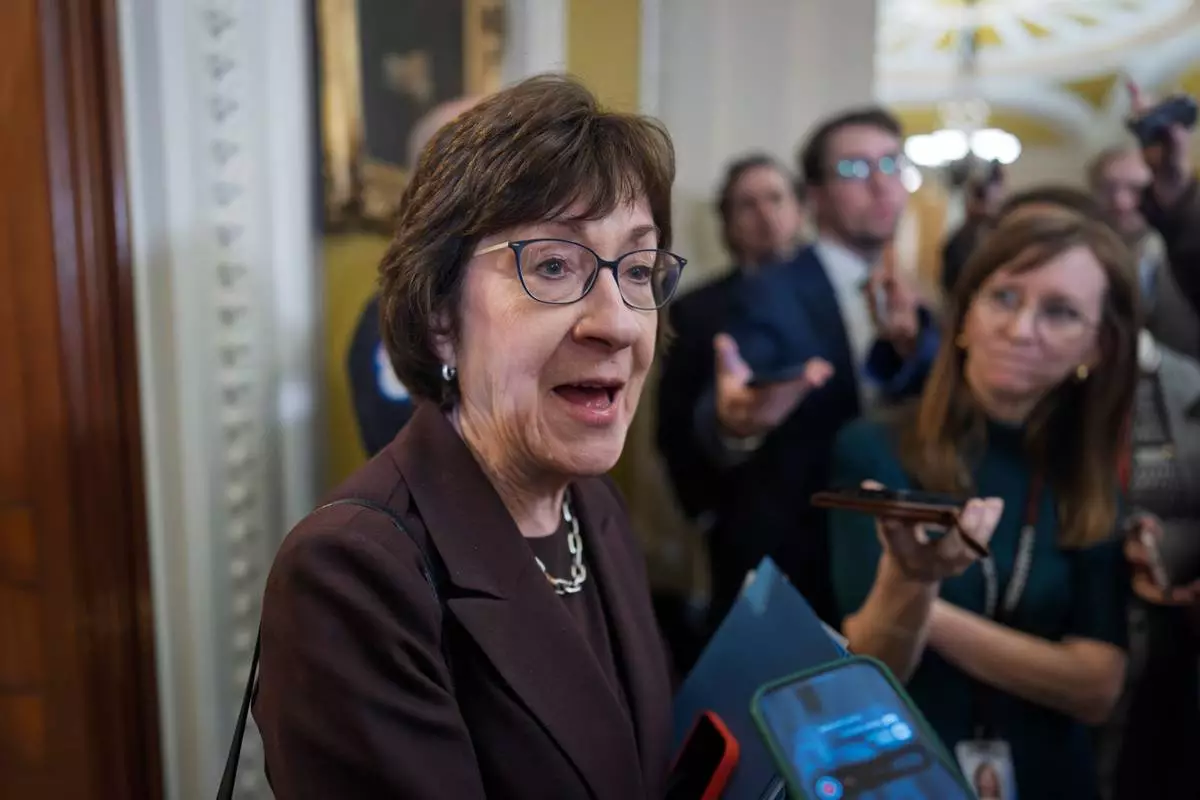
Sen. Susan Collins, R-Maine, chair of the Senate Appropriations Committee, is met by reporters outside the Senate chamber, at the Capitol in Washington, Tuesday, Jan. 6, 2026. (AP Photo/J. Scott Applewhite)
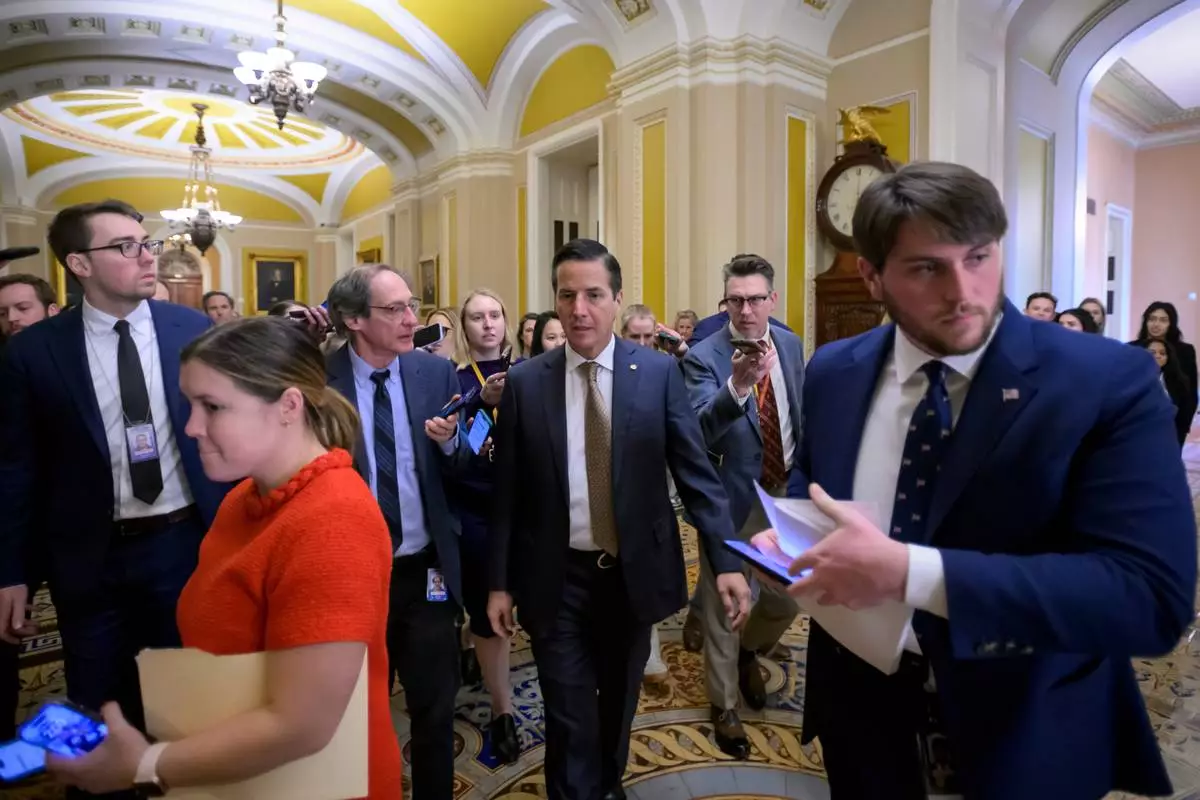
Sen. Bernie Moreno, R-Ohio, center, talks with reporters as he walks through the Ohio Clock Corridor at the Capitol, Tuesday, Jan. 13, 2026, in Washington. (AP Photo/Rod Lamkey, Jr.)
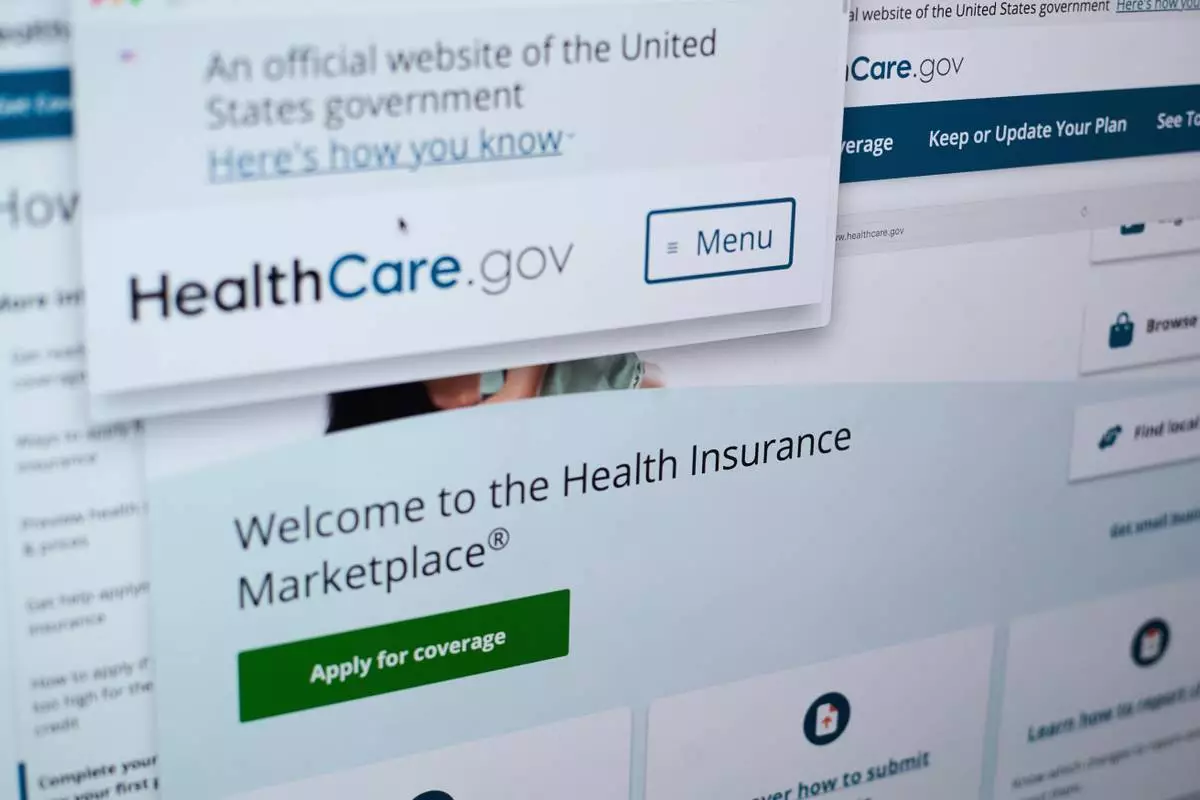
FILE - Pages from the U.S. Affordable Care Act health insurance website healthcare.gov are seen on a computer screen in New York, Aug. 19, 2025. (AP Photo/Patrick Sison, File)
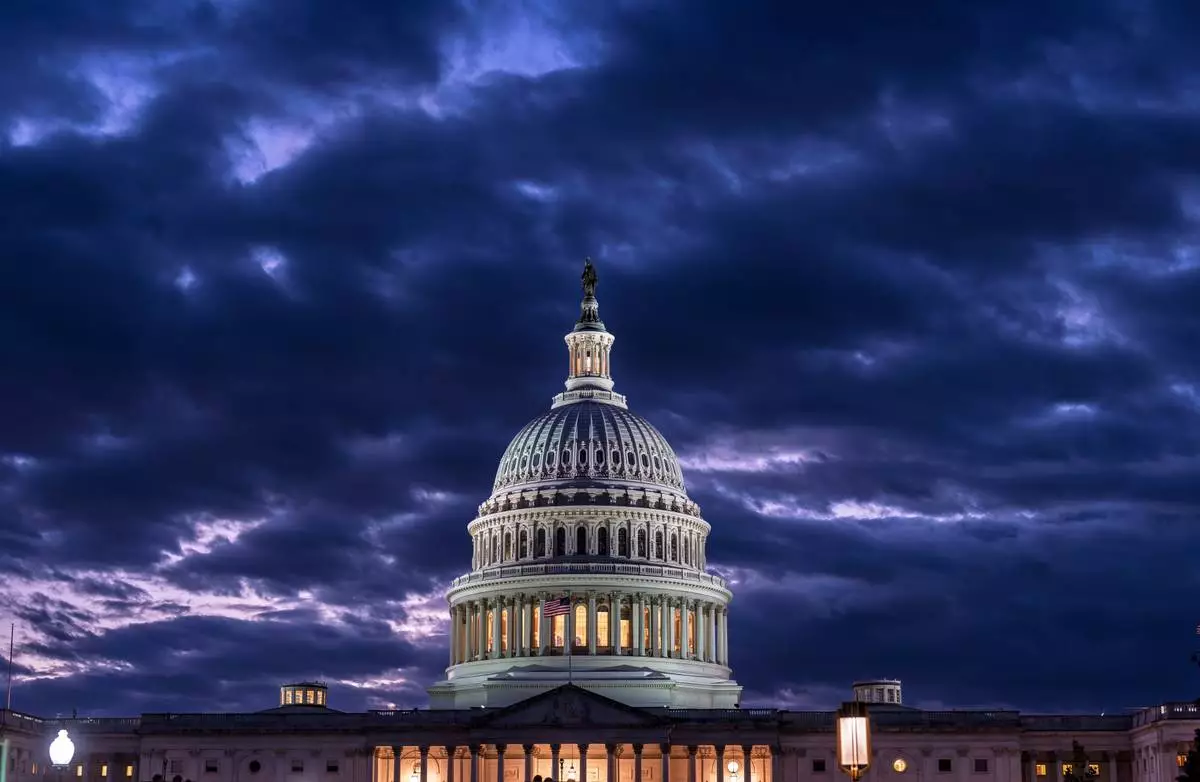
FILE - The Capitol is seen at nightfall in Washington on Oct. 22, 2025. (AP Photo/J. Scott Applewhite, File)