The Trump administration's proposed major cuts to housing programs, including ending "Housing First," could exacerbate homelessness by directly endangering permanent supportive housing for a significant number of elderly and disabled residents throughout the United States, placing them at grave risk of losing their shelter.
In Miami, Hideaway Bay is a motel-turned-shelter that opened in April and can accommodate over 100 people. Currently, 48 residents, including homeless seniors and disabled citizens, reside here. However, proposed changes in U.S. housing policy jeopardize their sanctuary.
The Trump administration's 2026 budget proposes a nearly 45 percent cut to the U.S. Department of Housing and Urban Development, resulting in the removal of 33 billion U.S. dollars from existing programs.
Central to this change is the dismantling of "Housing First," a policy that prioritizes permanent housing for the homeless, in favor of temporary shelters limited to two years.
"[This is] because I could no longer afford my rent. My rent went up, and I became homeless, because I didn't have [enough income] to pay the rent," said Cleveland Eans, a disabled resident at Hideaway Bay.
The 64-year-old Eans pays only 280 U.S. dollars a month for accommodation at Hideaway Bay, which represents 30 percent of his social security check. This fee includes utilities and three daily meals. While a studio apartment in Miami averages 1,900 U.S. dollars a month, making homelessness almost inevitable for people like Eans.
Disabled since 1990, Eans said finding work within two years would be impossible.
"They're going to create a hardship that might make the situation worse because some people might have to result to breaking the law just to try to survive. Some people might have to eat out of garbage can," Eans said.
"We believe that that is going to collapse of its own weight. I think it's unreasonable to expect a disabled senior citizen to get employment in that two-year hiatus period," said Ron Book, chairman of the Miami-Dade County Homeless Trust.
The Homeless Trust, an agency focused on reducing homelessness, estimates that Miami pays 80 U.S. dollars a day for each of its permanent housing units, many of which accommodate multiple residents. This is a stark contrast to the cost of housing a single person in jail, which amounts to 300 U.S. dollars a day, while a hospital stay can run over 2,200 U.S. dollars a day per person.
"Here's what I can tell you. We got between a 94 and a 96 percent success rate when we place somebody in permanent supportive housing," Book said.
The Trump administration stated that the housing cuts will redirect resources toward mental health and addiction treatment, as well as restoring public order. Critics argued that these cuts will simply push the country's most vulnerable back onto the streets, as they would impact over 300,000 disabled people in permanent supportive housing nationwide.
As the U.S. grapples with record homelessness, advocates said this budget proposal represents the most dramatic policy shift in decades. If passed by the Congress, the cuts will take effect this October, giving residents like Eans little time to prepare for an uncertain future.
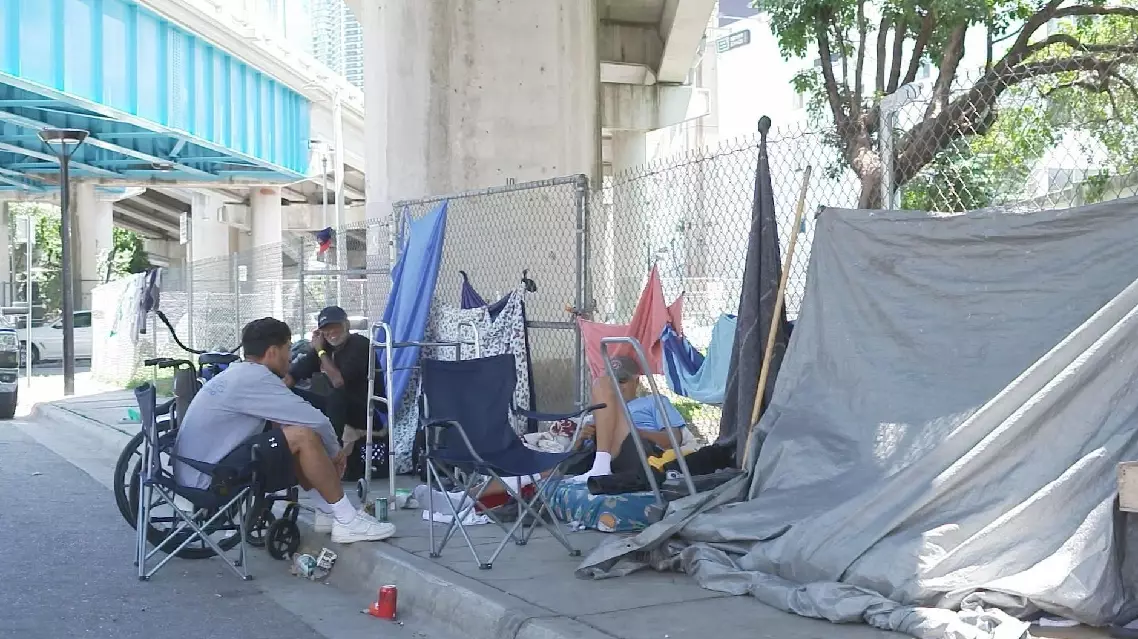
U.S. housing cuts may worsen homelessness, pushing vulnerable Americans back onto streets
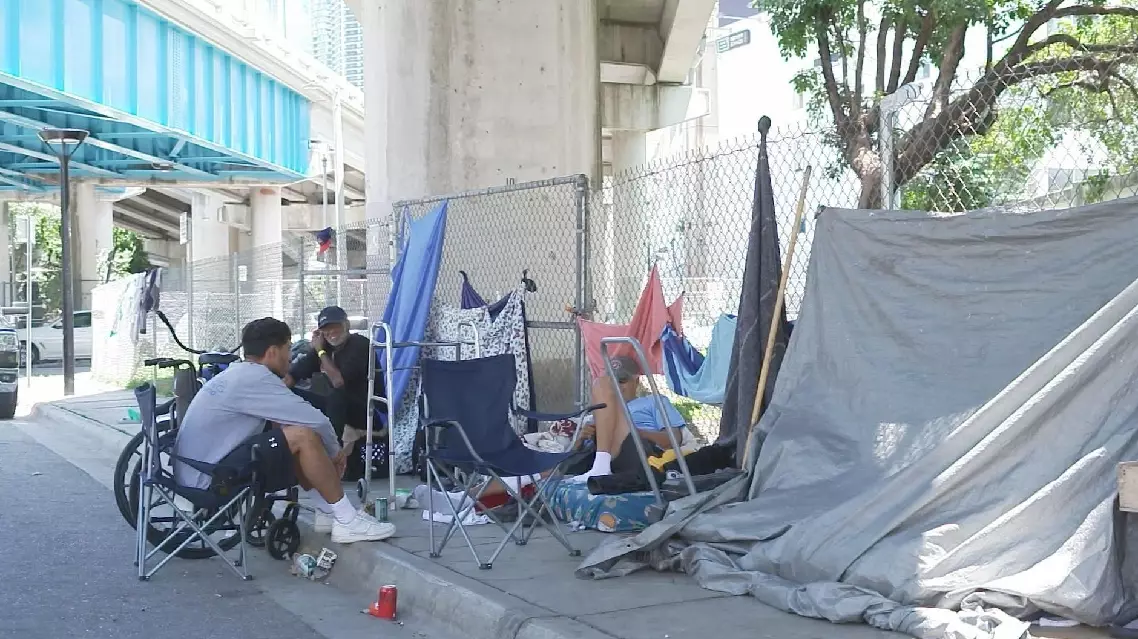
U.S. housing cuts may worsen homelessness, pushing vulnerable Americans back onto streets
U.S. housing cuts may worsen homelessness, pushing vulnerable Americans back onto streets