The Seattle Mariners acquired slugger Eugenio Suárez, the Philadelphia Phillies dealt for hard-throwing reliever Jhoan Durán and identical twin relievers Tyler and Taylor Rogers got traded on the same day, capping a busy Wednesday as the Major League Baseball trade deadline approaches on Thursday.
Suárez — who had 36 homers and 87 RBIs this season for the Arizona Diamondbacks — was widely considered one of the top prizes of the trade deadline. A person familiar with the transaction confirmed it to The Associated Press, speaking on condition of anonymity because it had not been announced.
Click to Gallery
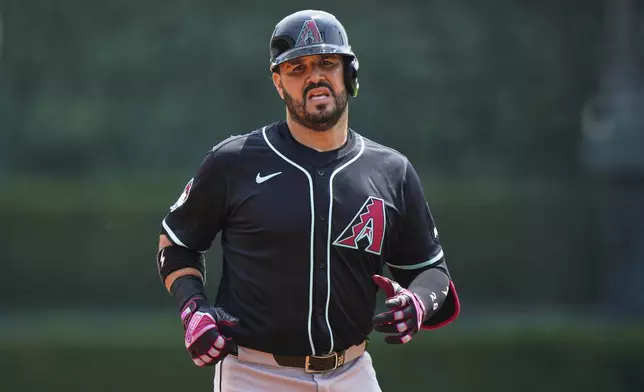
Arizona Diamondbacks designated hitter Eugenio Suarez runs back to the dugout after flying out to Detroit Tigers right fielder Kerry Carpenter during the second inning of a baseball game, Wednesday, July 30, 2025, in Detroit. (AP Photo/Ryan Sun)
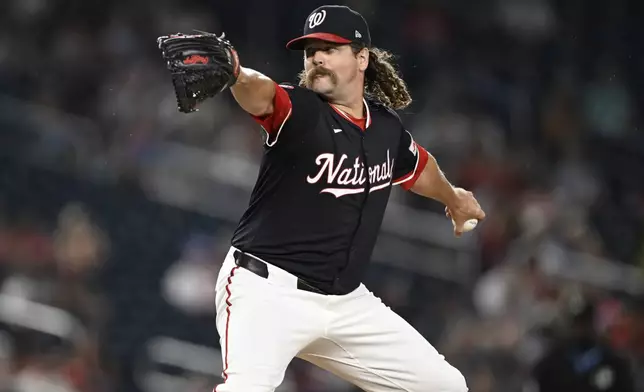
Washington Nationals pitcher Andrew Chafin throws during the sixth inning of a baseball game against the Cincinnati Reds in Washington, Monday, July 21, 2025. (AP Photo/Terrance Williams)
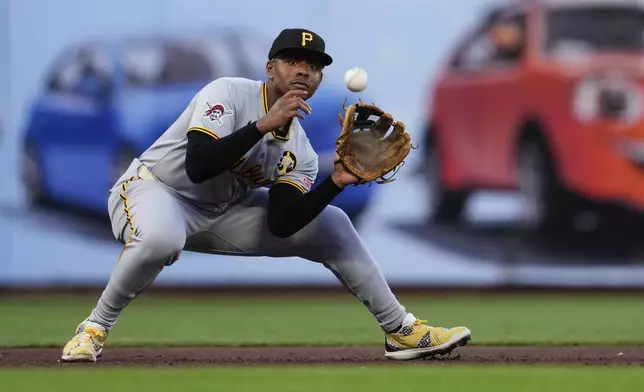
Pittsburgh Pirates third baseman Ke'Bryan Hayes catches a line drive hit by San Francisco Giants' Wilmer Flores during the fourth inning of a baseball game Tuesday, July 29, 2025, in San Francisco. (AP Photo/Godofredo A. Vásquez)
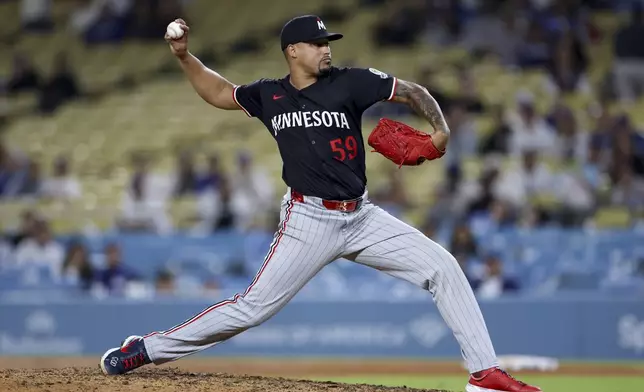
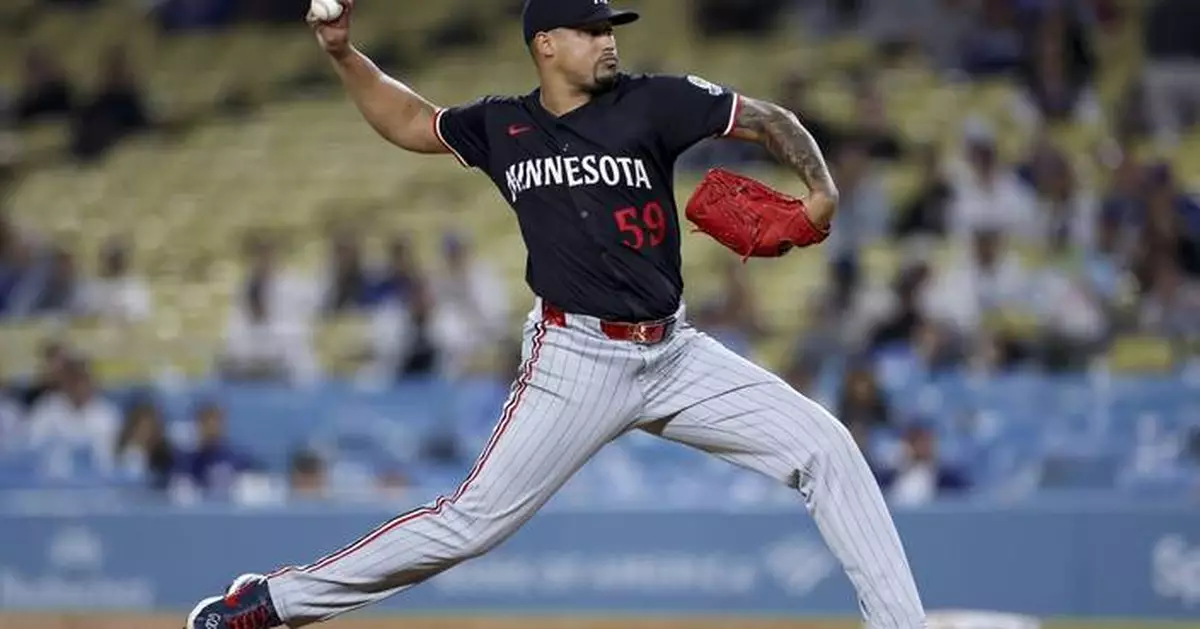
Minnesota Twins relief pitcher Jhoan Duran throws a pitch during the ninth inning of a baseball game against the Los Angeles Dodgers Tuesday, July 22, 2025, in Los Angeles. (AP Photo/Eric Thayer)
The 34-year-old Suárez spent the 2022 and 2023 seasons with the Mariners, hitting 53 homers.
The 27-year-old Durán has a 2.01 ERA and 16 saves this season, striking out 53 over 49 1/3 innings for the Minnesota Twins. The Phillies gave up two top prospects, catcher Eduardo Tait and right-hander Mick Abel.
Tyler Rogers and Ryan Helsley are headed to the New York Mets, who are fighting for first place in the NL East with the Phillies. The accomplished relievers join Edwin Díaz in the bullpen to give the Mets multiple late-inning options.
The durable Rogers — who has a distinctive submarine delivery — has made 53 appearances this season with a 1.80 ERA, four walks and 38 strikeouts for the San Francisco Giants. The Mets sent the Giants right-handers José Buttó and Blade Tidwell, along with outfielder Drew Gilbert.
Helsley has a 3.00 ERA, 21 saves and 41 strikeouts over 36 innings this year for the St. Louis Cardinals, where he's spent the past seven seasons. New York dealt St. Louis three minor leaguers, including infielder Jesus Baez and right-handers Nate Dohm and Frank Elissalt.
Even after Suarez was dealt, many of the trade deadline's biggest names remained on the market, setting up a potentially fascinating 24 hours.
Pittsburgh right-hander Mitch Keller and Cleveland outfielder Steven Kwan were among the potential season-altering additions that teams were pursuing ahead of Thursday's 6 p.m. EDT deadline.
In other moves Wednesday, the New York Yankees added veteran outfielder Austin Slater, the Cincinnati Reds acquired Gold Glove third baseman Ke'Bryan Hayes and the Chicago Cubs traded for right-handed starter Michael Soroka.
The 32-year-old Slater gives the Yankees a dependable right-handed batter for the final two months of the season. He's hit .236 with five homers and 11 RBIs in 51 games with the White Sox this season and has an .859 OPS against left-handed pitching.
The White Sox acquired minor league pitching prospect Gage Ziehl in the trade.
The Reds acquired Hayes from the Pirates in exchange for Taylor Rogers, who unlike his brother throws lefty — and overhand. Pittsburgh also got shortstop prospect Sammy Stafura and cash from Cincinnati.
The swap gives the Reds an elite defender at third with a manageable contract. The 28-year-old Hayes, a Gold Glove winner in 2023, has four-plus years left on the extension he signed with Pittsburgh in 2022.
He will make $7 million in 2026 and 2027 and $8 million in 2028 and 2029, with a club option for $12 million in 2030. He's hitting .236 with two home runs and 36 RBIs this season.
The 27-year-old Soroka is off to Chicago, a person familiar with the deal told The Associated Press. He was an All-Star in 2019 and has 3-8 record with a 4.87 ERA for the Washington Nationals this season.
Washington received two minor leaguers — infielder Ronny Cruz and outfielder Christian Franklin.
Suárez returned to the Diamondbacks' lineup on Wednesday and went 1 for 4, two days after an injury scare. The slugger was hit on the right index finger by a pitch against the Detroit Tigers on Monday.
The D-backs have turned into sellers at the deadline after dropping eight of their last nine games and falling to 51-58. Right-handed pitchers Merrill Kelly and Zac Gallen are among the other Arizona players who could be dealt.
In other moves on Wednesday:
— The Red Sox acquired lefty Steven Matz from the St. Louis Cardinals in exchange for minor league first baseman Blaze Jordan.
— The Reds traded for right-hander Zach Littell from the Tampa Bay Rays in a three-way deal involving the Los Angeles Dodgers and Tampa Bay Rays.
— The Los Angeles Angels acquired relievers Andrew Chafin and Luis García from the Nationals for left-hander Jake Eder and minor league first baseman Sam Brown.
— The Atlanta Braves acquired veteran reliever Tyler Kinley from the Colorado Rockies for minor league pitcher Austin Smith.
— The Seattle Mariners agreed to add left-handed reliever Caleb Ferguson from the Pittsburgh Pirates, giving their bullpen another arm as they make a playoff push. The Pirates received right-handed pitching prospect Jeter Martinez.
AP Baseball Writers Jay Cohen and Mike Fitzpatrick, and AP Sports Writers Will Graves, Ben Nuckols and Greg Beacham, contributed to this report.
AP MLB: https://apnews.com/hub/mlb
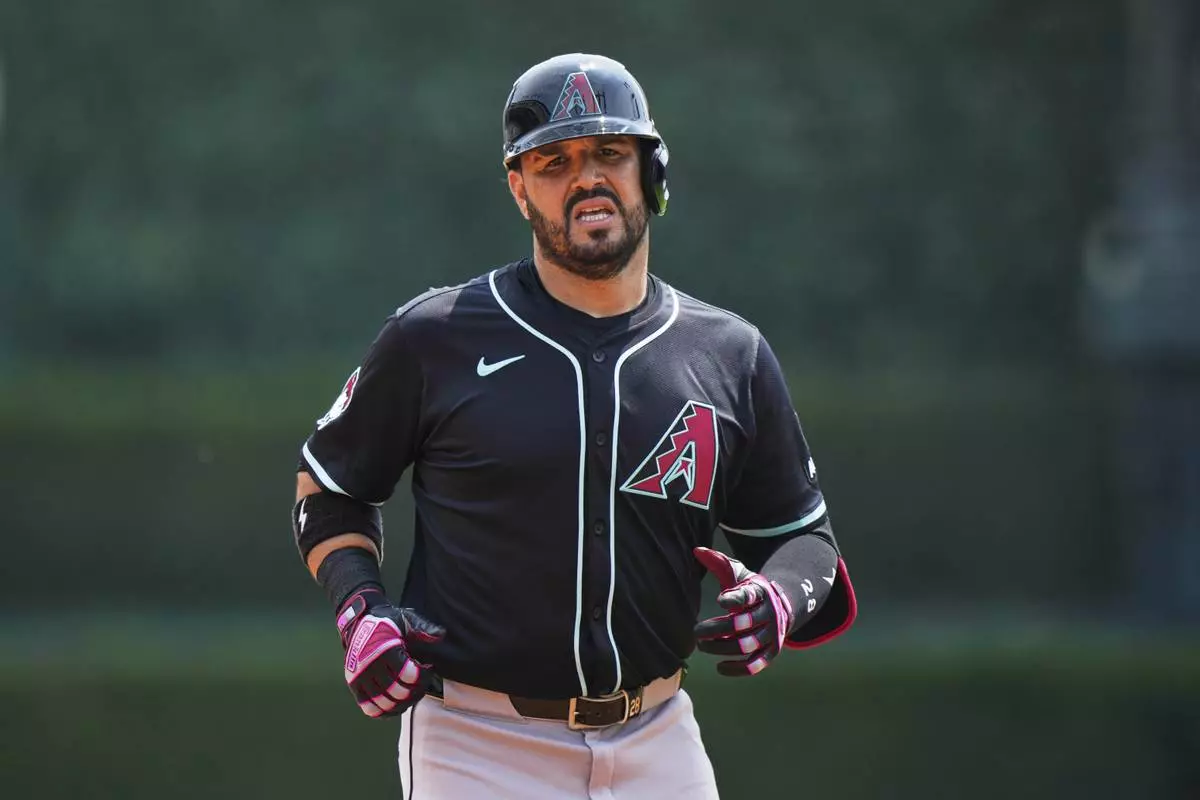
Arizona Diamondbacks designated hitter Eugenio Suarez runs back to the dugout after flying out to Detroit Tigers right fielder Kerry Carpenter during the second inning of a baseball game, Wednesday, July 30, 2025, in Detroit. (AP Photo/Ryan Sun)
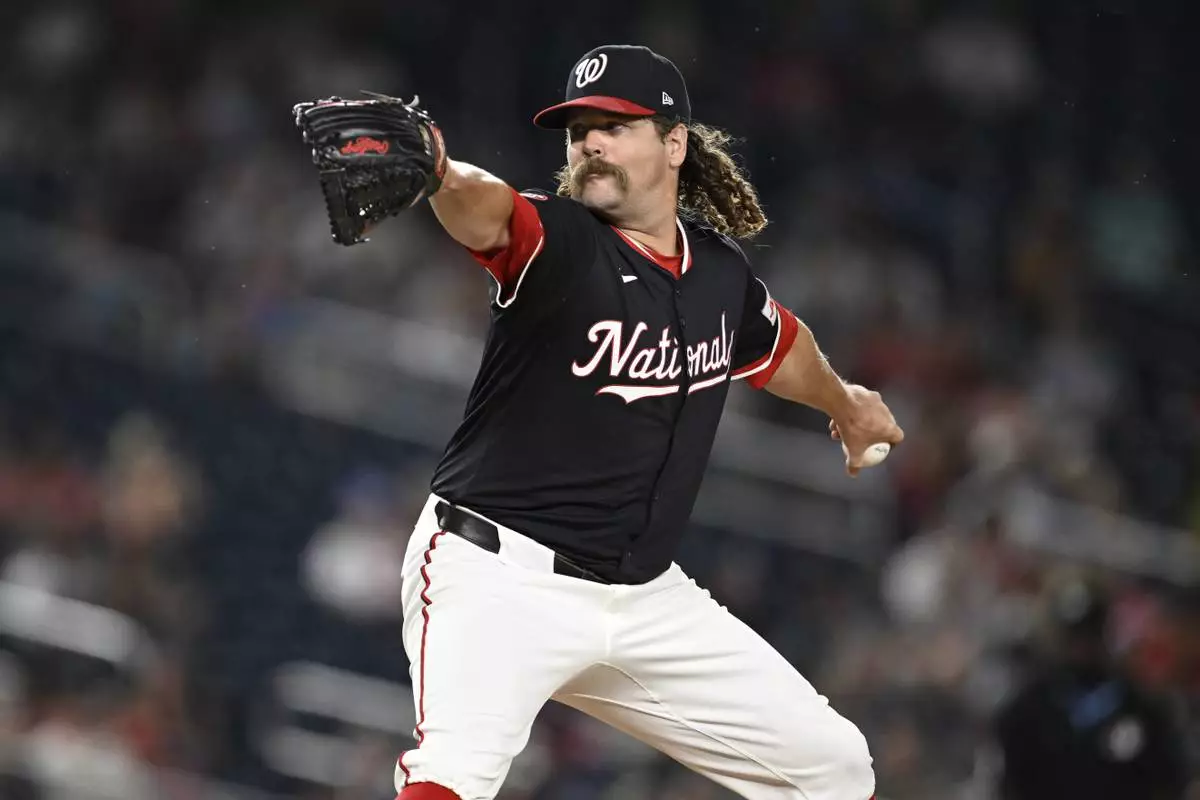
Washington Nationals pitcher Andrew Chafin throws during the sixth inning of a baseball game against the Cincinnati Reds in Washington, Monday, July 21, 2025. (AP Photo/Terrance Williams)
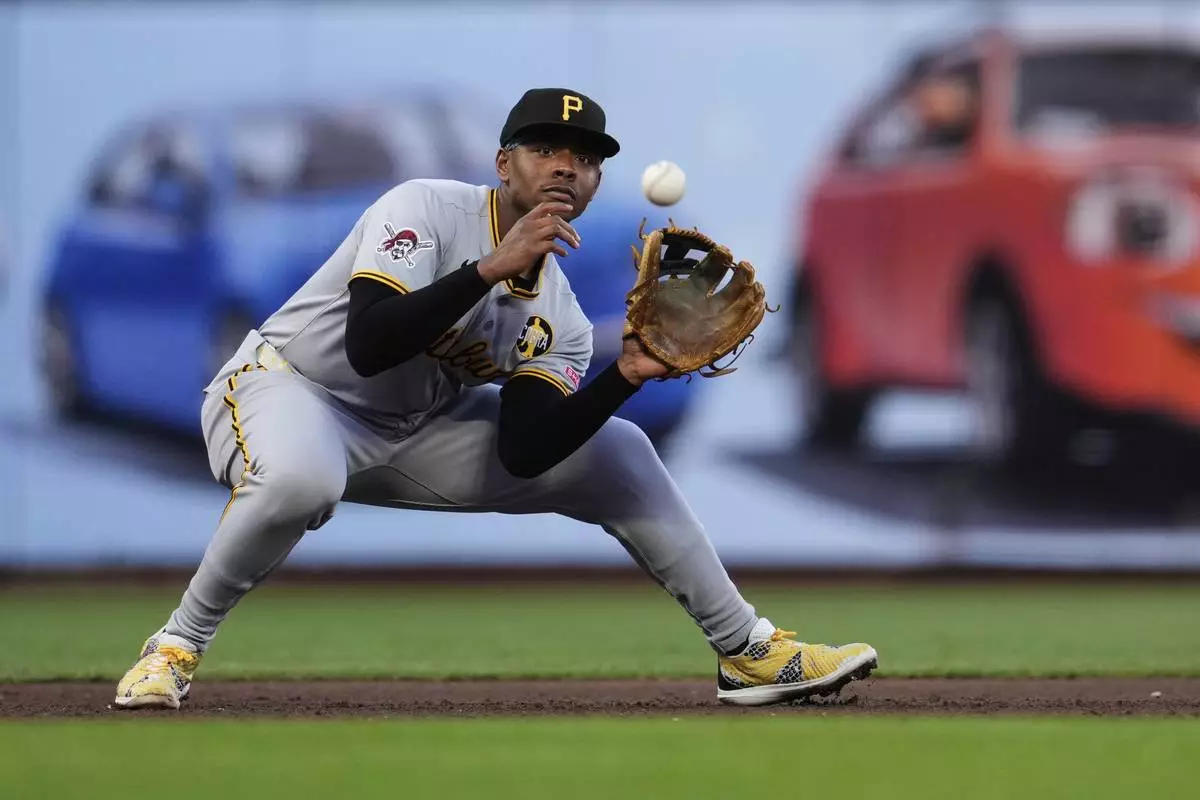
Pittsburgh Pirates third baseman Ke'Bryan Hayes catches a line drive hit by San Francisco Giants' Wilmer Flores during the fourth inning of a baseball game Tuesday, July 29, 2025, in San Francisco. (AP Photo/Godofredo A. Vásquez)

Minnesota Twins relief pitcher Jhoan Duran throws a pitch during the ninth inning of a baseball game against the Los Angeles Dodgers Tuesday, July 22, 2025, in Los Angeles. (AP Photo/Eric Thayer)
WASHINGTON (AP) — President Donald Trump told reporters at the White House on Friday afternoon that he was not pleased with the way that nuclear talks had been going with Iran.
Three hours later, he gave the order to launch the operation that would take out many of the country's top leaders, including Supreme Leader Ayatollah Ali Khamenei and a number of top military chiefs.
This is how the operation unfolded:
12:25 p.m. EST: Trump emerges from the White House on his way to Texas and tells reporters about the indirect negotiations with Iran: “I’m not happy with the way they’re going.”
“No, I haven't,” Trump says when asked if he had made a final decision on what to do next.
3:38 p.m. EST: As he flies aboard Air Force One to events in Texas, Trump gives the order to launch the operation, termed “Epic Fury.”
“The president directed, and I quote, ‘Operation Epic Fury approved ... Good luck,’” Gen. Dan Caine, chairman of the Joint Chiefs of Staff, told reporters at a briefing Monday.
That order, Caine said, set up every element of the joint U.S. forces making their final preparations, with air defense batteries readying themselves and pilots and crews rehearsing their strike packages for the final time. Meanwhile, air crews began loading their final weapons and the two U.S. carrier strike groups began to move toward their launching points, Caine said.
Before giving the order, Trump asked a small group of Republican lawmakers flying with him for their feedback on a potential strike on Iran. The group debated the merits of continuing negotiations vs. going ahead with a strike, but the general sentiment among those present was that the talks were largely a delay tactic by the Iranians, according to a person with direct knowledge of the Air Force One discussion.
Among those on the plane were Texas Sens. John Cornyn and Ted Cruz, hawkish lawmakers who have both applauded Trump’s decision to strike Iran, and a handful of House Republicans from Texas. The person spoke on condition of anonymity to discuss a private discussion with Trump.
As he continued on to Texas, Trump posts several times on Truth Social, including — nine minutes after giving the strike order — a directive that the U.S. government stop using Anthropic artificial intelligence technology after an unusually public dispute between the company and the Pentagon over AI safeguards.
4:03 p.m. EST: Landing in Texas, Trump speaks with reporters at the Port of Corpus Christi, fielding questions about the negotiations. Again, he says he's “not happy” but did not indicate that an operation had been approved. He did not answer a question on how close he was to making a decision on strikes.
“I’d rather not tell you,” Trump says. “You would have had the greatest scoop in history, right? Yeah.”
1:15 a.m. EST: The actual operation begins, according to a timeline that Caine laid out Monday.
“Across every domain — land, air, sea, cyber,” U.S. forces “delivered synchronized and layered effects designed to disrupt, degrade, deny and destroy Iran’s ability to conduct and sustain combat operations on the U.S. side,” Caine said.
At the Pentagon briefing, Caine said the operation “included thousands of service members from all branches, hundreds of advanced fourth- and fifth-generation fighters, dozens of refueling tankers, the Lincoln and Ford carrier strike group and their embarked air wings."
He said munitions and fuel supplies kept flowing and had support from a vast network that included intelligence and surveillance. He also noted that more forces are still flowing into the region.
The operation follows months of work by the CIA to track the movements of senior Iranian leadership, including Khamenei. Intelligence was shared with Israel, and the timing of Saturday's strikes was adjusted as a result, according to a person familiar with the operation who like others was not authorized to comment publicly and spoke on condition of anonymity.
In Tehran, explosions are heard, and Israel's defense minister declares a state of emergency.
A barrage of three strikes in three locations hit within a single minute — killing Khamenei and some 40 senior figures, including the head of the paramilitary Revolutionary Guard and the country’s defense minister, an Israeli military official said.
4:37 p.m. EST: On his Truth Social social media site, Trump announces Khamenei's death, saying the supreme leader was “unable to avoid our Intelligence and Highly Sophisticated Tracking Systems.”
Cornyn, the Texas senator, told reporters on Saturday that Trump “didn’t tell us what he was going to do.” While campaigning ahead of the state’s primaries on Tuesday, Cornyn said Trump “posted the question of whether Iran must be stopped by whatever necessary action that he might choose to take.”
12:21 p.m. EST: On Truth Social, Trump says U.S. forces have “destroyed and sunk 9 Iranian Naval Ships," would be “going after the rest" and “largely destroyed their Naval Headquarters.”
4:06 p.m. EST: In a video message, the Republican president said the U.S. military and its partners hit hundreds of targets in Iran, including Revolutionary Guard facilities and Iranian air defense systems “all in a matter of literally minutes.”
Trump says he expected the strikes would continue until “all of our objectives are achieved.” He does not spell out what those objectives are.
Also Sunday, Trump administration officials tell congressional staff in private briefings that U.S. intelligence did not suggest Iran was preparing to launch a preemptive strike against the U.S., according to three people familiar with the briefings.
The administration officials instead acknowledged that there was a more general threat in the region from Iran’s missiles and proxy forces, two of the people said.
A senior White House official also says Sunday that Iran’s “new potential leadership” has suggested it is open to talks with the United States.
8 a.m. EST: Defense Secretary Pete Hegseth said at a Pentagon briefing that the U.S. is not engaged in a nation-building effort in Iran and that ongoing strikes won't be the prelude to a long, sustained conflict.
“This is not Iraq. This is not endless,” he said. “This is not a so-called regime change war, but the regime sure did change, and the world is better off for it.”
Also Monday, Trump said at an unrelated event at the White House that he expects the operation in Iran to last four to five weeks but that “we have the capability to go far longer than that.”
In a brief phone interview with the New York Post, the president said he wasn’t ruling out U.S. forces in Iran if “they were necessary.”
“I don’t have the yips with respect to boots on the ground. Like, every president says, ‘There will be no boots on the ground.’ I don’t say it,” Trump told the newspaper.
Other nations in the region took a defensive posture. The United Arab Emirates said it intercepted nine ballistic and six cruise missiles and 148 drones Monday. Qatar said its air force shot down 2 Iranian warplanes.
During market trading, the price of oil jumped as tanker disruptions near the Strait of Hormuz raised fears about supply shortages from the Persian Gulf.
Global markets also were rattled by the strikes, with U.S. futures following markets in Europe and Asia lower.
Associated Press writers Seung Min Kim in Washington and Josef Federman in Jerusalem contributed this report. Meg Kinnard reported from Charleston, South Carolina, and can be reached at http://x.com/MegKinnardAP
Debris is seen in a room of the Gandhi Hospital, which was damaged when a strike hit a state TV communications tower and nearby buildings across the street, during the ongoing joint U.S.-Israeli military campaign in Tehran, Iran, Monday, March 2, 2026. (AP Photo/Vahid Salemi)
Plumes of smoke from two simultaneous strikes rise over Tehran, Iran, Monday, March 2, 2026. (AP Photo/Mohsen Ganji)
President Donald Trump speaks to reporters before departing on Marine One from the South Lawn of the White House, Friday, Feb. 27, 2026, in Washington. (AP Photo/Alex Brandon)
President Donald Trump boards Air Force One at Joint Base Andrews, Md., Friday, Feb. 27, 2026, en route Corpus Christi, Texas. (AP Photo/Matt Rourke)