The purchasing managers' index (PMI) for China's manufacturing sector went down 0.4 percentage points from the previous month to 49.3 in July, according to the data released by the National Bureau of Statistics and the China Federation of Logistics and Purchasing on Thursday.
In July, extreme weather conditions like heatwaves, heavy rains, and floods hit many parts of the country, leading to slgguish market demand and a decline in the manufacturing sector's new order index.
However, manufacturing production continued to expand, with particularly strong momentum in new growth drivers. Both equipment manufacturing and high-tech manufacturing PMIs remained in expansion range. Notably, both production index and new orders index for industries of railway, shipbuilding, aerospace equipment, computer, communication, and electronic equipment manufacturing all stayed in expansion range, demonstrating active performance on both the production and demand sides.
"Due to the short-term factors, (PMI for manufacturing sector) declined to a certain extent, but the production remained in the expansion range. The equipment manufacturing industry and high-end manufacturing industry represent new growth driver industries, and their production and new order indexes remained in the expansion range, reflecting that the foundation of our high-quality economic growth is relatively stable," said He Hui, vice president of China Federation of Logistics and Purchasing.
It is noteworthy that the raw material inventory index and producer prices index rose apparently from the previous month, driven by commodity price hikes and other factors. Notably, the raw material inventory index entered expansion range for the first time since March, indicating an overall improvement in the manufacturing sector's price levels.
"By industry, the two indexes of petroleum, coal and other fuel processing, the smelting and pressing of ferrous metals industries all rebounded obviously, and the market prices of related industries improved," said Huo Lihui, director of business climate survey division of Service Survey Center of the National Bureau of Statistics.
China's non-manufacturing PMI registered 50.1 in July, slightly down from 50.5 in June but remaining in expansion range. The sector was buoyed by robust summer consumption, with strong performance in retail, tourism, and recreational activities.
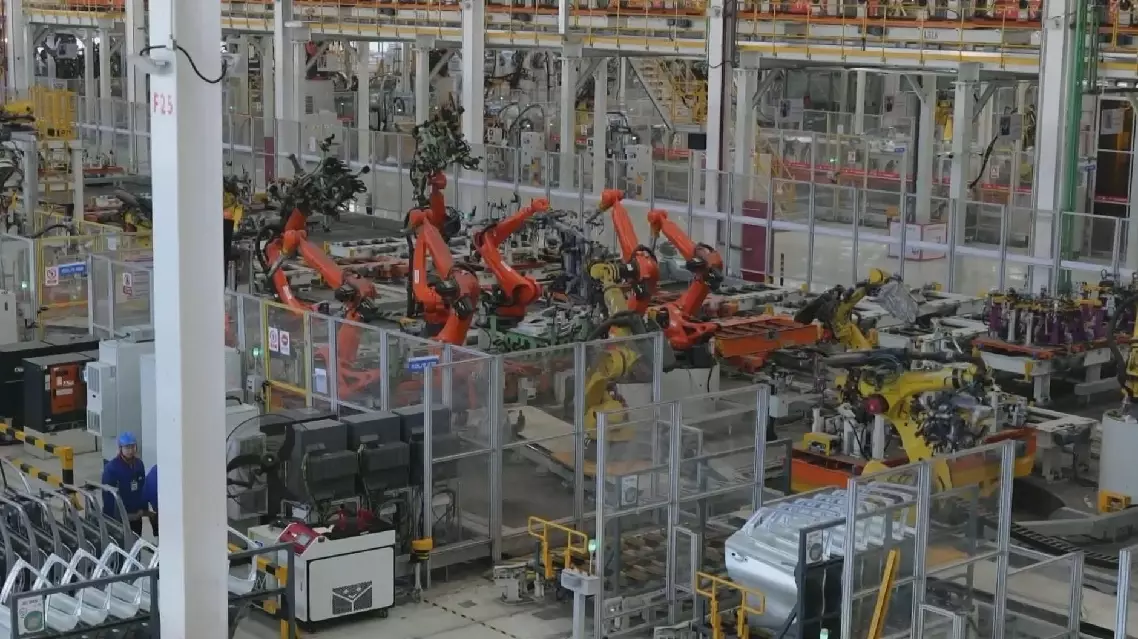
China's manufacturing PMI down to 49.3 in July