Exhumation of a mass grave has begun in Tuam, Ireland, at the site of a former mother and baby home — one of several that once operated across the country.
The burial site, which could hold the remains of nearly 800 infants and young children, has forced the country and the Catholic Church to contend with its decades-long legacy of shunning unmarried mothers and separating them from their children left at the mercy of a cruel system.
Click to Gallery
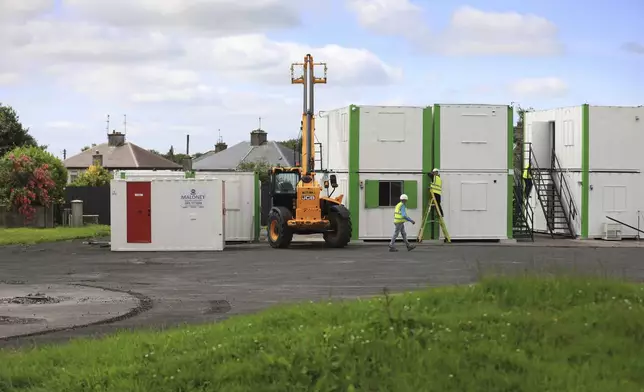
Digging equipment and workers at the site of St Mary's home for unmarried mothers, in Tuam, Ireland, July 7, 2025. (AP Photo/Peter Morrison)
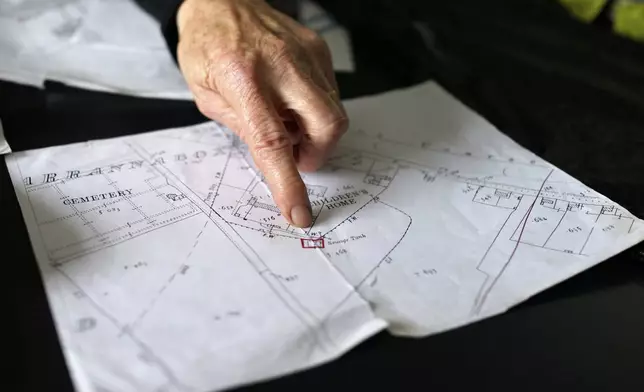
Catherine Corless, who revealed that remains of nearly 800 dead infants from a mother and baby home in Tuam, Ireland, were unaccounted for and likely buried in a mass grave, points on a map at her home outside Tuam on Tuesday, July 8, 2025. (AP Photo/Brian Melley)
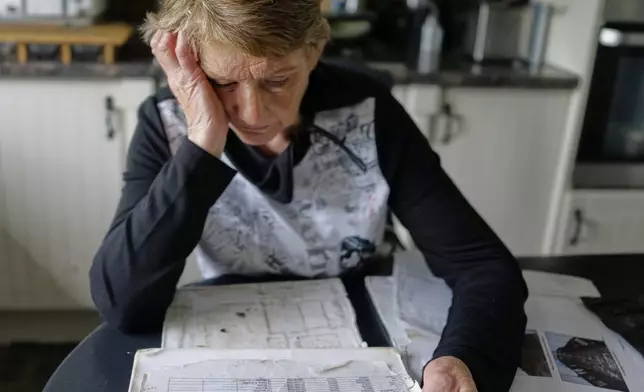
Catherine Corless, who revealed that remains of nearly 800 dead infants from a mother and baby home in Tuam, Ireland, were unaccounted for and likely buried in a mass grave, reviews her records at her home outside Tuam on Tuesday, July 8, 2025. (AP Photo/Brian Melley)
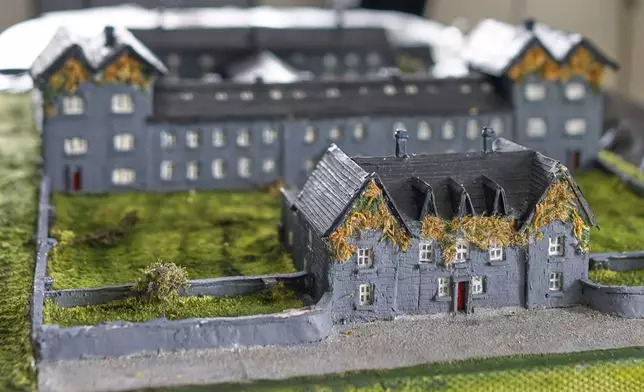
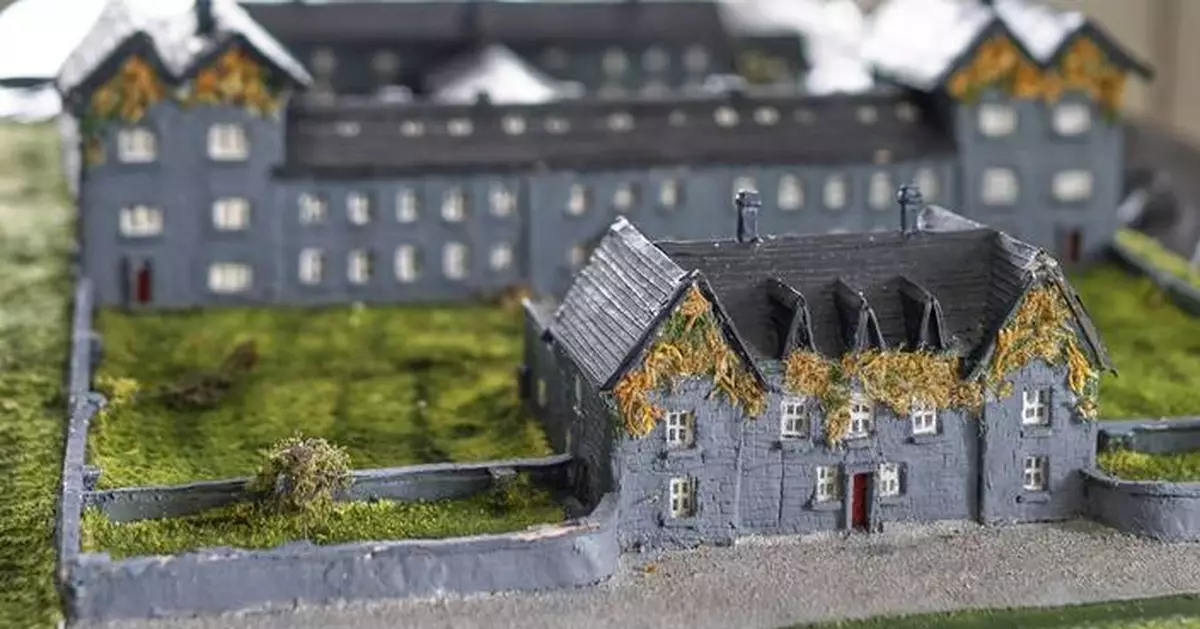
A replica built by Catherine Corless, who discovered that nearly 800 children died at a mother and baby home in Tuam, Ireland, is seen at her home near Tuam, Tuesday, July 8, 2025. (AP Photo/Brian Melley)
Extensive maltreatment that contributed to the deaths of thousands of children has been gradually revealed over time. Here is a timeline of developments related to Ireland’s network of mother and baby homes.
1846 — The Tuam workhouse opens on six acres to house 800 “inmates” who were destitute.
1921 — County Galway opens a mother and baby home in a former workhouse in Glenamaddy that is run by Bon Secours Sisters, a Catholic religious order.
1922-23 — The home is occupied by British troops during the Irish Civil War. Six members of an Irish Republican Army faction that opposed the treaty ending the war were executed there in 1923.
1925 — The Children's Home in Glenamaddy closes and reopens in the converted Tuam workhouse.
1961 — The Tuam home closes.
1970s — Two boys discover bones in an underground chamber on the grounds of the derelict home. Locals believe the grave includes victims of the Irish famine and create a memorial garden.
2012 — Local historian Catherine Corless publishes an article in the Journal of the Old Tuam Society that reveals many children died in the home. She later finds records of 796 deaths with no burial records. She reveals that the bones found in the 1970s were in the location of a defunct septic tank.
May 2014 — The Irish Mail publishes a story about nearly 800 unaccounted dead babies at the home and the possibility some are buried in the sewage tank. International news coverage leads to a public outcry.
June 2014 — The Irish government announces it will investigate mother and baby homes across Ireland, including Tuam.
February 2015 — The Commission of Investigation into Mother and Baby Homes is formally established.
March 2017 — A test excavation by the commission confirms “significant quantities” of human remains of infants in underground chambers at the Tuam site. Tests show they ranged from 35 weeks to three years old.
2018 — The Irish government pledges to carry out a full forensic excavation and enact legislation to allow for the recovery and potential identification of remains.
October 2018 — Government officially approves a full forensic excavation of the Tuam site. The cost is estimated at 6—13 million ($7-15 million) euros.
January 2021 — The Commission’s final report finds that about 9,000 children died in 18 institutions, including Tuam, from 1922 to 1998. Prime Minister Micheál Martin issues a state apology.
2022 — Ireland passes the Institutional Burials Act, giving legal authority to excavate, recover, and identify remains from sites such as Tuam.
2023 — The Director of Authorised Intervention is established to oversee the Tuam excavation.
June 11, 2025 — The site is secured, and pre-excavation work begins.
July 14, 2025 — The excavation team begins its dig to recover remains.
Associated Press religion coverage receives support through the AP’s collaboration with The Conversation US, with funding from Lilly Endowment Inc. The AP is solely responsible for this content.
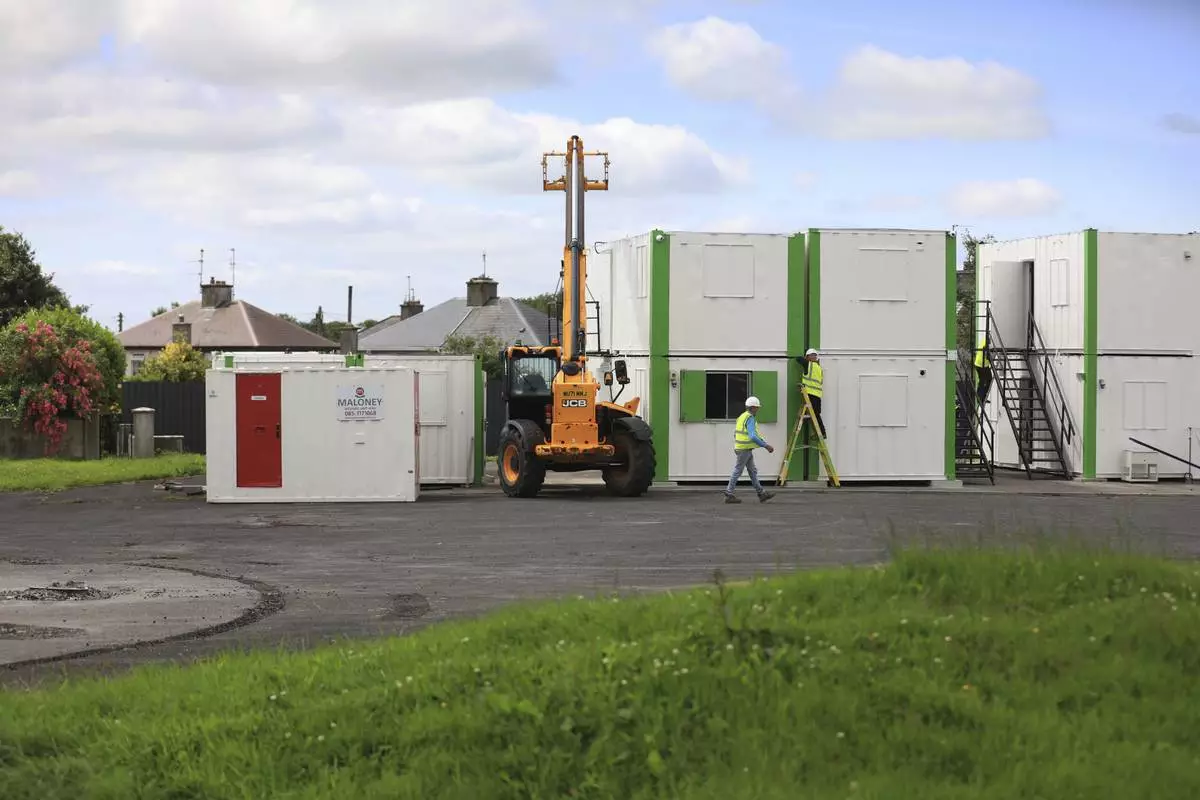
Digging equipment and workers at the site of St Mary's home for unmarried mothers, in Tuam, Ireland, July 7, 2025. (AP Photo/Peter Morrison)
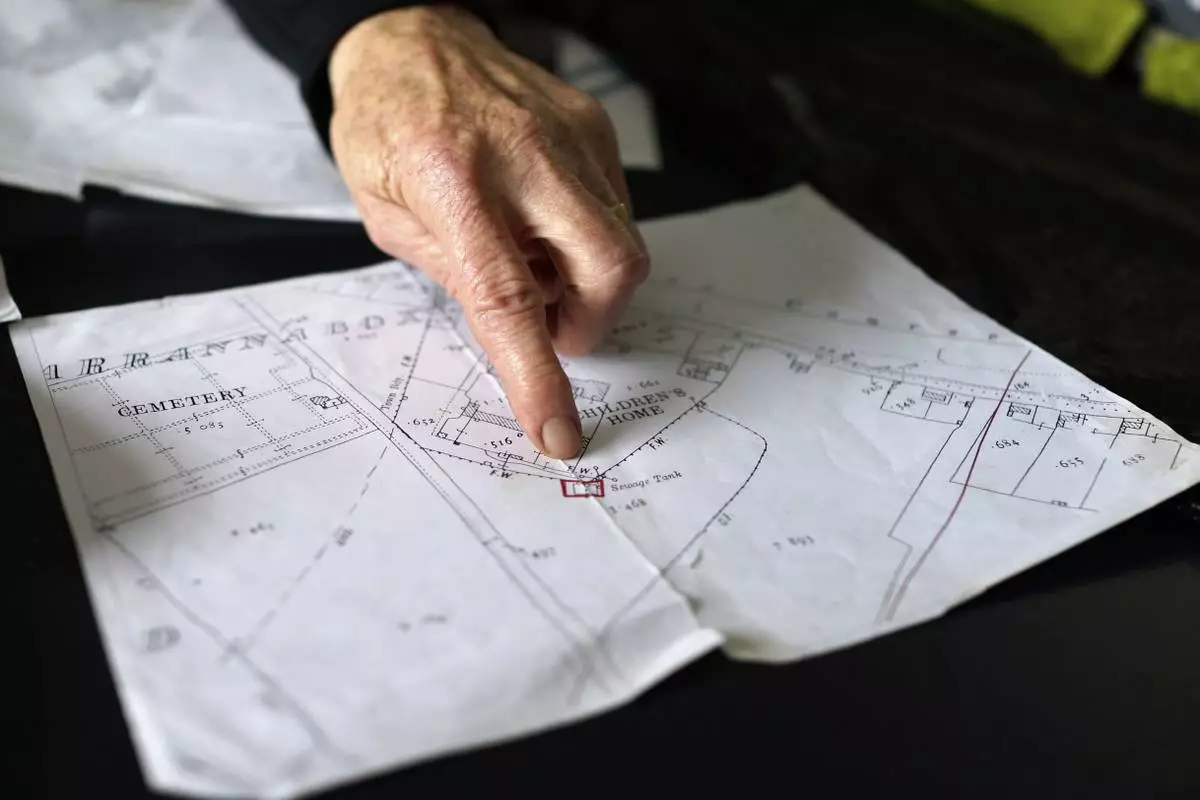
Catherine Corless, who revealed that remains of nearly 800 dead infants from a mother and baby home in Tuam, Ireland, were unaccounted for and likely buried in a mass grave, points on a map at her home outside Tuam on Tuesday, July 8, 2025. (AP Photo/Brian Melley)
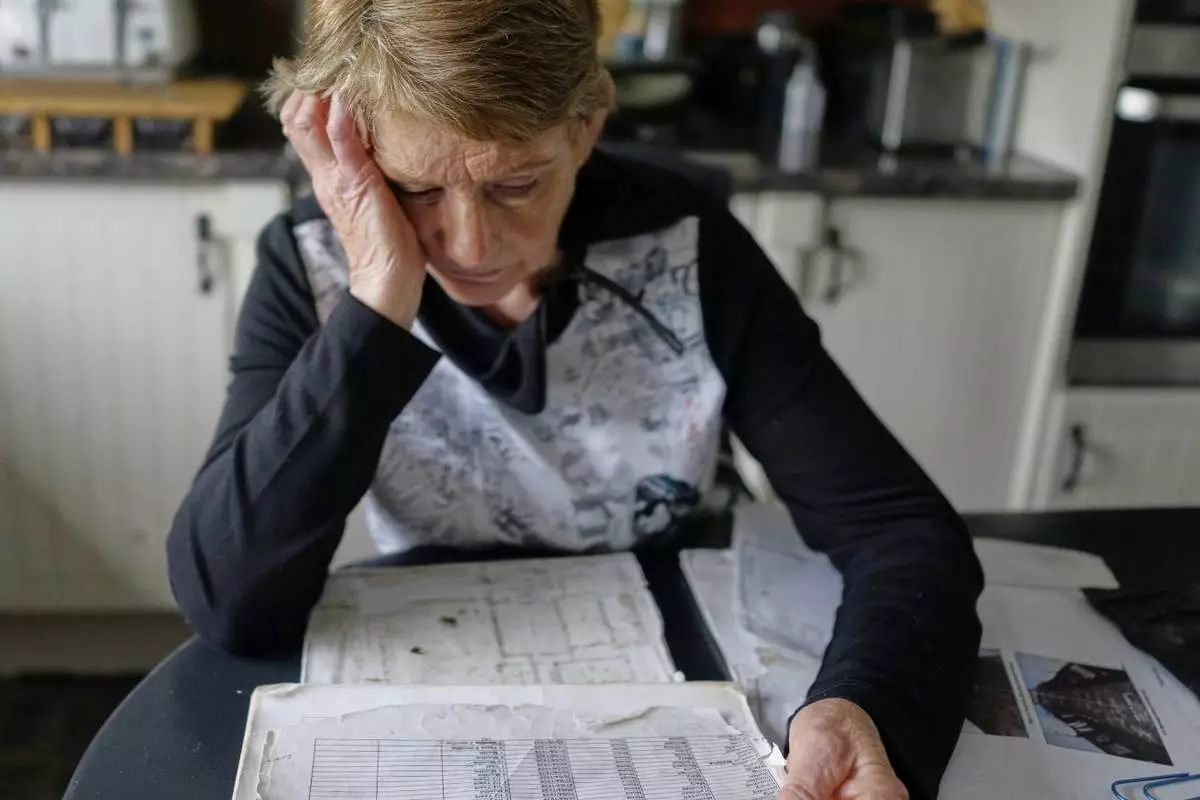
Catherine Corless, who revealed that remains of nearly 800 dead infants from a mother and baby home in Tuam, Ireland, were unaccounted for and likely buried in a mass grave, reviews her records at her home outside Tuam on Tuesday, July 8, 2025. (AP Photo/Brian Melley)
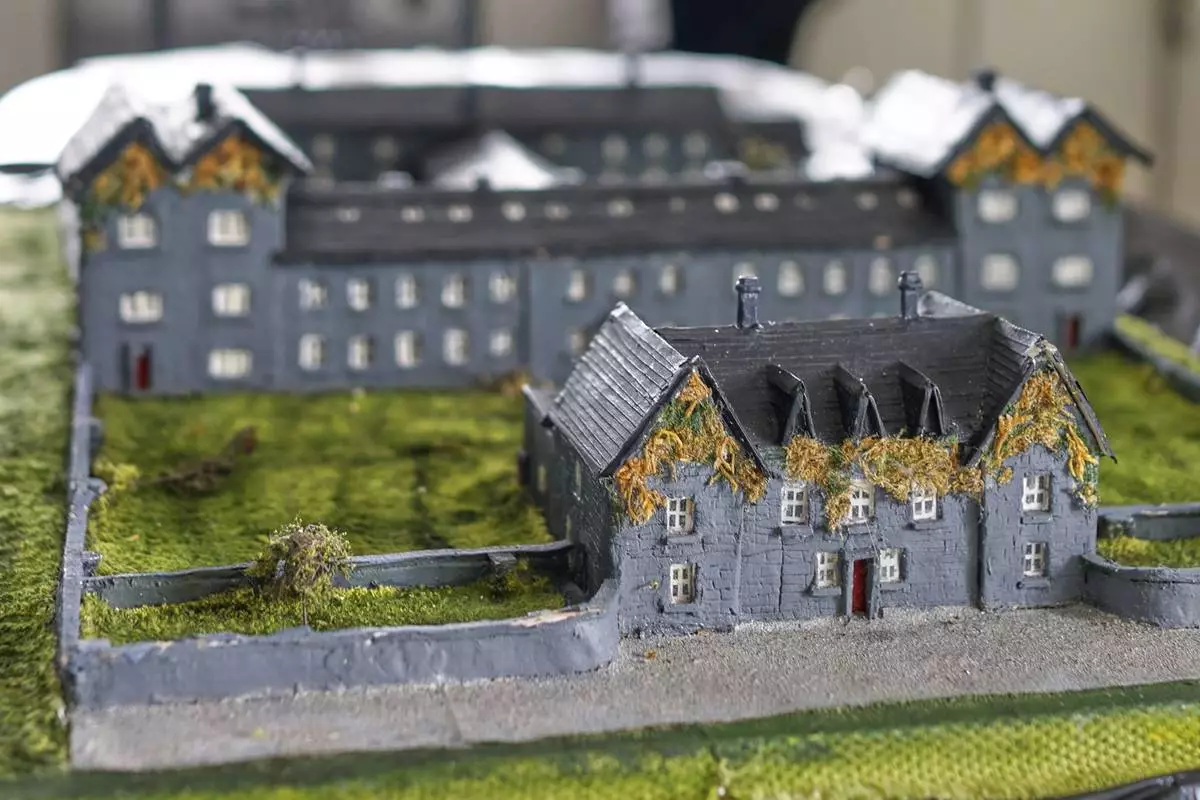
A replica built by Catherine Corless, who discovered that nearly 800 children died at a mother and baby home in Tuam, Ireland, is seen at her home near Tuam, Tuesday, July 8, 2025. (AP Photo/Brian Melley)

ANKARA, Turkey (AP) — Search teams on Wednesday recovered the cockpit voice and flight data recorders from the jet that crashed and killed Libya’s military chief and other senior officers, while efforts to retrieve the victims' remains were still underway, Turkey's interior minister said.
The private jet carrying Gen. Muhammad Ali Ahmad al-Haddad, four other officers and three crew members crashed in Turkey on Tuesday after taking off from the capital, Ankara, killing everyone on board. Libyan officials said the cause of the crash was a technical malfunction on the plane.
The high-level Libyan delegation was on its way back to Tripoli after holding defense talks in Ankara aimed at boosting military cooperation between the two countries.
Interior Minister Ali Yerlikaya told journalists at site of the crash that wreckage was scattered across an area covering three square kilometers (about 1.2 square miles), complicating recovery efforts. Authorities from the Turkish forensic medicine authority were working to recover and identify the remains, he said.
A 22-person delegation — including five family members — arrived from Libya early on Wednesday to assist in the investigation, he said.
Libyan Prime Minister Abdul-Hamid Dbeibah confirmed the deaths on Tuesday, describing the incident on Facebook as a “tragic accident” and a “great loss” for Libya.
Turkish President Recep Tayyip Erdogan held a telephone call with Dbeibah during which conveyed his condolences and expressed his sorrow over the deaths, his office said.
Al-Hadad was the top military commander in western Libya and played a crucial role in the ongoing, U.N.-brokered efforts to unify Libya’s military, which has split, much like Libya’s other institutions.
The four other officers who died in the crash were Gen. Al-Fitouri Ghraibil, the head of Libya’s ground forces, Brig. Gen. Mahmoud Al-Qatawi, who led the military manufacturing authority, Mohammed Al-Asawi Diab, advisor to the chief of staff, and Mohammed Omar Ahmed Mahjoub, a military photographer with the chief of staff’s office.
The identities of the three crew members were not immediately released.
Turkish officials said the Falcon 50 type business jet took off from Ankara’s Esenboga airport at 8:30 p.m. and that contact was lost some 40 minutes later. The plane notified air traffic control of an electrical fault and requested an emergency landing. The aircraft was redirected back to Esenboga, where preparations for its landing began.
The plane, however, disappeared from the radar while descending for the emergency landing, the Turkish presidential communications office said.
The Libyan government declared a three-day period of national mourning. Flags would be flown half-mast at all state institutions, according to the government’s announcement on Facebook.
The wreckage was found near the village of Kesikkavak, in Haymana, a district some 70 kilometers (about 45 miles) south of Ankara.
At the crash site, search and recovery teams intensified their operations on Wednesday after a night of heavy rain and fog, the state-run Anadolu Agency reported. Gendarmerie police sealed off the area while the Turkish disaster management agency, AFAD, set up a mobile coordination center. Specialized vehicles, such as tracked ambulances, were deployed because of the muddy terrain.
Turkey has assigned four prosecutors to lead the investigation and Yerlikaya said the Turkish search and recovery teams numbered 408 personnel.
While in Ankara, al-Haddad had met with Turkish Defense Minister Yasar Guler and other officials.
Libya plunged into chaos after the country’s 2011 uprising toppled and killed longtime dictator Moammar Gadhafi. The country split, with rival administrations in the east and west, backed by an array of rogue militias and foreign governments.
Turkey has been allied with Libya’s government in the west, but has recently taken steps to improve ties with the eastern-based government as well.
Tuesday’s visit by the Libyan delegation came a day after Turkey’s parliament approved to extend the mandate of Turkish troops serving in Libya for two years. Turkey deployed troops following a 2019 security and military cooperation agreement that was reached between Ankara and the Tripoli-based government.
Abuelgasim reported from Cairo. Fatma Khaled in Cairo contributed.
Turkish rescue teams search for the remains of a private jet carrying Libya's military chief and four others that crashed after taking off from Ankara, killing everyone on board, in Ankara, Turkey, Tuesday, Dec. 23, 2025. (AP Photo/Efekan Akyuz)
Turkish soldiers and rescue teams search for the remains of a private jet carrying Libya's military chief and four others that crashed after taking off from Ankara, killing everyone on board, in Ankara, Turkey, Tuesday, Dec. 23, 2025. (AP Photo/Efekan Akyuz)
FILE - Libya's army chief of staff Gen. Muhammad Ali Ahmad al-Haddad poses for a photo in Tripoli, Libya, Oct. 3, 2022. (AP Photo/Yousef Murad, File)