The U.S. decision to impose 30 percent tariffs on imports from Algeria has triggered mixed reactions from the business community in the North African nation.
Responding to the U.S. tariff policy, Algerian President Abdelmadjid Tebboune said earlier this month that the move will not impact or undermine Algeria's economic growth.
While the government appears unfazed, certain business sectors have voiced concerns about practical implications.
"The Algerian industries, especially some home appliances that have cautiously started targeting the U.S. market, will, in my view, be affected by the tariffs because they will not withstand the competition," said Najlaa Mohammedi, sales officer of Al Salam Import and Export Company.
"Although this decision may appear to be purely economic, I believe it is not. Why? Because, in my view, the United States is not a political and civil state in the traditional sense, but rather a conglomerate of economic corporations. Therefore, the decision is an unjust one, targeting Algeria with the aim of undermining the economic growth of the countries concerned. Algeria will undoubtedly face the difficult consequences of this decision, but I believe it will only strengthen its resolve to pursue its economic path toward achieving self-sufficiency," said economic analyst Mohamed Tayebi.
Others maintain a hopeful outlook, backing the president's assessment.
"Mr. President, when he was asked about the imposition of these tariffs, he said that the United States of America is a sovereign country, and so is Algeria. We take our own decisions. So, I want to make it clear that Algeria is also going to impose 59 percent tariffs [on the United States]," said Tafrij Mustafa, an export and import specialist in food sector.
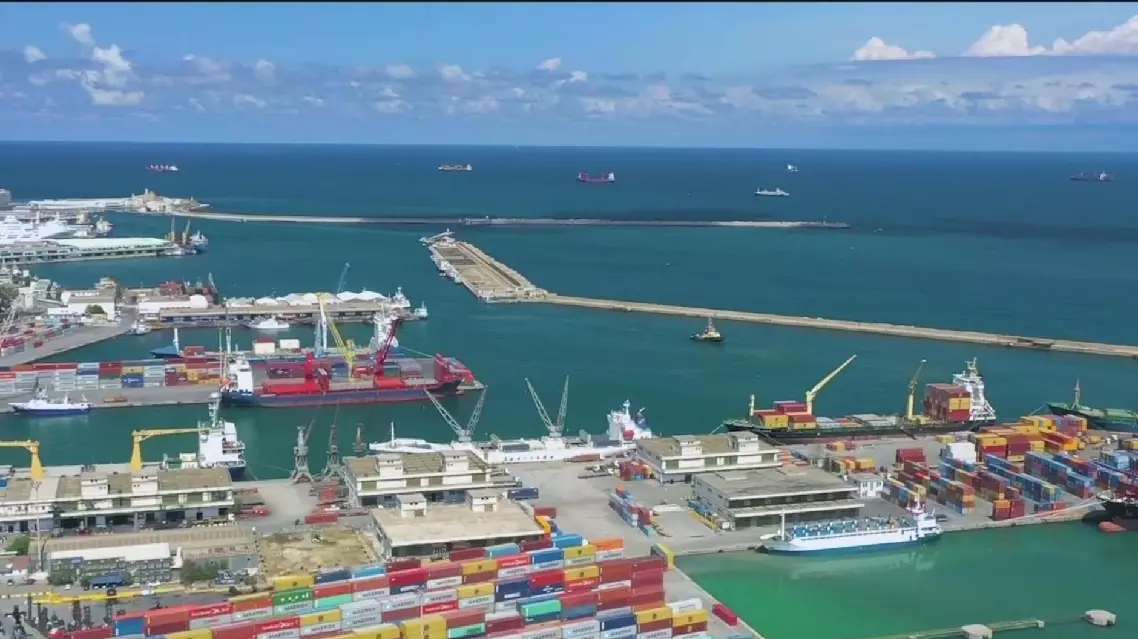
Mixed reactions from Algerians over US tariff policy
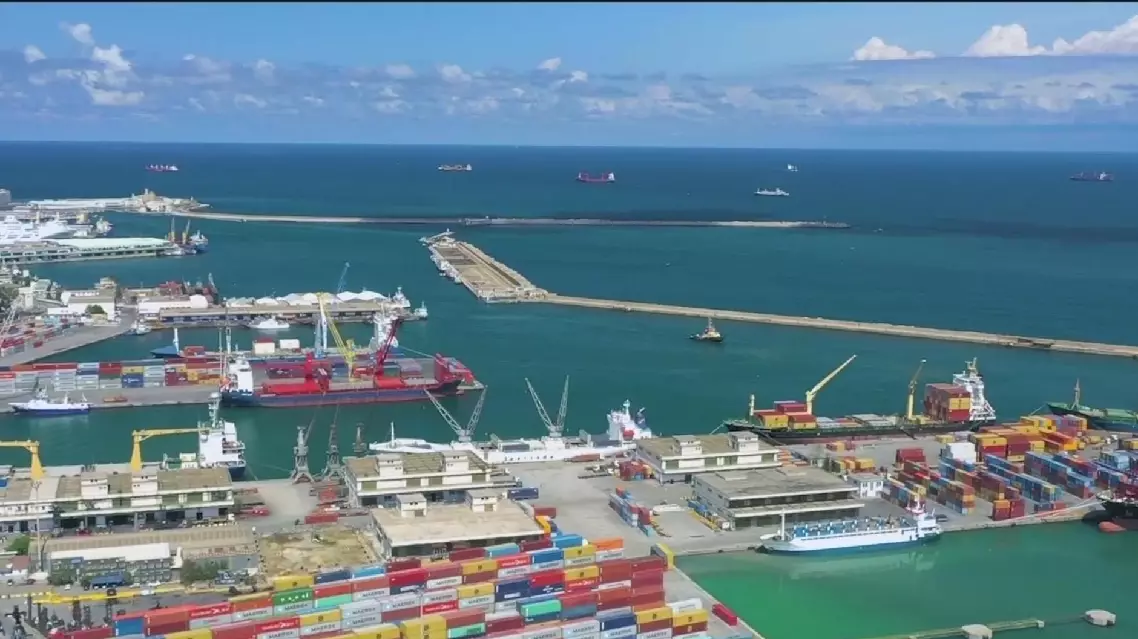
Mixed reactions from Algerians over US tariff policy