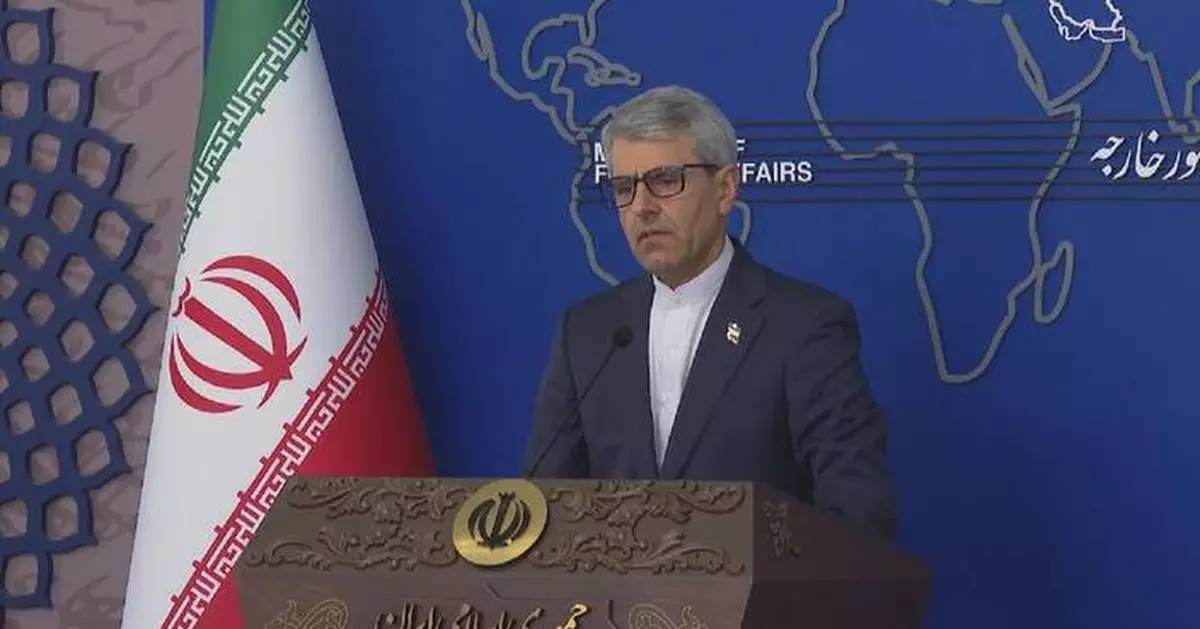
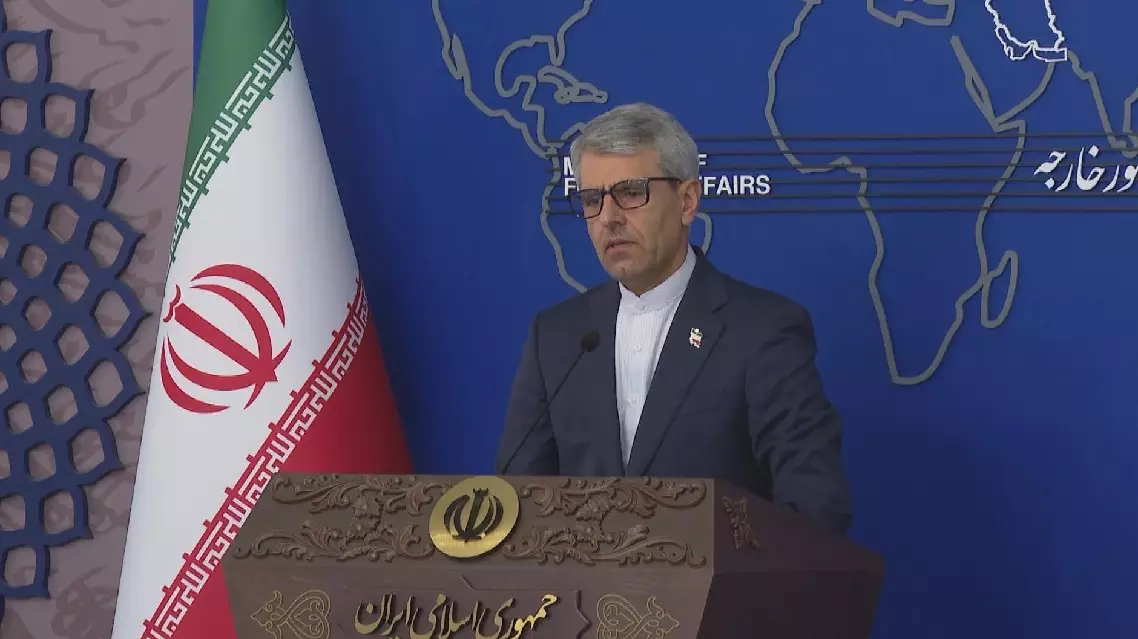
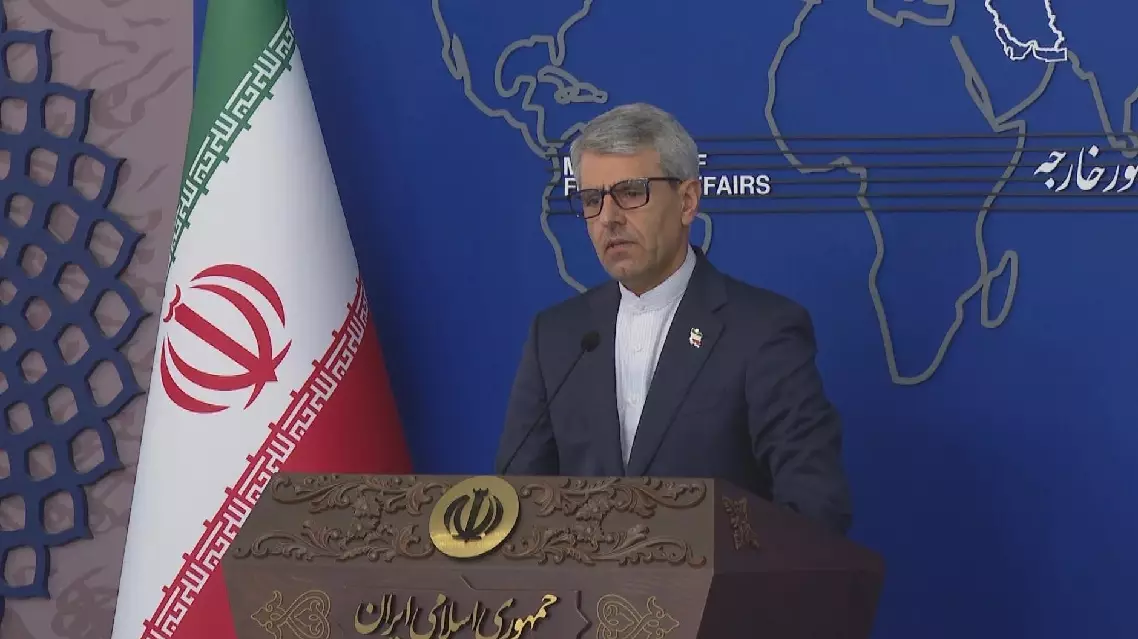
Officials from the International Atomic Energy Agency (IAEA) will visit Iran within the next 10 days and both sides will conduct negotiations over their future cooperation framework, said Iranian Foreign Ministry spokesman Esmaeil Baghaei at a press conference on Monday.
Baghaei said Iran has suspended its cooperation with the UN nuclear watchdog and no IAEA inspectors are currently operating in the country.
Click to Gallery
IAEA officials to visit Iran in 10 days: Iranian spokesman
IAEA officials to visit Iran in 10 days: Iranian spokesman
IAEA officials to visit Iran in 10 days: Iranian spokesman
IAEA officials to visit Iran in 10 days: Iranian spokesman
IAEA officials to visit Iran in 10 days: Iranian spokesman
Addressing on Iran's current relationship with the IAEA, Baghaei said that as long as Iran remains a signatory to the Nuclear Non-Proliferation Treaty (NPT), it will continue to fulfill its obligations.
The NPT, signed in 1968 and effective since March 5, 1970, is the only treaty that contains legally binding commitments to pursuing nuclear disarmament. A total of 191 states have joined the treaty, including the five nuclear-weapon states (the United States, Russia, Britain, France, and China), making the NPT the most widely adhered to multilateral disarmament agreement.
"For the first time under the IAEA's supervision, the non-proliferation facilities of an NPT member state have been attacked illegally by two nuclear-armed regimes. Regrettably, the agency failed to maintain neutrality and did not fulfill its duty to condemn the attacks. We are in a special situation now and are awaiting the upcoming meeting," said Baghaei.
Israel launched major airstrikes on several areas in Iran on June 13, including nuclear and military sites, followed by U.S. airstrikes on three Iranian nuclear sites on June 22. After 12 days of fighting, a ceasefire between Iran and Israel was reached on June 24.
On July 30, The U.S. Department of the Treasury's Office of Foreign Assets Control (OFAC) announced massive sanctions against some individuals, entities and vessels allegedly linked to an Iranian oil-shipping network. It is the largest Iran-related sanctions package since 2018.
In respond to the new round of sweeping U.S. sanctions, Baghaei said the U.S. actions violated international laws, adding that over decades, Iran has learned how to resist the unilateral act of the U.S. and defend itself.
Speaking on whether Iran and the U.S. will have negotiations, Baghaei said any future talks will differ from that held before the Israel-Iran conflict in June, and the conditions of negotiation have changed significantly.
In any possible negotiation with the U.S., Iran would insist on holding the U.S. accountable and seeking compensation as part of any future negotiation agenda, he said.
IAEA officials to visit Iran in 10 days: Iranian spokesman
IAEA officials to visit Iran in 10 days: Iranian spokesman
IAEA officials to visit Iran in 10 days: Iranian spokesman
IAEA officials to visit Iran in 10 days: Iranian spokesman
IAEA officials to visit Iran in 10 days: Iranian spokesman