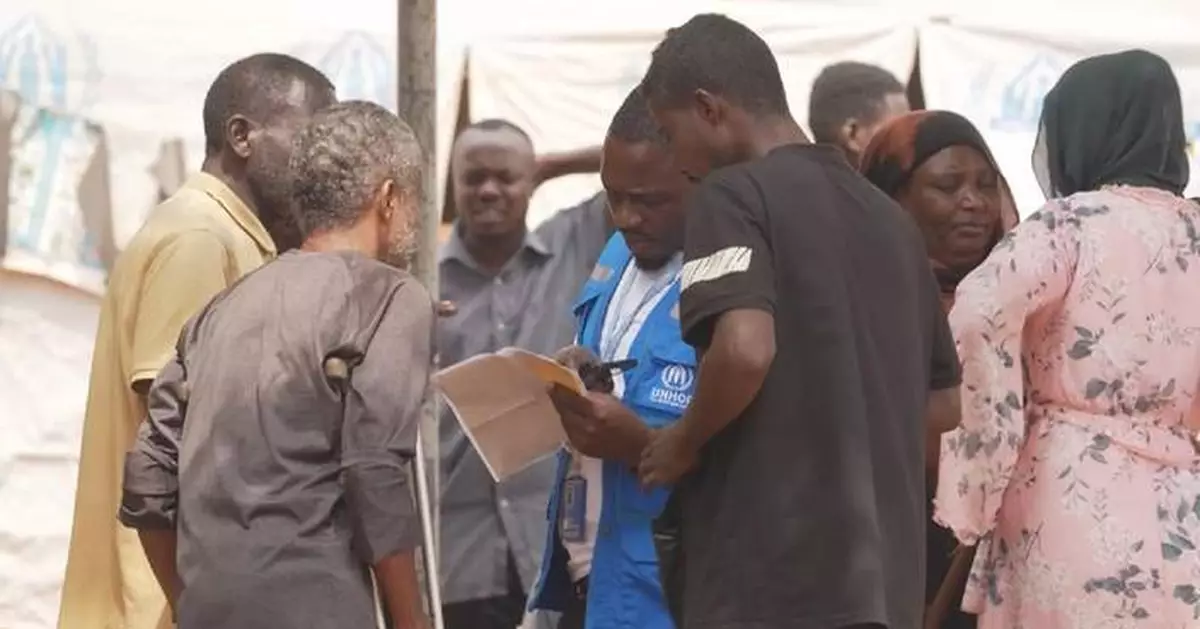
Uganda is running out of funds to support its efforts in hosting a rising number of refugees, according to the UN Refugee Agency (UNHCR) on Monday.
The east African country is already home to 1.93 million refugees due to escalating crises in Sudan, South Sudan and the Democratic Republic of the Congo, with over half of them under the age of 18.
Uganda's progressive refugee policy allows refugees to live, work and access public services, but funding shortfalls are drastically impacting aid delivery and threaten to undo years of progress, said Farhan Haq, deputy spokesperson for the UN secretary-general.
In 2025, the average cost of aid per refugee is about 16 U.S. dollars a week. However, with current resources, only five dollars can be spared for each person.
Food, water and medicine supplies have drastically reduced, dangerously soaring malnutrition, particularly among children under five years old. Meanwhile, sexual violence and risk of suicide among refugee youth have been increasing as well.
Currently, Uganda's refugee response is only 25 percent funded, and the UNHCR is calling for more urgent and sustained international support and solidarity to ensure refugees and their local communities can live safe and more dignified lives, said the spokesperson.
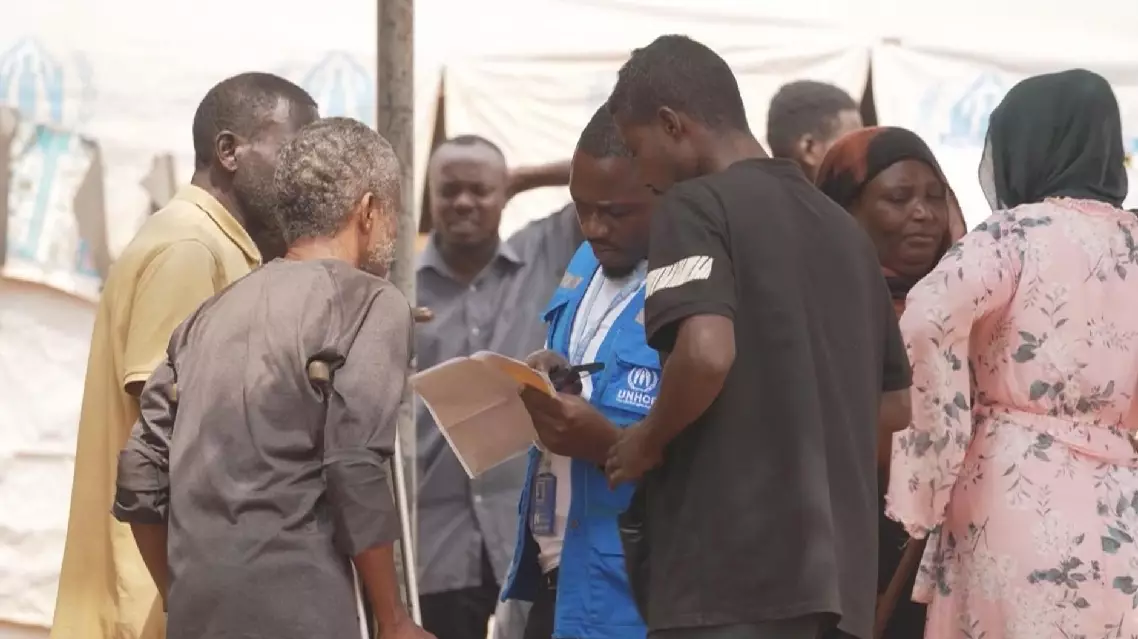
Uganda faces severe funding shortfalls in hosting refugees: UNHCR
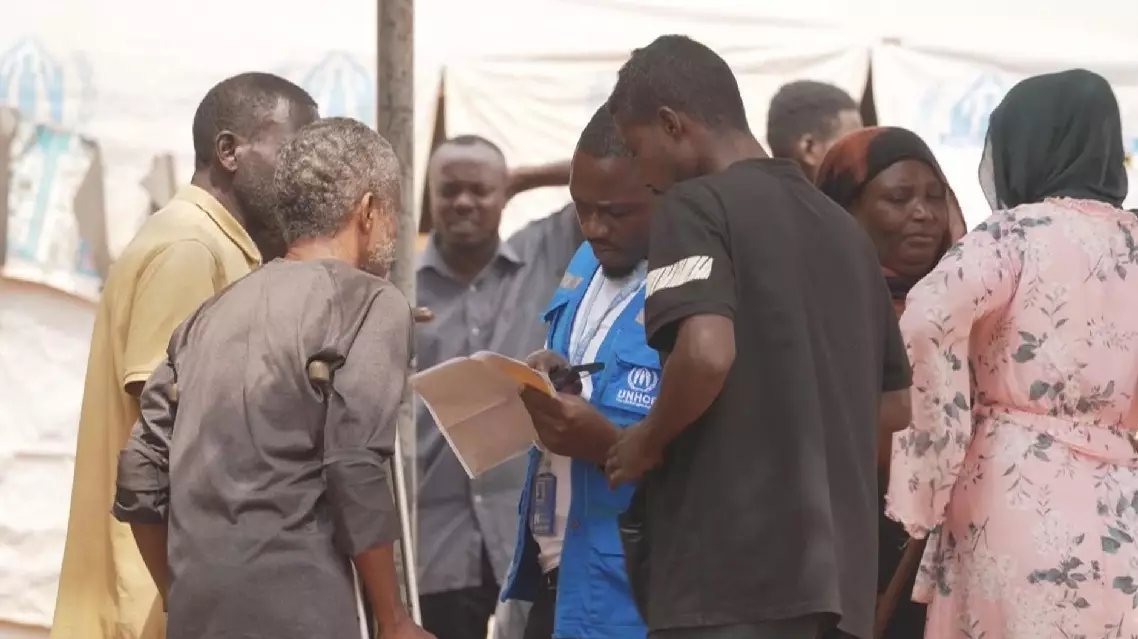
Uganda faces severe funding shortfalls in hosting refugees: UNHCR
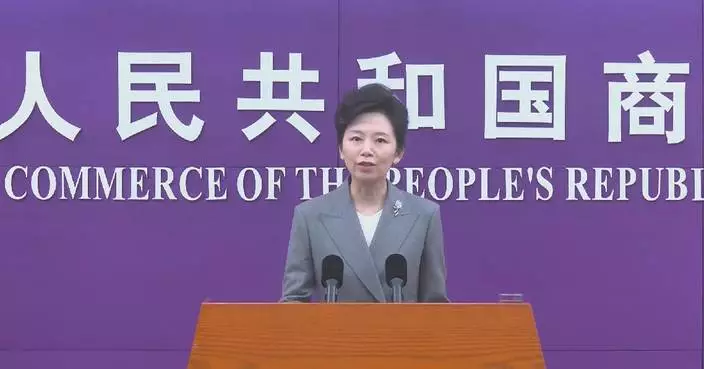
The "soft landing" of the China-EU electric vehicle case will greatly boost market confidence and inject new momentum into China-EU cooperation in automobile trade and investment, a spokeswoman of the Ministry of Commerce (MOC) said at a press briefing in Beijing on Thursday.
He Yongqian, the spokeswoman, made the remarks after China and the European Union (EU) agreed on the necessity of providing general guidance on price undertakings for Chinese companies exporting battery electric vehicle (BEV) passenger cars to the EU.
"China and the EU simultaneously announced on Monday that they had achieved positive outcomes following multiple rounds of consultations on the EV case, a development that has drawn wide attention at home and abroad. Industry players from both sides have 'highly welcomed and fully endorsed' the outcome, saying the 'soft landing' of the case is expected to greatly boost market confidence and inject new momentum into China-EU cooperation in automobile trade and investment. Some EU politicians have described it as a positive step toward building a sustainable China-EU trade relationship, and said it demonstrated that resolving trade differences through partnership remains feasible," she said.
"Against the current international backdrop, China and the EU, acting in a spirit of mutual respect and within the framework of WTO rules, have properly addressed the EV case, which is of significant positive importance. The outcome will not only contribute to the sound development of China-EU economic and trade ties and help safeguard the stability of the global automotive industrial and supply chains, but will also send a clear and strong signal that both sides are willing to uphold a rules-based international trading order, setting a good example for countries to resolve differences through dialogue and consultation and injecting greater certainty and positive energy into global economic growth," she said.
"China appreciates the spirit of dialogue showed by the EU side and stands ready to work with the EU, building on the current positive outcomes, to further implement the consensus reached by the leaders of the two sides, maintain dialogue and communication, and support stable industrial and supply chains on both sides, continue to deepen cooperation on the basis of market principles, and make active contributions to the global green transition," she added.
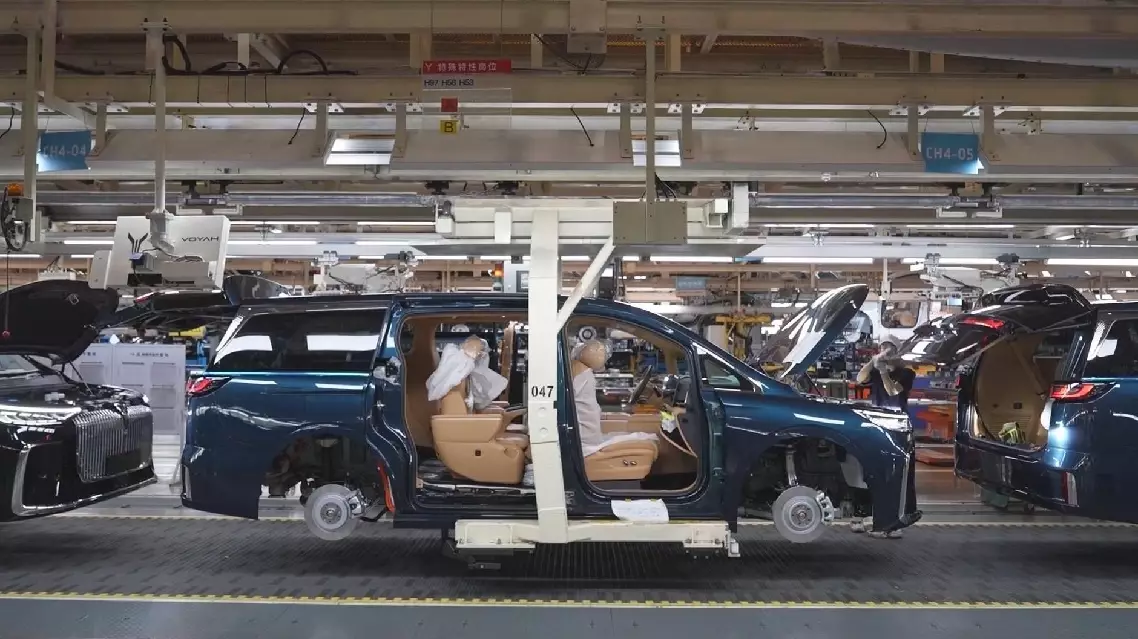
"Soft landing" of China-EU EV case to significantly boost market confidence: MOC spokeswoman
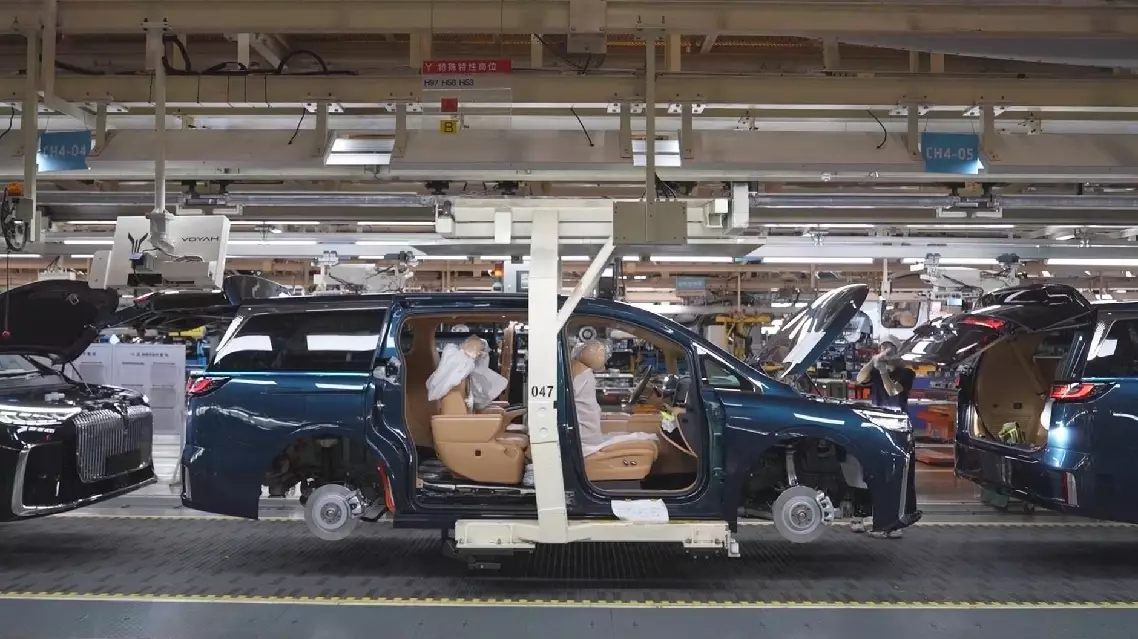
"Soft landing" of China-EU EV case to significantly boost market confidence: MOC spokeswoman