The notorious Japanese germ-warfare Unit 731 was responsible for some of the worst atrocities committed during World War II, as shown by a museum on the evidences of the unit's crime in Harbin City, northeast China's Heilongjiang Province.
The September 18 Incident of 1931, staged by the Japanese Imperial Army to justify its invasion of China, sent shockwaves around the world.
Eleven months later, in August 1932, Surgeon General Shiro Ishii arrived in Northeast China. There he established Unit 731 of the Japanese Imperial Army.
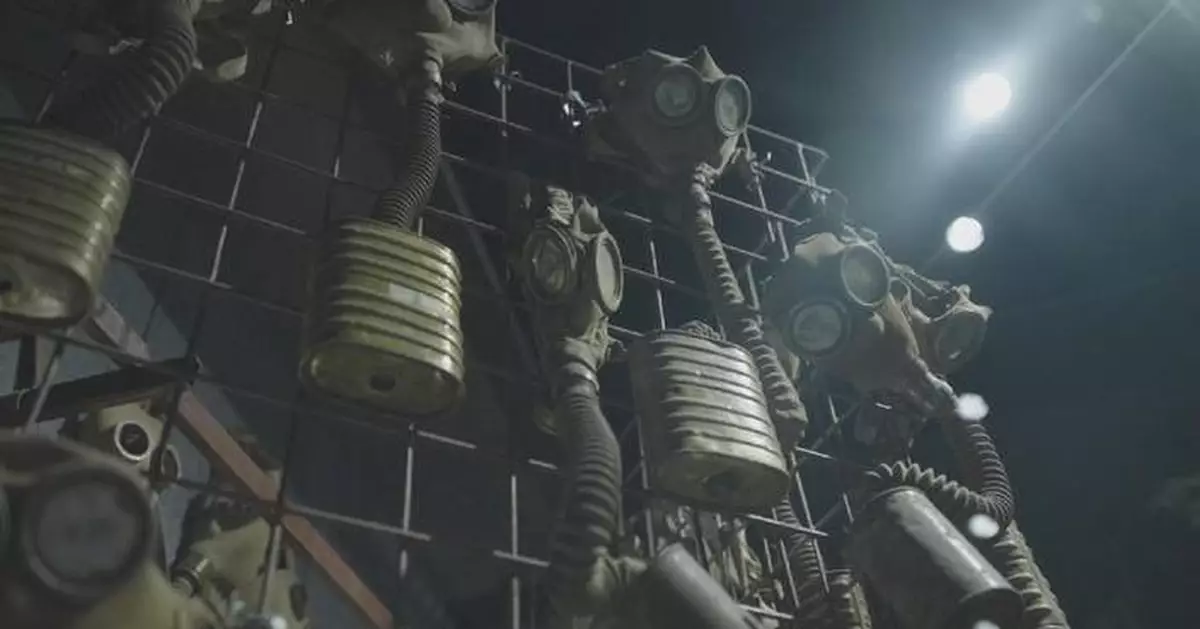
The Exhibition Hall of Evidences of Crime Committed by Unit 731 of the Japanese Imperial Army recorded Unit 731's atrocities, which were crimes against humanity and an outrage that trampled on human conscience.
"This is such an extremely powerful museum, just in the whole architecture and what's inside, the exhibits, very, very powerful," said China Global Television Network (CGTN) Host Mike Walter during a trip to the museum.
The museum, which covers just under 10,000 square meters, houses some 100,000 pieces of incriminating evidence and historical records.
Designed in the form of a black box, it documents the horrific atrocities committed by Unit 731. It's a place where visitors can learn about one of the darkest chapters in human history.
Inside the museum, the phrase "Inhuman Atrocities" is displayed in six languages.
"What a tragic story it is. Many people in the West don't even know this," said Walter.
Operating under the guise of epidemic prevention and water purification work, Unit 731 developed and produced biological weapons, using people from China, Korea, the Soviet Union and elsewhere for human experiments.
"It was ghastly what happened here. These weigh so little, but the weight of the souls who lost their lives here just weighs on you. And we must remember this piece of history. Otherwise, we are doomed to repeat it," said Walter.
The Unit 731 was a top-secret biological and chemical warfare research base established in Harbin as the nerve center for Japanese biological warfare in China and Southeast Asia during WWII.
At least 3,000 people were used for human experiments by Unit 731, and more than 300,000 people in China were killed by Japan's biological weapons.
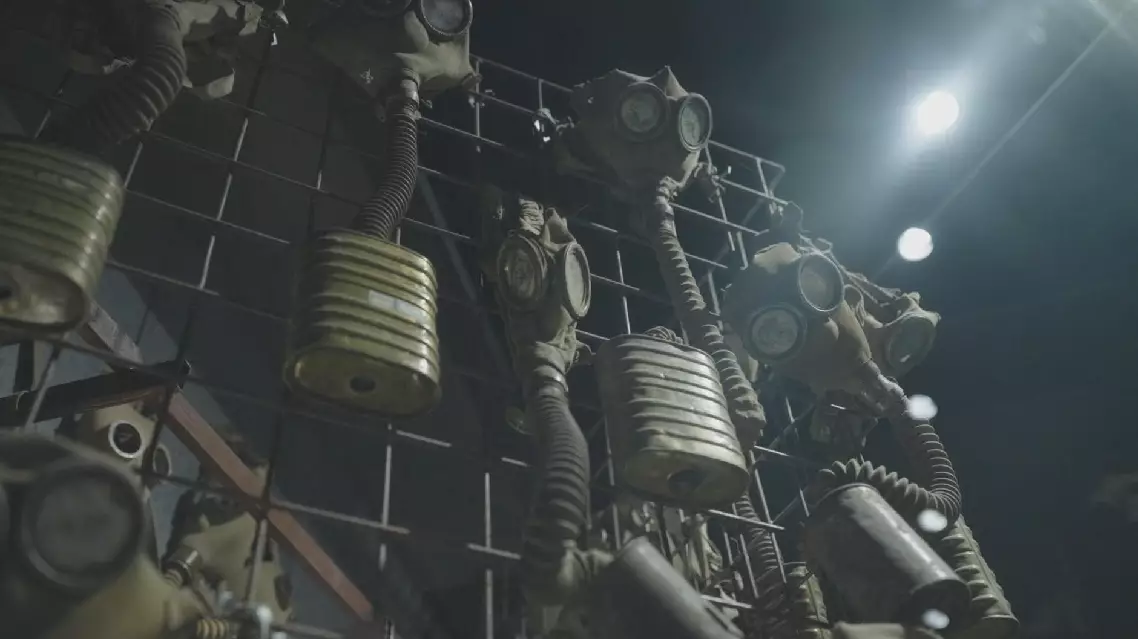
Evidences of Unit 731's inhuman atrocities on display at museum in northeast China's Harbin