FAIRBANKS, Alaska (AP) — President Donald Trump's administration and its allies have pushed aggressively for drilling, mining and logging in Alaska.
This has intensified long-standing debate over extraction projects in the nation’s largest state, particularly within Alaska Native communities.
Click to Gallery
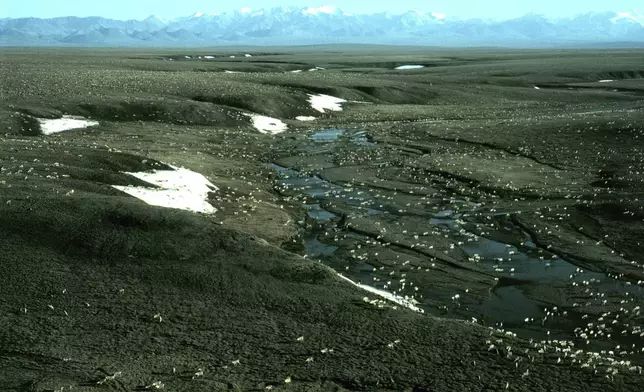
FILE - This photo provided by the U.S. Fish and Wildlife Service shows the Porcupine caribou herd in the 1002 area of the Arctic National Wildlife Refuge coastal plain, with the Brooks Range mountains in the distance to the south, in 2008. (U.S. Fish and Wildlife Service via AP, File)
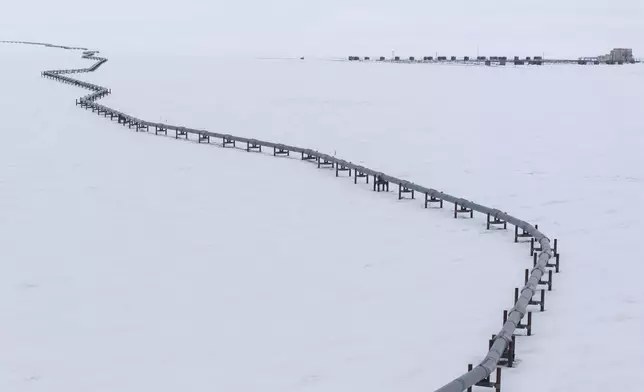
FILE - The Trans-Alaska Pipeline at Pump Station 1 near Deadhorse, Alaska, on the state's North Slope, on Monday, June 2, 2025. (AP Photo/Jenny Kane, File)
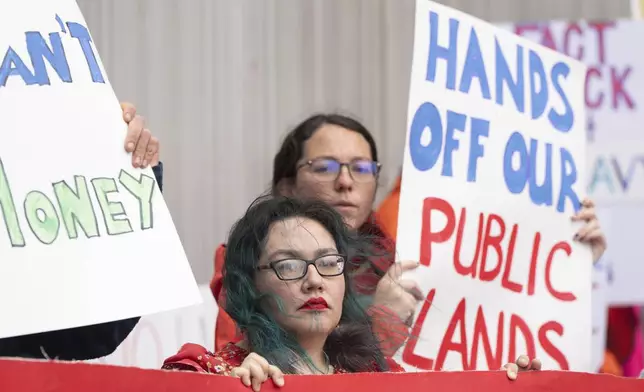
FILE - Demonstrators hold signs during a protest outside the annual Alaska Sustainable Energy Conference on Tuesday, June 3, 2025, in Anchorage, Alaska. (AP Photo/Jenny Kane, File)
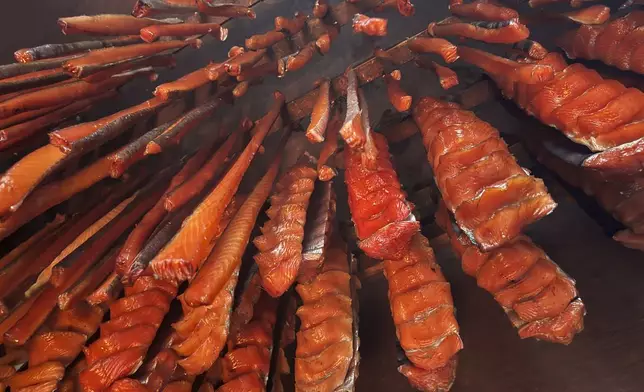
Salmon strips hang inside Gloria Simeon's smokehouse in Bethel, Alaska, on June 18, 2025. (AP Photo/Mark Thiessen)
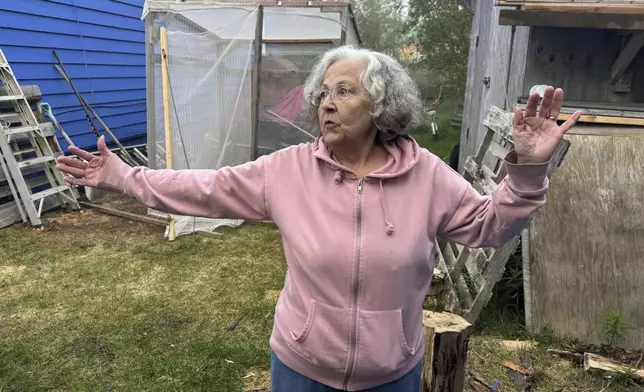
Gloria Simeon, co-founder of the Mother Kuskokwim Tribal Coalition, speaks during an interview outside her smokehouse in Bethel, Alaska, on June 18, 2025. (AP Photo/Mark Thiessen)
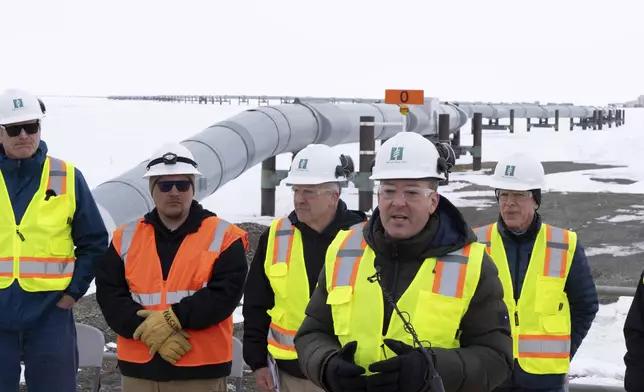
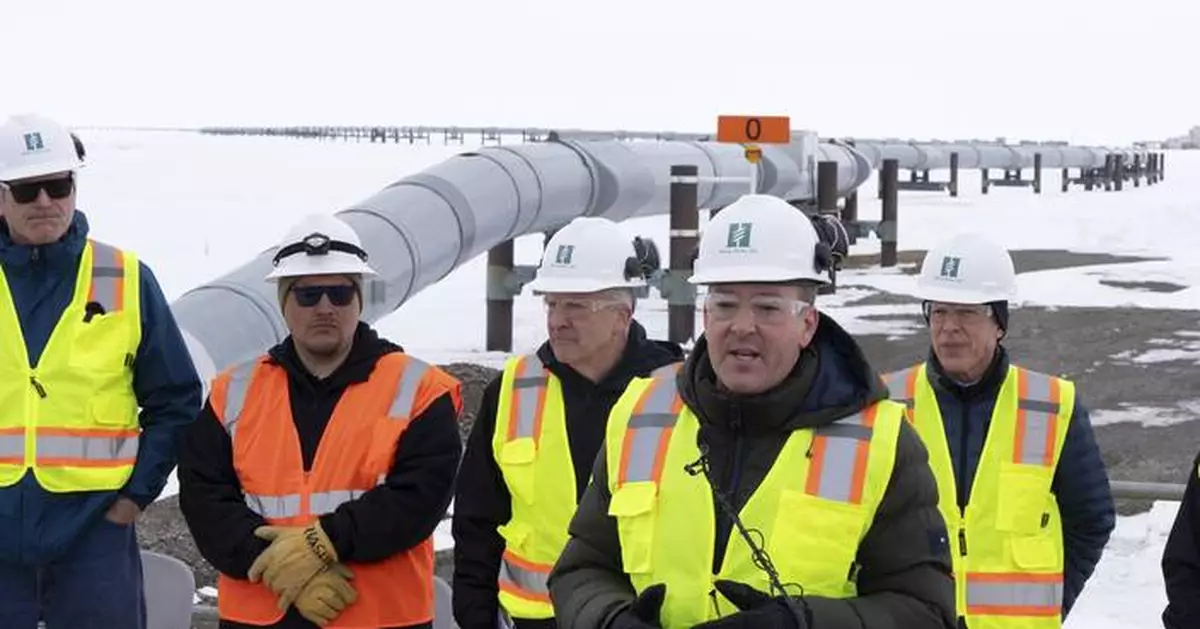
FILE - With the Trans-Alaska Pipeline in the background, EPA Administrator Lee Zeldin speaks during a news conference at the Pump Station 1 on Monday, June 2, 2025, located near Deadhorse, Alaska, on the state's North Slope. (AP Photo/Jenny Kane, File)
Some view such projects as key to jobs and economic development. Others see them posing environmental risks as they’ve already faced severe fishing restrictions on the state’s longest rivers due to a collapse in the salmon population.
Scientists are unsure of the causes of the salmon collapse — which possibly include warming waters and commercial fishing — but opponents of extraction say its possible impacts could be similar in terms of endangering subsistence traditions and food sources. They say this risks, in turn, damaging their sacred connections to the land and to cultural traditions tied to fishing and hunting.
Trump signed an executive order on his first day in office in January seeking to “maximize the development and production of the natural resources” in the state.
Congress, in its recent budget bill, authorized an unprecedented four new sales of oil and gas leases in the coastal plain of the Arctic National Wildlife Refuge in northeast Alaska. It also authorized more sales in the National Petroleum Reserve-Alaska in the northern part of the state.
Extraction proposals take years to become reality, if ever. Previous lease sales have generated limited interest, and the extent of oil reserves in the Arctic refuge remains uncertain.
Members of Trump’s Cabinet visited Alaska in June. They called for doubling the amount of oil coursing through its vast pipeline system and building a massive natural gas pipeline as its “big, beautiful twin.”
The administration is also boosting the proposed Ambler Mining District Industrial Access Project, which would include construction of a 200-mile road in wilderness areas and open the way for more mines.
Private corporations are pursuing projects, some in collaboration with Alaska Native corporations — which sometimes are in conflict with their Indigenous shareholders — and landowners. One is an oil exploration project in the Yukon Flats. Another is a proposed major gold mine in southwestern Alaska, which would require a massive dam to contain millions of tons of chemical and mineral waste. Project proponents say the dam will be safely built, incorporating the surrounding geology and state-of-the-art design.
Trump’s policy shifts came even as he removed one of the most prominent Alaska Native names from the official map. He returned the federal name of “Mount McKinley” to the largest mountain in Alaska and North America. For all their disputes over extraction, Native and Alaska political leaders were largely united in wanting to keep its traditional Athabascan name of Denali, which translates to “the high one.”
They say the projects can be done safely and bring much-needed jobs and economic development. They say this enables Native communities to fund services while retaining their subsistence hunting, fishing and other cultural traditions.
“We find that balance,” said PJ Simon, first chief of the Allakaket Tribal Council. “We don’t want handouts by the federal government. We want to stand on our own two feet.”
Regional and local Native-run corporations, with the mandate of pursuing economic development for the benefit of Native shareholders, are actively involved in extraction proposals. In some cases, they own land and mineral rights in areas eyed for drilling or mining.
They fear large-scale drilling and mining will overwhelm their ancient subsistence traditions. They say any short-term profits will precede a long-term legacy of environmental impacts to rivers, tundra and hunting grounds.
“Our people have been stewards of this land for millennia, and we’ve taken that relationship seriously because we have to sustain our resources,” said Gloria Simeon of Bethel, a small regional hub in southwestern Alaska, and a member of the environmental advocacy group Mother Kuskokwim Tribal Coalition.
Already, tribes are struggling with severe fishing restrictions on their longest rivers, the Yukon and Kuskokwim, because of a collapse in salmon populations, which they have relied on for generations.
The salmon collapse has been blamed on such factors as commercial overfishing and climate change. But many fear that extractive industries will create similar and permanent damage to caribou, salmon and other traditional food sources.
“We’re already dealing with salmon problems,” said Chief Brian Ridley of the Tanana Chiefs Conference, a Fairbanks-based coalition of Athabascan tribes across Interior Alaska that oppose proposed drilling projects and the Ambler road project. “The concern is if we start going down this path anywhere along the Yukon or any of the rivers and there’s a spill, would that completely eliminate all the salmon stocks?”
He said it’s not just theoretical. A mine disaster in Canada last year caused a massive release of cyanide-laced debris, which caused fears that contamination might spread.
Such a mining accident in the Yukon watershed could “really take all the gains that we’ve gotten of trying to get the fish stocks back and really put us back to zero,” Ridley said.
Alaska Native people have relied for generations on hunting and fishing to survive the brutal winters — and in modern times, as a healthier alternative to expensive groceries.
Fish camps and caribou hunts are closely interwoven with cultural traditions, where elders transmit skills and stories to younger generations.
“Protecting the river and the land and the Earth is part of the partnership and the relationship that we have as caregivers,” said Simeon.
Alaska Natives consist of diverse cultural and language groups in the state, among them the Aleut, Athabascan, Iñupiat, Tlingit and Yup’ik.
They widely share a history in the region dating back thousands of years. They also share cultural and spiritual traditions, including those closely associated with subsistence hunting, and a belief in a sacred connection to the land, water and wildlife. Specific practices vary, and many follow both traditional and Christian practices.
More than 1 in 5 Alaskans identify as Alaska Native or American Indian alone or in combination with another racial group, the highest ratio of any state, according to 2020 U.S. Census figures.
The 1971 Alaska Claims Settlement Act, which resolved long-standing land claims with the federal government, resulted in establishment of regional and local for-profit corporations run by Native leaders for the benefit of Native shareholders.
In some cases, such corporations are involved in extraction projects that tribal coalitions from the same area oppose.
Associated Press journalists Becky Bohrer in Juneau, Alaska, and Mark Thiessen in Anchorage, Alaska, contributed to this report.
Associated Press religion coverage receives support through the AP’s collaboration with The Conversation US, with funding from Lilly Endowment Inc. The AP is solely responsible for this content.
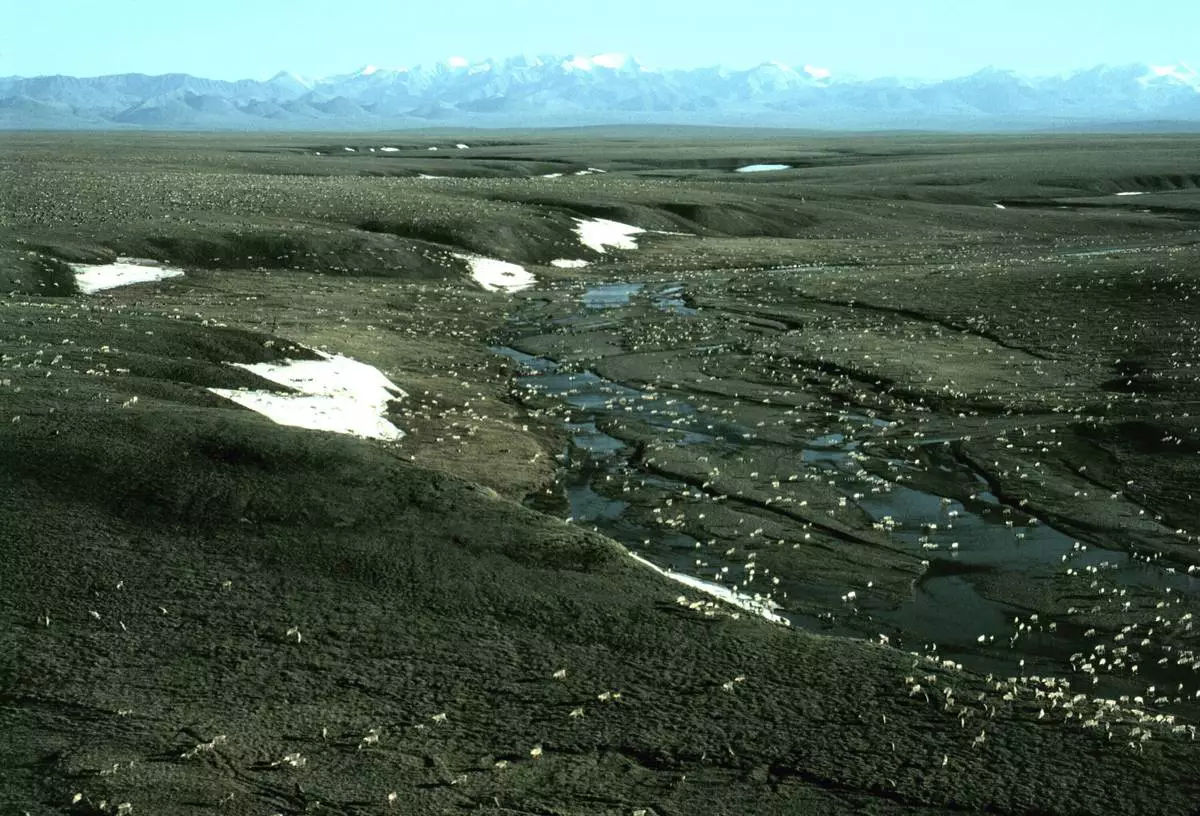
FILE - This photo provided by the U.S. Fish and Wildlife Service shows the Porcupine caribou herd in the 1002 area of the Arctic National Wildlife Refuge coastal plain, with the Brooks Range mountains in the distance to the south, in 2008. (U.S. Fish and Wildlife Service via AP, File)
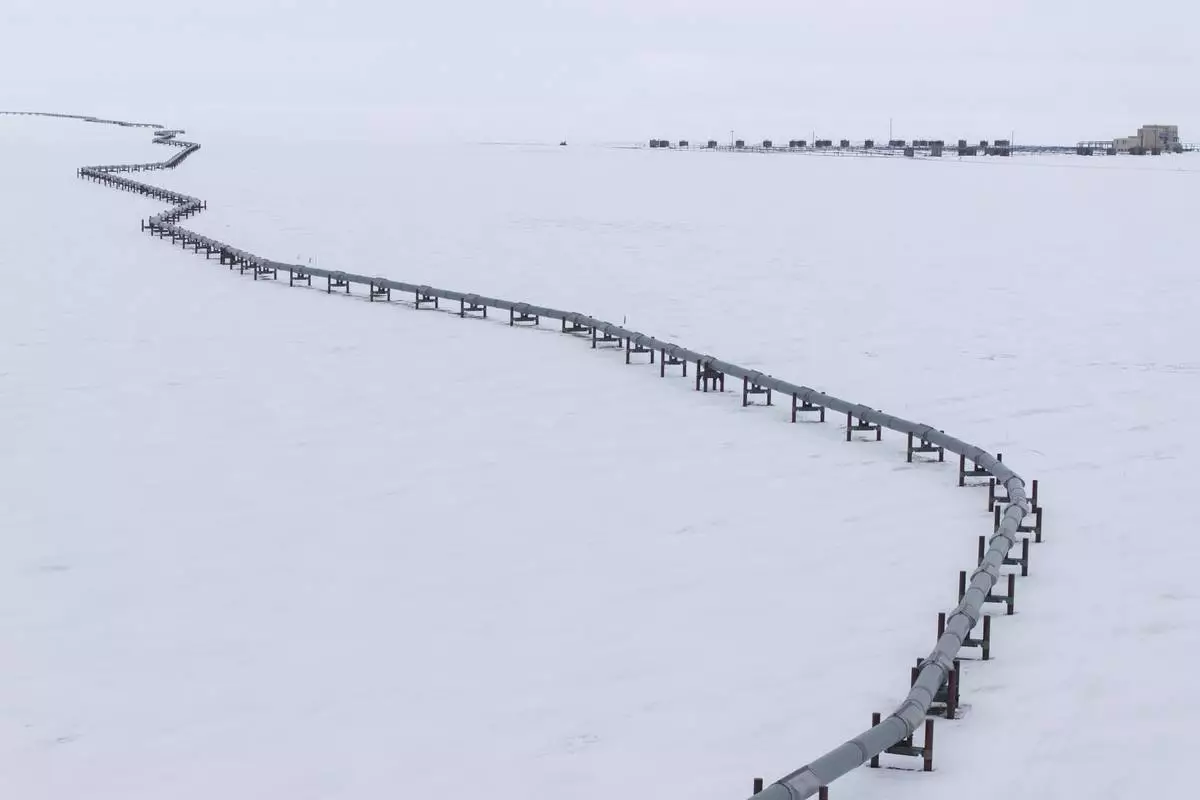
FILE - The Trans-Alaska Pipeline at Pump Station 1 near Deadhorse, Alaska, on the state's North Slope, on Monday, June 2, 2025. (AP Photo/Jenny Kane, File)
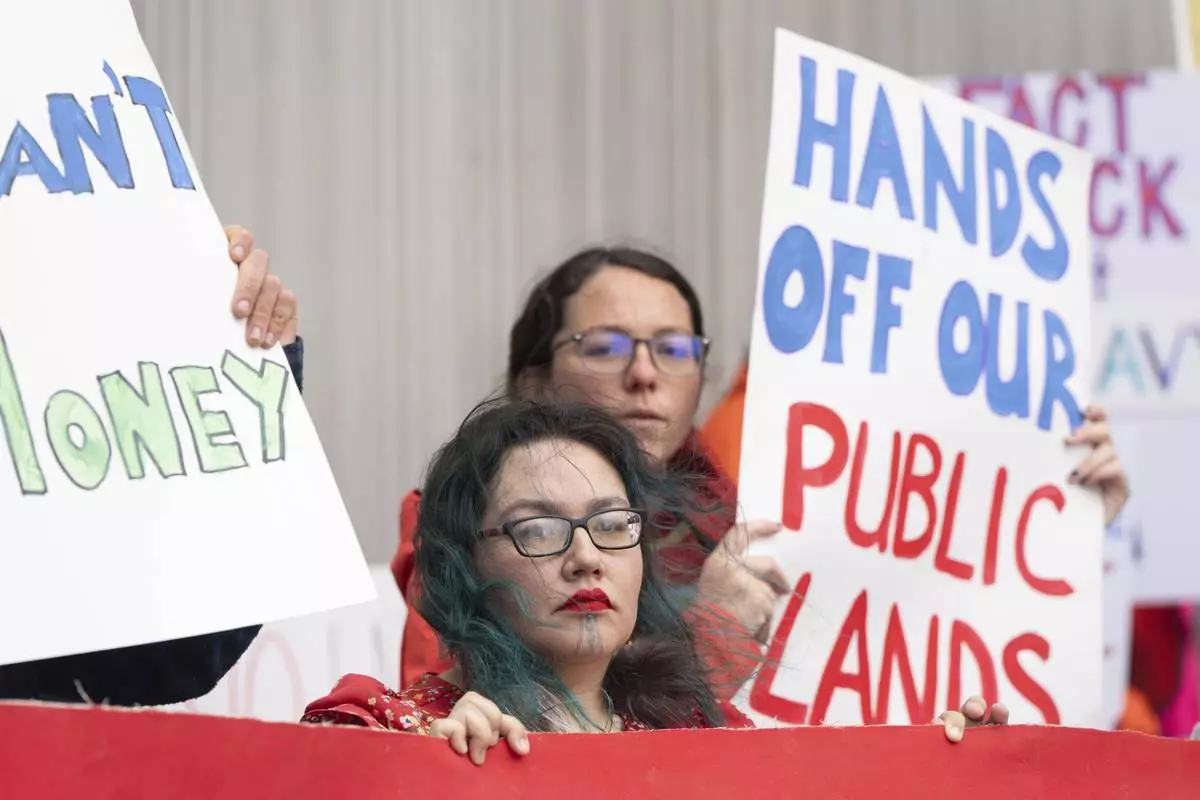
FILE - Demonstrators hold signs during a protest outside the annual Alaska Sustainable Energy Conference on Tuesday, June 3, 2025, in Anchorage, Alaska. (AP Photo/Jenny Kane, File)

Salmon strips hang inside Gloria Simeon's smokehouse in Bethel, Alaska, on June 18, 2025. (AP Photo/Mark Thiessen)
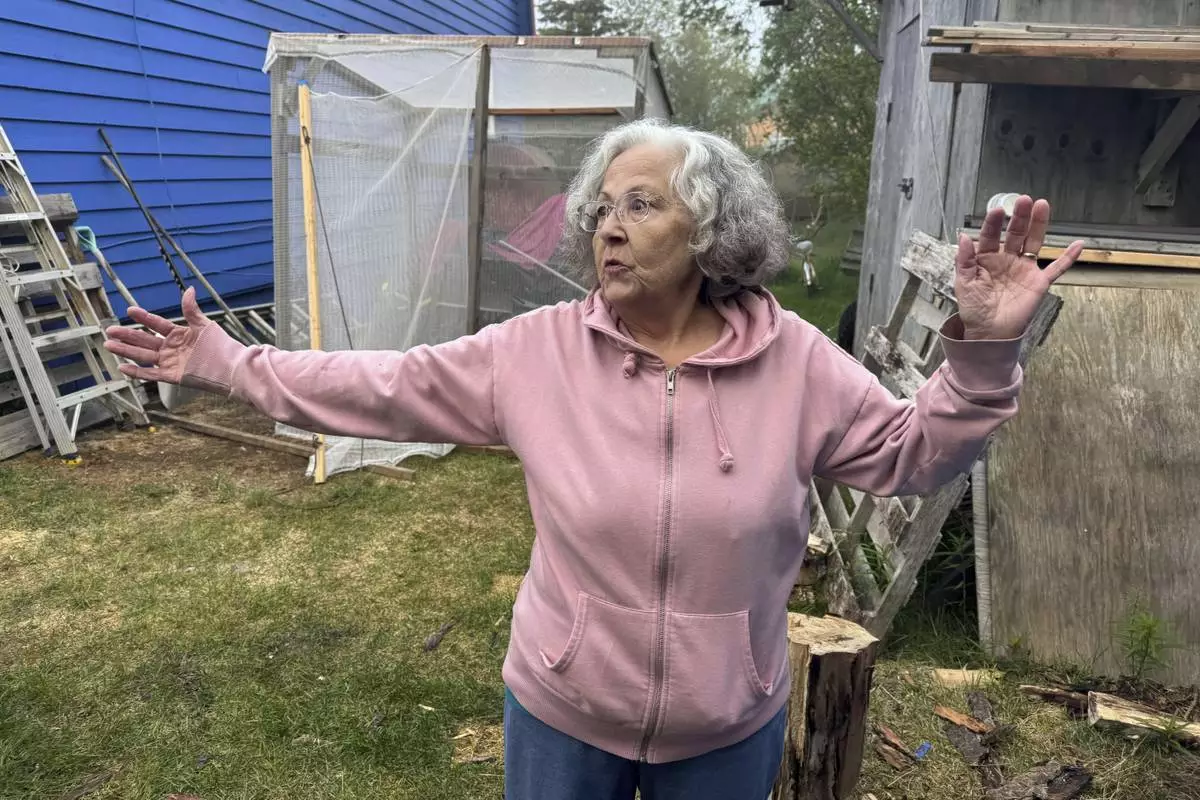
Gloria Simeon, co-founder of the Mother Kuskokwim Tribal Coalition, speaks during an interview outside her smokehouse in Bethel, Alaska, on June 18, 2025. (AP Photo/Mark Thiessen)
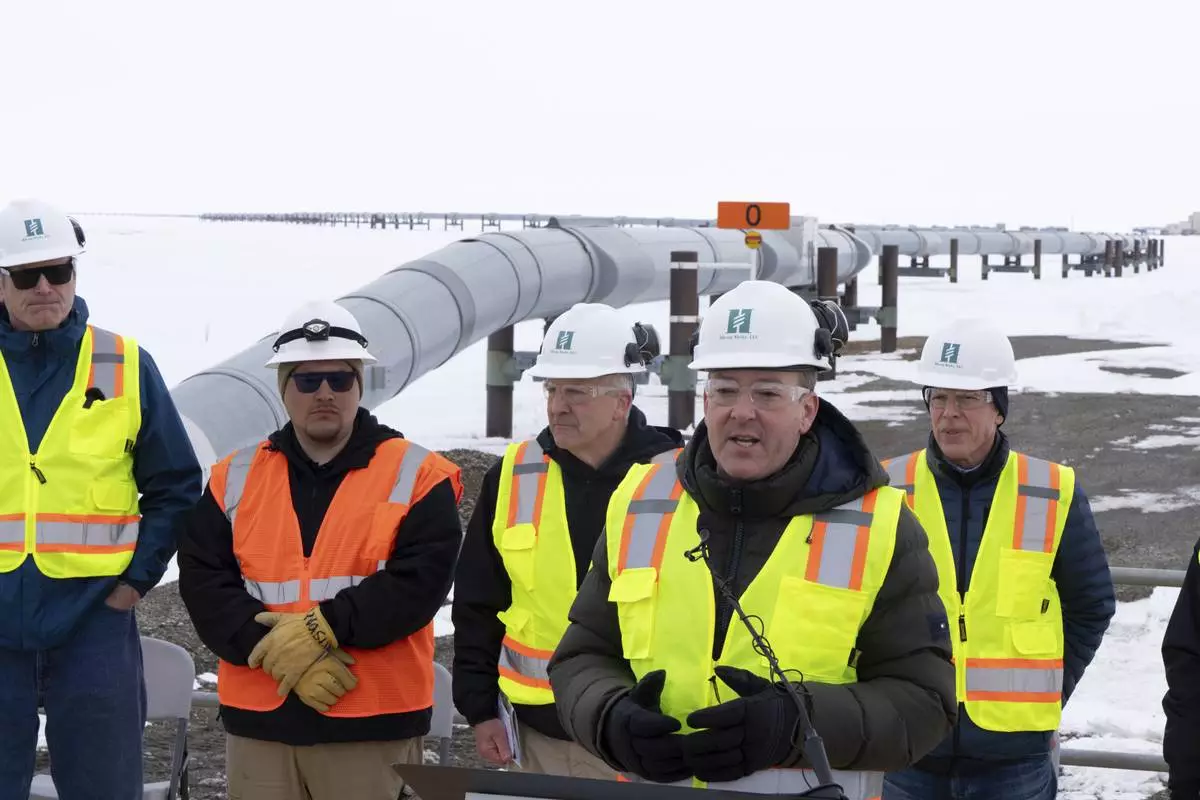
FILE - With the Trans-Alaska Pipeline in the background, EPA Administrator Lee Zeldin speaks during a news conference at the Pump Station 1 on Monday, June 2, 2025, located near Deadhorse, Alaska, on the state's North Slope. (AP Photo/Jenny Kane, File)