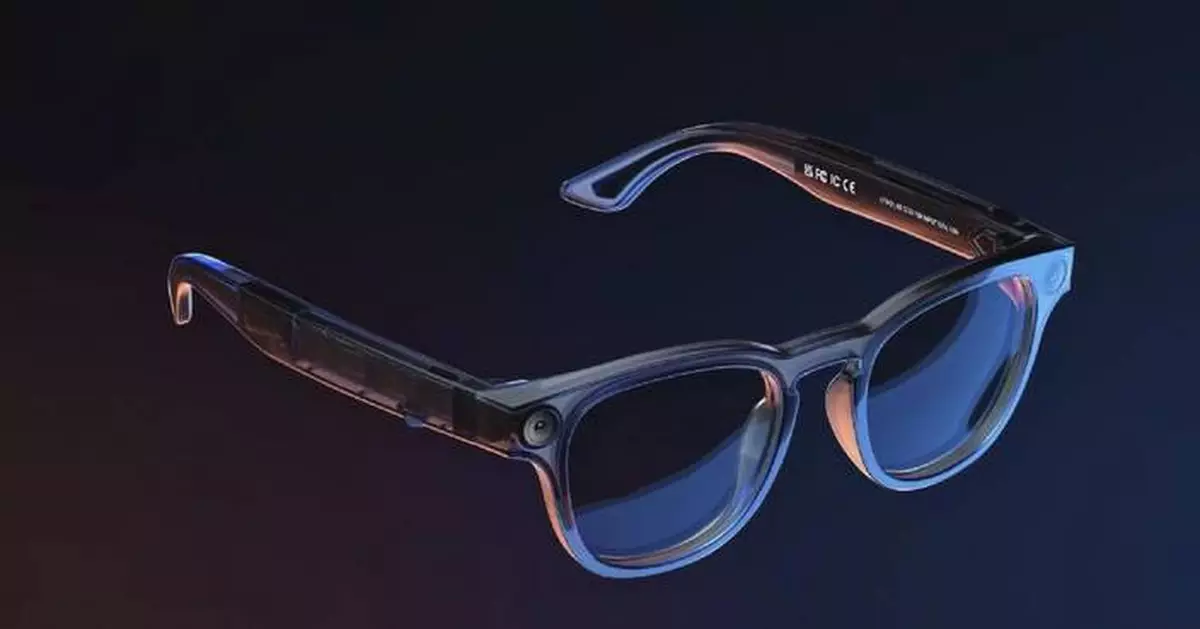
Once known for traditional eyewear craftsmanship, China's "Glasses Town" in Zhejiang's Ouhai District is now captivating the world with cutting-edge AI innovation, redefining its legacy in smart manufacturing.
At the heart of this transformation is LookTech, a pair of AI glasses developed by Zhejiang Entertech Co. in collaboration with local manufacturers.
"Our AI assistant is called 'Memo,' which comes from the English word 'memory.' It can assist you in daily life based on what you see through the glasses, and it can store your memories, remembering everything you see and hear. As it learns more about you and accumulates more memories, it can even evolve into your digital twin," said Tong Luyao, co-founder of Zhejiang Entertech Co., Ltd.
In January 2025, these smart glasses from China made their debut at International Consumer Electronics Show in the U.S., capturing global attention.
As a specialist in brain-computer interface technology, Entertech initiated development of this AI-enabled eyewear in 2023, partnering with Wenzhou's leading eyewear manufacturer.
Over the past few years, we have been actively exploring how to position our industry in the right niche to drive meaningful upgrades. The rapid advancement of technology and the growing popularity of wearable devices have led us to identify smart glasses as a promising sector. This emerging category enables our eyewear company to develop new high-value-added products," said Wang Fenghua, CEO of Wenzhou Ouhai Glasses Co., a key manufacturing partner.
To meet demand, Ouhai Glasses and Entertech have jointly built a 3,000-square-meter smart factory capable of producing over 200 pairs daily, with plans to scale up to 150,000 units annually. The automated production line is expected to boost the company's output value by 15 percent.
This eyewear factory is just one of over 500 such enterprises in Ouhai District, which has become one of the world's leading eyewear production hubs.
In 2018, Ouhai Economic Development Zone established a specialized Glasses Town that clusters upstream and downstream manufacturers, with over 80 percent of its products exported to more than 100 countries and regions. The collaboration between traditional manufacturing and high-tech empowerment has injected new vitality into this town, enabling it to navigate this year's tariff challenges.
"While U.S. tariffs have indeed impacted the eyewear industry, Ouhai's eyewear exports have bucked the trend with continued growth. From January to June this year, Ouhai District's foreign trade exports maintained growth at around 7 percent. In fact, Ouhai's eyewear enterprises had strategically diversified years earlier through technological upgrades, production capacity expansion, talent acquisition, and partnerships with tech innovators like EnterTech. For the high-quality productive forces, Ouhai stands fully prepared," said Xie Dong, director of the Administration Committee of Ouhai Economic Development Zone.
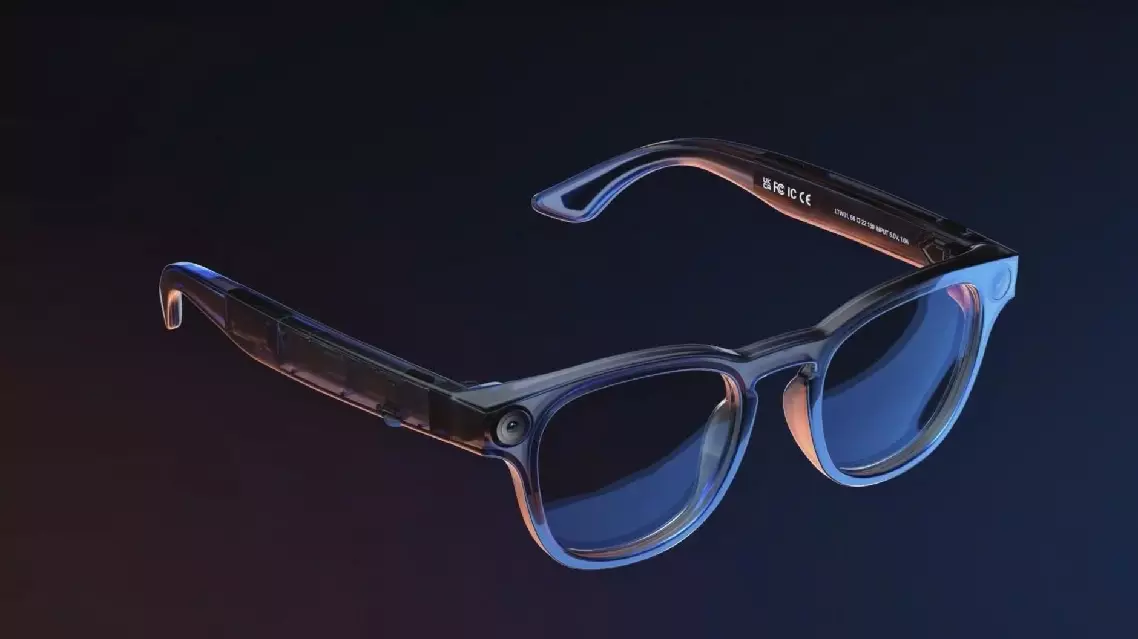
China's "glasses town" reinvents itself with AI-powered smart eyewear