PALM COAST, Fla. (AP) — A Florida woman is accused of posing as a licensed nurse and giving medical care to thousands of patients, authorities said.
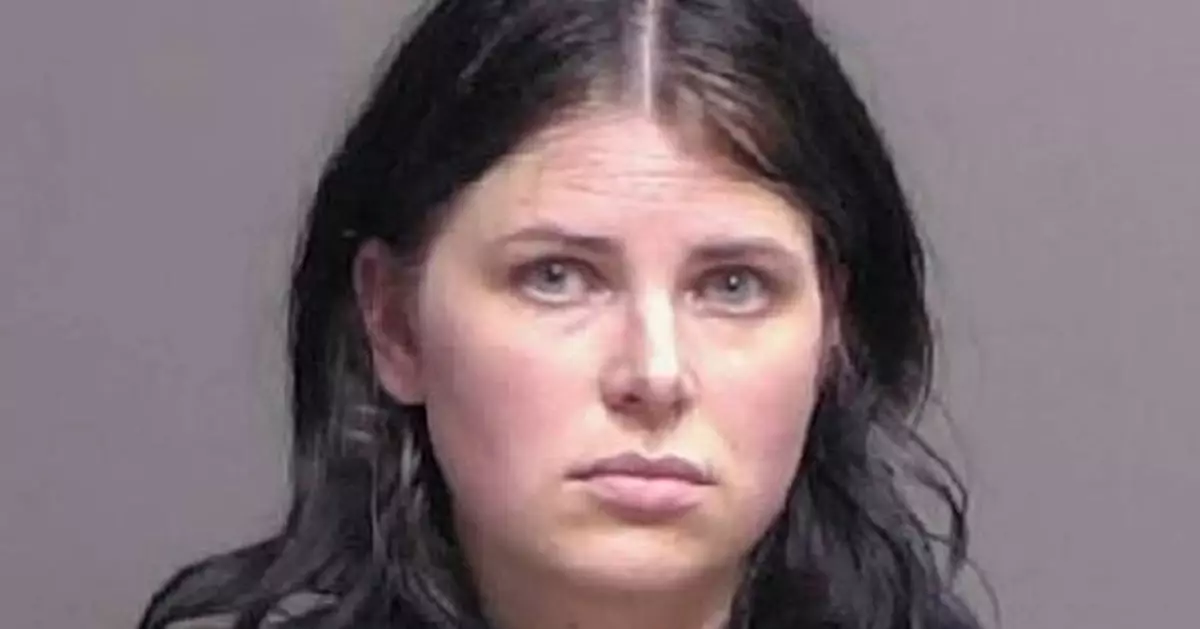
Autumn Marie Bardisa, 29, of Palm Coast, participated in medical services involving 4,486 people from June 2024 until January 2025, the Flagler County Sheriff's Office said.
“This is one of the most disturbing cases of medical fraud we’ve ever investigated,” Flagler County Sheriff Rick Staly said in announcing the arrest.
Bardisa was apprehended in the driveway of her home Tuesday and is jailed on multiple charges that include practicing health care without a license, sheriff's officials said. She's being held on $70,000 bond and is due in court for a Sept. 2 arraignment.
No lawyer who could speak on behalf of Bardisa was listed in local court records.
The sheriff’s office said Bardisa used another health care worker's license number and submitted false documentation in order to be employed as an advanced nurse technician at AdventHealth Palm Coast Parkway in Palm Coast.
“This woman potentially put thousands of lives at risk by pretending to be someone she was not and violating the trust of patients, their families, AdventHealth and an entire medical community," Staly said.
Officials say they've set up a special email, fakenursecase@flaglersheriff.com, and are asking anyone who thinks they might have been a victim in the case to email the sheriff's office.
Palm Coast is about 60 miles (97 kilometers) south of Jacksonville, Florida.
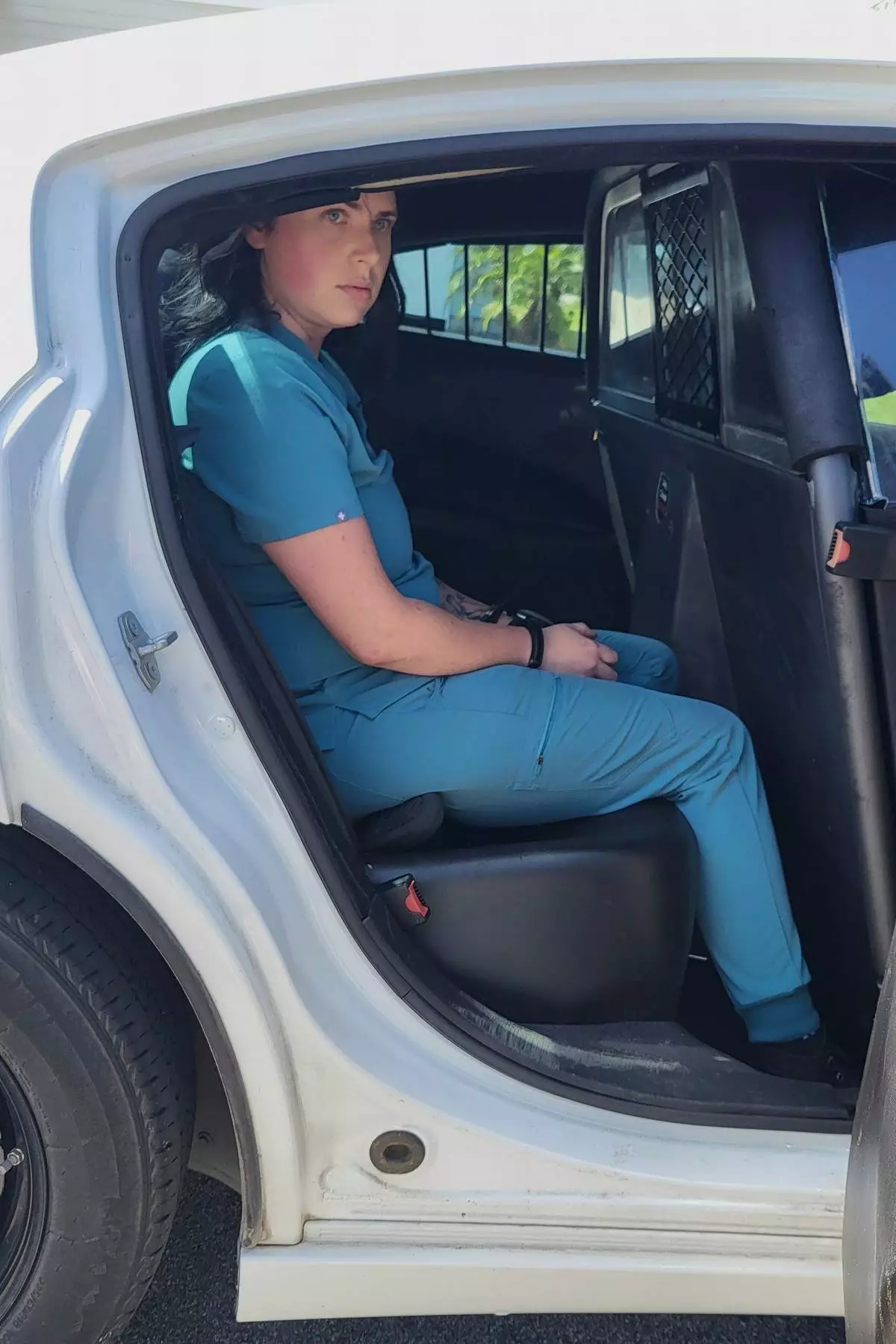
This photo provided by Flagler County Sheriff's Office in Florida shows Autumn Bardisa being taken into custody Tuesday, Aug. 5, in Palm Coast, Fla. (Flagler County Sheriff's Office via AP)
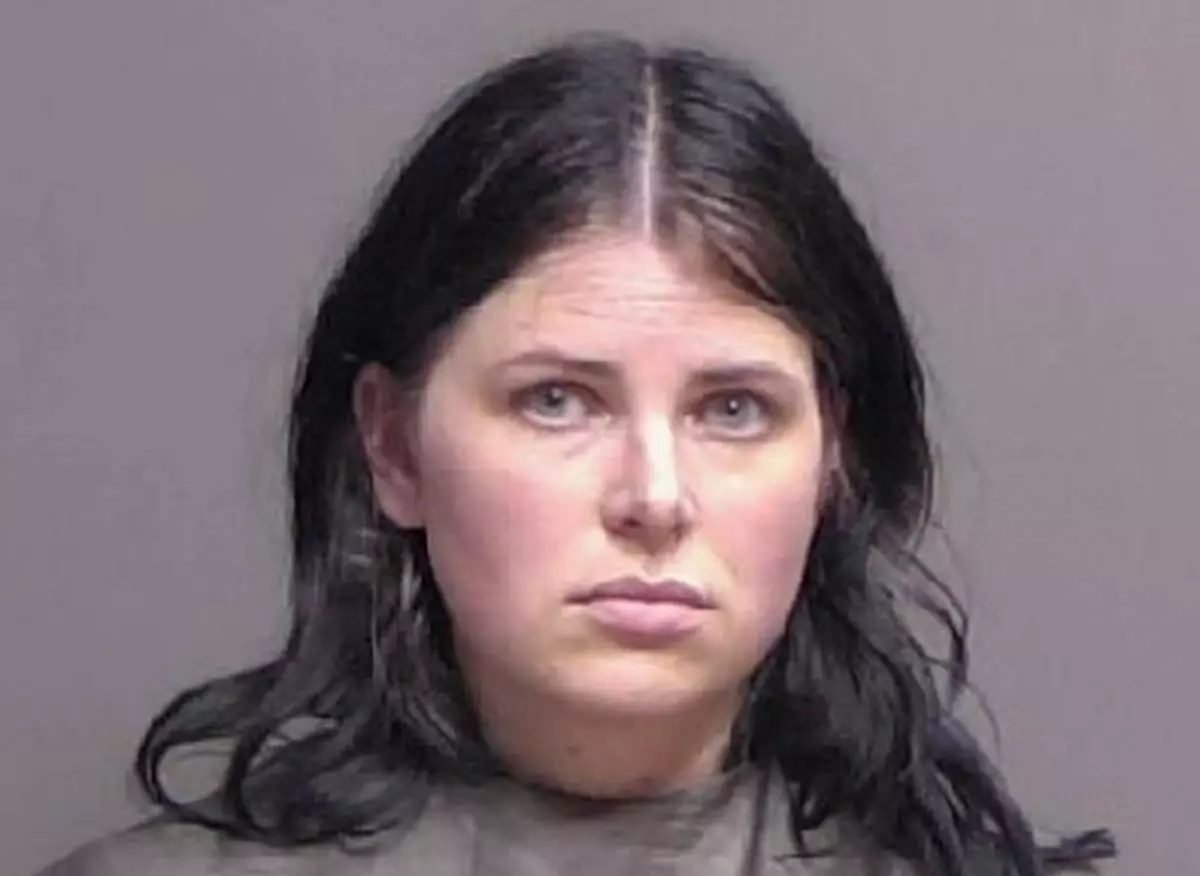
This photo provided by Flagler County Sheriff's Office in Florida shows Autumn Bardisa. (Flagler County Sheriff's Office via AP)
OpenAI says it will soon start showing advertisements to ChatGPT users who aren't paying for a premium version of the chatbot.
The artificial intelligence company said Friday it hasn't yet rolled out ads but will start testing them in the coming weeks.
It's the latest effort by the San Francisco-based company to make money from ChatGPT's more than 800 million users, most of whom get it for free.
Though valued at $500 billion, the startup loses more money than it makes and has been looking for ways to turn a profit.
“Most importantly: ads will not influence the answers ChatGPT gives you,” said Fidji Simo, the company’s CEO of applications, in a social media post Friday.
OpenAI said the digital ads will appear at the bottom of ChatGPT's answers “when there’s a relevant sponsored product or service based on your current conversation.”
The ads “will be clearly labeled and separated from the organic answer,” the company said.
Two of OpenAI’s rivals, Google and Meta, have dominated digital advertising for years and already incorporate ads into some of their AI features.
Originally founded as a nonprofit with a mission to safely build better-than-human AI, OpenAI last year reorganized its ownership structure and converted its business into a public benefit corporation. It said Friday that its pursuit of advertising will be “always in support” of its original mission to ensure its AI technology benefits humanity.
But introducing personalized ads starts OpenAI “down a risky path” previously taken by social media companies, said Miranda Bogen of the Center for Democracy and Technology.
“People are using chatbots for all sorts of reasons, including as companions and advisors," said Bogen, director of CDT’s AI Governance Lab. “There’s a lot at stake when that tool tries to exploit users’ trust to hawk advertisers’ goods.”
OpenAI makes some money from paid subscriptions but needs more revenue to pay for its more than $1 trillion in financial obligations for the computer chips and data centers that power its AI services. The risk that OpenAI won’t make enough money to fulfill the expectations of backers like Oracle and Nvidia has amplified investor concerns about an AI bubble.
“It is clear to us that a lot of people want to use a lot of AI and don’t want to pay, so we are hopeful a business model like this can work,” said OpenAI CEO Sam Altman in a post Friday on social platform X. He added that he likes the ads on Meta's Instagram because they show him things he wouldn't have found otherwise.
OpenAI claims it won't use a user's personal information or prompts to collect data for ads, but the question is “for how long,” said Paddy Harrington, an analyst at research group Forrester.
“Free services are never actually free and these public AI platforms need to generate revenue,” Harrington said. “Which leads to the adage: If the service is free, you’re the product.”
FILE - The OpenAI logo is displayed on a mobile phone in front of a computer screen with output from ChatGPT, March 21, 2023, in Boston. (AP Photo/Michael Dwyer, File)