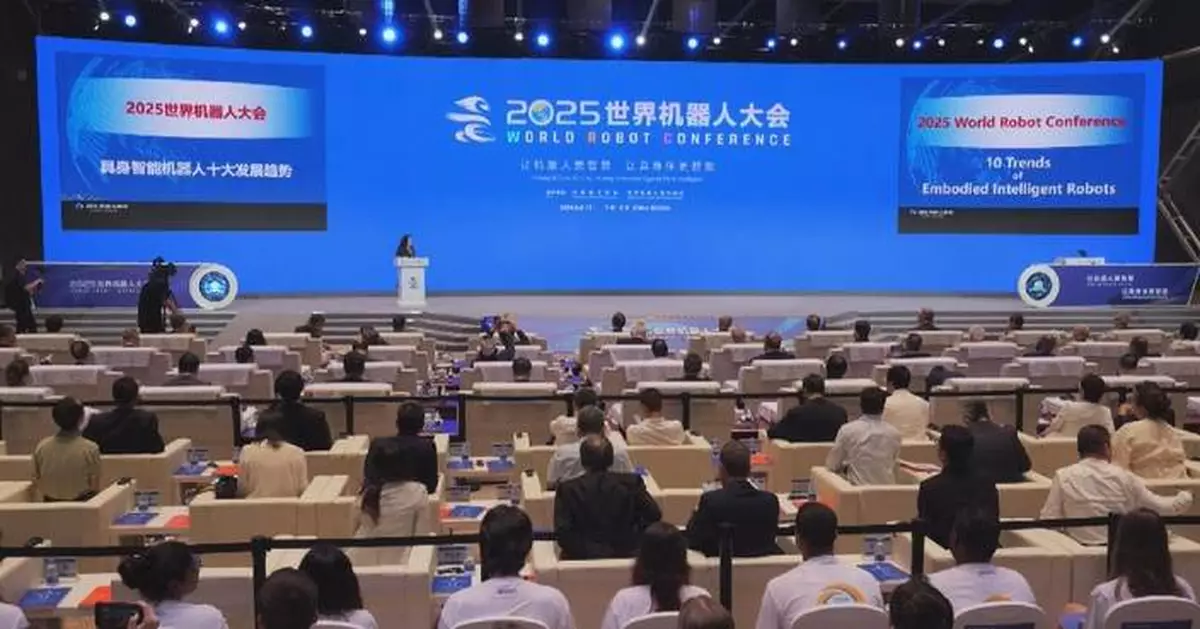
The ongoing 2025 World Robot Conference (WRC) has unveiled research into the future development trends of embodied intelligent robots.
The findings were compiled in a report titled "10 Trends of Embodied Intelligent Robots 2025", which was released during the opening ceremony of the conference in Beijing on Friday.
Click to Gallery
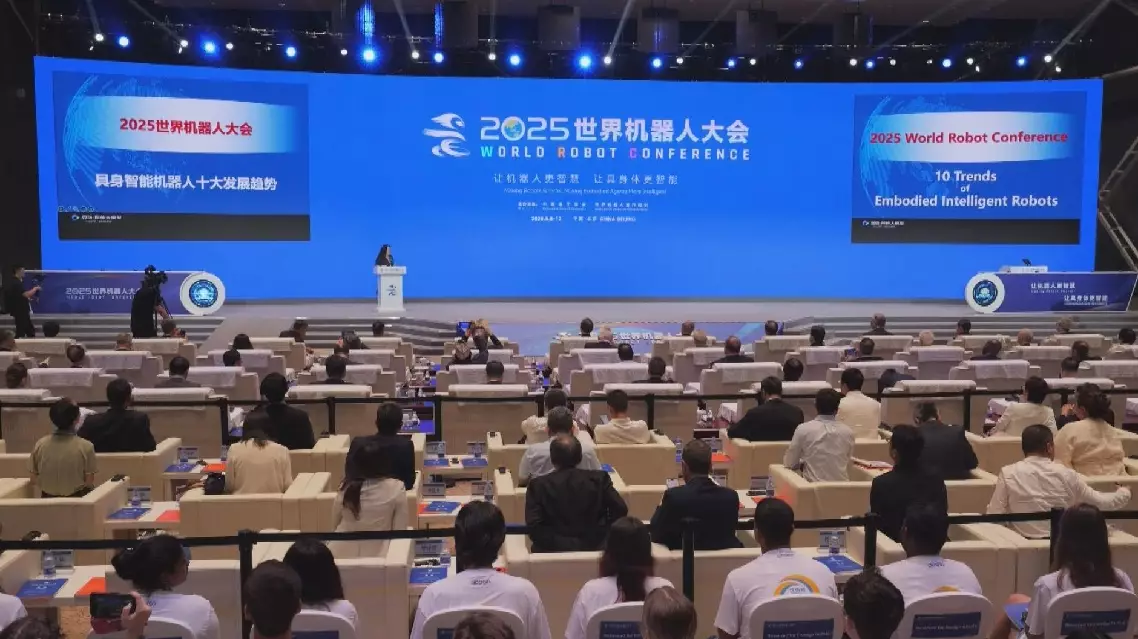
World Robot Conference unveils future trends of embodied intelligent robots
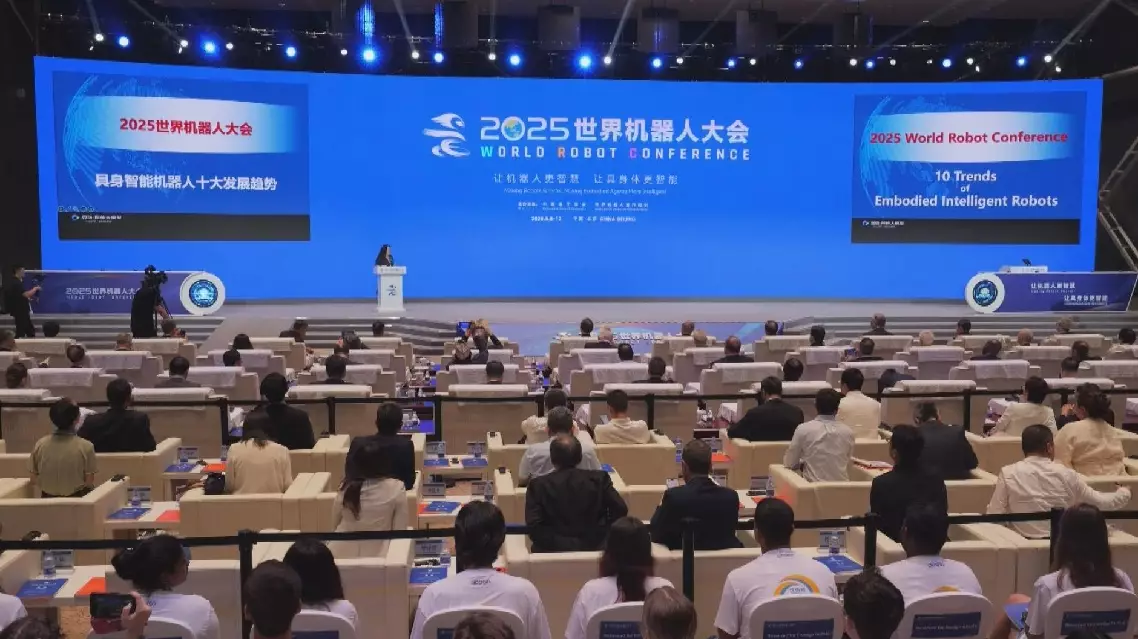
World Robot Conference unveils future trends of embodied intelligent robots
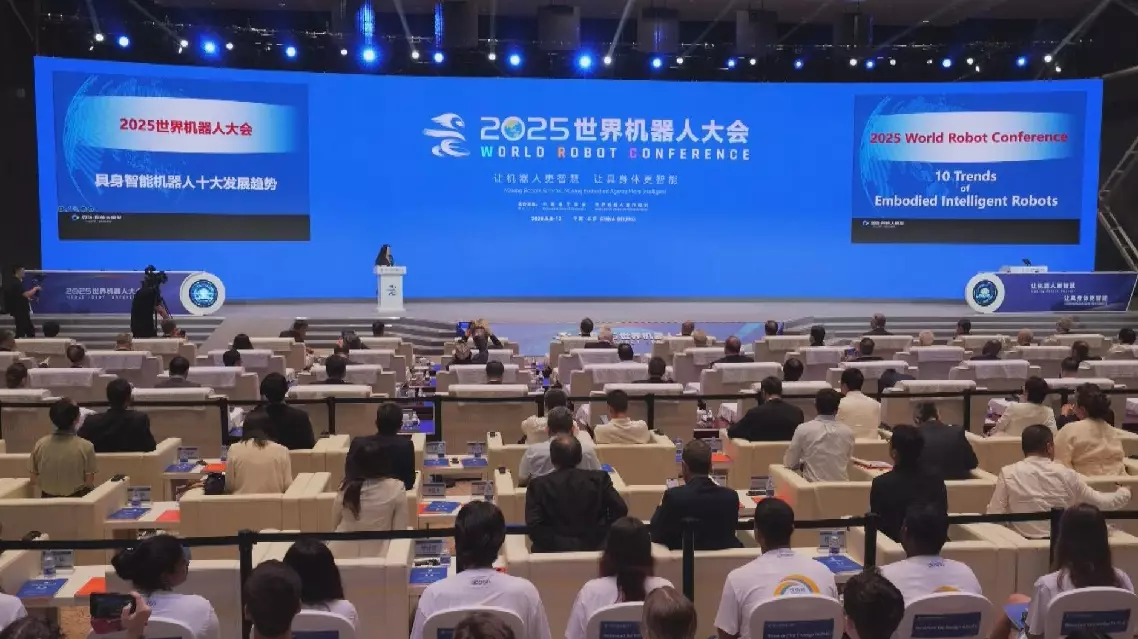
World Robot Conference unveils future trends of embodied intelligent robots
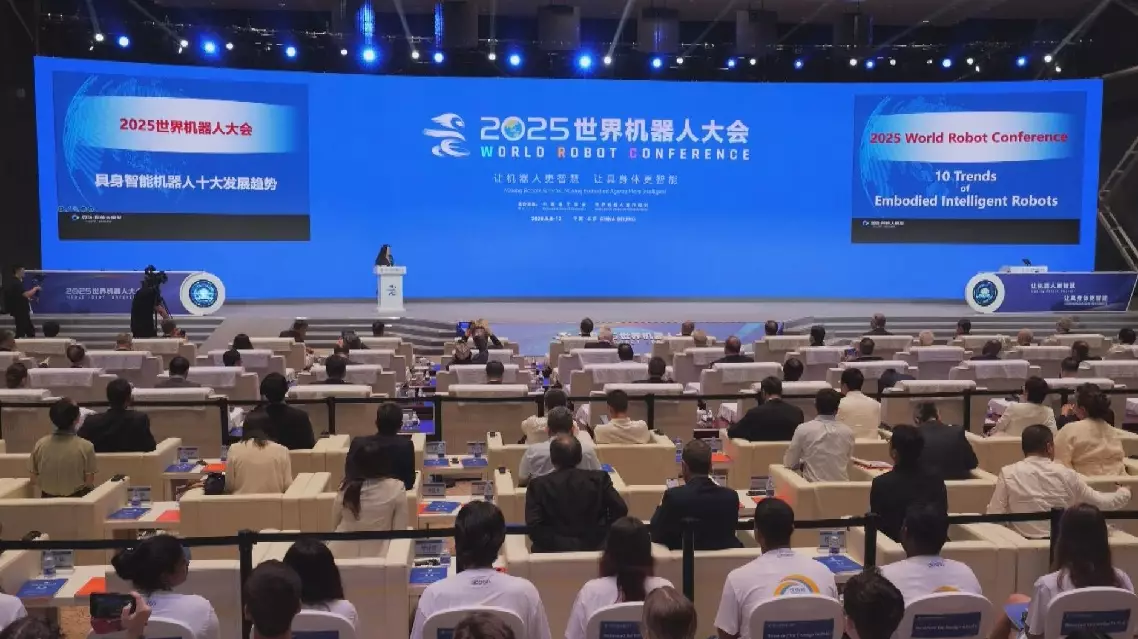
World Robot Conference unveils future trends of embodied intelligent robots
Embodied intelligent robots refer to models that can achieve high levels of interaction with the environment and enhance their autonomous adaptability through integrated perception, decision-making, and execution. Experts believe they hold potential applications in a range of complex environments and operations.
The newly-released report highlights embodied cognition as being driven by the synergy of physical practice, physical simulators and world models, while also emphasizing the role of multimodal large models in enhancing embodied decision-making.
It outlines trends in key fields such as embodied intelligent control, AI-powered robot design, software and hardware consistency, robot manufacturing, and large-scale and high-quality datasets.
Other highlighted areas of ongoing research include robot swarms, collaborative work with humans, safety assessments and ethical development of the technology.
The details of the report were shared by Qiao Hong, president of the World Robot Cooperation Organization (WRCO), during the opening ceremony.
Speaking to a reporter on the expo floor, she reiterated that advancements in our understanding of the human brain may help drive further development in intelligent robotics.
"We hope to expand embodied intelligence towards broader and more advanced applications across society. In the past, robots were largely designed for specialized tasks. In the future, if we integrate mathematics and neuroscience with their systems, the robots can both generalize and excel in performance. They should serve the needs of society," said Qiao, an academician of Chinese Academy of Sciences and also director of the State Key Laboratory of Multimodal Artificial Intelligence Systems.
Also announced at the opening ceremony were the 10 most promising application scenarios for humanoid robots.
The identified scenarios encompass general industrial operations, automotive manufacturing, 3C product manufacturing, shipbuilding, petrochemical production inspection, power generation, emergency response operations, commercial services, home services and agricultural production.
According to the China Institute of Electronics, these scenarios are driving positive impacts across industries, along with the advances in humanoid technologies and product iterations.
Co-organized by the China Institute of Electronics and the World Robot Cooperation Organization, the five-day WRC is themed "Making Robots Smarter, Making Embodied Agents More Intelligent."
The event showcases over 1,500 exhibits from more than 200 leading robotics companies from around the world.
World Robot Conference unveils future trends of embodied intelligent robots
World Robot Conference unveils future trends of embodied intelligent robots
World Robot Conference unveils future trends of embodied intelligent robots
World Robot Conference unveils future trends of embodied intelligent robots