SARAJEVO, Bosnia-Herzegovina (AP) — A short drive from the Mediterranean coast, mid-altitude mountain resorts near Sarajevo — traditionally dependent on snow sports — are slowly but steadily pivoting to attract summertime tourists.
Despite Bosnia’s notoriously poor record-keeping, tourism officials in the mountainous Balkan country of 3.3 million say a clear trend is emerging.
Click to Gallery
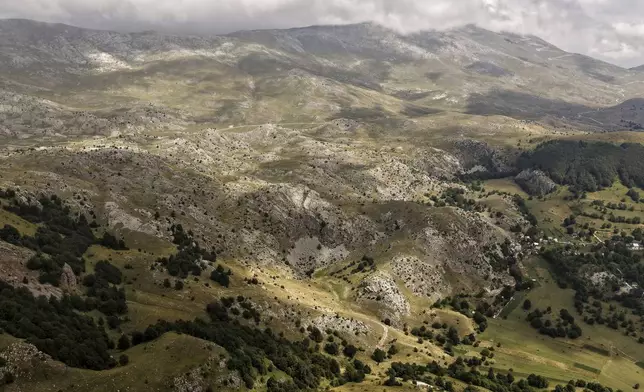
An aerial view of trail and hiking routes on Bjelasnica mountain near Sarajevo, Bosnia, Tuesday, Aug. 5, 2025. (AP Photo/Armin Durgut)
Flock of sheep stop the traffic as they cross the road in Umoljani village on Bjelasnica mountain near Sarajevo, Bosnia, Tuesday, Aug. 5, 2025. (AP Photo/Armin Durgut)
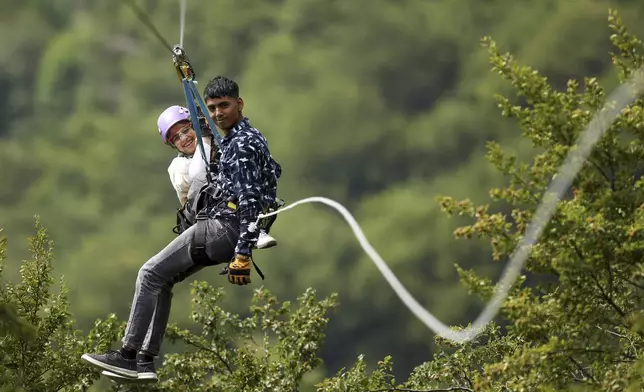
Tourists ride on a zip line on Bjelasnica mountain near Sarajevo, Bosnia, Tuesday, Aug. 5, 2025. (AP Photo/Armin Durgut)
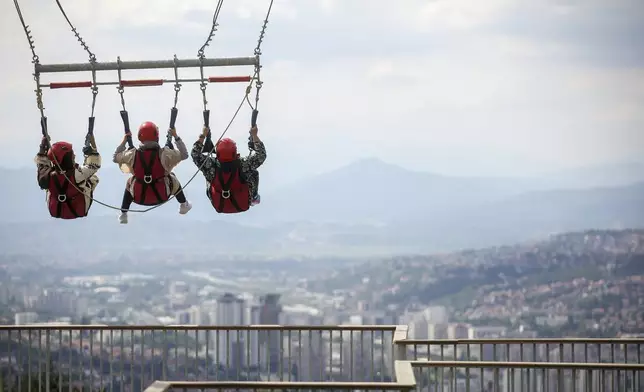
Tourists enjoy a giant swing overlooking the city on Trebevic mountain near Sarajevo, Bosnia, Tuesday, Aug. 5, 2025. (AP Photo/Armin Durgut)
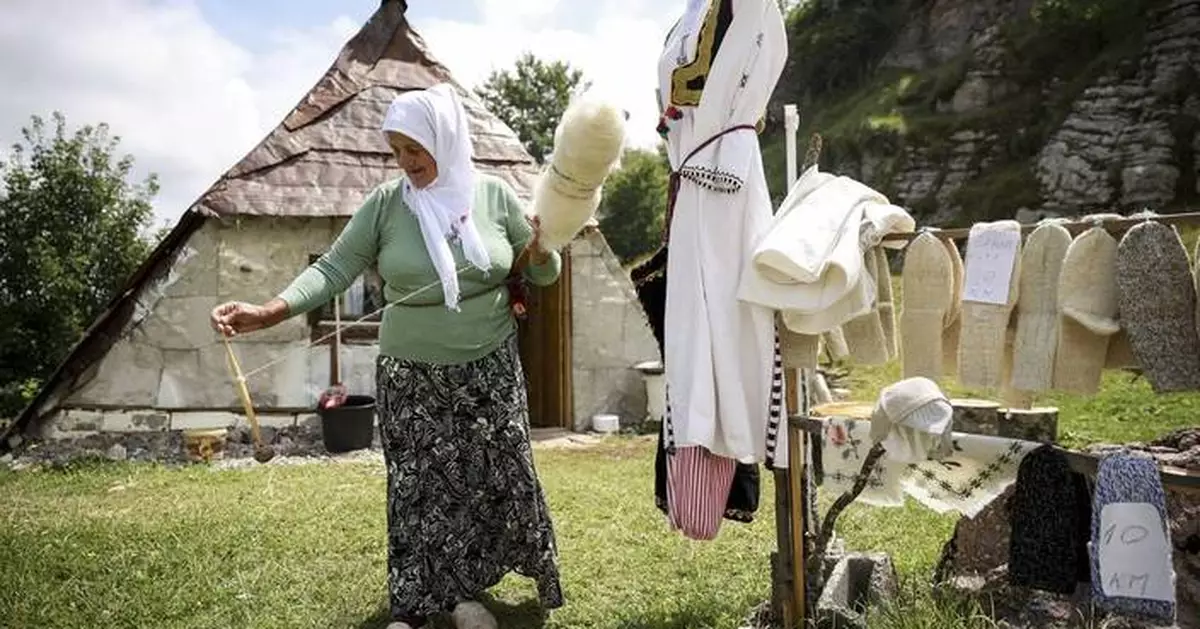
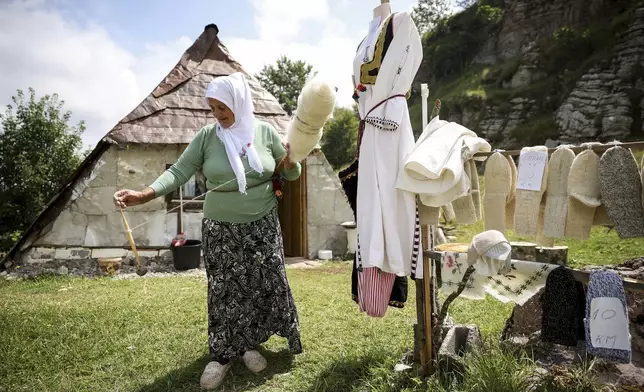
A Bosnian Muslim woman prepares wool that she later knits into sweaters or socks and sells to tourists in Umoljani village on Bjelasnica mountain near Sarajevo, Bosnia, Tuesday, Aug. 5, 2025. (AP Photo/Armin Durgut)
“We used to rely on snow, but there is no escaping the fact that snow is now likely to fall and accumulate at altitudes above 2,500 meters (8,000 feet) and our mountains are simply not that high,” said Haris Fazlagic, the Sarajevo tourism board president.
Fazlagic believes that by expanding their summer offerings, mountain resorts can lure tourists away from the scorching heat and high costs of traditional seaside vacations along the Adriatic coast of Croatia and Montenegro. He said increasing the area's year-round appeal is “the future of tourism,” but acknowledged it’s a long-term strategy.
In 2017, after several winters with little snow, the Jahorina and Bjelasnica mountains near Sarajevo began to expand their summer offerings. These mountains, which hosted the 1984 Winter Olympics, have elevations of 1,906 meters (6,253 feet) and 2,067 meters (6,781 feet), respectively.
They now operate ski lifts year-round for scenic views and are steadily adding new hiking, biking and ATV trails and tours.
“The weather here is fantastic — it's not hot at all," said Dusko Kurtovic, a visitor from the Bosnian town of Doboj, while on a walk during a short vacation in Jahorina last week.
Like other visitors exploring the forest trails and riding ski lifts around Sarajevo, Kurtovic was dressed for balmy summer weather. Temperatures here typically stay between 24 and 30 degrees Celsius (75-86 degrees Fahrenheit).
The weather is a welcome change for tourists, as coastal regions in Central and Eastern Europe have experienced increasingly frequent and prolonged heat waves, with daily temperatures often reaching 40 degrees Celsius (104 degrees Fahrenheit) in the past few years.
Vasilije Knezevic, who leads quad tours of Jahorina’s highest peaks, noted that while the ski season was “bleak” because of the snow shortage, they are “having a fabulous summer so far.”
Business might be growing in the mountains of Sarajevo, but it remains far less profitable than seaside destinations in neighboring Croatia, where tourism accounts for up to 20% of the country’s gross domestic product.
Just a five-hour drive from Sarajevo, the ancient city of Dubrovnik is grappling with an abundance of tourists. Unlike their Bosnian counterparts who are trying to increase visitors, Dubrovnik’s tourism authorities are focused on managing crowds, limiting the number of tourists from cruise ships in the city to 4,000 at any one time during the day and restricting traffic around the Old Town to local permit holders.
Despite these restrictions and extreme summer heat, Dubrovnik recorded nearly two million overnight stays in the first seven months of 2025, almost double that of the Sarajevo region.
While climate change is driving Bosnia and Croatia toward different tourism strategies, both countries share a common objective: to “extend the season” and become a “year-round tourist destination,” in the words of Aida Hodzic of the Dubrovnik tourism board.
Associated Press writer Sabina Niksic in Sarajevo contributed.

An aerial view of trail and hiking routes on Bjelasnica mountain near Sarajevo, Bosnia, Tuesday, Aug. 5, 2025. (AP Photo/Armin Durgut)
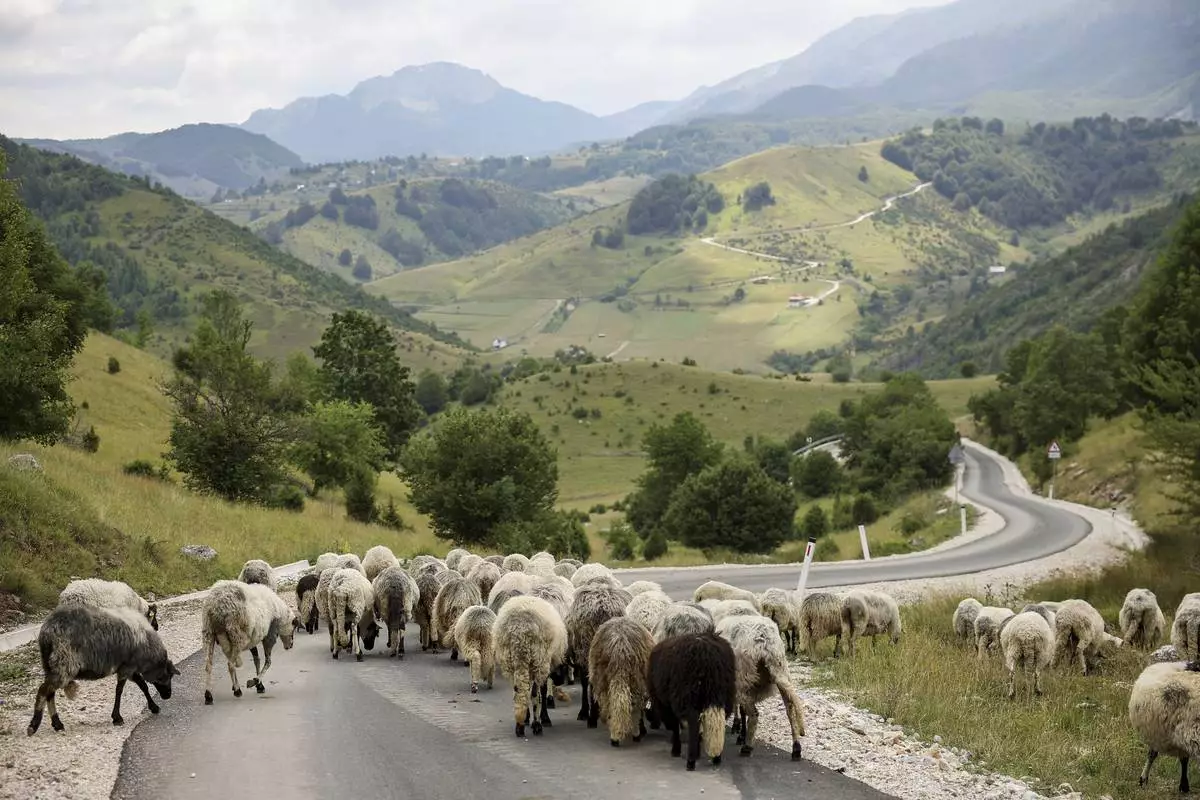
Flock of sheep stop the traffic as they cross the road in Umoljani village on Bjelasnica mountain near Sarajevo, Bosnia, Tuesday, Aug. 5, 2025. (AP Photo/Armin Durgut)
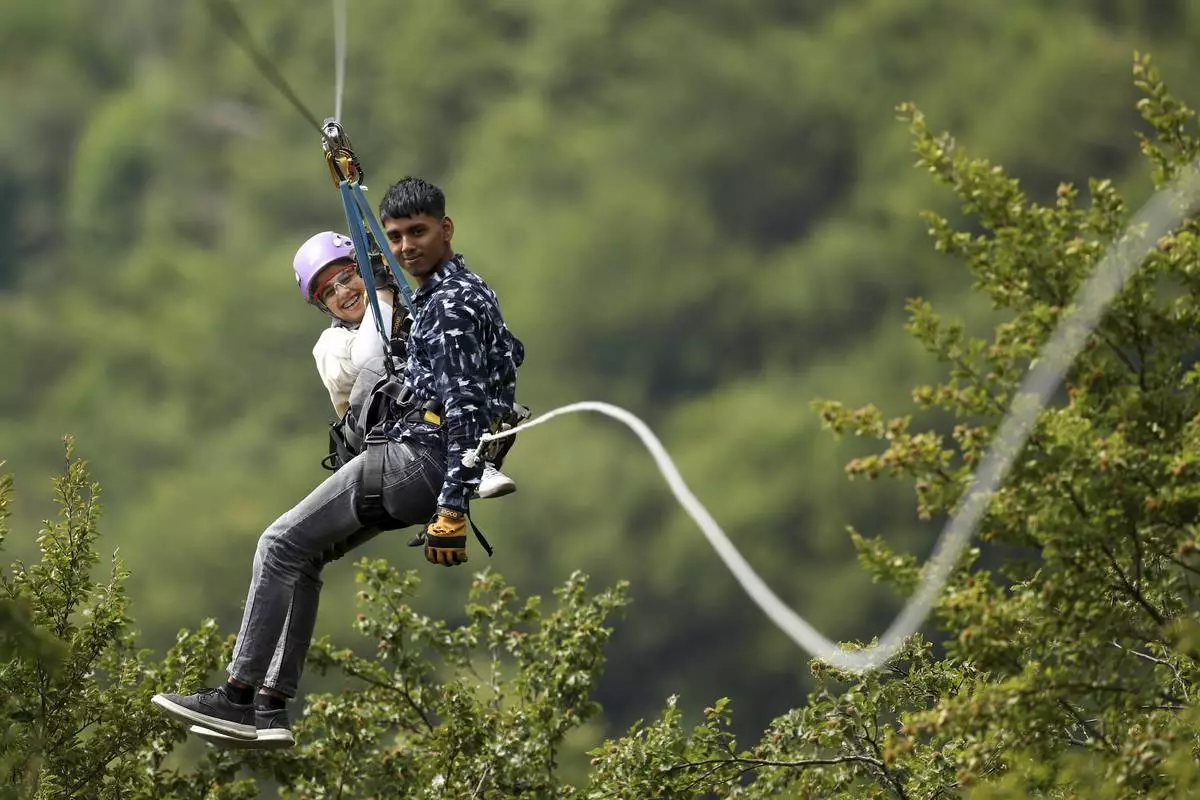
Tourists ride on a zip line on Bjelasnica mountain near Sarajevo, Bosnia, Tuesday, Aug. 5, 2025. (AP Photo/Armin Durgut)
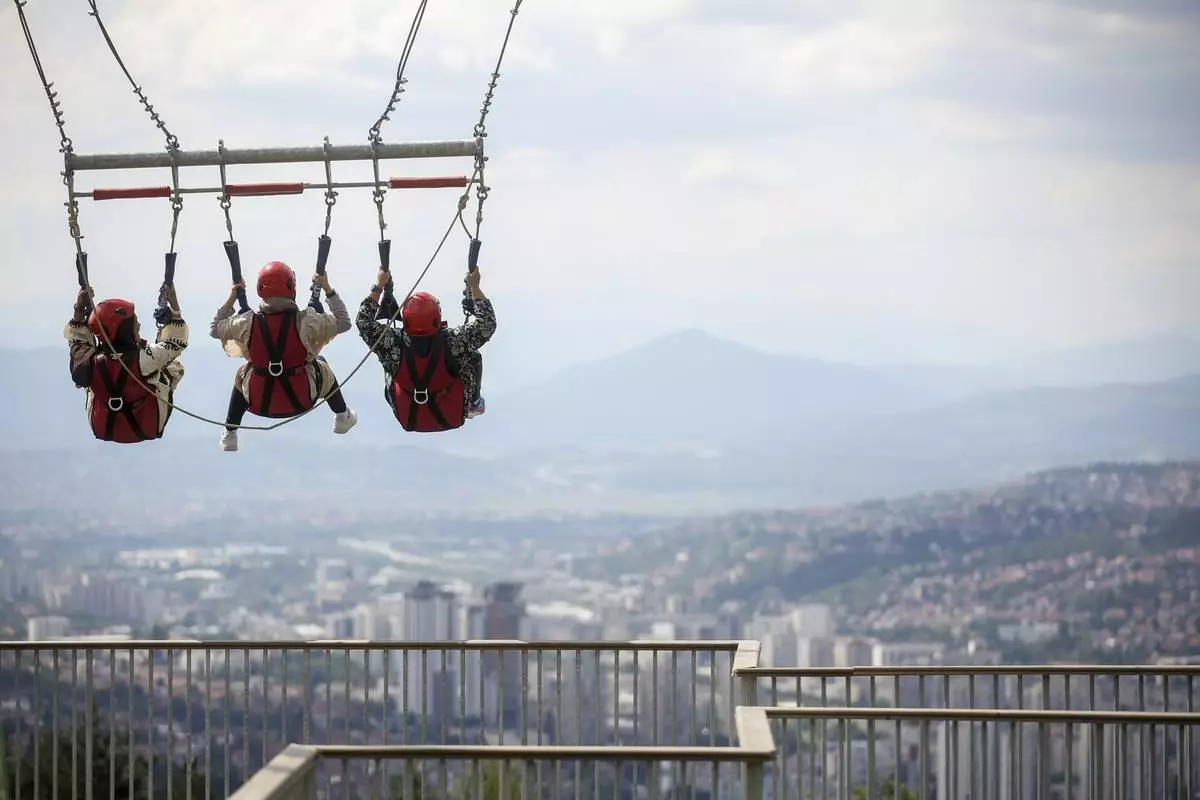
Tourists enjoy a giant swing overlooking the city on Trebevic mountain near Sarajevo, Bosnia, Tuesday, Aug. 5, 2025. (AP Photo/Armin Durgut)
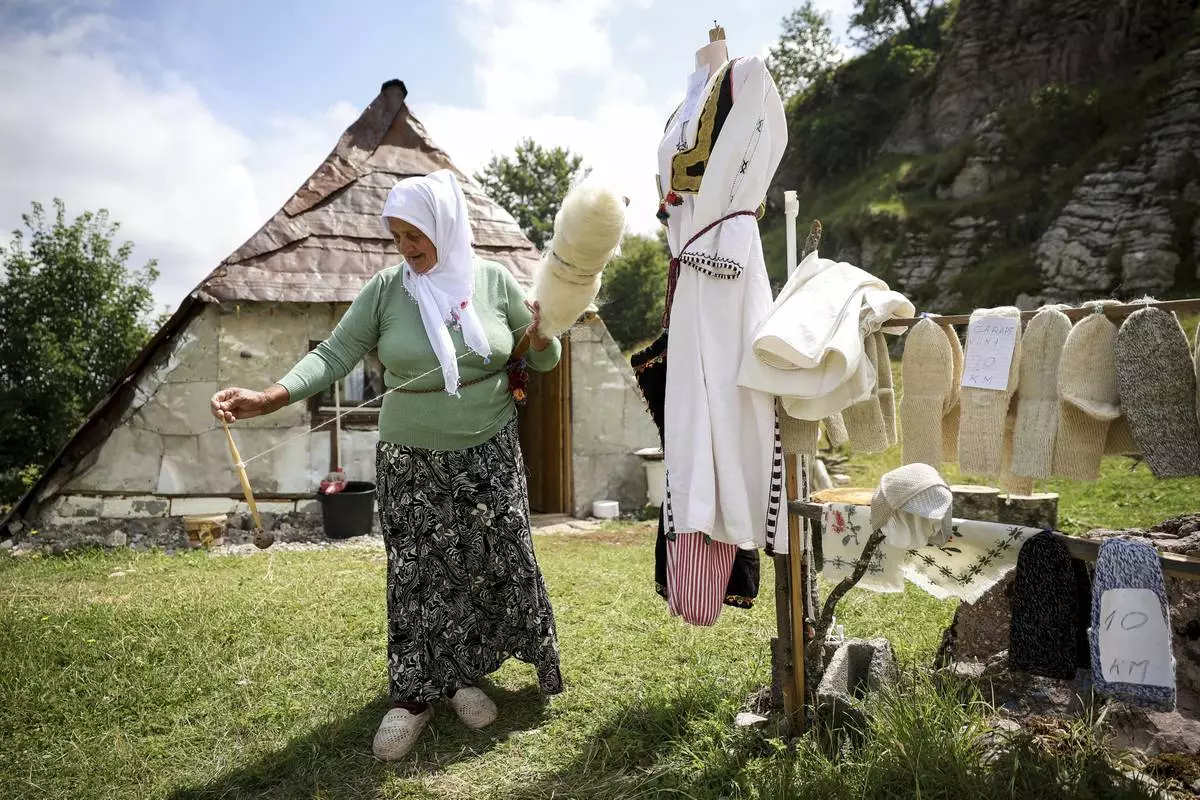
A Bosnian Muslim woman prepares wool that she later knits into sweaters or socks and sells to tourists in Umoljani village on Bjelasnica mountain near Sarajevo, Bosnia, Tuesday, Aug. 5, 2025. (AP Photo/Armin Durgut)
The U.N. Security Council scheduled an emergency meeting Thursday to discuss Iran's deadly protests at the request of the United States, even as President Donald Trump left unclear what actions he would take against the Islamic state.
Tehran appeared to make conciliatory statements in an effort to defuse the situation after Trump threatened to take action to stop further killing of protesters, including the execution of anyone detained in Tehran’s bloody crackdown on nationwide protests.
Iran’s crackdown on the demonstrations has killed at least 2,615, the U.S.-based Human Rights Activists News Agency reported. The death toll exceeds any other round of protest or unrest in Iran in decades and recalls the chaos surrounding the country’s 1979 Islamic Revolution.
Iran closed its airspace to commercial flights for hours without explanation early Thursday and some personnel at a key U.S. military base in Qatar were advised to evacuate. The U.S. Embassy in Kuwait also ordered its personnel to “temporary halt” travel to the multiple military bases in the small Gulf Arab country.
Iran previously closed its airspace during the 12-day war against Israel in June.
Here is the latest:
“We are against military intervention in Iran,” Turkish Foreign Minister Hakan Fidan told journalists in Istanbul on Thursday. “Iran must address its own internal problems… They must address their problems with the region and in global terms through diplomacy so that certain structural problems that cause economic problems can be addressed.”
Ankara and Tehran enjoy warm relations despite often holding divergent interests in the region.
Fidan said the unrest in Iran was rooted in economic conditions caused by sanctions, rather than ideological opposition to the government.
Iranians have been largely absent from an annual pilgrimage to Baghdad, Iraq, to commemorate the death of Imam Musa al-Kadhim, one of the twelve Shiite imams.
Many Iranian pilgrims typically make the journey every year for the annual religious rituals.
Streets across Baghdad were crowded with pilgrims Thursday. Most had arrived on foot from central and southern provinces of Iraq, heading toward the shrine of Imam al-Kadhim in the Kadhimiya district in northern Baghdad,
Adel Zaidan, who owns a hotel near the shrine, said the number of Iranian visitors this year compared to previous years was very small. Other residents agreed.
“This visit is different from previous ones. It lacks the large numbers of Iranian pilgrims, especially in terms of providing food and accommodation,” said Haider Al-Obaidi.
Europe’s largest airline group said Thursday it would halt night flights to and from Tel Aviv and Jordan's capital Amman for five days, citing security concerns as fears grow that unrest in Iran could spiral into wider regional violence.
Lufthansa — which operates Swiss, Austrian Airlines, Brussels Airlines and Eurowings — said flights would run only during daytime hours from Thursday through Monday “due to the current situation in the Middle East.” It said the change would ensure its staff — which includes unionized cabin crews and pilots -- would not be required to stay overnight in the region.
The airline group also said its planes would bypass Iranian and Iraqi airspace, key corridors for air travel between the Middle East and Asia.
Iran closed its airspace to commercial flights for several hours early Thursday without explanation.
A spokesperson for Israel’s Airport Authority, which oversees Tel Aviv’s Ben Gurion Airport, said the airport was operating as usual.
Iranian state media has denied claims that a young man arrested during Iran’s recent protests was condemned to death. The statement from Iran’s judicial authorities on Thursday contradicted what it said were “opposition media abroad” which claimed the young man had been quickly sentenced to death during a violent crackdown on anti-government protests in the country.
State television didn’t immediately give any details beyond his name, Erfan Soltani. Iranian judicial authorities said Soltani was being held in a detention facility outside of the capital. Alongside other protesters, he has been accused of “propaganda activities against the regime,” state media said.
New Zealand’s Foreign Minister Winston Peters said Thursday that his government was “appalled by the escalation of violence and repression” in Iran.
“We condemn the brutal crackdown being carried out by Iran’s security forces, including the killing of protesters,” Peters posted on X.
“Iranians have the right to peaceful protest, freedom of expression, and access to information – and that right is currently being brutally repressed,” he said.
Peters said his government had expressed serious concerns to the Iranian Embassy in Wellington.
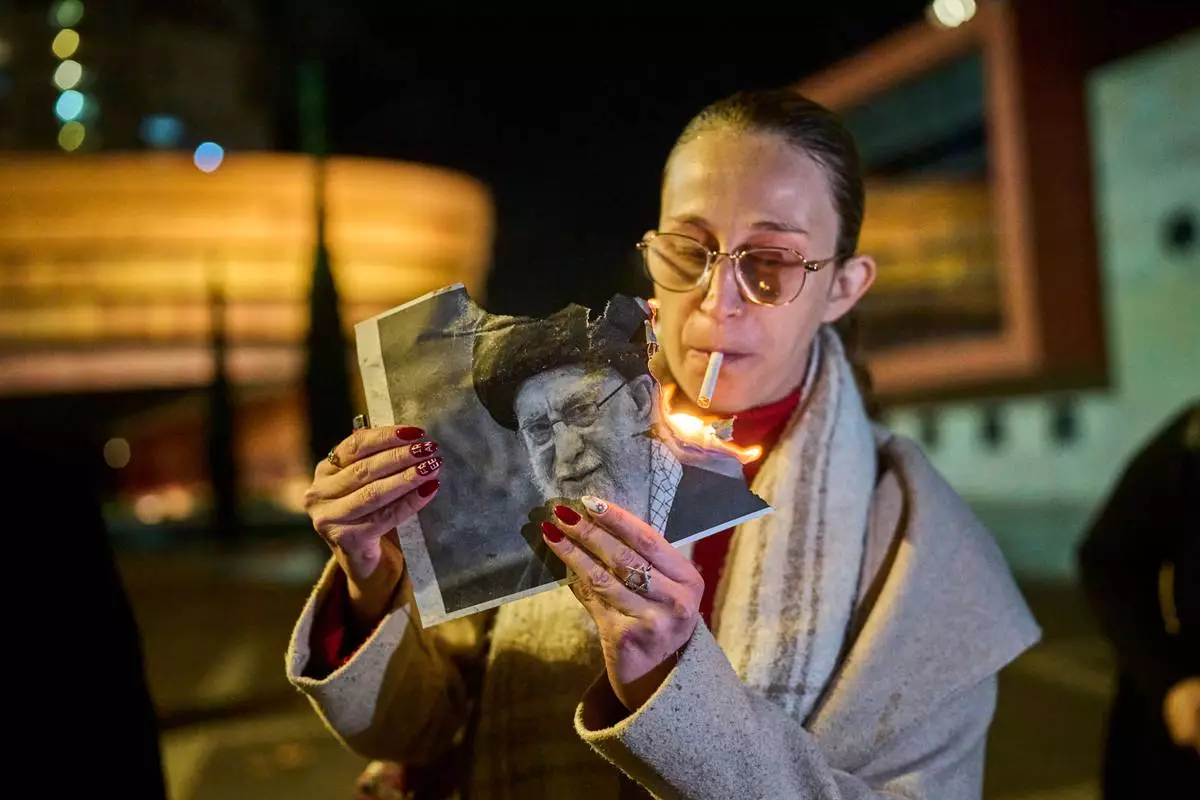
A demonstrator lights a cigarette with a burning poster depicting Supreme Leader Ayatollah Ali Khamenei during a rally in support of Iran's anti-government protests, in Holon, Israel, Wednesday, Jan. 14, 2026. (AP Photo/Ohad Zwigenberg)
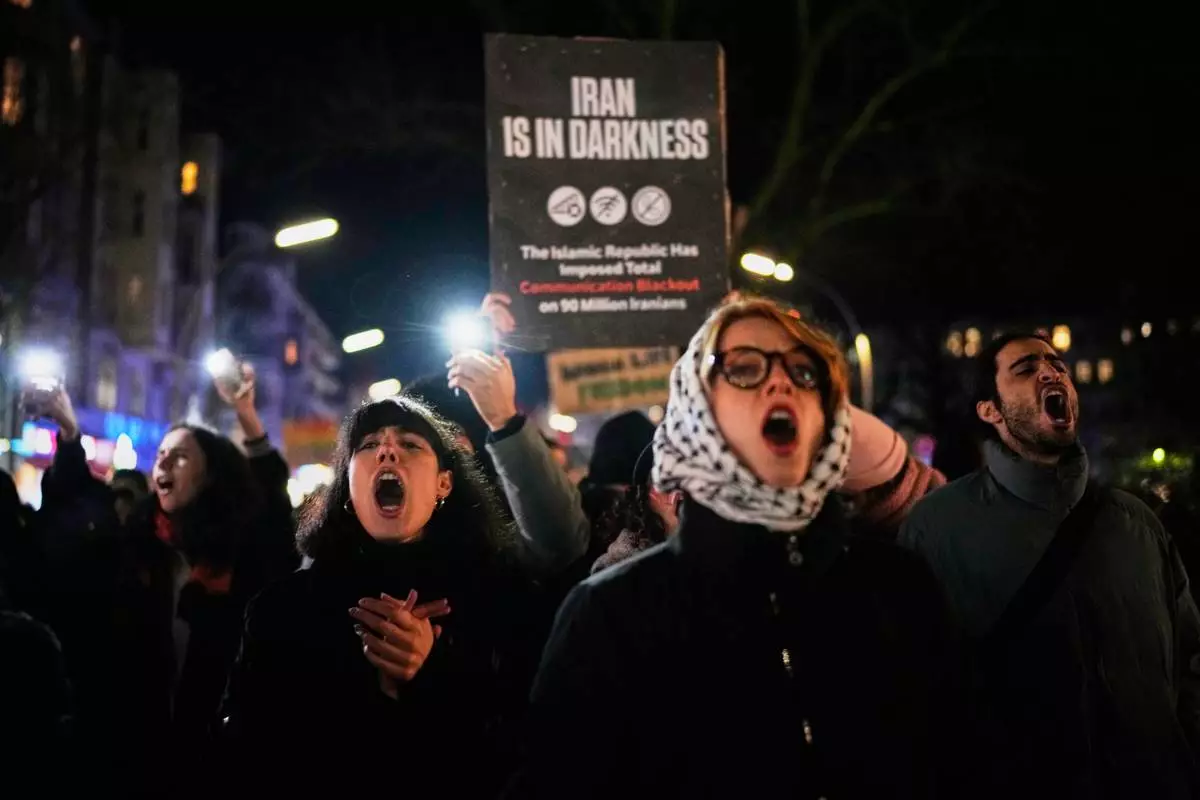
Protesters participate in a demonstration in support of the nationwide mass protests in Iran against the government, in Berlin, Germany, Wednesday, Jan. 14, 2026. (AP Photo/Ebrahim Noroozi)
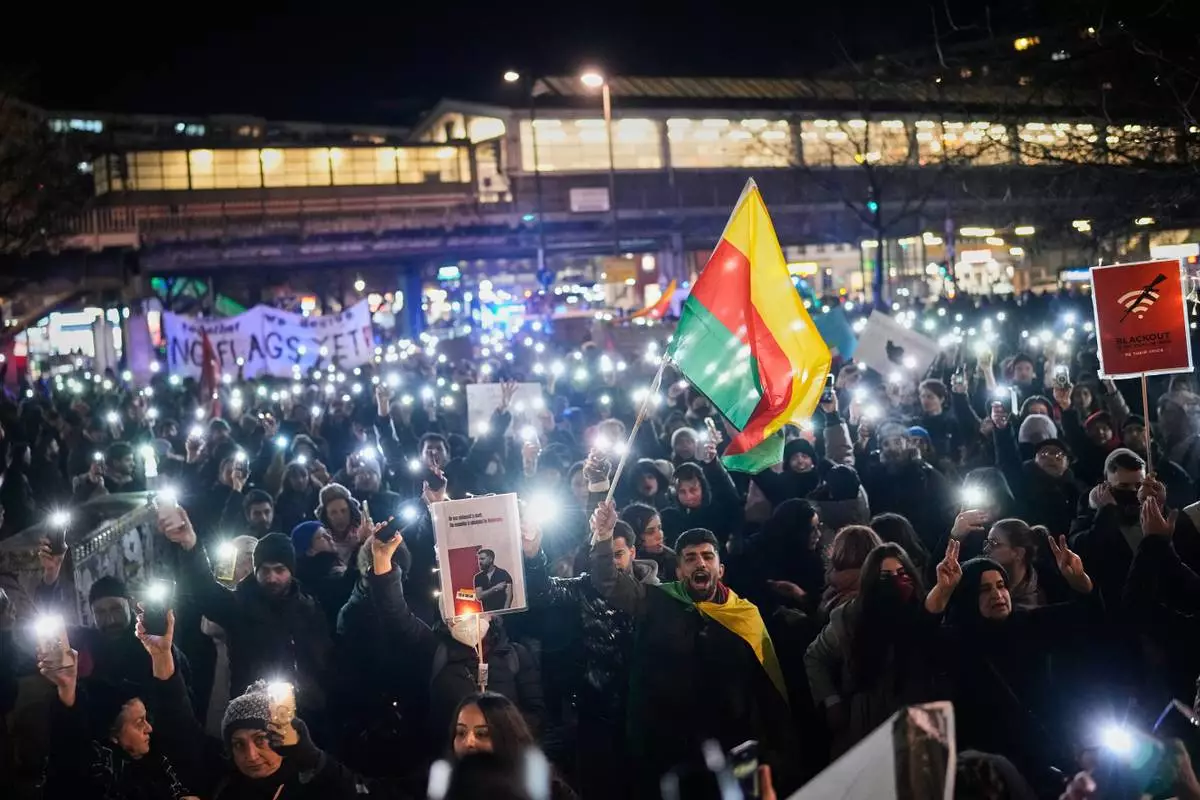
Protesters participate in a demonstration in support of the nationwide mass protests in Iran against the government, in Berlin, Germany, Wednesday, Jan. 14, 2026. (AP Photo/Ebrahim Noroozi)