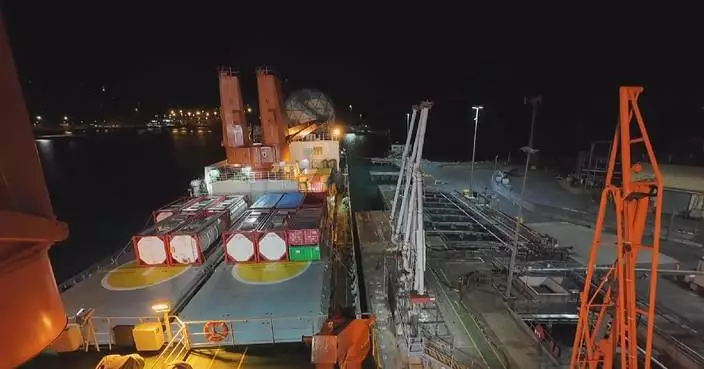
China has initiated an anti-dumping investigation into pea starch imports from Canada starting from Tuesday, according to the Ministry of Commerce.
The probe comes after six Chinese companies submitted evidence showing pea starch imports from Canada had surged while being sold below domestic prices, causing significant losses to local producers, according to a MOC statement released on Tuesday.
The investigation will examine trade practices from January to December 2024, with potential effects on China's market being assessed from 2021 through 2024.
Authorities stressed the investigation complies with both Chinese regulations and World Trade Organization rules, with all parties given opportunities to participate in the proceedings.
The product under review, unmodified pea starch used in food processing and industrial applications, falls under tariff code 11081900.
The ministry noted the investigation should normally conclude within one year, though may be extended by six months if required.
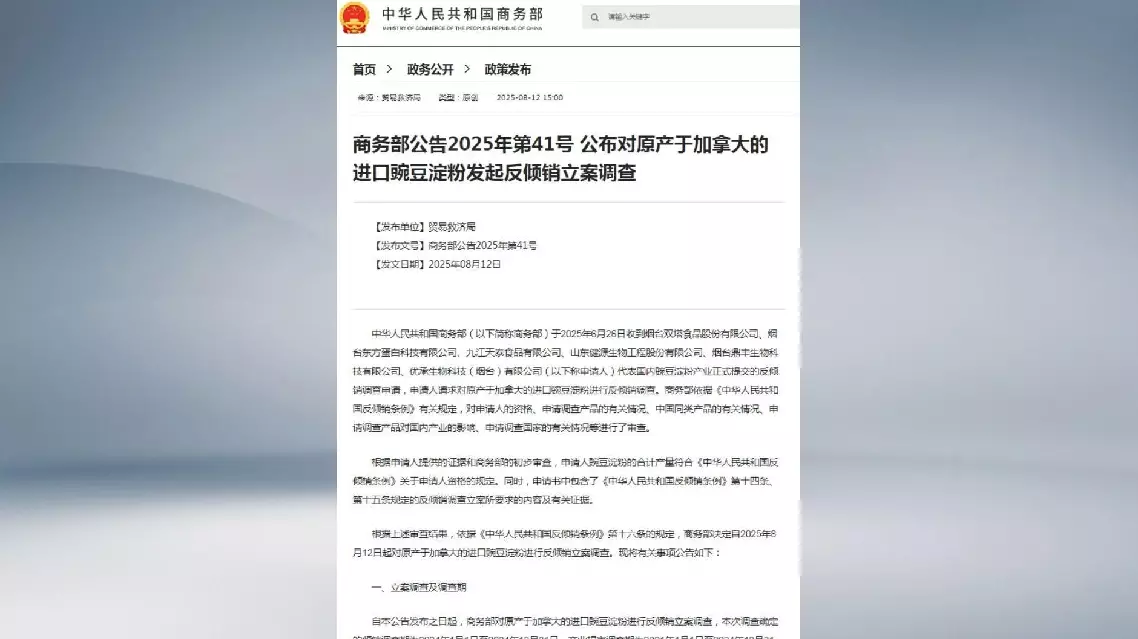
China launches anti-dumping probe into pea starch imports from Canada
As foreign trade is an important part of China's open economy and a driving force for national economic development, Chinese Commerce Minister Wang Wentao said China will step up efforts to promote innovative development of its cross-border commerce.
In a recent interview with China Media Group, Wang said that China's foreign trade in goods grew by 3.8 percent year on year to reach 45.47 trillion yuan (about 6.53 trillion U.S. dollars) in 2025, hitting a new record and marking the first time that the volume has exceeded the 45-trillion-yuan threshold. The country is also expected to maintain its position as the world's largest trading nation in goods in 2025.
He stated that the global economy currently faces insufficient growth momentum, persistent geopolitical tensions, and a marked slowdown in trade expansion. The World Trade Organization has also revised its projected growth rate for global trade in 2026 downward to 0.5 percent, reflecting heightened uncertainty in the international trade environment.
In the face of significant challenges and mounting risks, China this year will advance the coordinated development of goods trade, service trade, and digital trade in a comprehensive and systematic manner, with the aim of ensuring stability and resilience in foreign trade performance, Wang stressed.
"We will consolidate and expand diversified markets. We will do a good job in hosting important exhibitions such as the Canton Fair, attract more overseas buyers to attend and purchase, and increase support for enterprises to participate in exhibitions abroad. We will guide the healthy and standardized development of new forms and models of foreign trade such as cross-border e-commerce. China has reached 23 free trade agreements (FTA) with 30 countries and regions. We will support and guide enterprises to make good use of these agreements to expand trade exchanges," he said.
China will promote balanced trade development in 2026, said Wang, adding that it will actively expand imports through measures such as coordinated exhibition events and targeted procurement.
"We will continue to expand the influence of the 'Export to China' brand, hold a series of matchmaking events, make full use of various trade promotion platforms including the China International Import Expo, leverage the role of national demonstration zones for import trade promotion and innovation, enhance the facilitation of import trade, optimize the sources and structure of imported goods, and better meet the needs of industrial development and people's pursuit of a better life," he continued.
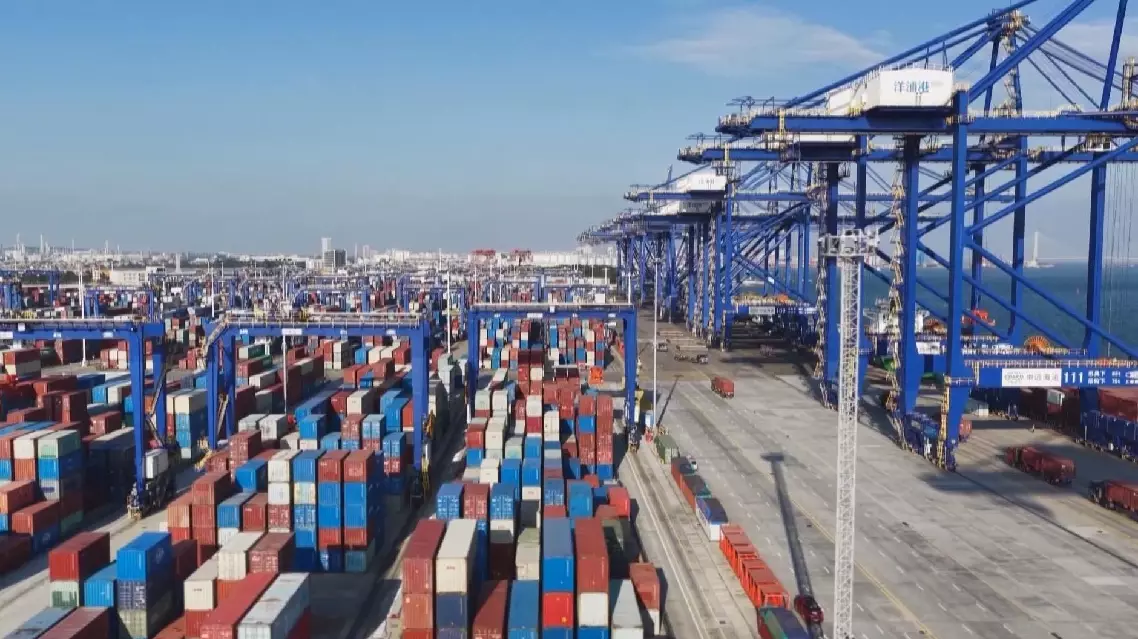
China to promote innovative development of foreign trade