Skip to Content Facebook Feature Image

Hong Kong Health Delegation Visits Singapore to Enhance Biomedical Innovation and Primary Healthcare Collaboration

HK

Hong Kong Health Delegation Visits Singapore to Enhance Biomedical Innovation and Primary Healthcare Collaboration
HK

HK

Hong Kong Health Delegation Visits Singapore to Enhance Biomedical Innovation and Primary Healthcare Collaboration

2025-08-14 17:34 Last Updated At:17:48

Secretary for Health concludes visit to Singapore

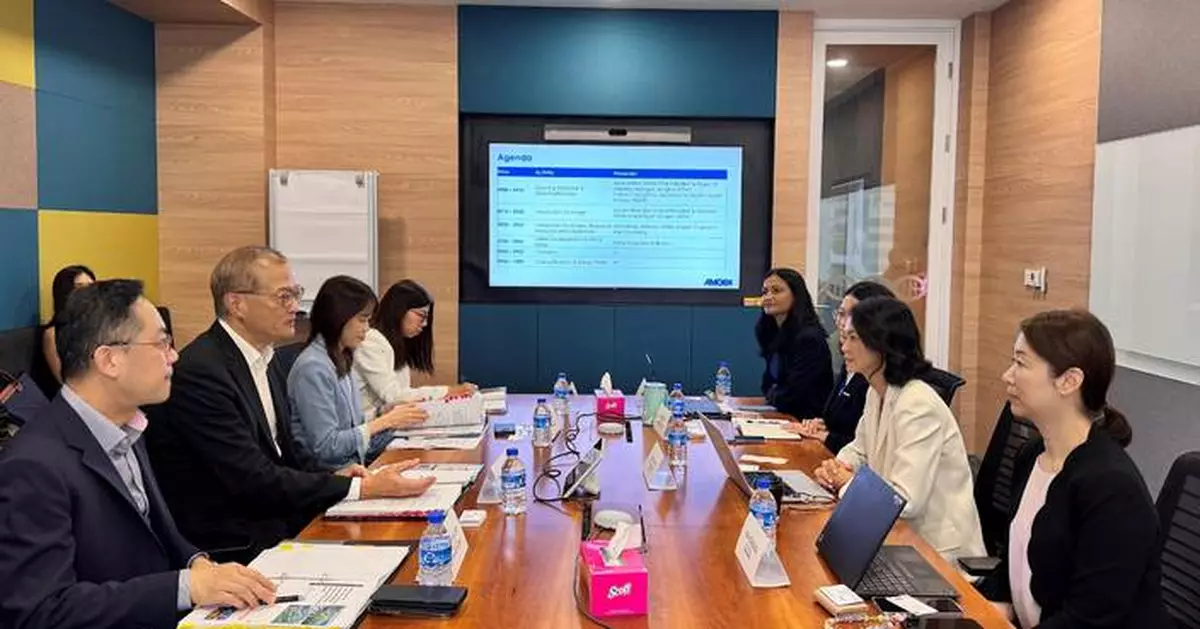
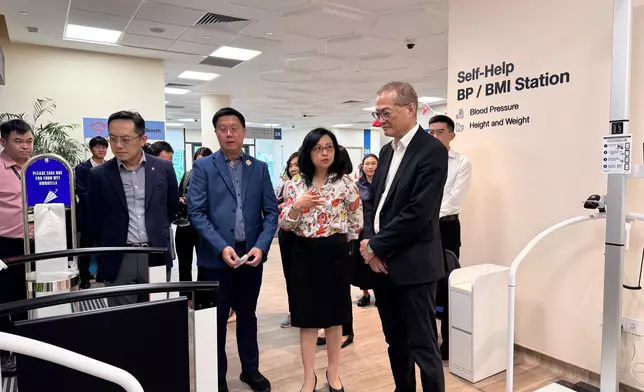
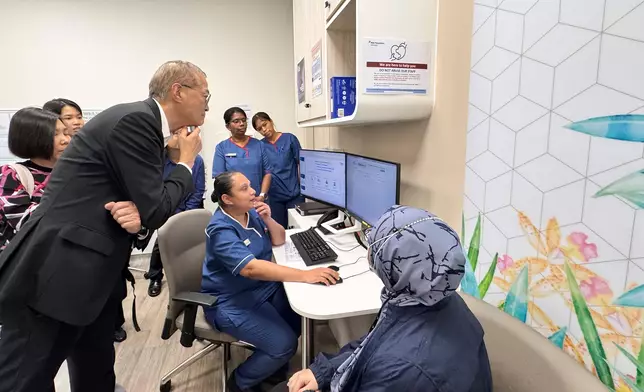
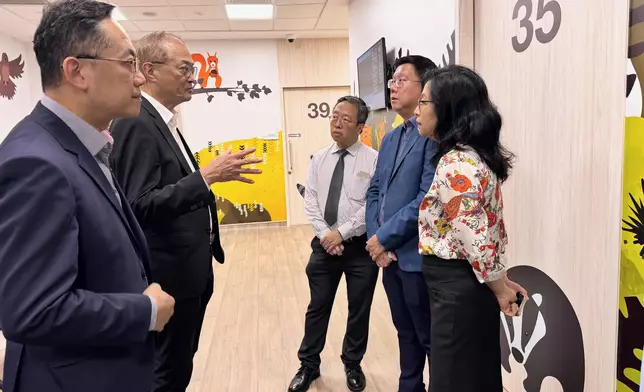
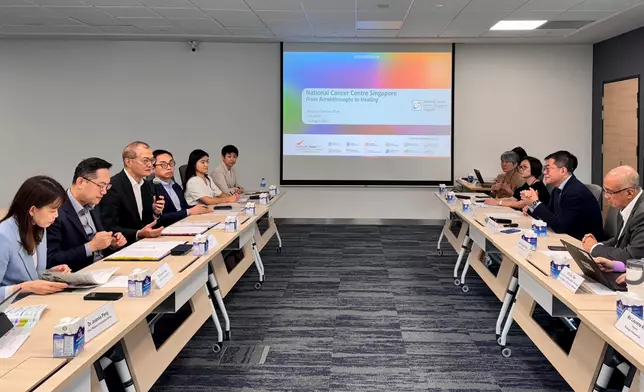
The Secretary for Health, Professor Lo Chung-mau, led a delegation to continue their visit to Singapore today (August 14), visiting the National Cancer Centre Singapore, a pharmaceutical company, and a polyclinic.

More Images
Secretary for Health concludes visit to Singapore  Source: HKSAR Government Press Releases
Secretary for Health concludes visit to Singapore Source: HKSAR Government Press Releases
Secretary for Health concludes visit to Singapore  Source: HKSAR Government Press Releases

Secretary for Health concludes visit to Singapore Source: HKSAR Government Press Releases
Secretary for Health concludes visit to Singapore  Source: HKSAR Government Press Releases

Secretary for Health concludes visit to Singapore Source: HKSAR Government Press Releases

Secretary for Health concludes visit to Singapore  Source: HKSAR Government Press Releases

Secretary for Health concludes visit to Singapore Source: HKSAR Government Press Releases
Secretary for Health concludes visit to Singapore  Source: HKSAR Government Press Releases

Secretary for Health concludes visit to Singapore Source: HKSAR Government Press Releases
Secretary for Health concludes visit to Singapore  Source: HKSAR Government Press Releases

Secretary for Health concludes visit to Singapore Source: HKSAR Government Press Releases

Secretary for Health concludes visit to Singapore  Source: HKSAR Government Press Releases

Secretary for Health concludes visit to Singapore Source: HKSAR Government Press Releases

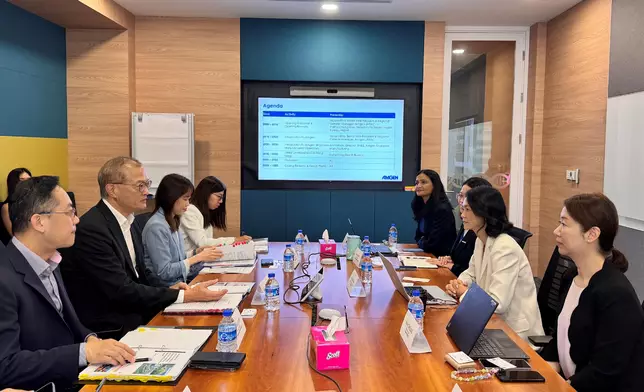
During the visit to Amgen Biotechnology Singapore this morning, the delegation introduced various key measures for Hong Kong's development as an international health and medical innovation hub, including expediting the reform of the approval mechanism for drugs and medical devices, enhancing Hong Kong's clinical trial capability on all fronts and facilitating the translation of innovative biomedical research results into clinical applications. Professor Lo emphasised, "Hong Kong will continue to leverage its international advantages to actively promote the research and development (R&D) and application of biomedical technologies. Through the establishment of the Hong Kong Centre for Medical Products Regulation and the Greater Bay Area International Clinical Trial Institute, we will further improve the mechanisms for new drug R&D and approval, attracting global top-notch innovative enterprises and R&D organisations to set up operations in Hong Kong. These measures will not only accelerate patient access to advanced treatments but also solidify Hong Kong's position as an international health and medical innovation hub."

Professor Lo encouraged overseas pharmaceutical companies to make good use of the "1+" mechanism for the approval of new drugs, and "primary evaluation" for new drug registration, which will be rolled out in phases starting next year, to introduce newly developed drugs into Hong Kong to meet local healthcare needs. He also welcomed overseas pharmaceutical companies to conduct clinical trials in Hong Kong, fully leveraging the multiple unique advantages of Hong Kong to facilitate the translation and clinical application of advanced biomedical technologies.

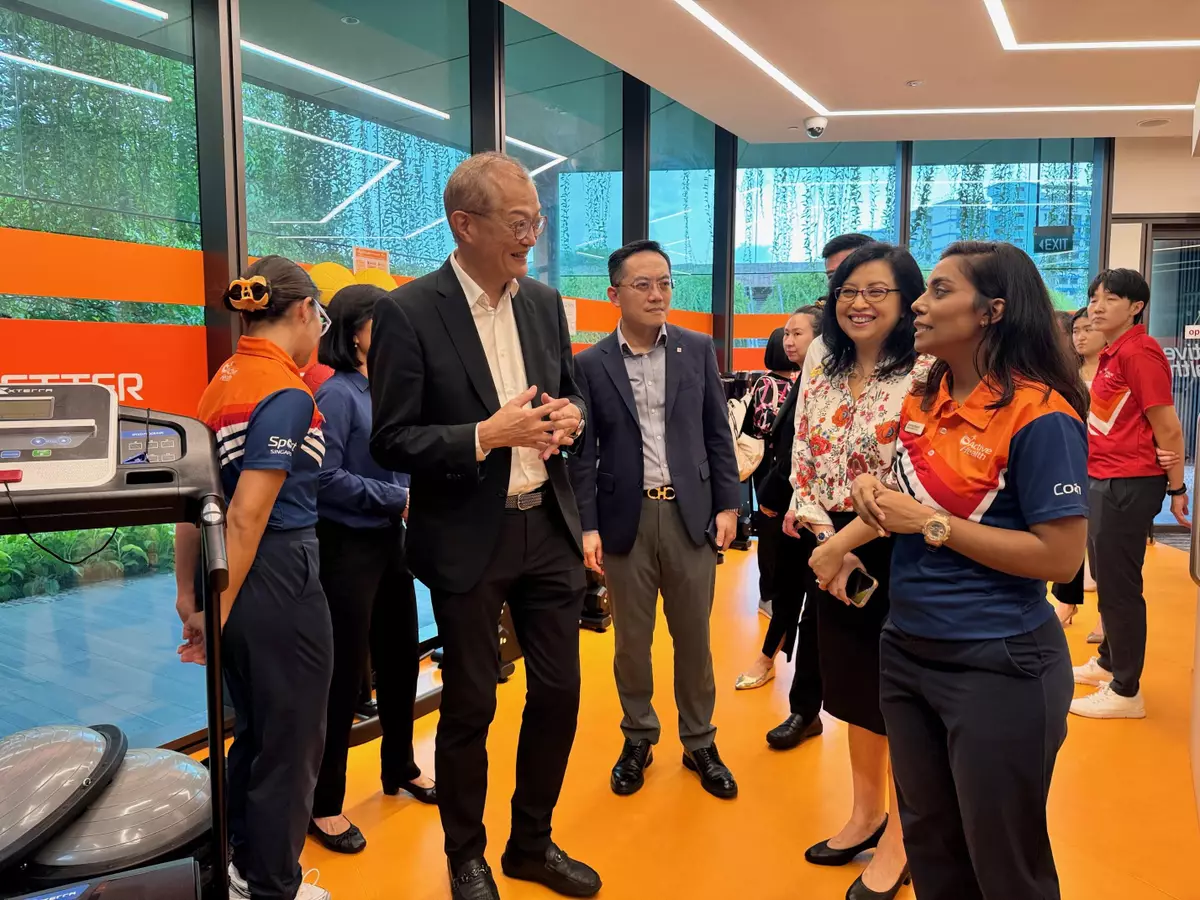
The delegation also visited the National Cancer Centre Singapore this morning and introduced the work of the Hong Kong Special Administrative Region (HKSAR) Government in cancer prevention, screening, diagnosis and treatment. Professor Lo said, "Hong Kong has established the Cancer Coordinating Committee to formulate strategies on cancer prevention and control as early as 2001, and launched the Hong Kong Cancer Strategy in 2019, with a view to reducing the cancer burden on Hong Kong through setting work priorities and directions. Addressing cancer encompasses education, prevention and screening, surveillance, research, treatment, etc. For instance, on prevention and screening, the Government has rolled out the Cervical Screening Programme, the Colorectal Cancer Screening Programme and the Breast Cancer Screening Pilot Programme (BCSPP) based on recommendations from experts. The Government is formulating risk-based screening programmes for prevalent cancers on a gradual basis, including the BCSPP Phase II that has been rolled out and the hepatitis B screening programme to be launched by the Primary Healthcare Commission to reduce the risk of complications, such as liver cancer, of people infected with hepatitis B virus. The Government is also exploring the feasibility of using artificial intelligence to assist lung cancer screening to further enhance cancer prevention."

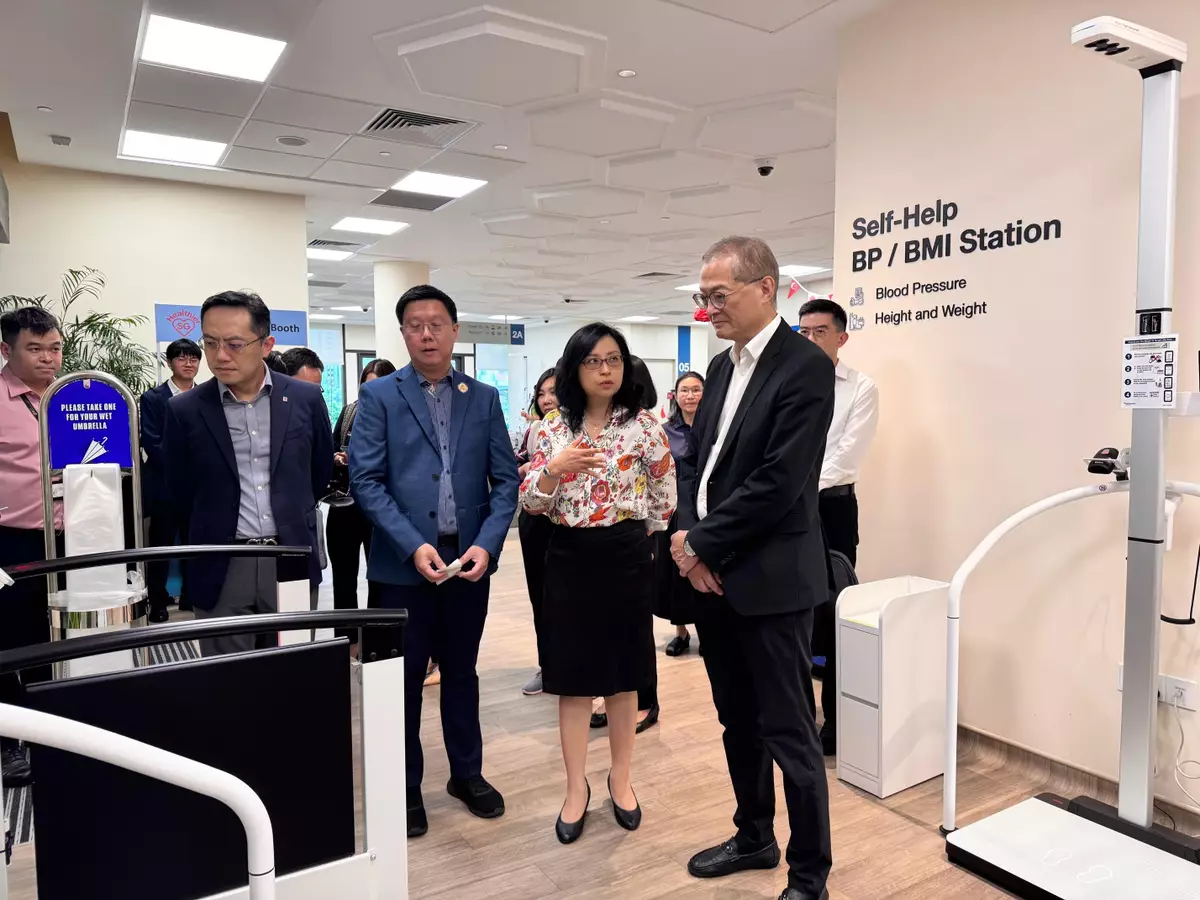
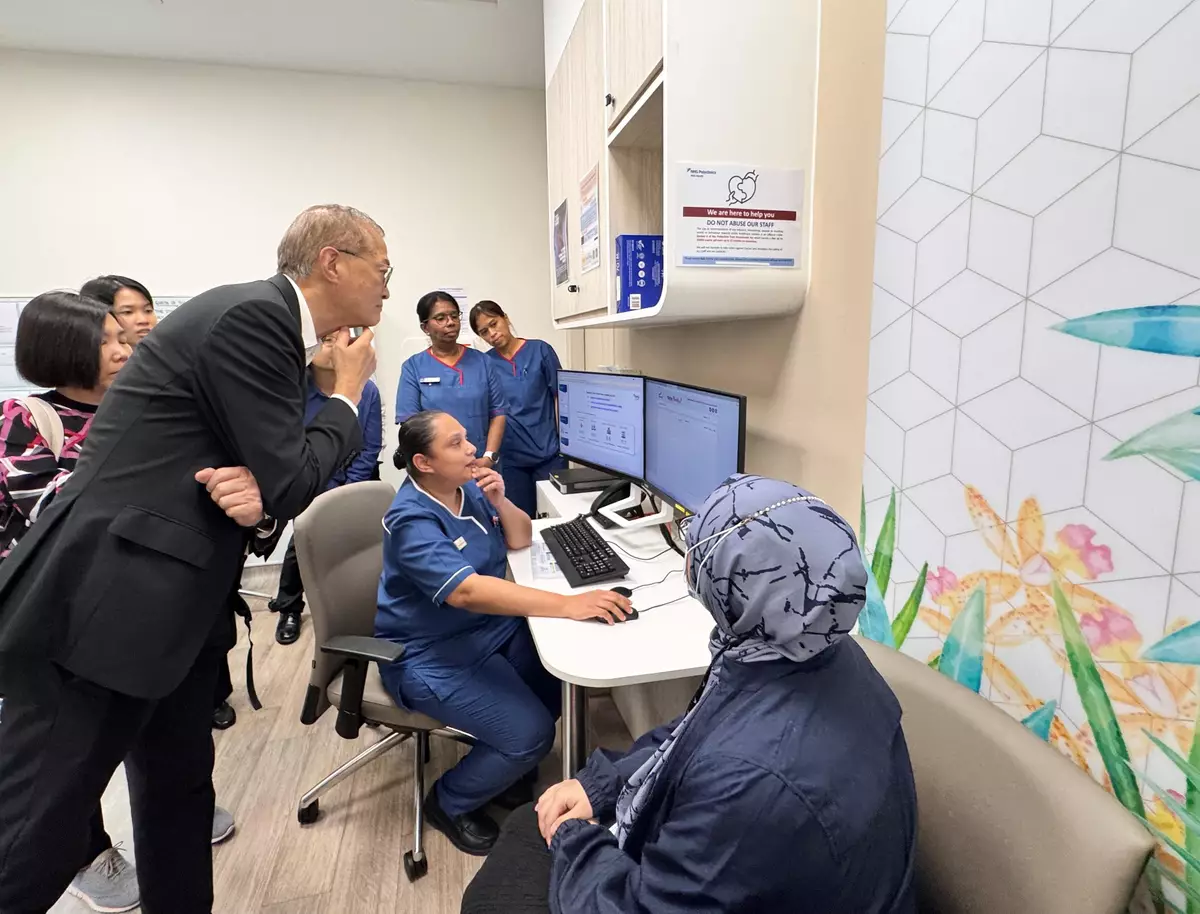
In the afternoon, Professor Lo visited the National Healthcare Group Sembawang Polyclinic for an in-depth exchange on primary healthcare services in Hong Kong and Singapore with the senior personnel of the polyclinic. He said, "Hong Kong is actively taking forward a major reform of its primary healthcare system to address the challenges posed by an ageing population and the increasing prevalence of chronic diseases. Based on the principle of 'prevention-focused and community-based', the HKSAR Government aims to build a sustainable healthcare system and fully enhance the health outcomes of citizens through systematic early intervention and co-ordinated care. In particular, we are promoting the 'Family Doctor for All' concept, strengthening the District Health Centre network across Hong Kong, and implementing the Chronic Disease Co-Care Pilot Scheme that subsidises eligible citizens to undergo screening for diabetes mellitus, hypertension and blood lipid and follow-up treatment, to achieve the objectives of 'early prevention, early identification and early treatment'. I look forward to jointly exploring best practices in primary healthcare with the health authorities of Singapore, with a view to promoting sustainable healthcare development in the Asia-Pacific region."

Members of the delegation include the Director of Health, Dr Ronald Lam, Deputy Secretary for Health Ms Elaine Mak, and a representative from the Hospital Authority. They concluded the visit today and will return to Hong Kong this evening.
Secretary for Health concludes visit to Singapore  Source: HKSAR Government Press Releases
Secretary for Health concludes visit to Singapore Source: HKSAR Government Press Releases
Secretary for Health concludes visit to Singapore  Source: HKSAR Government Press Releases

Secretary for Health concludes visit to Singapore Source: HKSAR Government Press Releases
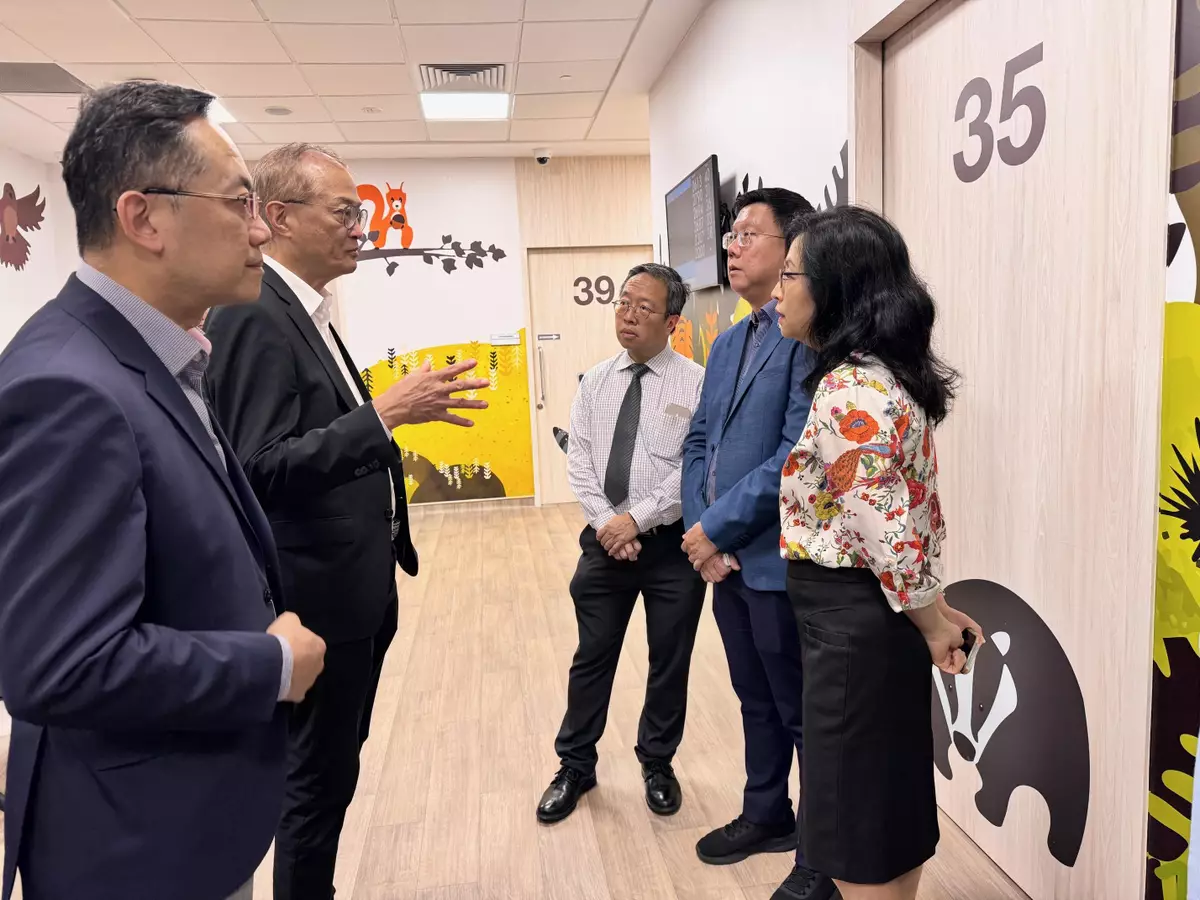
Secretary for Health concludes visit to Singapore  Source: HKSAR Government Press Releases

Secretary for Health concludes visit to Singapore Source: HKSAR Government Press Releases

Secretary for Health concludes visit to Singapore  Source: HKSAR Government Press Releases

Secretary for Health concludes visit to Singapore Source: HKSAR Government Press Releases
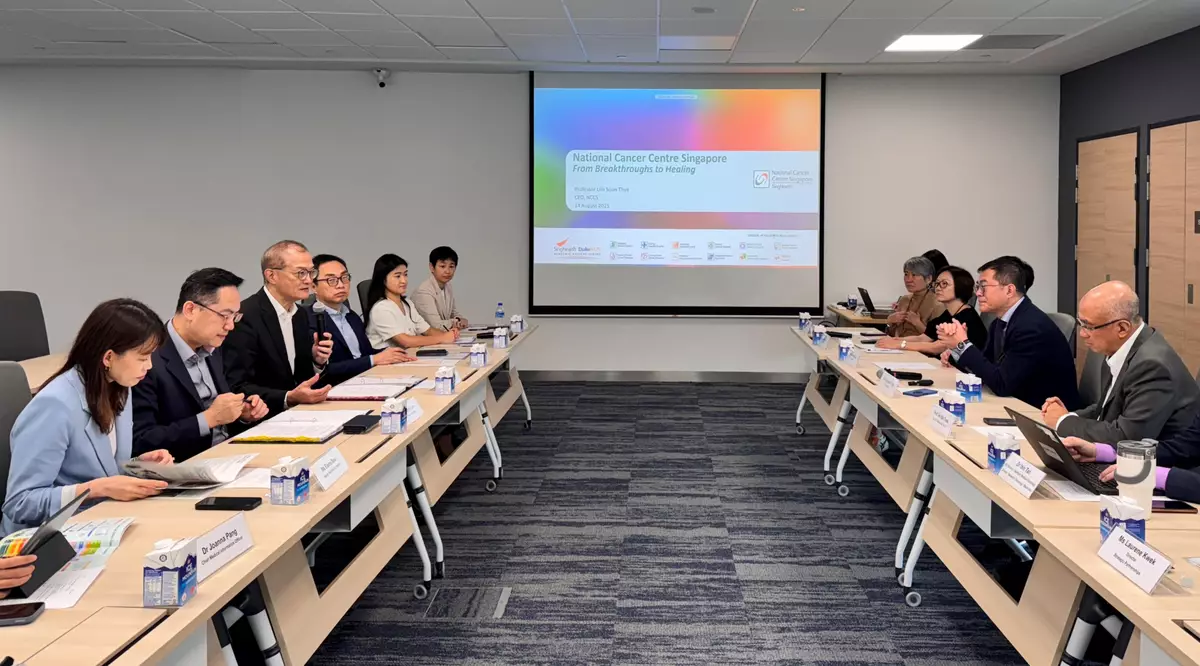
Secretary for Health concludes visit to Singapore  Source: HKSAR Government Press Releases

Secretary for Health concludes visit to Singapore Source: HKSAR Government Press Releases
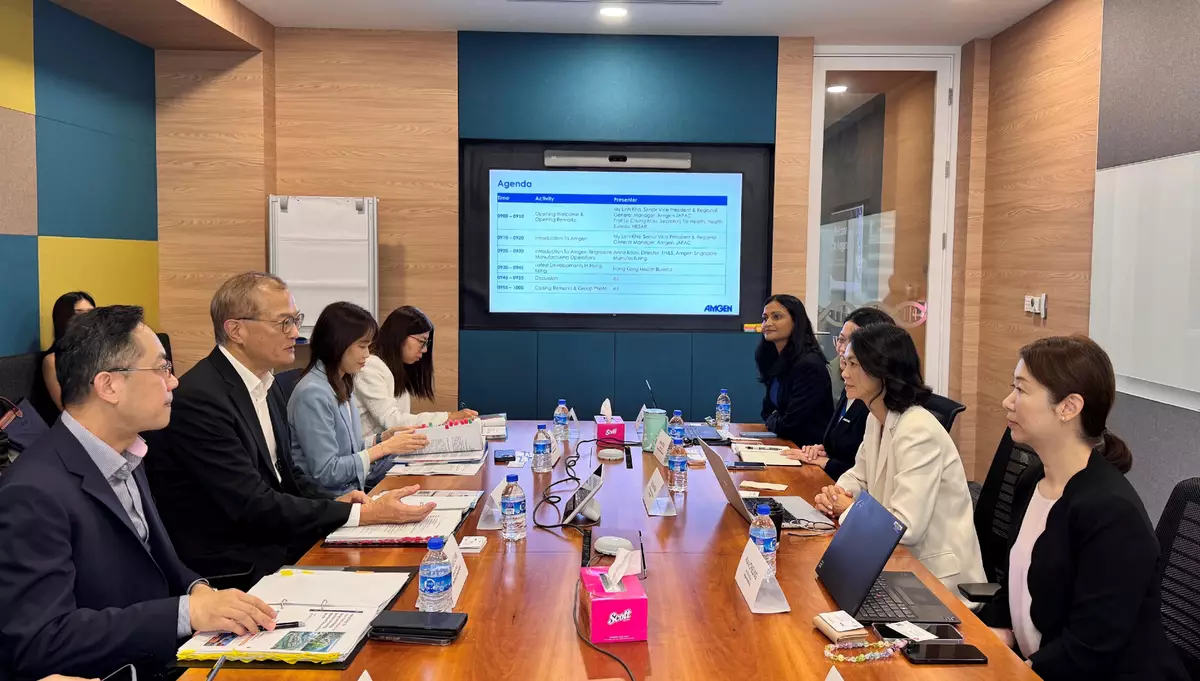
Secretary for Health concludes visit to Singapore  Source: HKSAR Government Press Releases

Secretary for Health concludes visit to Singapore Source: HKSAR Government Press Releases

Secretary for Health concludes visit to Singapore  Source: HKSAR Government Press Releases

Secretary for Health concludes visit to Singapore Source: HKSAR Government Press Releases

Update on chikungunya fever

The Centre for Health Protection (CHP) of the Department of Health announced that, as of 5pm today (January 25), no new cases of chikungunya fever (CF) had been recorded.

Latest surveillance data

---------------------------

Hong Kong has recorded a total of 82 confirmed CF cases last year. Among them, 11 were local cases, and the rest were imported cases.

Since the beginning of 2025, and as of December 10, 2025, a total of 502 264 CF cases and 186 CF-related deaths have been reported in over 40 countries/territories. Cases have been reported in the Americas, Africa, Asia, and Europe. Although the northern hemisphere has entered the winter season, temperatures in subtropical and some temperate regions remain elevated due to climate change, creating favourable conditions for mosquito breeding. In addition, CF outbreaks continue to occur in many countries worldwide. The risk of imported cases persists. Members of the public should check the situation of the destinations before travelling abroad, especially when travelling to Southeast Asian countries.

Continuously strengthening prevention and control

---------------------------------------------------------

Given that some local cases of CF have visited the Tsing Yi Nature Trails or the surrounding area in November last year, the trails are currently closed until further notice. Relevant government departments (including the Food and Environmental Hygiene Department (FEHD), Kwai Tsing District Office, Lands Department, Drainage Services Department, and Civil Engineering and Development Department) have been continuously conducting comprehensive mosquito control and environmental remediation work along the trails. Since the confirmation on December 10, 2025, of a case involving a person who had visited the Tsing Yi Nature Trails on November 30, 2025, no further local cases have been recorded to date.

The FEHD and relevant departments have comprehensively enhanced the mosquito control operations in Hong Kong since July last year, and this has continued. Among these, the FEHD has conducted vector investigations and targeted mosquito control operations against the imported and local cases. In light of the local cases, the FEHD has immediately conducted follow-up actions, including:

  • carrying out intensive fogging in scrubby areas within a 250-metre radius of the relevant locations to kill adult mosquitoes;

  • carrying out inspections of the locations, removing stagnant water, applying insecticides and disposing of abandoned water containers every week with a view to preventing mosquito breeding; and

  • enhancing public education efforts through organising health talks, setting up mobile education stations, and distributing publicity leaflets.

The abovementioned measures will be continued. Furthermore, the Government will further enhance the mosquito control efforts in addition to the existing measures.

Preventive measures to be taken by the public

----------------------------------------------------

Members of the public should use DEET-containing insect repellents or other effective active ingredients properly to prevent mosquito bites, but the following precautions should be taken when using them:

  • read the label instructions carefully first;

  • apply right before entering an area with a risk of mosquito bites;

  • apply on exposed skin and clothing;

  • use DEET of up to 30 per cent for pregnant women and up to 10 per cent for children (for children who travel to countries or areas where mosquito-borne diseases are endemic or epidemic and where exposure is likely, those aged 2 months or above can use DEET-containing insect repellents with a DEET concentration of up to 30 per cent);

  • apply sunscreen first, then insect repellent;

  • reapply only when needed and follow the instructions; and

  • in addition to DEET, there are other insect repellents available on the market containing different active ingredients, such as IR3535 and picaridin. When using any insect repellent, the public should follow the usage instructions and precautions on the product label.

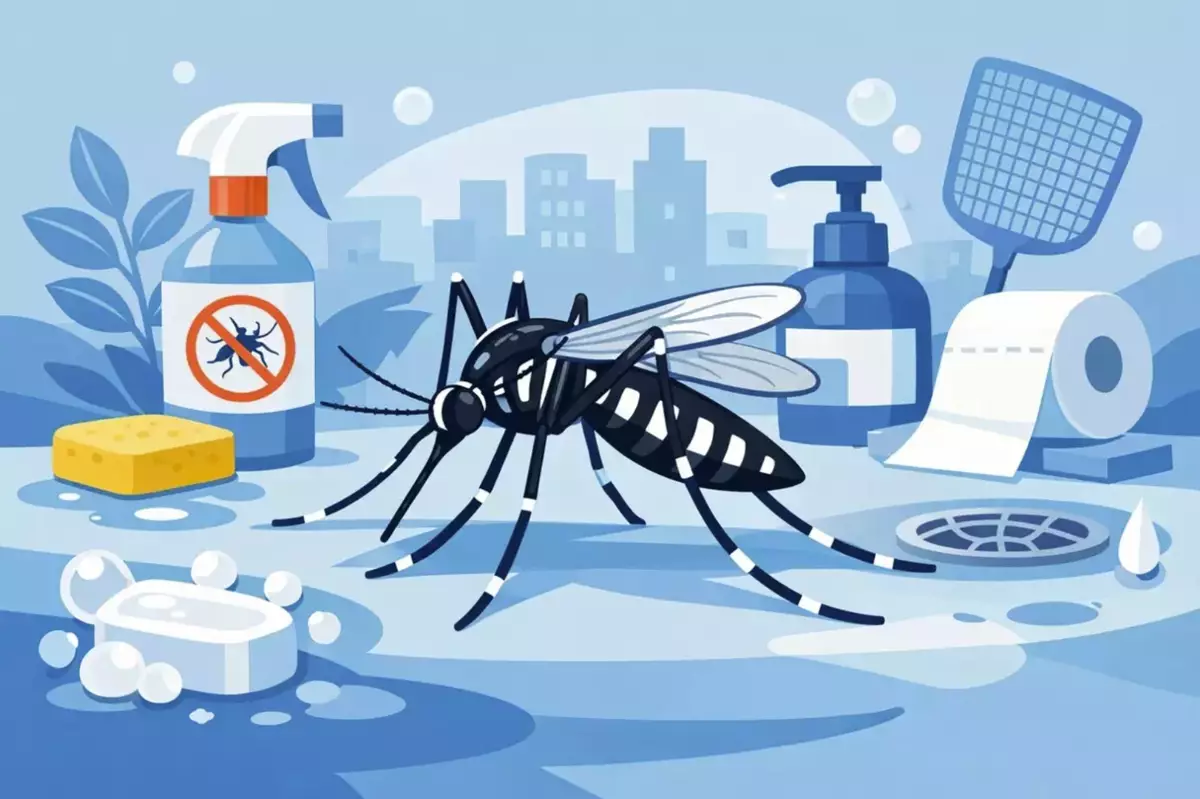
The FEHD also appeals to members of the public to continue to stay alert and work together to carry out mosquito prevention and control measures early, including inspecting their homes and surroundings to remove potential breeding grounds, changing water in vases and scrubbing their inner surfaces, removing water in saucers under potted plants at least once a week, and properly disposing of containers such as empty cans and lunch boxes. The FEHD also advises members of the public and property management agencies to keep drains free of blockage and level all defective ground surfaces to prevent the accumulation of water. They should also scrub all drains and surface sewers with an alkaline detergent at least once a week to remove any mosquito eggs.

The public should call 1823 in case of mosquito problems, and may visit the following pages for more information: the CF page of the CHP and the Travel Health Service, the latest Travel Health Newstips for using insect repellents, and the CHP Facebook PageInstagram Account and YouTube Channel, and also the Mosquito Prevention and Control dedicated page of the FEHD.

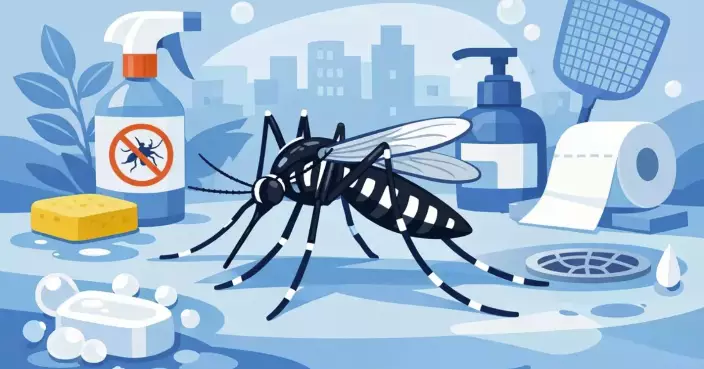
Source: AI-created image

Source: AI-created image

Recommended Articles