A woman named Drolma in southwest China's Xizang Autonomous Region is playing an active role in the revival of Tibetan handicrafts, with her efforts effectively preserving an important part of the traditional culture while boosting income for artisans.
Five minutes of walk from Lhasa's tourist trail stands Dropenling - Drolma's unassuming handicraft store - that is changing lives across Xizang by turning traditional crafts into sustainable incomes.
"We pride ourselves on being unique. Dropenling connects countless rural artisans and heritage craft masters across Xizang, so our products come in a wide variety of styles," said Drolma.
More than a store, Dropenling is a bridge between tradition and modernity. Deep in Xizang's remote pastures and farmlands, Drolma has established workshops, training local women in standardized techniques while preserving cultural heritage. The Everest Workshop is a shining example.
"The Everest Workshop specializes in handmade pieces featuring Tibetan Applique (embossed embroidery), an intangible cultural heritage craft traditionally used in Thangka paintings. We adapted it to suit the local artisans' strengths, empowering more women to join the initiative," said Drolma.
The Everest workshop took root three years ago after Drolma surveyed 29 villages. By merging ancestral skills with contemporary design, Dropenling has nurtured over 60 local artisans across three programs: weaving, embroidery, and nomadic crafts. The artisans work during farming off-seasons, generating crucial income for families.
"We aim for artisans to earn 30-40 percent of each product's price value. Over six years, we've secured nearly six million yuan (about 835,000 in U.S. dollars) in orders, helped 300 rural women in total. On average, each earns 15,000 to 20,000 yuan monthly. Some even reach 40,000. Fairness here means the more you craft, the more you gain," Drolma said.
A law graduate at Peking University, Drolma left Beijing's skyscrapers in 2012 and returned to Lhasa's winding alleys, bringing back expertise and a mission.
"I grew up in Barkhor Street, dreaming of seeing the world, becoming 'the best' - an elite. So I went to Beijing, immersed myself for 17 years. Yet, I found myself drawn back to this ancient city. I'm still working with culture, but I’m not the same Drolma. Leaving, perhaps, was just my way of learning how to come home," she said.
Gazing ahead, Drolma envisions something beautiful - not just preserved traditions, but thriving ones.
"Through Dropenling, I want the world to see the power of craft - to honor these artisans, maybe not highly educated yet deeply rooted in the culture, their resilience, their love for life. Let Xizang's culture shine through their hands, their wisdom, their philosophy of living. My hope is for every farmer and herder to live simply, happily - to return to life's purest joy," she said.
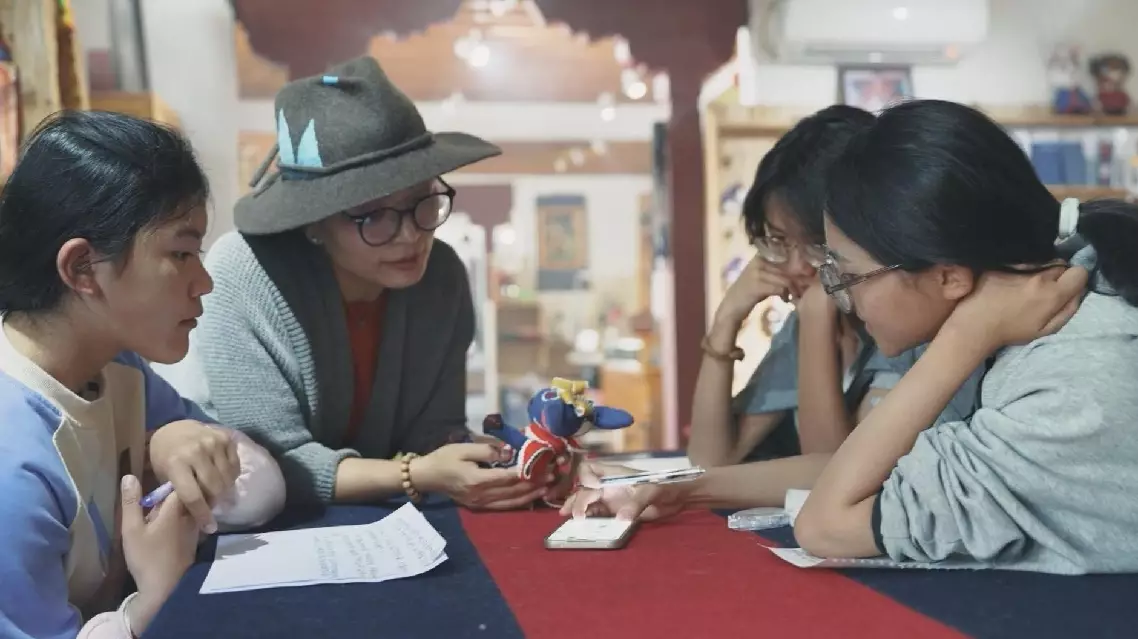
Tibetan woman turns cultural preservation into economic empowerment
Tibetan woman turns cultural preservation into economic empowerment