ANKARA, Turkey (AP) — Turkish authorities detained the mayor of a key Istanbul district along with some 40 other officials on Friday, intensifying a sweeping crackdown on the country’s opposition.
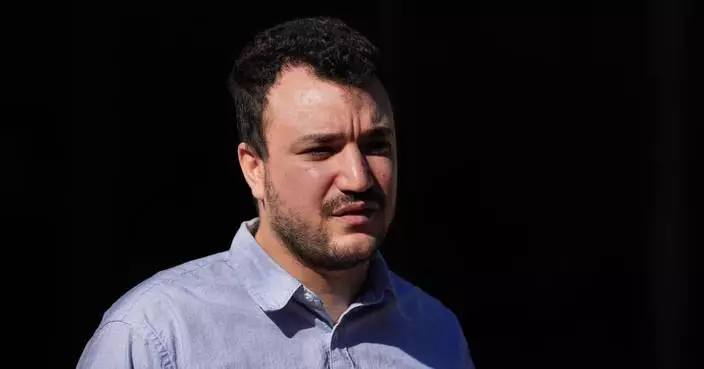
Inan Guney, mayor of Istanbul’s Beyoglu district, was taken into custody as part of an investigation into alleged corruption, the state-run Anadolu Agency reported. Guney’s bodyguard, his advisor and other aides were among those detained, the Birgun newspaper and other media reported.
Beyoglu district is held by the main opposition Republican People’s Party, or CHP. Municipalities controlled by the CHP have faced waves of arrests this year, beginning with the targeting of Istanbul Mayor Ekrem İmamoglu in March.
A popular opposition figure, Imamoglu is widely regarded as the main challenger to President Recep Tayyip Erdogan’s two-decade rule and is the CHP’s candidate for a presidential election due in 2028.
Critics argue the legal actions are politically motivated, aimed at undermining the CHP’s growing influence. Erdogan’s government insists the courts operate independently without political interference.
Istanbul and a string of major cities fell to the CHP in 2019, with the opposition further extending its control in last year’s municipal elections.
Imamoglu’s jailing led to the largest protests in Turkey for more than a decade, with demonstrators denouncing a democratic backsliding under Erdogan.
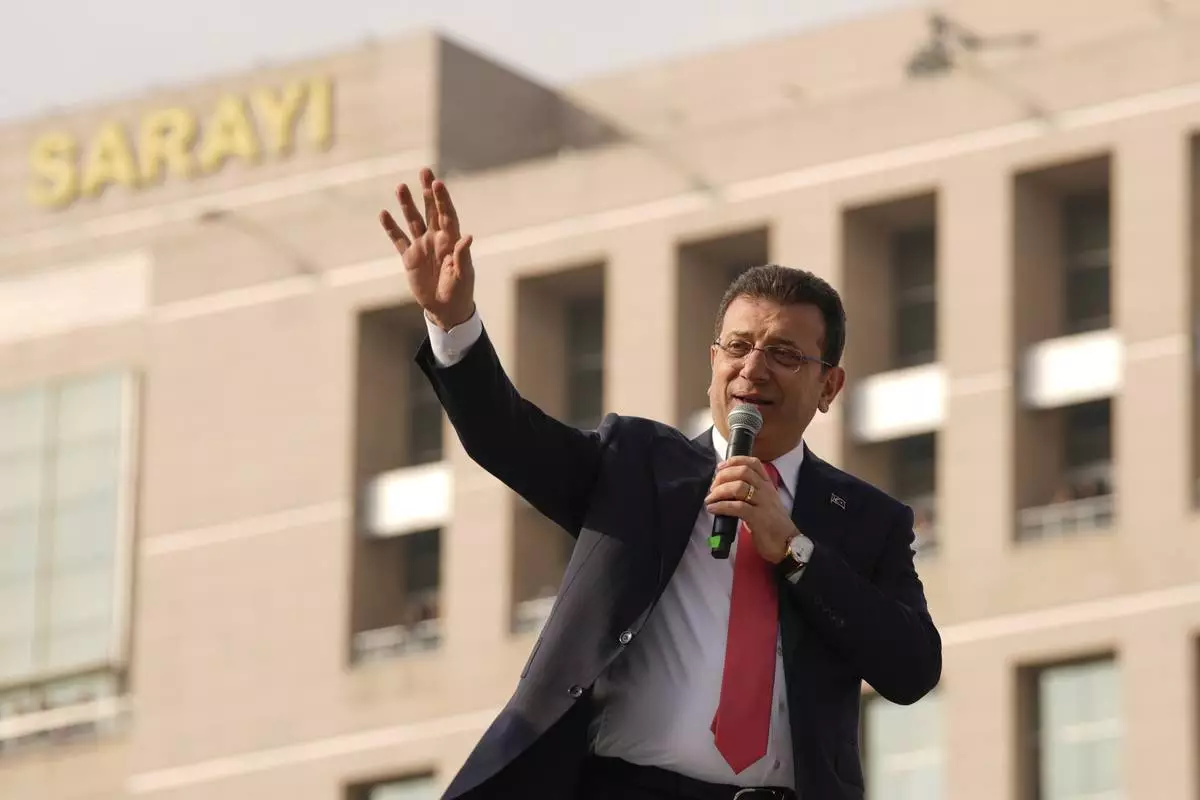
FILE - Istanbul's Mayor Ekrem Imamoglu addresses his supporters in front of the Istanbul courthouse in Istanbul, Turkey, on Jan. 31, 2025. (AP Photo/Emrah Gurel, File)
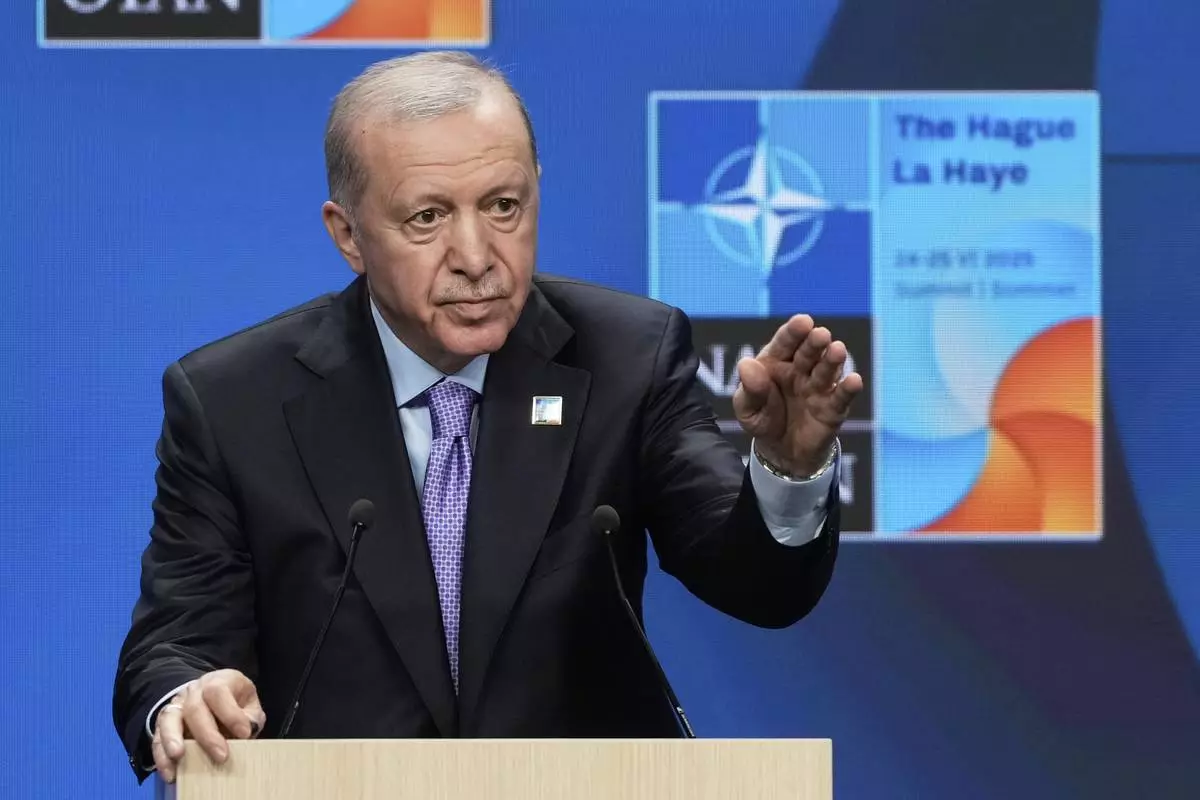
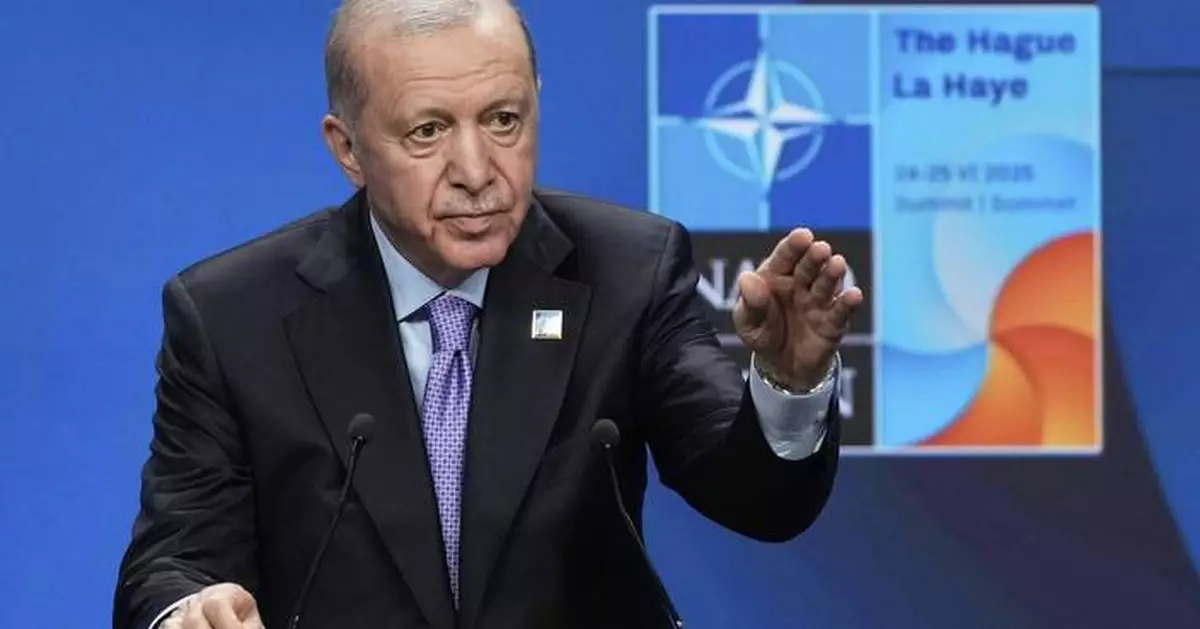
FILE - Turkish President Recep Tayyip Erdogan gestures during a press conference after the plenary session at the NATO summit in The Hague, Netherlands, on June 25, 2025. (AP Photo/Markus Schreiber, File)
CARACAS, Venezuela (AP) — Venezuela’s acting President Delcy Rodríguez on Thursday asked lawmakers to approve reforms to the oil industry that would open the doors to greater foreign investment during her first state of the union speech less than two weeks after its longtime leader was toppled by the United States.
Rodríguez, who has been under pressure by the Trump administration to fall in line with its vision for the oil-rich nation, said sales of Venezuelan oil would go to bolster crisis-stricken health services, economic development and other infrastructure projects.
She outlined a distinct vision for the future, straying from her predecessors, who have long railed against American intervention in Venezeula. “Let us not be afraid of diplomacy” with the U.S., said Rodriguez, the former vice president who must now navigate competing pressures from the Trump administration and a government loyal to former President Nicolás Maduro.
The speech, which was broadcast on a delay in Venezuela, came one day after Rodríguez said her government would continue releasing prisoners detained under Maduro in what she described as “a new political moment” since his ouster.
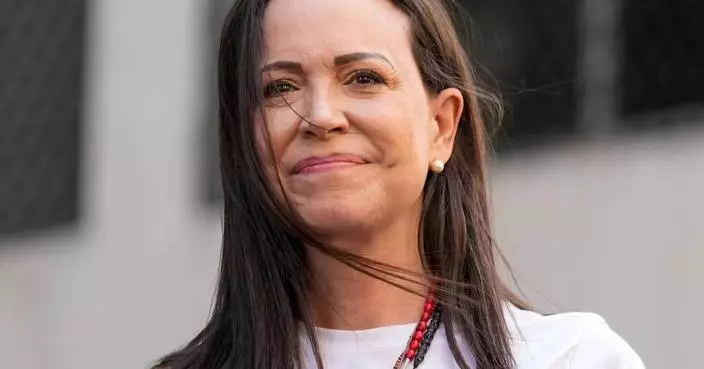
On Thursday, Trump met at the White House with Venezuelan opposition leader María Corina Machado, whose political party is widely considered to have won 2024 elections rejected by Maduro. But in endorsing Rodríguez, who served as Maduro’s vice president since 2018, Trump has sidelined Machado.
Rodríguez, who had a call with Trump earlier this week, said Wednesday evening on state television that her government would use “every dollar” earned from oil sales to overhaul the nation’s public health care system. Hospitals and other health care facilities across the country have long been crumbling, and patients are asked to provide practically all supplies needed for their care, from syringes to surgical screws.
The acting president must walk a tightrope, balancing pressures from both Washington and top Venezuelan officials who hold sway over Venezuela's security forces and strongly oppose the U.S. Her recent public speeches reflect those tensions — vacillating from conciliatory calls for cooperation with the U.S., to defiant rants echoing the anti-imperialist rhetoric of her toppled predecessor.
American authorities have long railed against a government they describe as a “dictatorship,” while Venezuela’s government has built a powerful populist ethos sharply opposed to U.S. meddling in its affairs.
For the foreseeable future, Rodríguez's government has been effectively relieved of having to hold elections. That's because when Venezuela’s high court granted Rodríguez presidential powers on an acting basis, it cited a provision of the constitution that allows the vice president to take over for a renewable period of 90 days.
Trump enlisted Rodríguez to help secure U.S. control over Venezuela’s oil sales despite sanctioning her for human rights violations during his first term. To ensure she does his bidding, Trump threatened Rodríguez earlier this month with a “situation probably worse than Maduro.”
Maduro, who is being held in a Brooklyn jail, has pleaded not guilty to drug-trafficking charges.
Before Rodríguez’s speech on Thursday, a group of government supporters was allowed into the presidential palace, where they chanted for Maduro, who the government insists remains the country’s president. “Maduro, resist, the people are rising,” they shouted.
Follow AP’s coverage of Latin America and the Caribbean at https://apnews.com/hub/latin-america
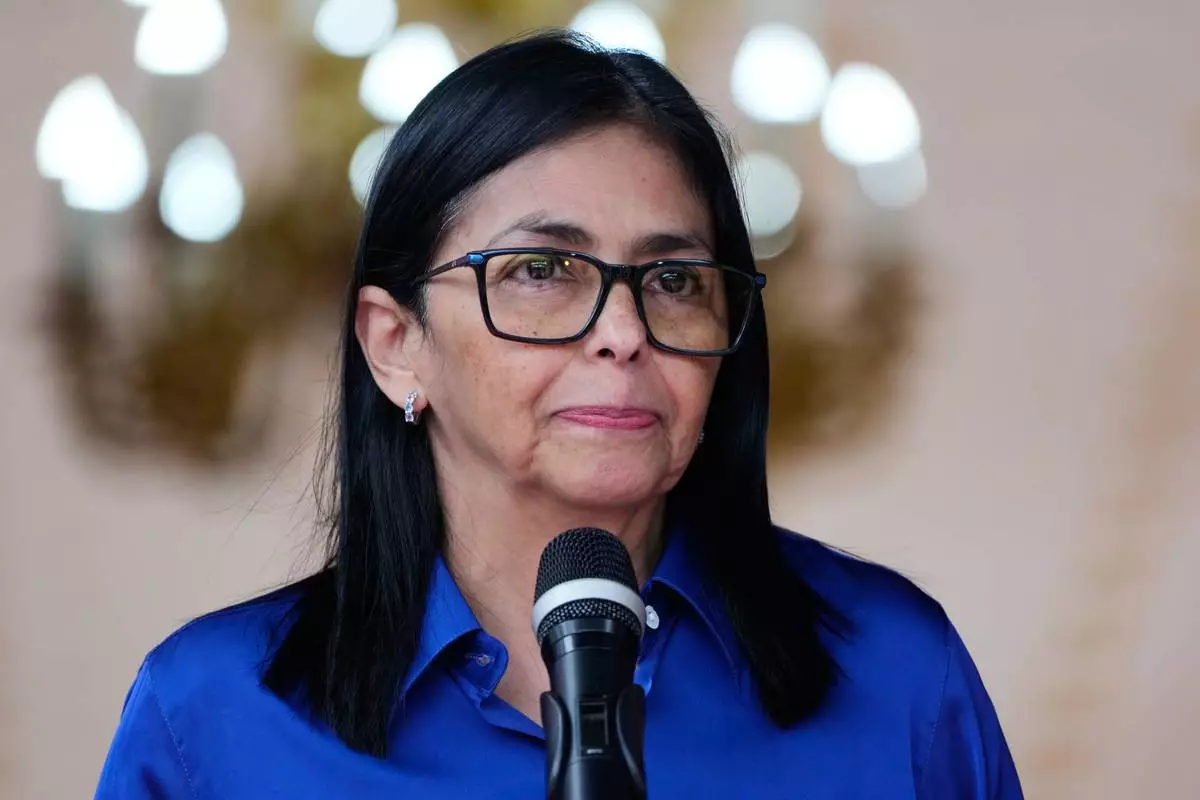
Venezuela's acting President Delcy Rodriguez makes a statement to the press at Miraflores presidential palace in Caracas, Venezuela, Wednesday, Jan. 14, 2026. (AP Photo/Ariana Cubillos)
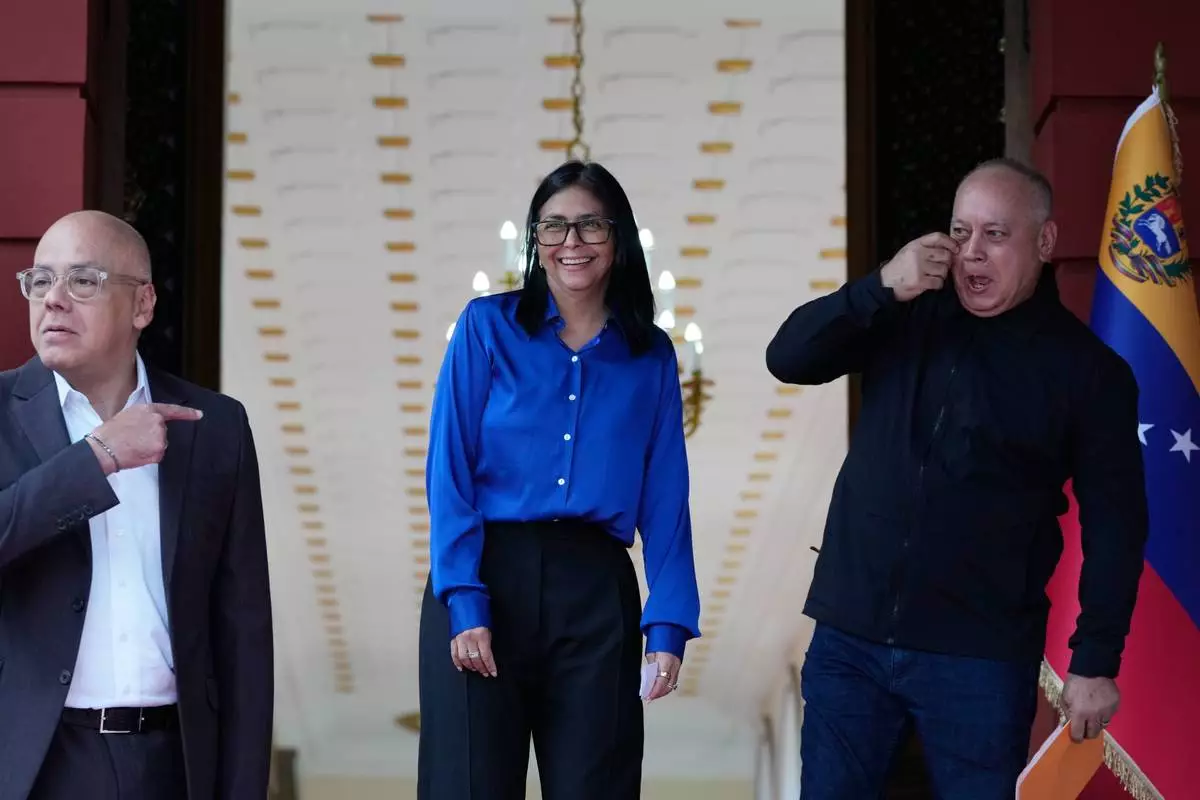
Venezuela's acting President Delcy Rodriguez, center, smiles flanked by Interior Minister Diosdado Cabello, right, and National Assembly President Jorge Rodriguez after making a statement to the press at Miraflores presidential palace in Caracas, Venezuela, Wednesday, Jan. 14, 2026. (AP Photo/Ariana Cubillos)