Amid the ongoing conflict in Gaza, a local bodybuilder continues to train and inspire his community during the current challenging times.
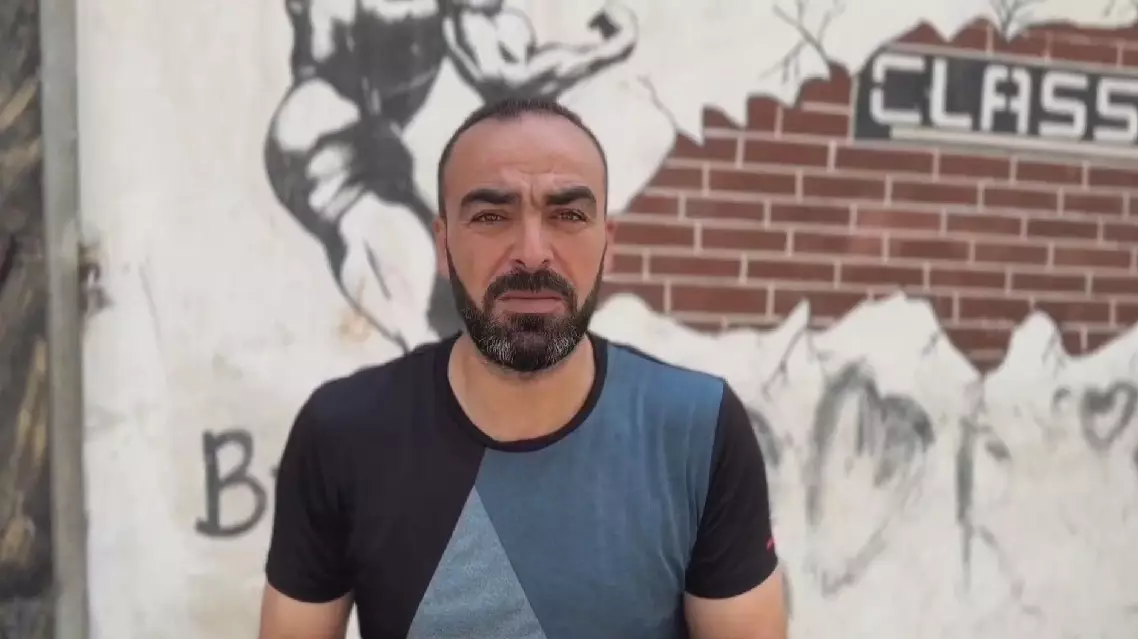
In 1989, young Sami Ibrahim Mahmoud, fueled by his love for sports and his homeland, started his challenging bodybuilding journey in Gaza.
For him, a strong body is the foundation of all sports and a source of mental strength. To this day, Mahmoud and many other bodybuilders in similar situations remain in a war-torn environment, losing weight due to food shortages, lacking proper training facilities, and facing unknown dangers just to train.
"No pitches or facilities are fit for training. That's the general situation now. In particular, you have to address the important role of nutrition. Where can you get proper nutrition under such conditions of famine, so that you can train and build your muscles. Personally, I lost weight, from 94 to 74 kilograms. That's a 20-kilo drop. Of course, I'm not the only one. I might still be better off than other players," Mahmoud said.
"You also face insecurity when leaving your home to go to training, and that's assuming you even can find a place to train and actually go to work out. So where can you find a safe place to train, without being bombed on your way, from above, beside, or even beneath?" he said.
However, Mahmoud has not given up. For many like him, they keep looking for light in the darkest tunnels, using bodybuilding to share strength and hope with others.
"We're not from another planet. The whole world talks about our strength and resilience, yet, we are flesh and blood, human beings with feelings – we have ambitions and hopes – we're not just numbers. But the one thing that's different is that we always look for light in every dark tunnel. We try as much as possible to turn this dark tunnel into a path toward success, excellence and progress. Up to now, despair hasn't found its way to us. Why? Because we believe this war won't last forever. This war will end, and we'll try as much as we can to light up a candle in the darkness," he said.
Lifting hope with strength, Gazan bodybuilder perseveres in war
U.S. President Donald Trump on Wednesday threatened to intensify airstrikes against Iran if a peace deal is not reached, while Tehran vowed it would not let Washington exit the crisis without paying a price.
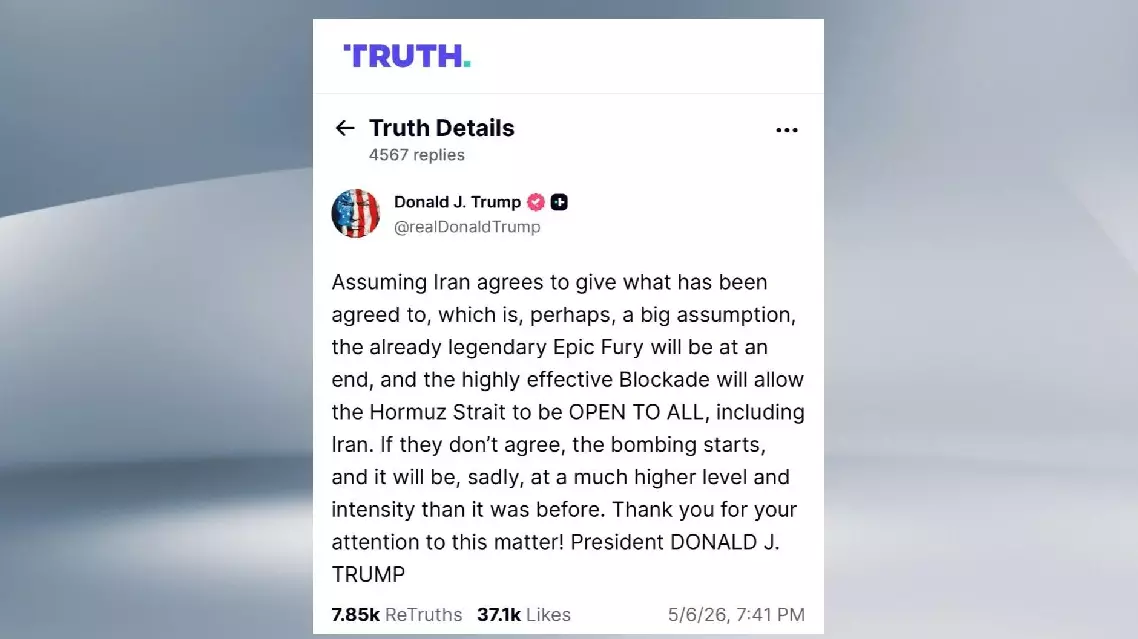
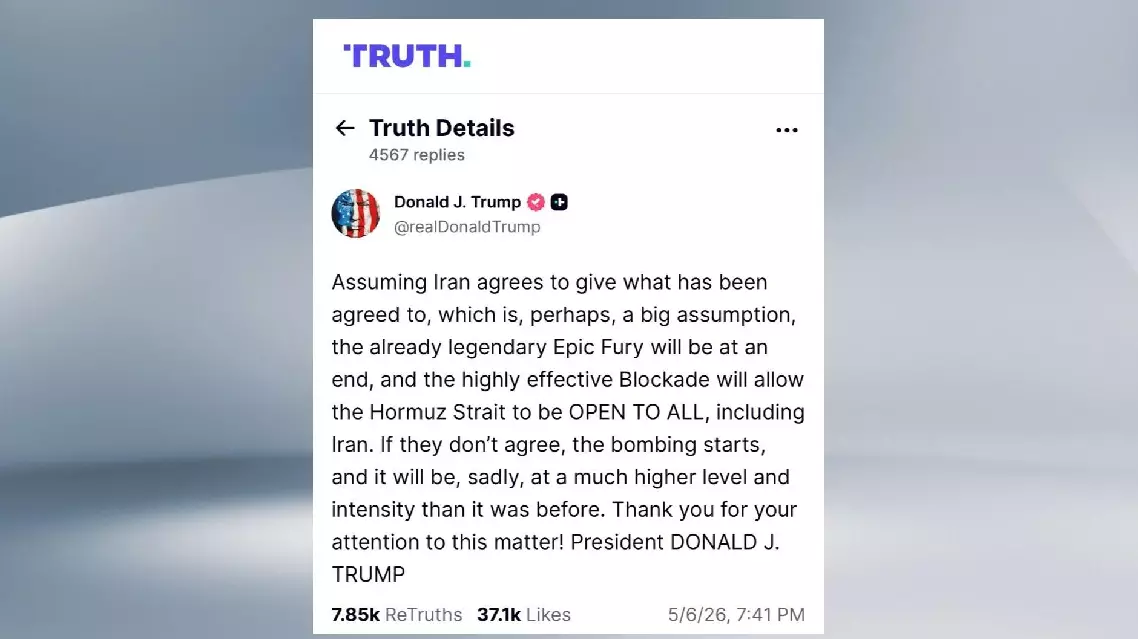
"Assuming Iran agrees to give what has been agreed to, which is, perhaps, a big assumption, the already legendary Epic Fury will be at an end, and the highly effective Blockade will allow the Hormuz Strait to be OPEN TO ALL, including Iran," Trump wrote in a post on Truth Social.
"If they don't agree, the bombing starts, and it will be, sadly, at a much higher level and intensity than it was before," he added.
On the same day, Mohsen Rezaei, a senior military advisor to Iran's Supreme Leader, said in an interview that Iran would not allow the United States to extricate itself from the crisis without paying a price.
Rezaei dismissed the U.S. proposal to reopen the Strait of Hormuz as a "show" designed to facilitate a withdrawal from the region, asserting that Iran would not allow it.
He emphasized that the United States must compensate Iran for incurred losses, adding that Tehran "will certainly obtain its rights and compensation."
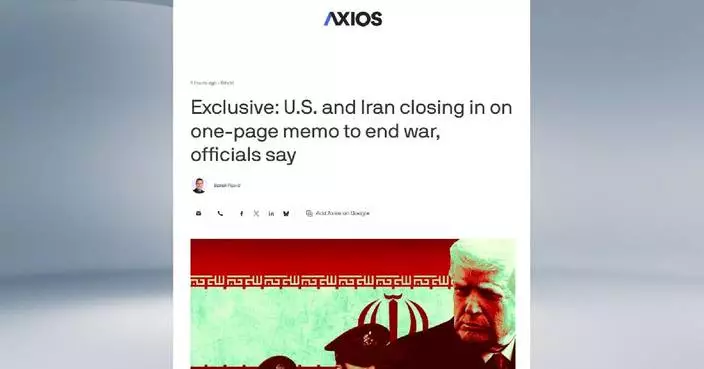
The United States and Iran are close to agreeing a one-page memo to end their war, U.S. online media outlet Axios reported on Wednesday.
A potential deal would involve Iran committing to a moratorium on nuclear enrichment and the United States agreeing to lift sanctions, with both sides lifting restrictions on transit through the Strait of Hormuz, it said.
The New York Post reported on Wednesday that Trump said it is "too soon" to start thinking about face-to-face peace talks between the United States and Iran, despite optimistic reports that the two nations were closing in on a potential framework to end their war.
The United States and Israel began attacks on Tehran and other Iranian cities on Feb 28, killing senior Iranian officials and civilians, including then-Supreme Leader Ali Khamenei. Iran responded with missile and drone attacks against Israel and U.S. interests in the region and tightened control over the Strait of Hormuz.
A ceasefire took effect on April 8. Talks between the Iranian and U.S. delegations in Islamabad on April 11-12 ended without an agreement. After negotiations collapsed, the U.S. imposed a blockade of the strait.
Trump threatens heavier bombing if no deal reached, Iran seeks reparations
Trump threatens heavier bombing if no deal reached, Iran seeks reparations