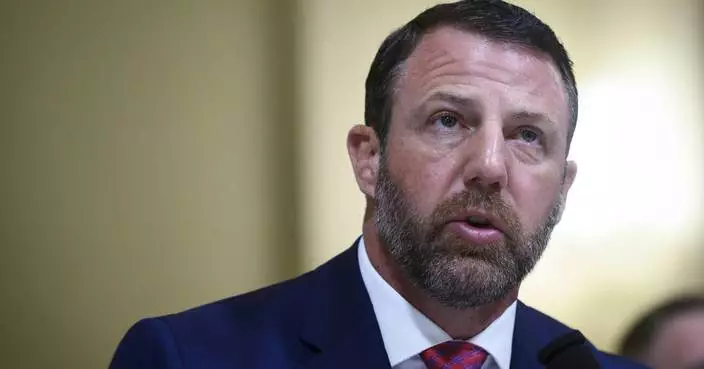
The U.S. plans to build a $750 million factory in southern Texas to breed billions of sterile flies, ramping up its efforts to keep flesh-eating maggots in Mexico from crossing the border and damaging the American cattle industry.
Secretary Brooke Rollins announced Friday that the U.S. Department of Agriculture hopes to be producing and releasing sterile male New World screwworm flies into the wild within a year from the new factory on Moore Air Base outside Edinburg, Texas, about 20 miles (32 kilometers) from the border. She also said the USDA plans to deploy $100 million in technology, such as fly traps and lures, and step up border patrols by “tick riders” mounted on horseback and train dogs to sniff out the parasite.
In addition, Rollins said the U.S. border will remain closed to cattle, horse and bison imports from Mexico until the U.S. sees that the pest is being pushed back south toward Panama, where the fly had been contained through late last year through the breeding of sterile flies there. The U.S. has closed its border to those imports three times in the past eight months, the last in July, following a report of an infestation about 370 miles (595 kilometers) from the Texas border.
American officials worry that if the fly reaches Texas, its flesh-eating maggots could cause billions of dollars in economic losses and cause already record retail beef prices to rise even more, fueling greater inflation. The parasite also can infest wildlife, household pets and, occasionally, humans.
“Farm security is national security,” Rollins said during a news conference at the Texas State Capitol in Austin with Texas Gov. Greg Abbott. “All Americans should be concerned. But it’s certainly Texas and our border and livestock producing states that are on the front lines of this every day.”
The pest was a problem for the American cattle industry for decades until the U.S. largely eradicated it in the 1970s by breeding and releasing sterile male flies to breed with wild females. It shut down fly factories on U.S. soil afterward.
The Mexican cattle industry has been hit hard by infestations and the U.S. closing its border to imports.
Mexico’s Agriculture ministry said in a statement Friday that Mexico Agriculture and Rural Development Secretary Julio Berdegué Sacristán and Rollins signed a screwworm control action plan. It includes monitoring with fly-attracting traps and establishing that livestock can only be moved within Mexico through government-certified corrals, the statement said.
And on the X social media platform, Berdegué said, “We will continue with conversations that lead to actions that will permit the reopening of livestock exports."
The new fly-breeding factory in Texas would be the first on U.S. soil in decades and represents a ramping up of the USDA's spending on breeding and releasing sterile New World screwworm flies. The sterile males are released in large enough numbers that wild females can't help but mate with them, producing sterile eggs that don't hatch. Eventually, the wild fly population shrinks away because females mate only once in their weekslong lives.
In June, Rollins announced a plan to convert an existing factory for breeding fruit flies into one for breeding sterile New World Screwworm flies, as well as a plan to build a site, also on the air base near Edinburg, for gathering flies imported from Panama and releasing them from small aircraft. Those projects are expected to cost a total of $29.5 million.
The Panama fly factory can breed up to 117 million flies a week, and the new Mexican fly factory is expected to produce up to 100 million more a week. Rollins said the new Texas factory would produce up to 300 million a week. She said President Donald Trump's administration wants to end the U.S. reliance on fly breeding in Mexico and Panama.
“It’s a tactical move that ensures we are prepared and not just reactive, which is today what we have really been working through,” Rollins said.
Hanna reported from Topeka, Kansas. Associated Press writer Fabiola Sánchez in Mexico City contributed reporting.
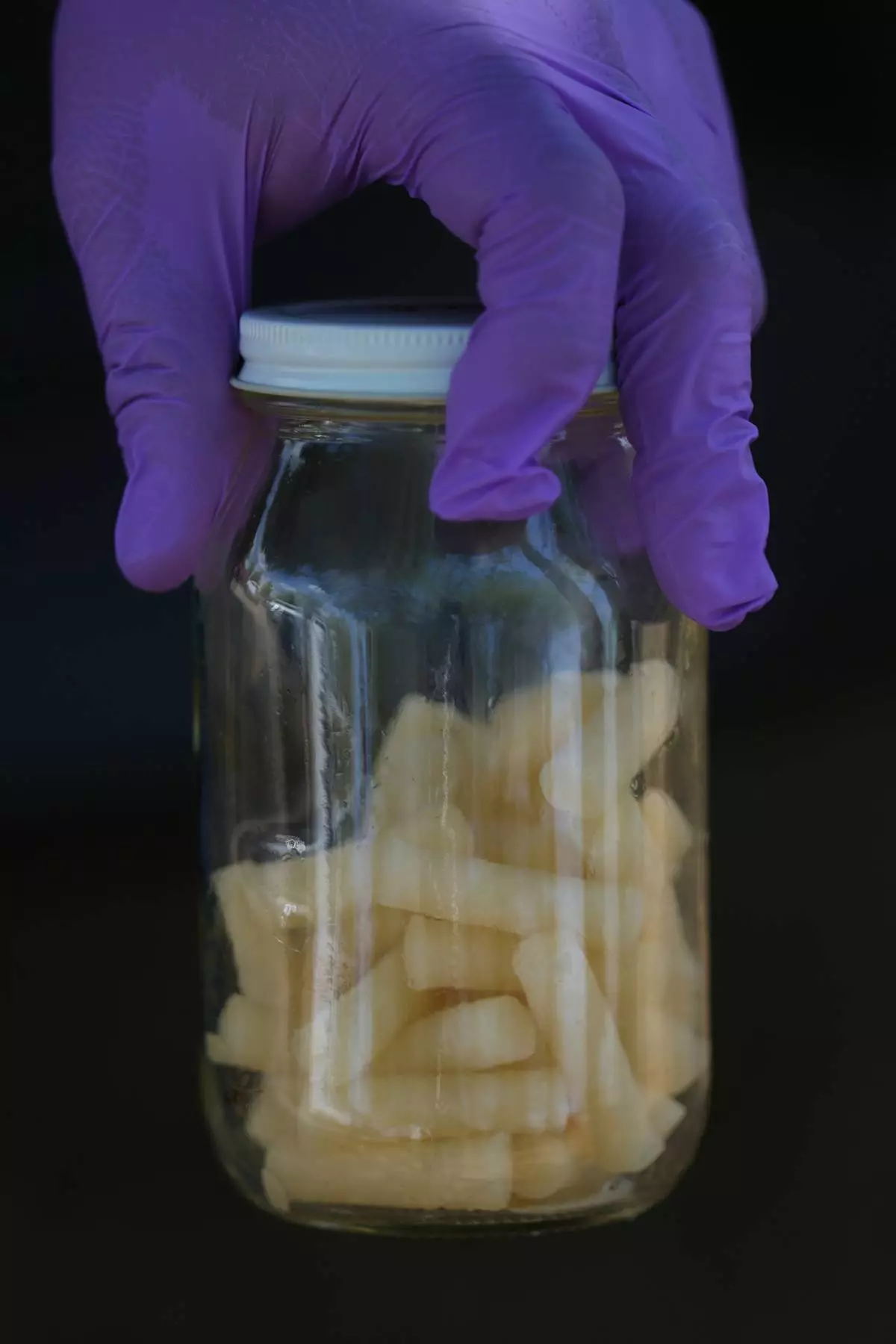
Technicians prepare bait to attract flies near a cattle auction in Hermosillo, Sonora state, Mexico, Tuesday, July 29, 2025. (AP Photo/Fernando Llano)
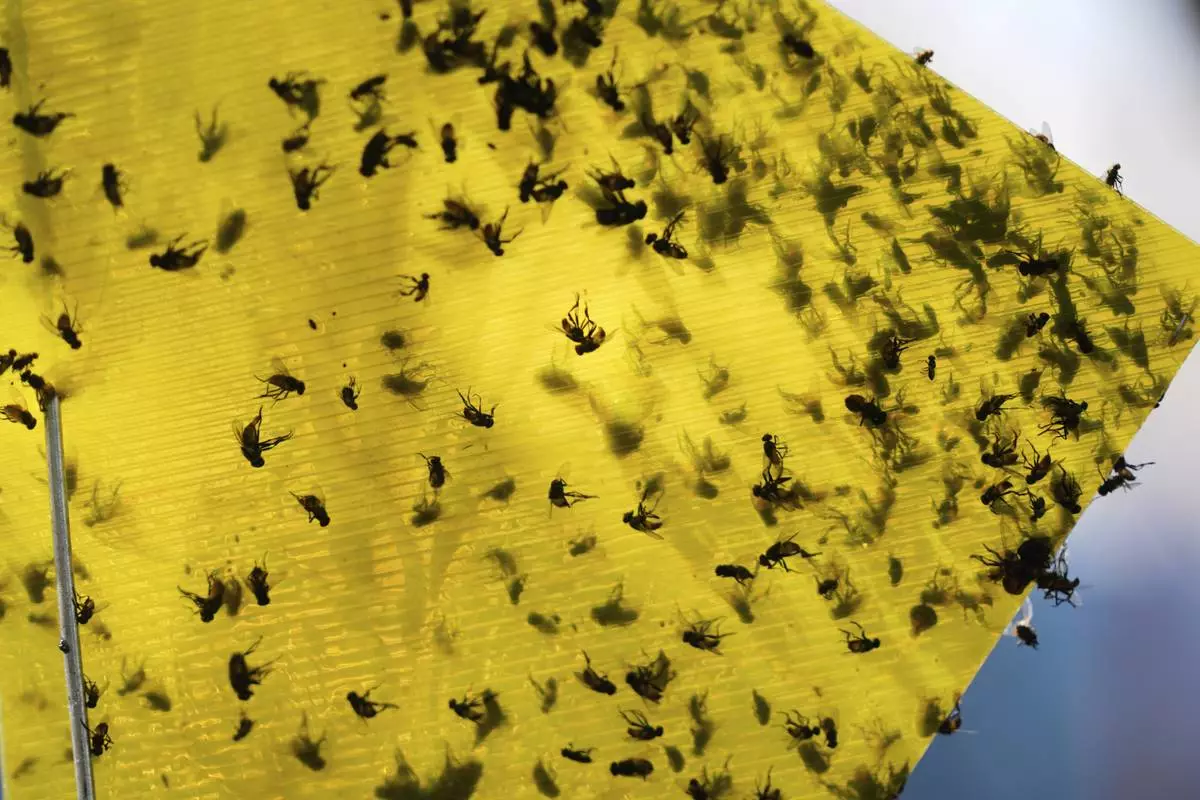
Flies of various species sit stuck in a trap near the pens of an auction in Hermosillo, Sonora state, Mexico, Tuesday, July 29, 2025. (AP Photo/Fernando Llano)
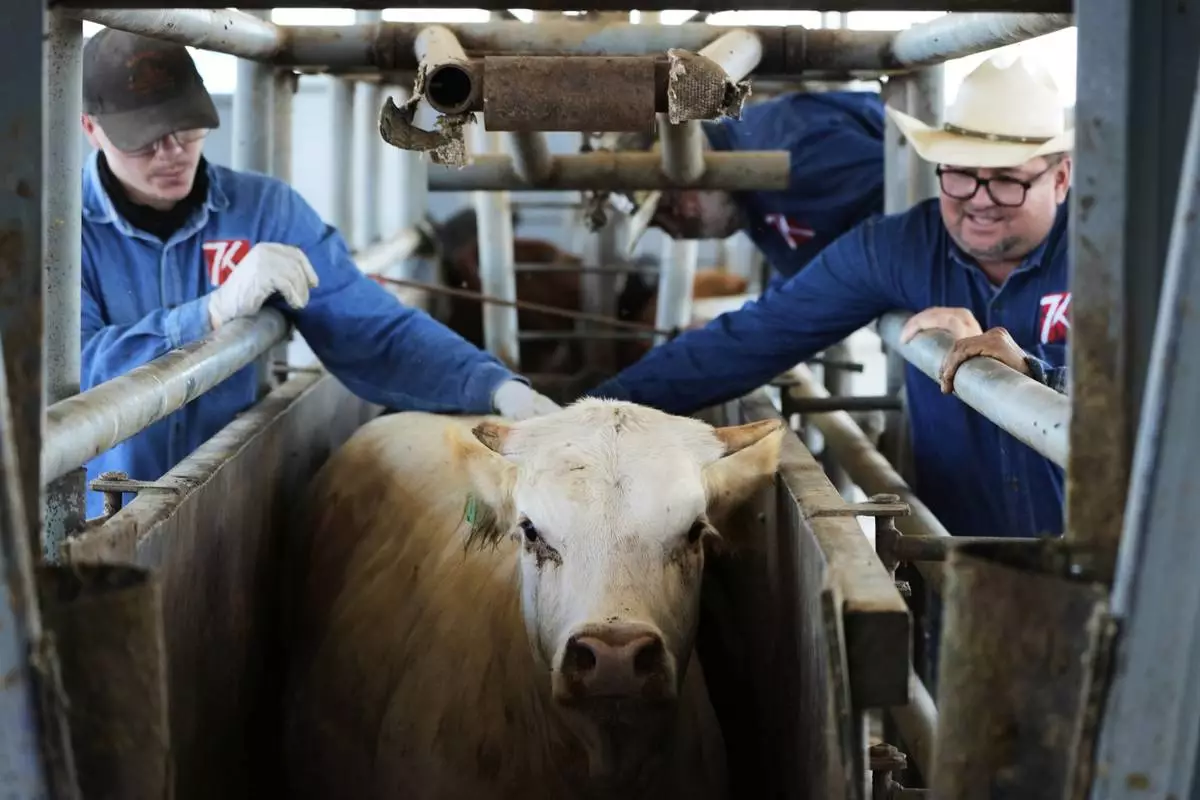
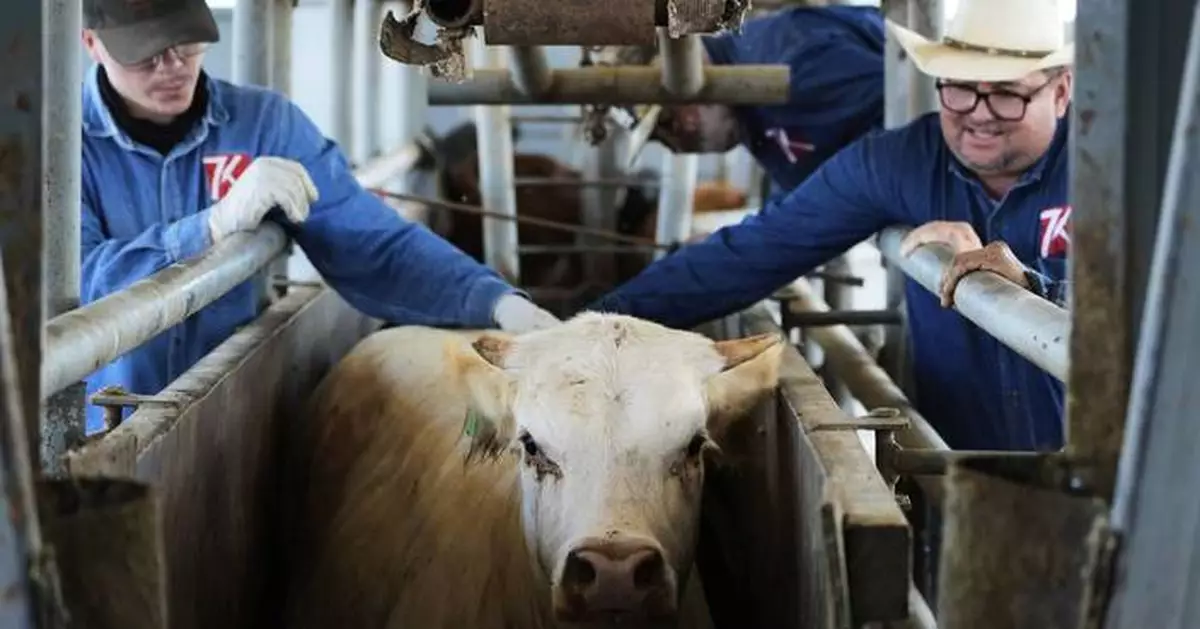
Cowboys push a cow out of its spot to a veterinarian inspection at a ranch that exports livestock to the U.S., in Zamora, northern Mexico, Monday, July 28, 2025. (AP Photo/Fernando Llano)
PARIS (AP) — After letting another big lead slip with an error-strewn performance at the French Open, top-ranked Aryna Sabalenka felt like getting as far away from the courts as possible.
“Just want to quit tennis right now,” Sabalenka said after wasting a lead of a set and two breaks in a 3-6, 7-5, 6-0 loss to Diana Shnaider in the quarterfinals on Wednesday. “We’ll see in few days. Hopefully I’ll get back on track mentally.”
Sabalenka's wait for a first French Open title continues despite the four-time major winner leading 4-1 in the second set and being two points from victory while serving for the match at 5-4. What followed was a complete collapse as she lost 12 of the last 13 games against a player appearing in her first Grand Slam quarterfinal, looking increasingly frustrated and forlorn in the windy conditions.
Just like her loss to Coco Gauff in last year's final, when she also won the first set before becoming undone with a slew of unforced errors, this one will take some time to get over.
“You know those rooms where you just go in and you smash everything,” Sabalenka said. “Probably I will spend a whole day tomorrow over there destroying stuff. Maybe it will help, maybe not.”
Shnaider next faces Maja Chwalinska, who extended her remarkable Roland Garros run by beating No. 22-seeded Anna Kalinskaya 7-6 (3), 6-3.
In the men’s quarterfinals, 10th-seeded Flavio Cobolli beat No. 4 Felix Auger-Aliassime 4-6, 6-4, 6-4, 6-4 and will face fellow Italian Matteo Arnaldi for a spot in the final.
Arnaldi advanced when Matteo Berrettini, yet another Italian, retired due to a left hip injury with Arnaldi leading 7-5, 5-2.
Berrettini had his hip treated during a medical timeout earlier in the second set.
The strong Italian showing comes despite top-ranked Jannik Sinner getting stunned in the second round.
Second-seeded Alexander Zverev and No. 26 Jakub Mensik will meet in the other semifinal.
Sabalenka stood still and screamed loudly after losing a point to fall 0-30 down in the sixth game of the decider and, although she saved two match points at 0-40 down, she lost when she sent a shot into the net.
“I just think it’s combination of everything,” Sabalenka lamented. “You overthink, then you make easy mistakes, then you miss opportunities.”
Her struggles were reminiscent of the match against Gauff, when she remonstrated loudly, shouting to herself and glaring at her team box.
“I just have to sit back and openly think about what’s going on in my head in those tough moments,” Sabalenka said, recalling that match. “Because I’m quite an experienced player. I have been through so many things, and I overcome so many things.”
Sabalenka had already looked agitated when serving for the first set but still looked in control as she served for the match in the second, holding a 30-15 lead.
“Of course I saw some moments of her frustration,” Shnaider said. “I know Aryna, that she’s a very emotional person."
Shnaider, who was already on her best run at a major, broke Sabelenka before taking complete control.
“Well, honestly I am speechless. Super happy,” Shnaider said. “I feel like I was trying to focus point by point. Not thinking about the score. She is the world No. 1, so I just trying to do my best. I just had to fight for every point.”
Sabalenka looked increasingly frustrated as the third set wore on, and when she missed a volley at the net in the fourth game of the decider she crouched and rested her head on her racket.
It was another big upset in a tournament where defending champion Gauff (third round) and four-time winner Iga Swiatek (fourth round) already tumbled out.
Sinner, last year's runner-up, served for the match in a second-round defeat, and 24-time major winner Novak Djokovic wasted a two-set lead in a third-round loss.
That opened things up for lesser-known players. According to Opta, this is the first major without a former champion in either the men’s and women’s semifinals since the French Open in 1977.
The unseeded Chwalinska came through three qualifying rounds to become only the second Polish woman to reach the semifinals at Roland Garros, along with Swiatek.
Chwalinska said British player Emma Raducanu’s run to the 2021 U.S. Open title as an 18-year-old qualifier had inspired her.
“It was such an impressive run, you know,” Chwalinska recalled. “Also, she was so young.”
When Kalinskaya’s big forehand from the back of the court went out, the 24-year-old Chwalinska had her biggest win, having never been beyond the second round at any major before this tournament.
Chwalinska’s total prize money heading into Roland Garros was $864,030 and reaching the last four here earns her 750,000 euros (about $872,000).
The roof was open on Court Philippe-Chatrier and there was a lot of wind.
“I don’t know why would they keep the roof open when it was crazy windy,” Sabalenka said. “It was very dirty tennis. I don’t know how people could actually just sit there and watch me play.”
Kalinskaya also struggled.
“I feel like I was fighting against the wind,” she said. “It was cold today, so the ball was going slower. I couldn’t use my speed, my power.”
This story has been corrected to show that Jannik Sinner was the French Open runner-up in 2025, not champion.
AP tennis: https://apnews.com/hub/tennis
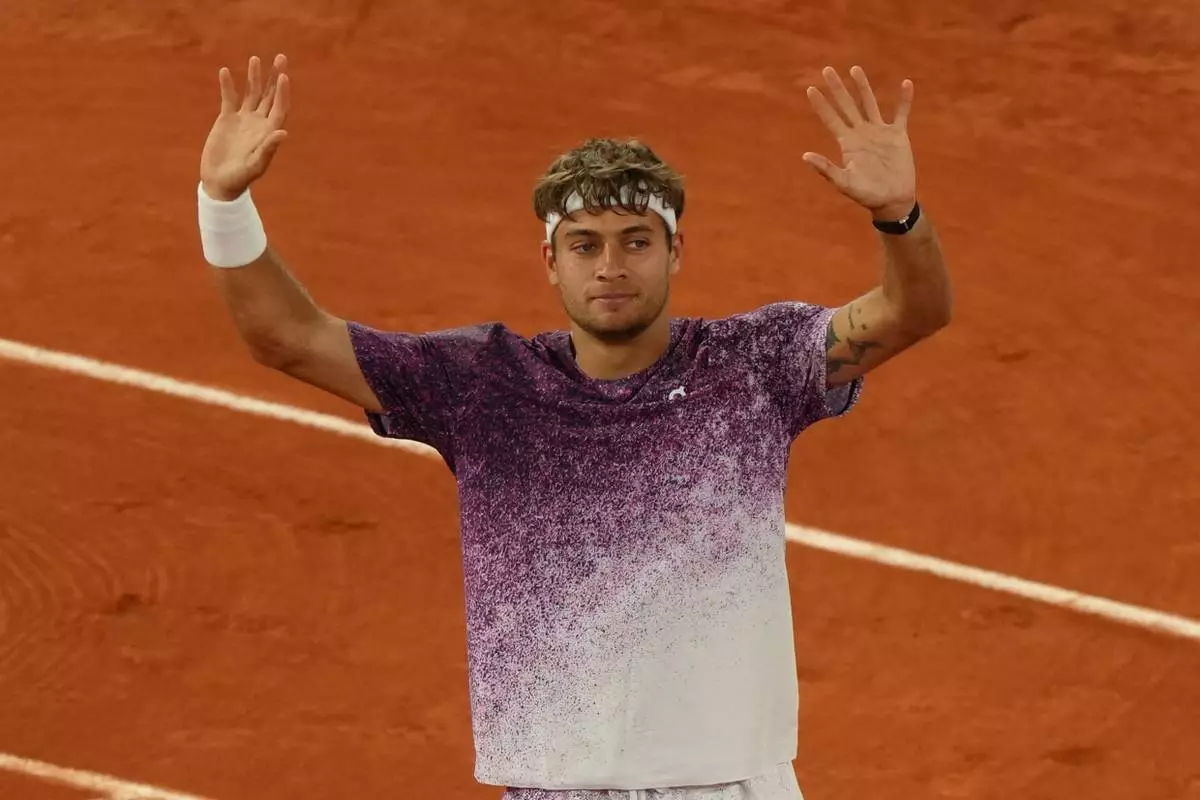
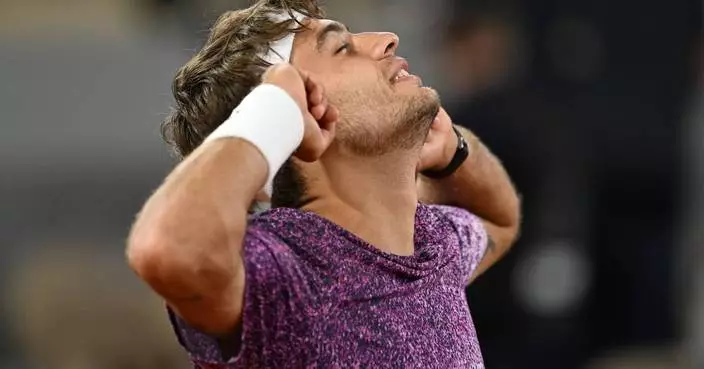
Italy's Flavio Cobolli reacts after winning the quarterfinal tennis match against Canada's Felix Auger-Aliassime at the French Open in Paris, Wednesday, June 3, 2026. (AP Photo/Aurelien Morissard)
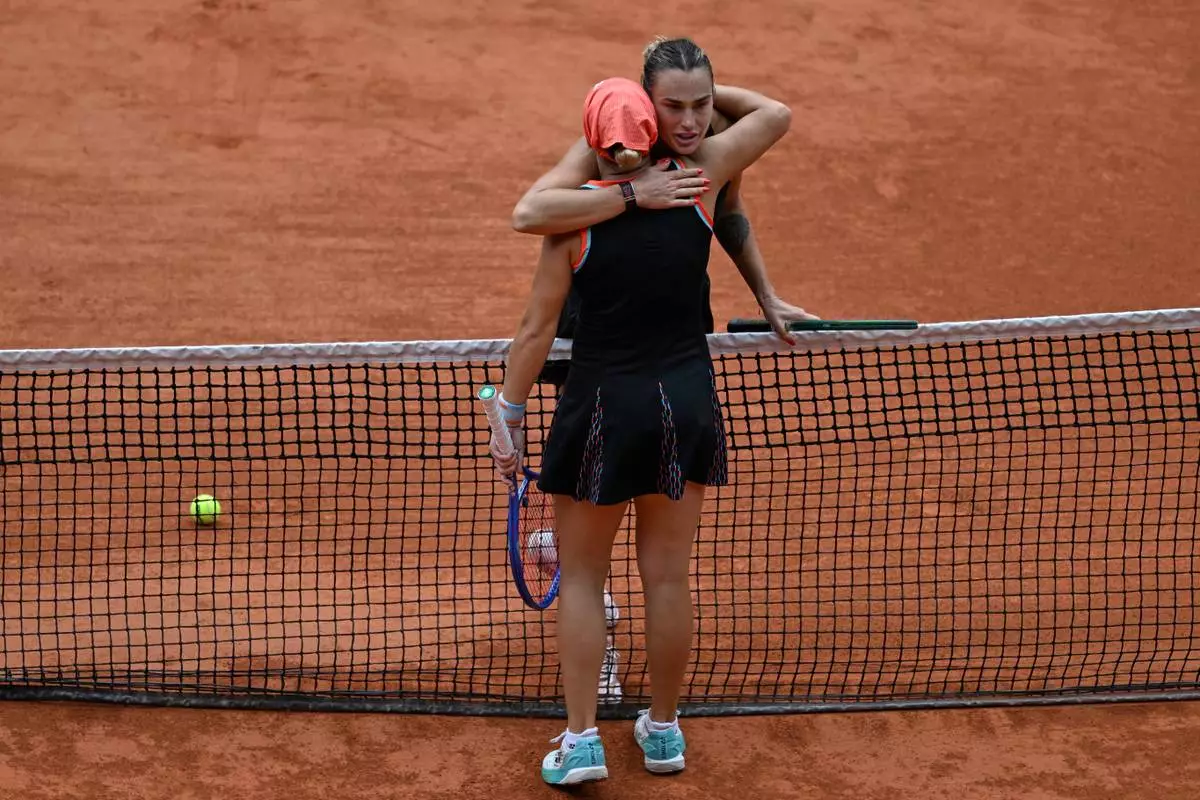
Aryna Sabalenka of Belarus hugs Russia's Diana Shnaider after the quarterfinal tennis match at the French Open in Paris, Wednesday, June 3, 2026. (AP Photo/Emma Da Silva)
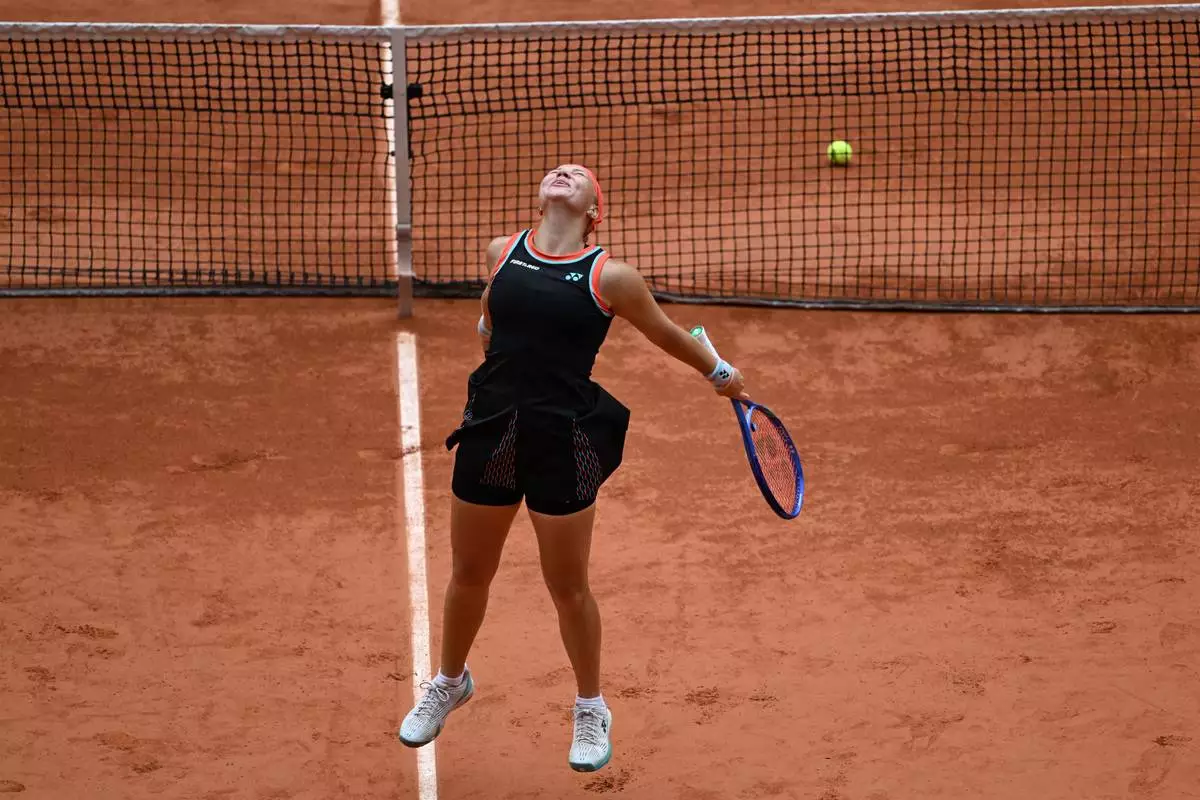
Russia's Diana Shnaider reacts after winning the quarterfinal tennis match against Aryna Sabalenka of Belarus at the French Open in Paris, Wednesday, June 3, 2026. (AP Photo/Emma Da Silva)
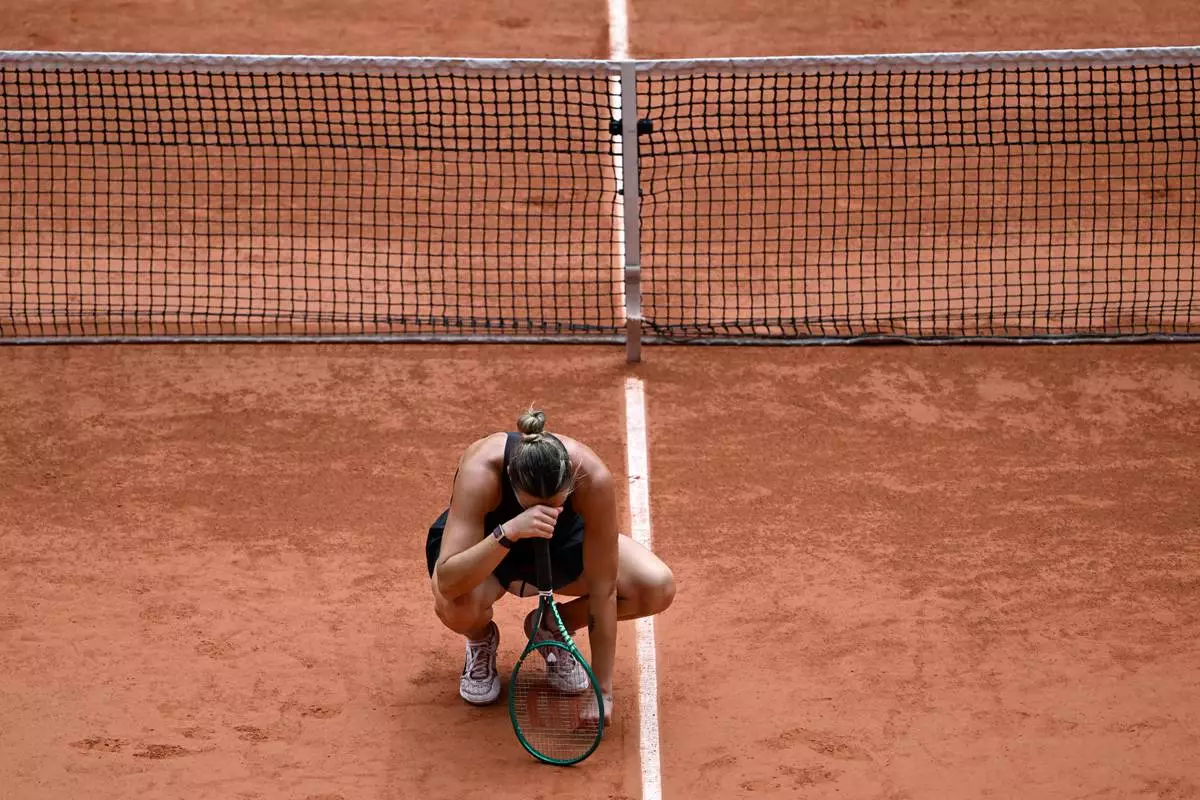
Aryna Sabalenka of Belarus reacts after losing the quarterfinal tennis match against Russia's Diana Shnaider at the French Open in Paris, Wednesday, June 3, 2026. (AP Photo/Emma Da Silva)
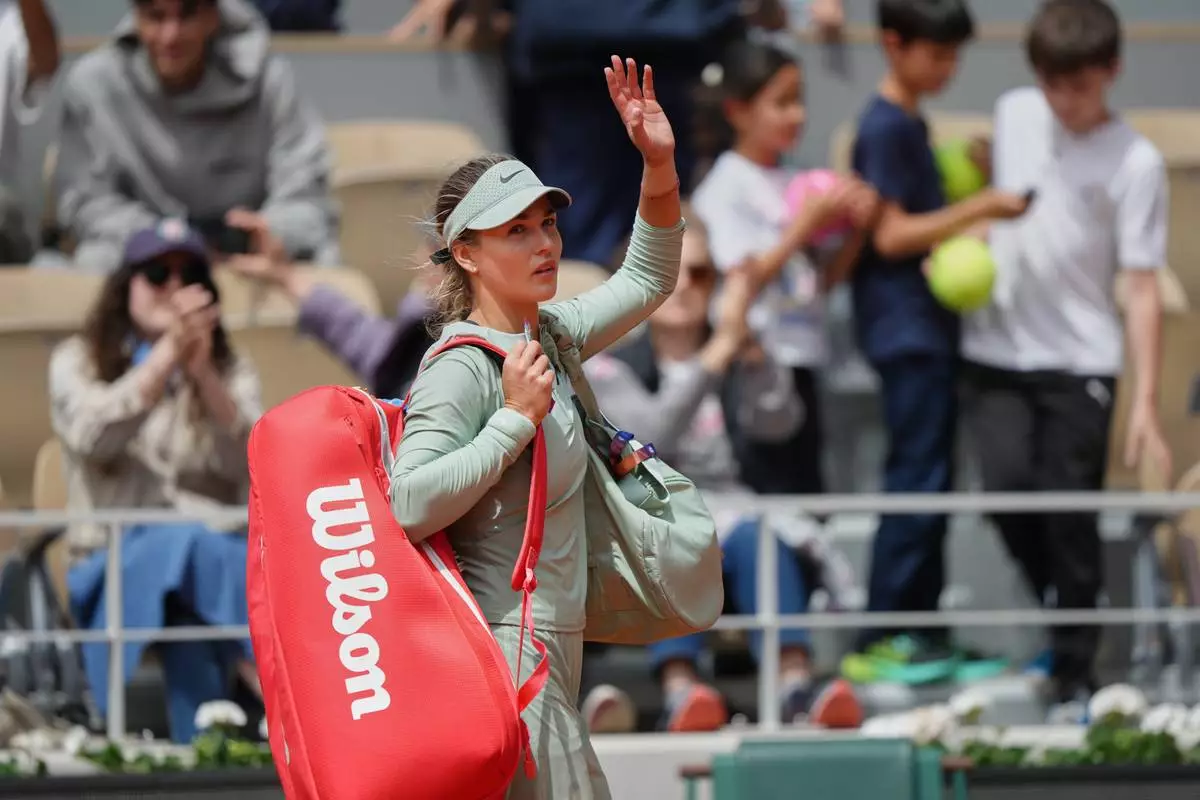
Russia's Anna Kalinskaya walks off the court after the quarterfinal tennis match against Poland's Maja Chwalinska at the French Open in Paris, Wednesday, June 3, 2026. (AP Photo/Aurelien Morissard)
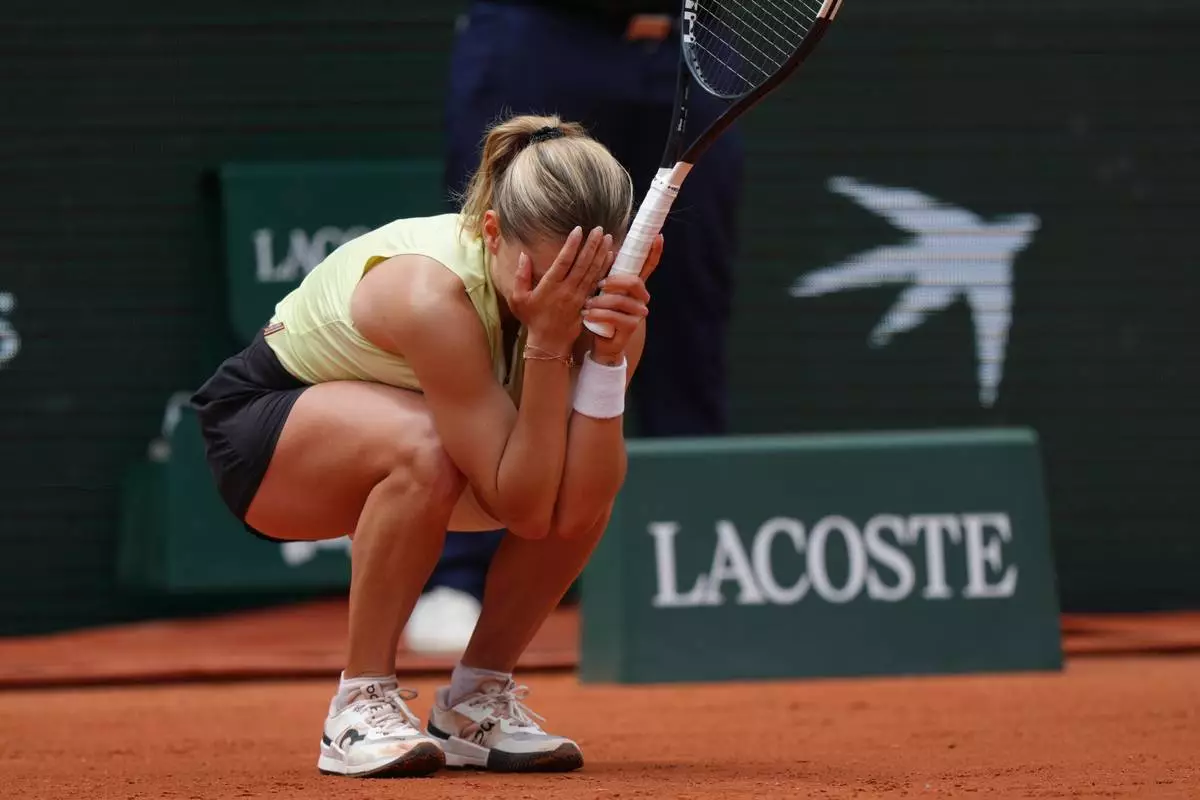
Poland's Maja Chwalinska reacts after winning the quarterfinal tennis match against Russia's Anna Kalinskaya at the French Open in Paris, Wednesday, June 3, 2026. (AP Photo/Aurelien Morissard)
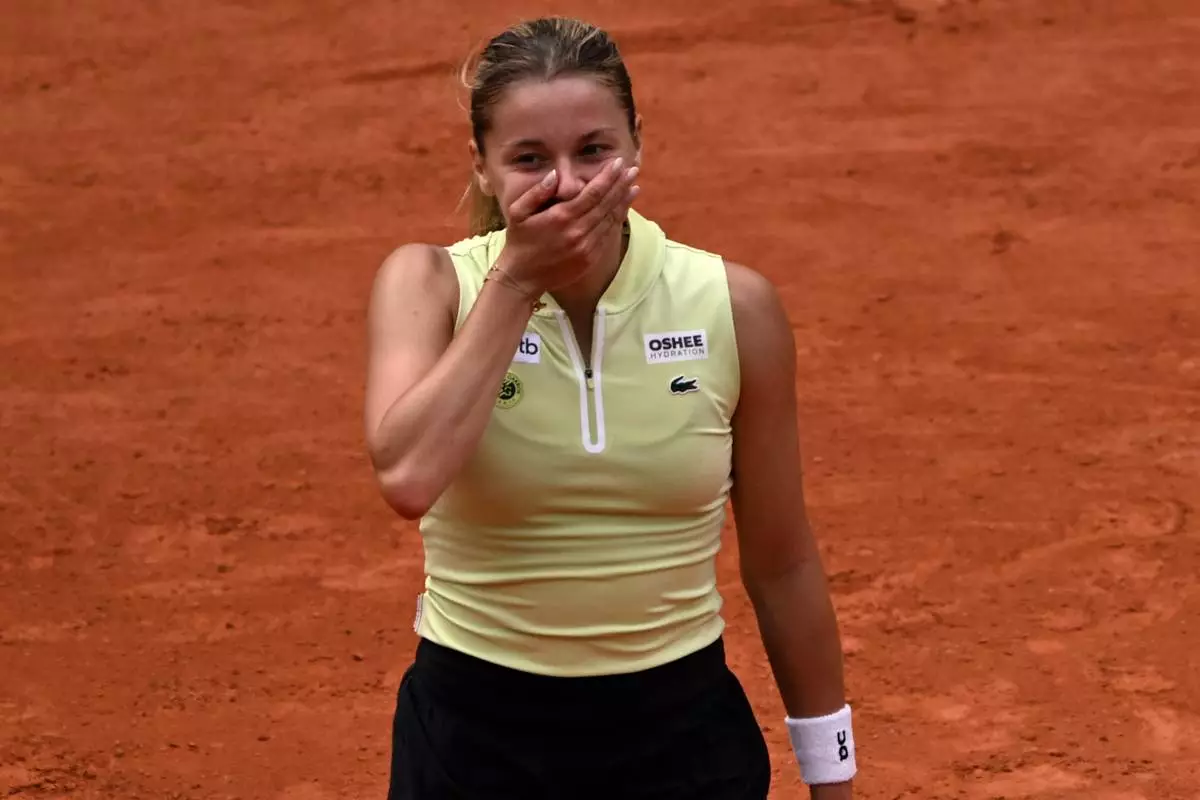
Poland's Maja Chwalinska reacts after winning the quarterfinal tennis match against Russia's Anna Kalinskaya at the French Open in Paris, Wednesday, June 3, 2026. (AP Photo/Emma Da Silva)