As China emerges as a significant consumer of Brazilian coffee beans, Shanghai's dynamic coffee landscape thrives on the burgeoning China-Brazil coffee trade, marking a narrative of mutual growth and lasting cooperation within the global market.
Brazil is China's largest source of coffee imports. In 2024, China imported 76,000 tons of coffee from Brazil, representing a 27.1 percent year-on-year increase.
While the U.S. tariffs have dealt a blow to Brazilian coffee exports, China has taken a divergent path by greenlighting 183 Brazilian coffee exporters for the upcoming five years, effective since July 30. This strategic move has transformed a potential crisis into a promising opportunity for coffee growers.
Boram Julio Um, the World Barista Champion of 2023 and a Brazilian coffee entrepreneur, sees this as a gateway to forge stronger ties between Brazilian exporters and Chinese coffee lovers。
"I think it's a great opportunity, especially because it opens up more opportunity for Brazilian exporters to start working closely with Chinese consumers, right? And then hopefully, we can see a lot more Brazilian coffees in the Chinese market as well. I think it's a huge opportunity for producers to look for long term partnerships with the Chinese consumers," he said.
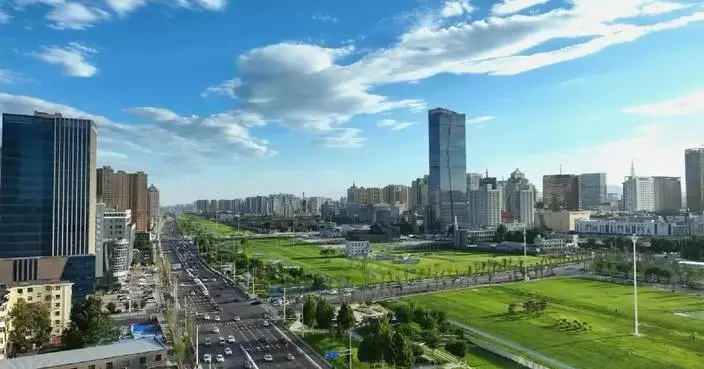
Shanghai, boasting more than 9,000 coffee shops as of 2025, has surpassed Tokyo and New York, solidifying its position as the world's coffee capital. As China's coffee hub, Shanghai stands poised to reap the benefits of the newly approved Brazilian coffee producers, propelling further market growth this year.
"Now that we have more Brazilian coffee suppliers providing green beans for experimentation, our imports are set to increase with these expanded options. As a green bean merchant, we have more choices and can also introduce these beans to all our clients," said Annie Yip, a Chinese coffee entrepreneur.
Some Brazilian coffee producers believe that bilateral coffee trading is mutually beneficial.
"These mainly will help the China market to, let's say, more customize the coffee beans how the clients want. As now you have more options, so even you have more specialty coffees, and also commercial coffees, but with a little bit different specifications," said Guilherme Milani, a Brazilian coffee producer.
As Shanghai consolidates its position as a global center of coffee culture, the exchange of Brazilian beans promises a diverse range of choices for consumers and a sustainable growth trajectory for producers. This burgeoning partnership signals a toast to enduring collaboration in the thriving coffee trade landscape.
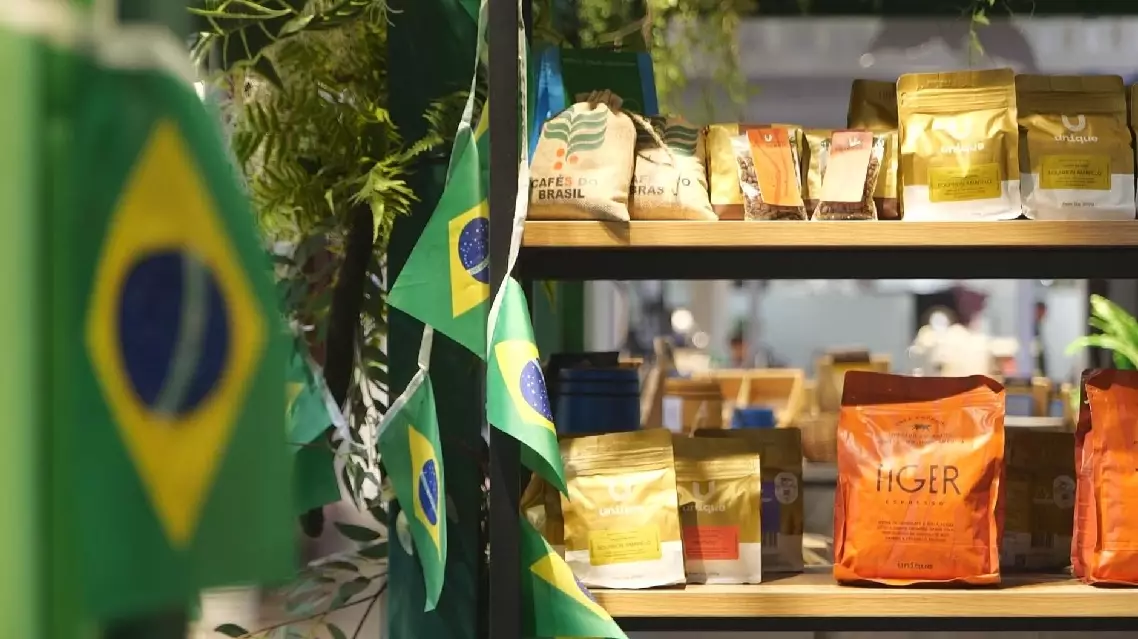
Shanghai becomes global coffee hub with thriving China-Brazil coffee trade
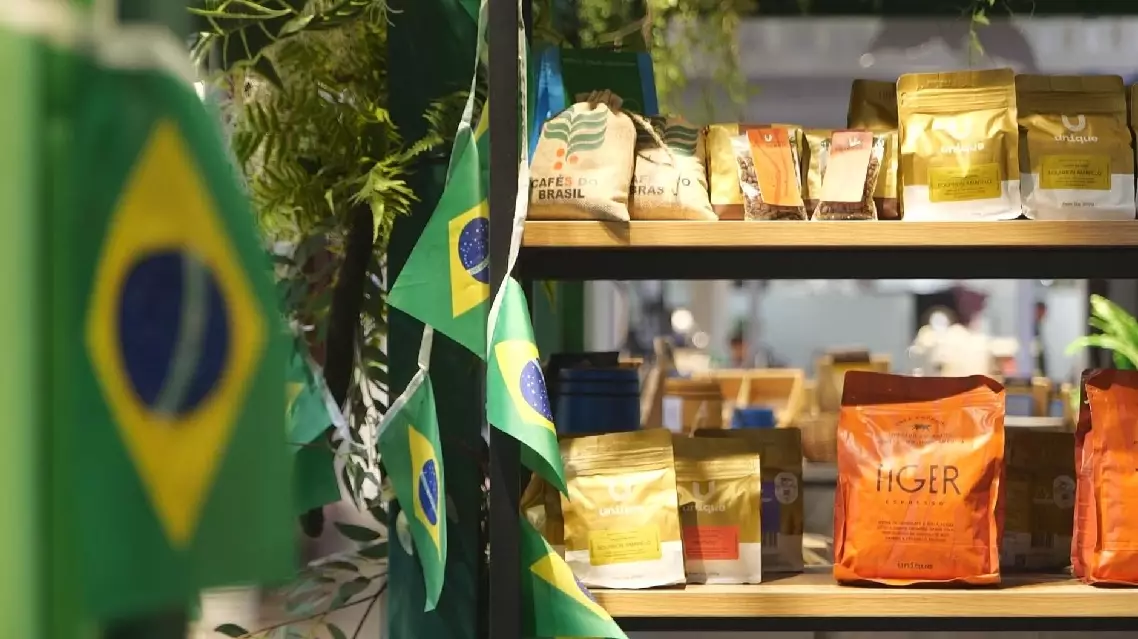
Shanghai becomes global coffee hub with thriving China-Brazil coffee trade