China's Global Initiatives, put forth amid a world challenged by conflicts and turbulence, offer valuable insights on global governance and may help guide toward peace, stability, and shared development, Mozambican President Daniel Francisco Chapo said.
The initiatives make it clear that no country can achieve development in isolation, a message the international community should heed, Chapo stressed in an exclusive interview with China Media Group (CMG), which was aired on Friday.
"These are very good initiatives. The world today is in a complex and turbulent period, with conflicts and wars. President Xi's initiatives carry a clear message. He emphasizes that no country can achieve growth or development on its own; all countries must cooperate. But the prerequisite is a peaceful world, a world without war, full of peace and harmony, where people of all countries live in amity and share weal and woe," said President Chapo.
"As a leader with global influence, President Xi has put forward initiatives that are worth listening to, paying attention to, and working toward together," said the president.
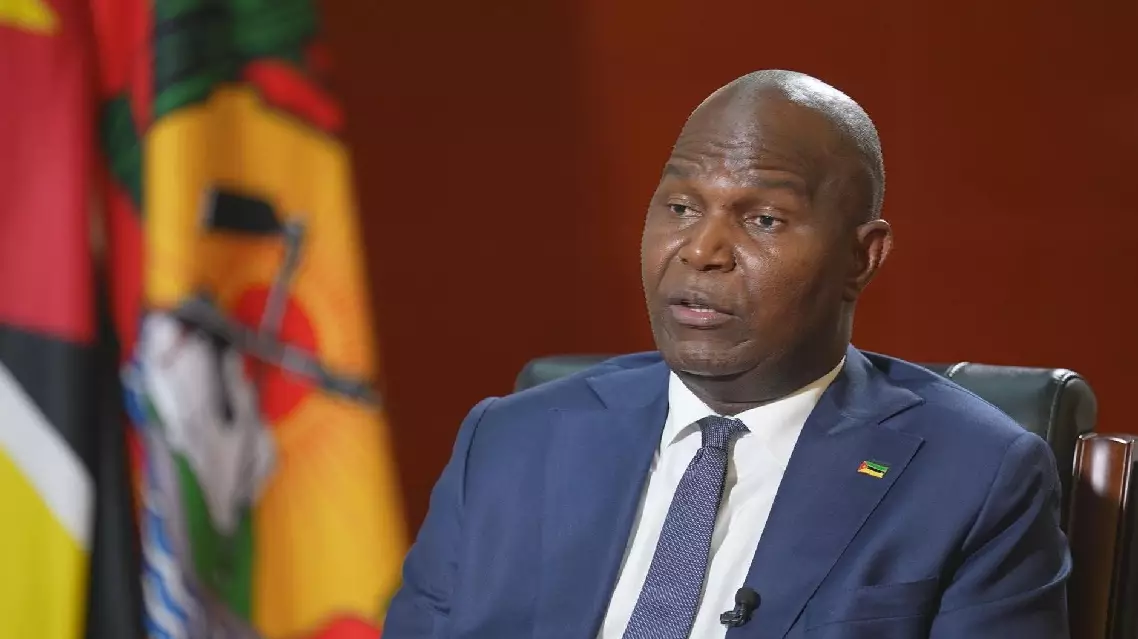
China’s global initiatives worth global attention amid era of turbulence: president
U.S. President Donald Trump said Friday that he is considering "winding down" the U.S. military strikes against Iran, claiming the United States is "getting very close to" meeting its objectives.
"We are getting very close to meeting our objectives as we consider winding down our great Military efforts in the Middle East" with respect to Iran, Trump said on Truth Social.
The objectives Trump outlined include degrading Iran's missile capabilities, destroying its defense industrial base, eliminating its navy and air force, preventing it from ever approaching nuclear capability and protecting U.S. allies across the region.
Also on Friday, Trump said that he does not want a ceasefire with Iran.
"We can have dialogue, but you know, I don't want to do a ceasefire," Trump told reporters before he departed the White House for Florida, noting "You don't do a ceasefire when you're literally obliterating the other side."
"U.S. government says one thing, reality says another," Iranian Foreign Minister Seyed Abbas Araghchi said Friday on X, questioning White House's repeated claims that Iran's air defenses and Navy have been destroyed.
Trump on Truth Social also said that the Strait of Hormuz, a crucial global energy waterway, should be secured by the countries that rely on it and Washington would assist if asked.
"The Hormuz Strait will have to be guarded and policed, as necessary, by other Nations who use it -- The United States does not! If asked, we will help these Countries in their Hormuz efforts, but it shouldn't be necessary once Iran's threat is eradicated," Trump added.
The United States and Israel launched joint military strikes on Iran on Feb 28, disrupting global shipping, sending oil prices soaring and shaking the global economy.
Trump says considering "winding down" strikes on Iran