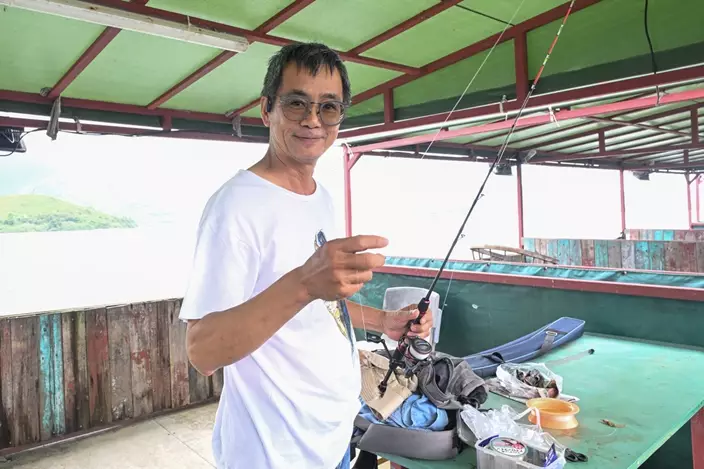
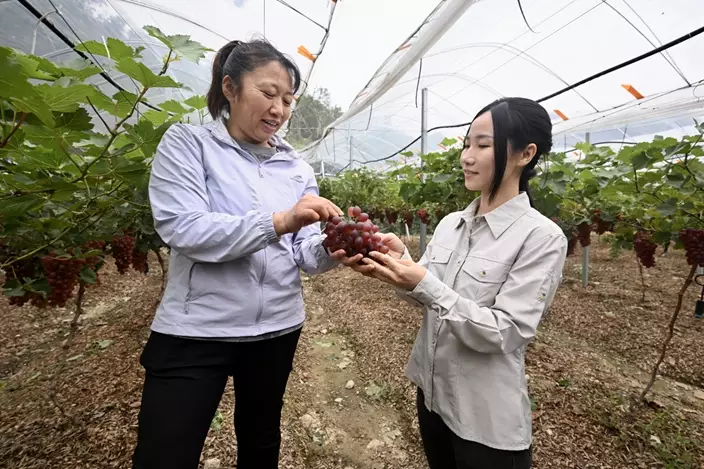
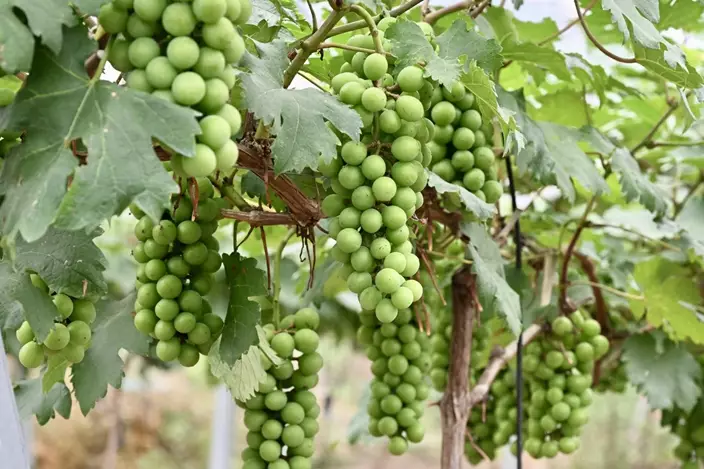
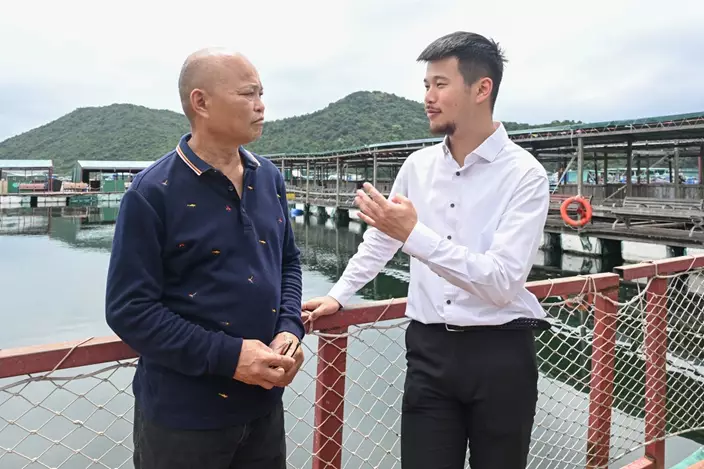
Located far in the rural area of Sheung Shui, the Tai Lung Experimental Station is the only crop experimental farm handled by the Government. This is where the Agriculture, Fisheries & Conservation Department (AFCD), in its quest to find production techniques and crop varieties fit for the local environment as a way to support the upgrading and transformation of the agriculture industry, conducts key research and trials.
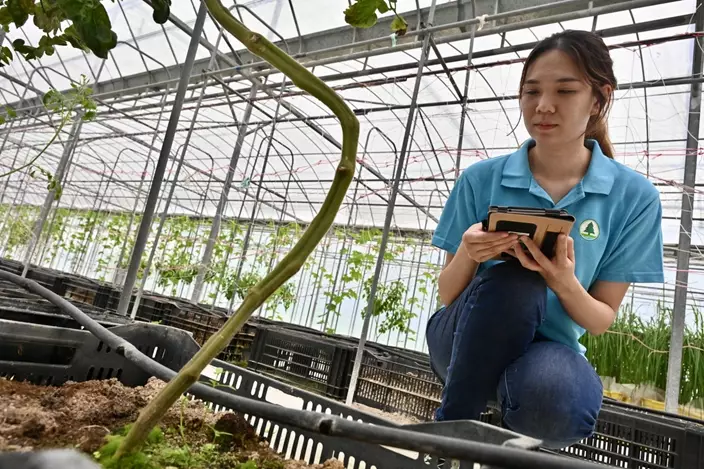
Embracing technology: The Agriculture, Fisheries & Conservation Department strongly believes that integrating modern technology is essential in promoting sustainable agricultural practices. Image source news.gov.hk
Tech-driven agriculture
The station has been actively promoting organic farming, with various vegetables and fruits grown on the farm, to introduce farmers to quality crop varieties so as to enhance their productivity. It also provides a farm machinery and equipment landing service to acquaint farmers with the advantages of modern production technologies.
AFCD Agricultural Officer Calvin Cheung pointed out that the use of modernised technology to promote the sustainable development of agriculture is a global trend. It can also reduce the industry’s dependence on manpower and address the challenges posed by climate change.
“Through the use of modernised technology, we hope to drive the industry towards high-quality development,” he said.
The greenhouse in the station showcases how smart technology can help with regulating watering and temperature. In addition, the station collaborates with the Logistics & Supply Chain MultiTech R&D Centre to develop a mobile application utilising artificial intelligence technology with image recognition technology to identify and diagnose crop pest and disease problems, enabling early detection and intervention.
Locally-grown strategy
While Hong Kong mainly relies on food imports, local agricultural production primarily serves as a supplementary source. The local agriculture industry generally produces high-quality crops through intensive land use and production methods.
The department hopes that through reviving distinctive or historically significant agricultural varieties, it can provide unique selling points for local agricultural products and attract consumers.
In recent years, the department successfully reintroduced a vegetable variety named hok tau pak choy and a local rice variety called “Fa Yiu Tsai”. “Fa Yiu Tsai” was once extinct locally, but the department obtained its seeds from a seed bank in 2019 and successfully reintroduced it at the Tai Lung Experimental Station. It then distributed the seeds to local farmers to promote cultivation of the local rice variety.
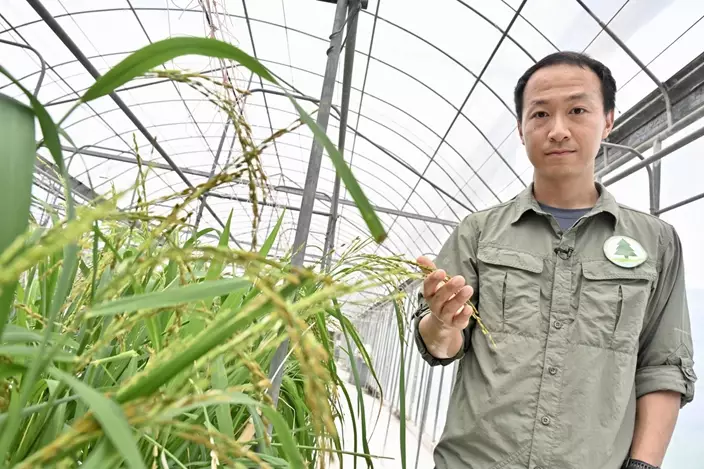
Locally-grown appeal: Agriculture, Fisheries & Conservation Department Agricultural Officer Calvin Cheung maintains that reintroducing distinctive or historically significant crop varieties can attract more customers in buying local agricultural products. Image source news.gov.hk
Comprehensive blueprint
In its effort to promote the upgrading and transformation of the agriculture and fisheries industries towards modernisation and sustainable development, the Government announced the Blueprint for the Sustainable Development of Agriculture & Fisheries in 2023.
The blueprint outlines eight key development areas and various specific measures covering financial and infrastructure support, application of technology, and so on. It also proposes initiatives such as developing an agricultural park and promoting urban farming.
In terms of financial support, the department, through the $1 billion Sustainable Agricultural Development Fund, assists the industry to switch to a sustainable and high-value added mode of operation, thereby boosting the industry’s overall competitiveness.
The fund has also set up the Farm Improvement Scheme to subsidise farmers in purchasing new machinery and equipment, such as tillers, enabling them to farm more efficiently.
AFCD Agricultural Officer Karina Poon added that to further strengthen sales and promotion of local agricultural and fisheries products, the department plans to introduce a unified new brand in 2025-2026 to advance safe, low-carbon and premium local agricultural and fisheries products .
This new brand will establish production standards, farming methods, and a certification and traceability system to ensure quality standards are met.
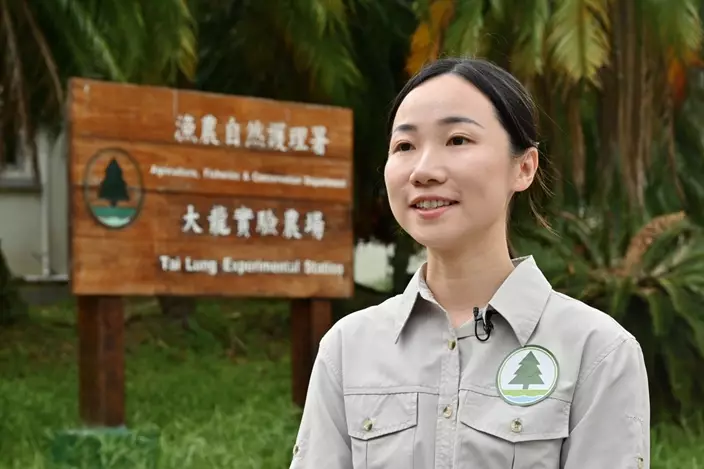
Branding strategy: Agriculture, Fisheries & Conservation Department Agricultural Officer Karina Poon says the AFCD strives to establish a unified new brand that covers various locally produced agricultural and fisheries products. The new brand will ensure quality standards are met. Image source news.gov.hk