The combined gross domestic product (GDP) of China's five autonomous regions surged from 6.01 trillion yuan (around 836.8 billion U.S. dollars) in 2020 to nearly 8.38 trillion yuan (around 1.2 trillion U.S. dollars) in 2024, a senior official said on Monday in Beijing.
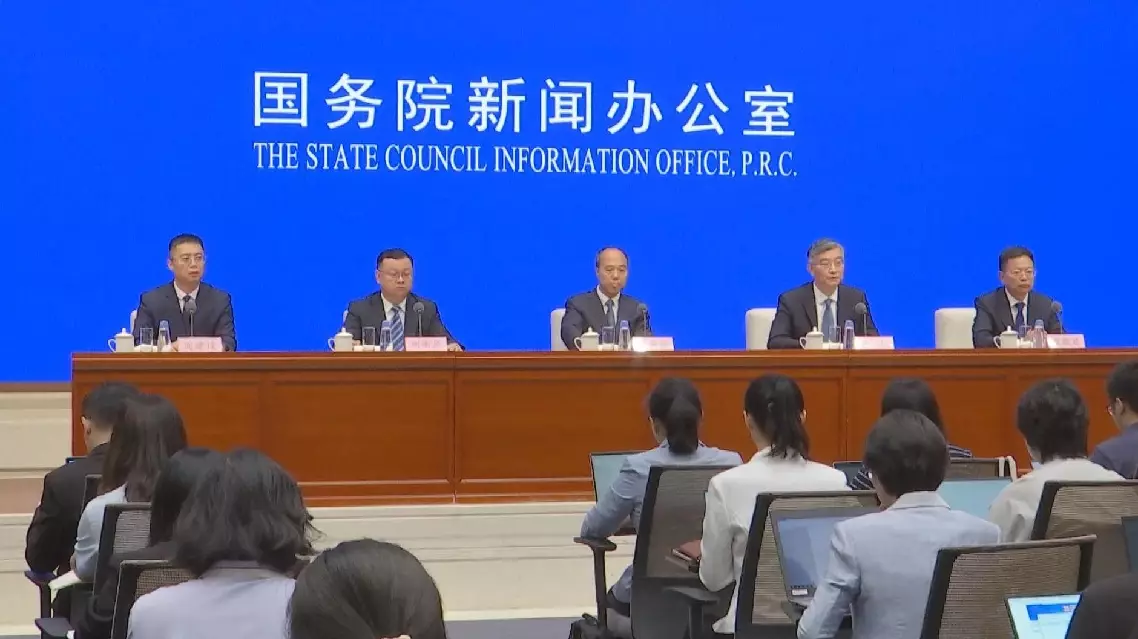
Duan Yijun, deputy head of the National Ethnic Affairs Commission, announced the figures at a press conference about the achievements of socialist democracy during the 14th Five-Year Plan period (2021-2025) held by the State Council Information Office.
"From 2020 to 2024, the combined regional GDP of China's five autonomous regions grew from 6.01 trillion yuan to 8.38 trillion yuan, with an average annual growth rate of 5.6 percent," Duan said.
The five autonomous regions are the Inner Mongolia Autonomous Region, the Guangxi Zhuang Autonomous Region, the Xizang Autonomous Region, the Ningxia Hui Autonomous Region, and the Xinjiang Uygur Autonomous Region.
China's five autonomous regions see robust economic growth
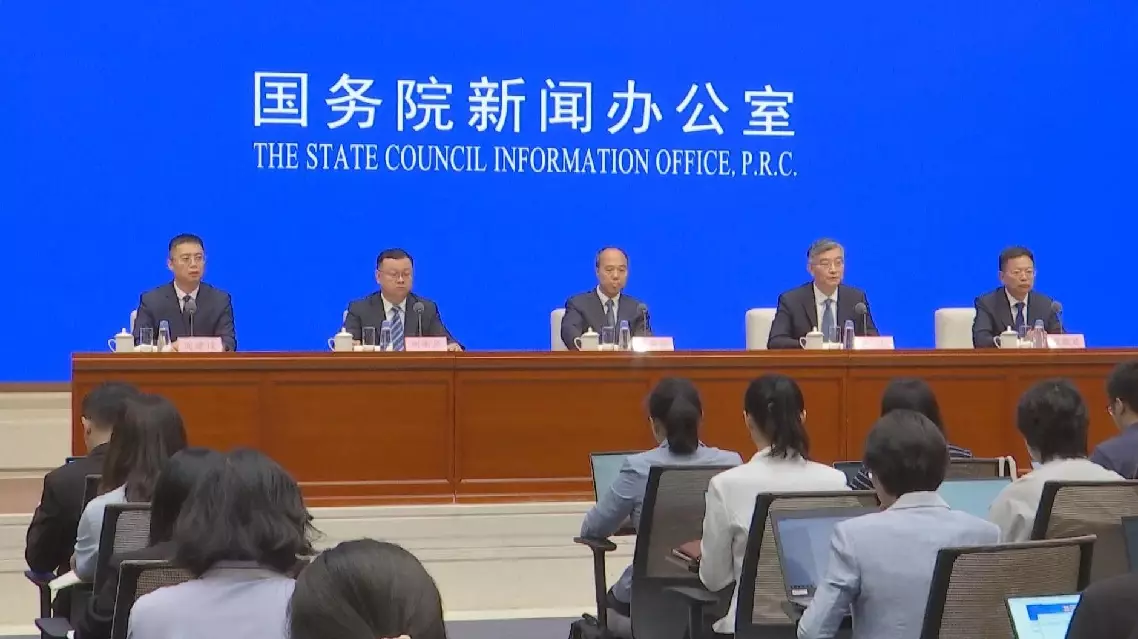
China's five autonomous regions see robust economic growth
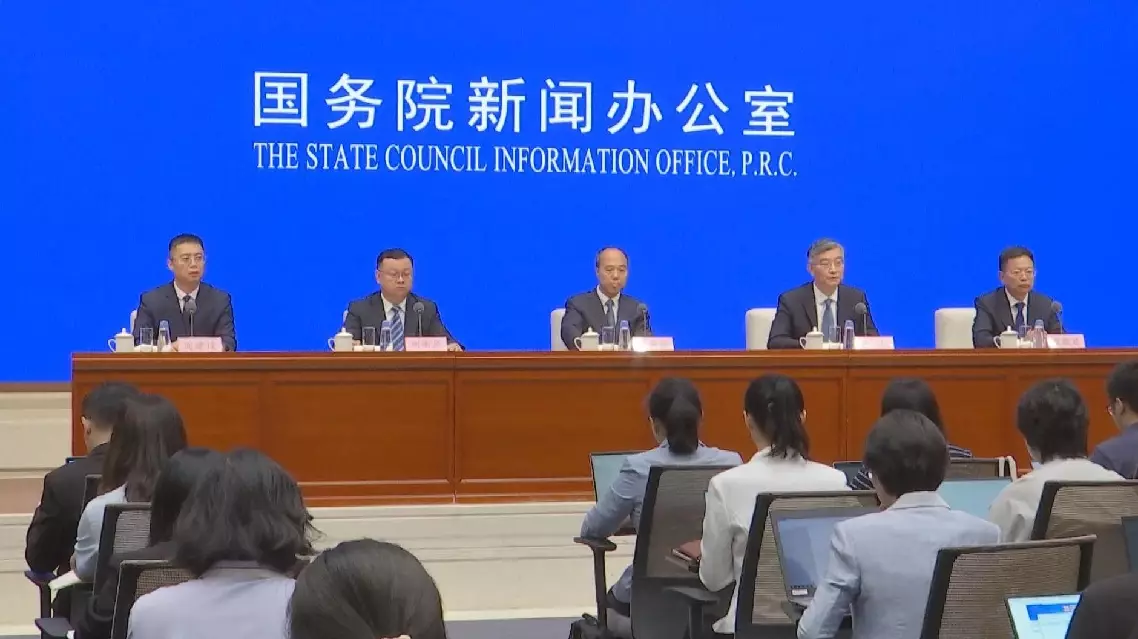
China's five autonomous regions see robust economic growth
The multilateral system is "under attack" amid global turmoil, President of the 80th UN General Assembly Annalena Baerbock warned in her remarks on Wednesday.
In her briefing on the priorities for the resumed 80th Session of the General Assembly, the UNGA president noted that the current multilateral system does not collapse all in a sudden, but "crumbles piece by piece" in divisions, compromises, and lack of political commitment.
The president called all the UN member states to defend the UN Charter and international law and promote cross-regional cooperation.
She also urged to push forward the work of the UNGA on certain critical issues with a strong majority, rather than an absolute consensus among all member states. Such act is not a failure of multilateralism, but "an affirmation of it," she said.
The foundational principles of the institution should not be eroded by appeasement, she said, calling the member states to show courage, leadership, and responsibility at the UN's "critical make-or-break moment."
"The UN needs you. Your support, your leadership, your principle, stand, your cross-regional cooperation, if we are to preserve and modernize this institution, if we are to make it, rather than break it," she said.
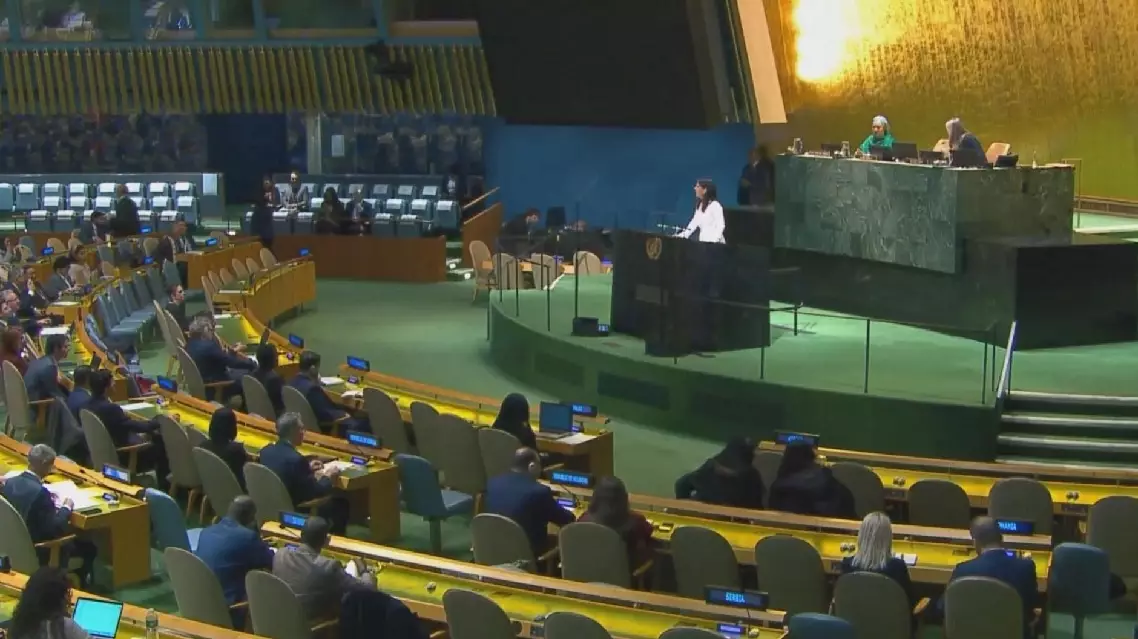
UNGA President warns global multilateral system "under attack"