When Tibetan girl Padma Yangjen was 11, doctors warned she might not live past the age of 30 due to severe congenital heart defect. The future of the little girl living in southwest China's Xizang Autonomous Region was uncertain, until a free surgery in Beijing, the Chinese capital, changed everything.
Padma Yangjen was among the first group of children to receive free treatment for congenital heart disease under a national medical aid program launched in 2012. The surgery, part of a broader initiative to expand access to pediatric care in remote regions, allowed her to return to school and eventually graduate from Lhasa Normal College.
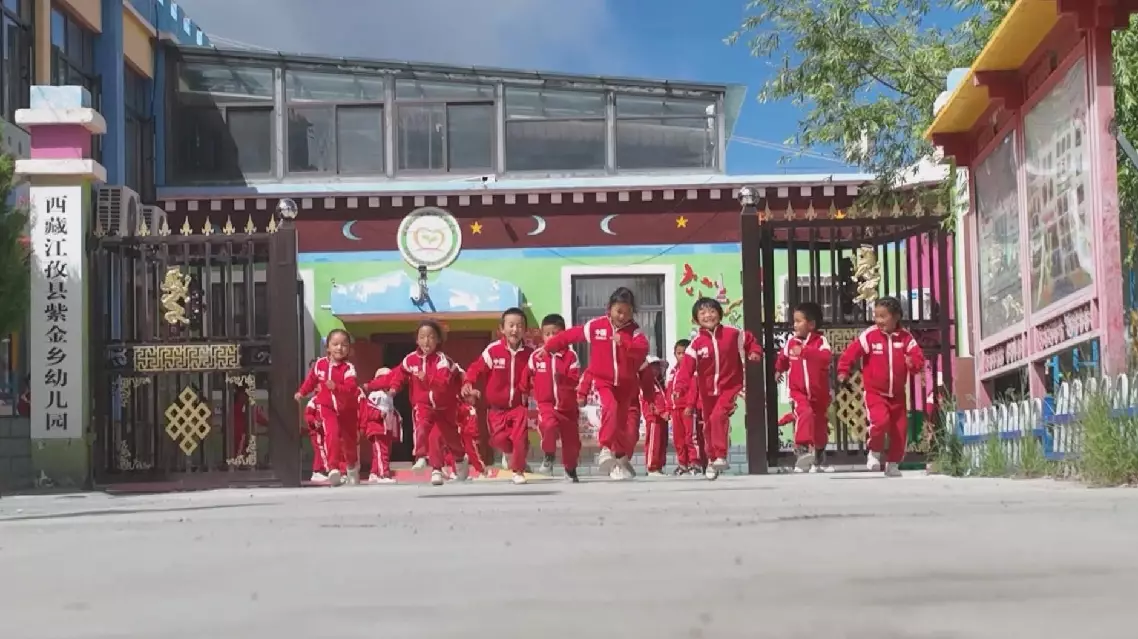
Thirteen years later, Padma Yangjen stands at the front of a classroom in Xizang's Gyantse County, teaching preschoolers in a kindergarten that did not exist in Gyantse when she was their age. Her first class of 27 students recently completed their three-year program, which includes music, art, and basic literacy. Now they are ready for primary school education.
"Some of the kids wished me success in my job. Some said they hoped I'm safe and have a peaceful life, and others said they hoped I'd live a good life. I feel they've improved a lot in every way. They're more outgoing and willing to express themselves," said Padma Yangjen.
Padma Yangjen, who was too shy to speak at her students' age, attributed the changes to the spread of pre-school education in Xizang. The kindergarten that Padma Yangjen works at was established in 2015 as part of the region's efforts to improve early childhood education.
According to local government data, the number of inclusive kindergartens in Gyantse rose from just one in 2007 to 63 in 2025, driven by national policies aimed at improving educational access and quality.
Padma Yangjen does not just witness rapid growth in preschool infrastructure in Xizang over the past decade, but also benefit from it.
Medical support for congenital heart disease has also expanded in Xizang.
Soon after Padma Yangjen went to Beijing to undergo free medical treatment in 2012, the autonomous region set up a mechanism for free pediatric heart treatment. In 2016, the mechanism became a permanent program, with a mandate to "treat every case found." Nearly 7,600 children with congenital heart disease have received free care since 2012, according to local health officials.
Padma Yangjen's recovery has had ripple effects on her family. Her mother becomes more cheerful, and her father more energetic. Now her father works in furniture and interior design, earning several hundred yuan per day. The life is getting better and better.
"After the surgery, she became such a healthy child. She graduated in good health, and now she has a job. Wishes of her parents now come true," said Penpu, Padma Yangjen's aunt.
The family is planning to build a two-story home next year.
For Padma Yangjen, the transformation is personal, but also symbolic. Once a child who could only watch others play, she now leads them.
"I really want to tell them -- I'm deeply grateful to those kind-hearted people. Without them, I wouldn't have been who I am today. I hope they can see the person I've become now, and I hope they'll be proud of me. I'll keep doing better and better in my job, so I won't let everyone down," said Padma Yangjen.
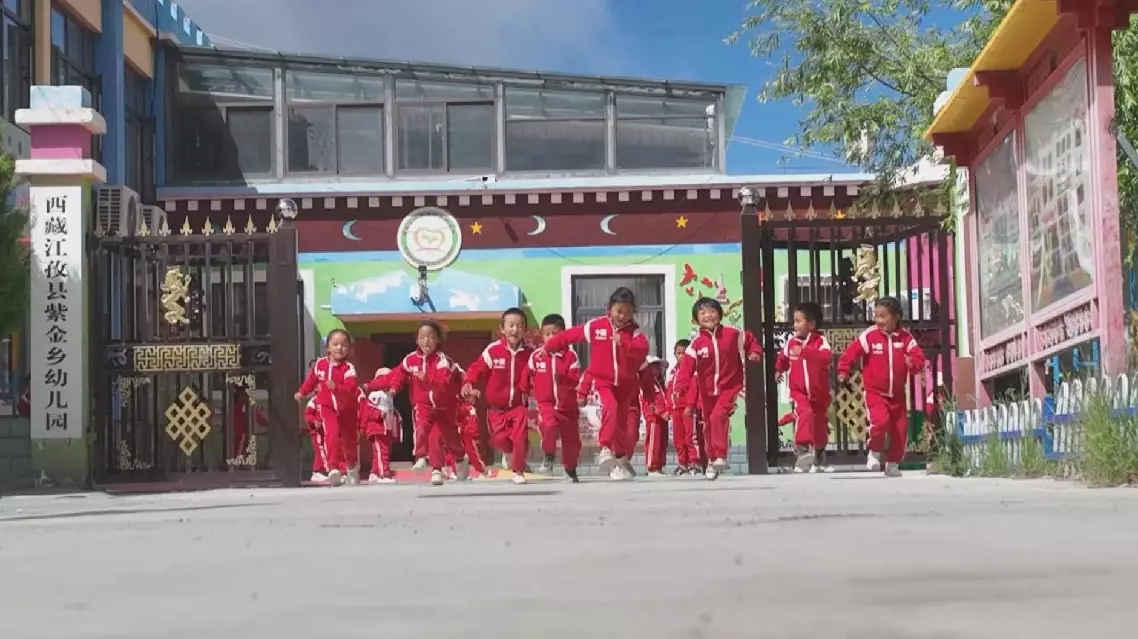
Tibetan woman shares her journey of overcoming heart disease, embracing new life
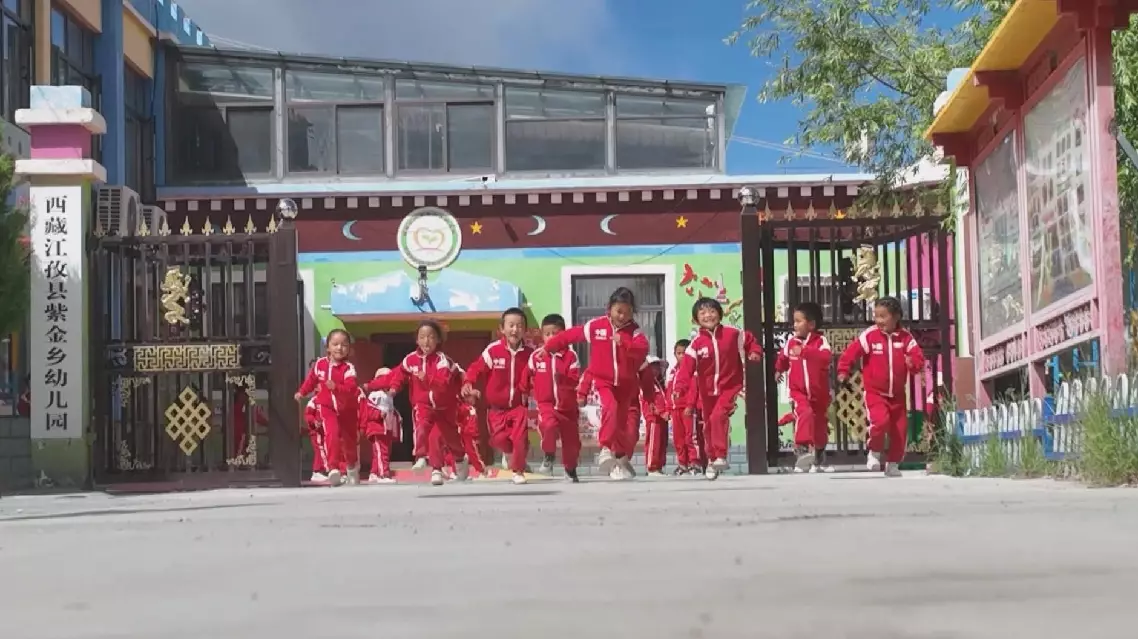
Tibetan woman shares her journey of overcoming heart disease, embracing new life
Tibetan woman shares her journey of overcoming heart disease, embracing new life