China showcased its engineering prowess on Aug. 15 as astronaut Chen Dong wore spacesuit B during Shenzhou-20's third spacewalk, marking its 20th successful extravehicular activity (EVA), according to the China Astronaut Research and Training Center on Monday.
The suit thus became the first of its kind on China's space station to achieve the lifespan extension goal of supporting 20 EVAs within 4 years.
"Spacesuit A has been used for 18 times and spacesuit B has supported 20 EVAs. Both spacesuits were sent into orbit in 2021 along with the launch of Tianzhou-2 cargo craft," said Zhang Wanxin, director of spacesuit engineering office of China Astronaut Research and Training Center.
An extravehicular spacesuit is the core equipment for astronauts during EVAs in space, ensuring their safety and enabling efficient operations outside the cabin.
The second-generation Feitian extravehicular spacesuit aboard China's space station has a service life of three years of storage in orbit, during which it can be used for EVAs no less than 15 times, in accordance with its design standards.
The extravehicular spacesuit of China's space station is the first flight product in China to conduct in-orbit lifespan assessment and extended use.
On July 15, Tianzhou-9 cargo craft delivered a new batch of supplies to China's space station, including two sets of second-generation Feitian extravehicular spacesuits, identified as D and E.
Extravehicular spacesuits D and E have been unpacked and inspected, and are in good condition. They will be gradually put into use in future EVAs, Zhang said.
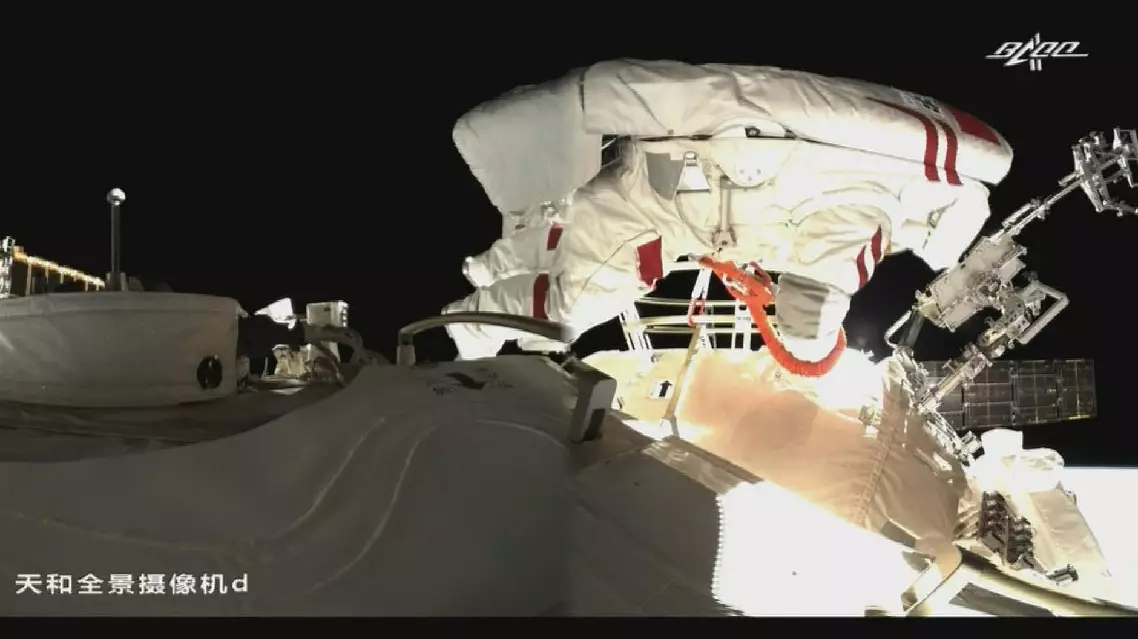
China's space station spacesuit sets record with 20 successful extravehicular missions
More than 20 films will hit Chinese screens during the three-day Qingming Festival holiday from Saturday to Monday, spanning genres from revolutionary historical dramas, realism movies to suspense thrillers, according to the China Film Administration on Thursday.
Revolutionary historical films such as Blood-Spattered Cliff, Eight Sons, Eight Soldiers, and Half Of The Quilt, will pay tribute to martyrs through the lens.
Three films -- It's OK, Now I Met Her, and Sunshine Women's Choir -- tell moving stories of love, growth, and reconciliation.
It's OK is a contemporary family comedy that follows a mother and daughter navigating their joyful yet turbulent relationship. Now I Met Her tells a rebellious teenager who gets to know his late mother through her old diary. Sunshine Women's Choir, a film from the Taiwan region of China, portrays the "perfect" maternal love of "imperfect mothers."
The suspense film Game of Identity tells the story of two people from different backgrounds who accidentally swap lives, setting off an unexpected adventure. The documentary films Seeking Nature: The Code of Life, and Missions to the Moon (Part One) explore the connection between humanity and science.
Imported films from different countries, including The Super Mario Bros. Movie 2, Project Hail Mary, and Hoppers, will deliver spectacular cinematic experiences to audiences.
The Qingming Festival, or Tomb-Sweeping Day, falls on April 5 this year. It is a traditional Chinese festival for honoring the deceased and paying tribute to ancestors. The holiday also provides a short break for Chinese citizens as they engage in outdoor activities and sightseeing.
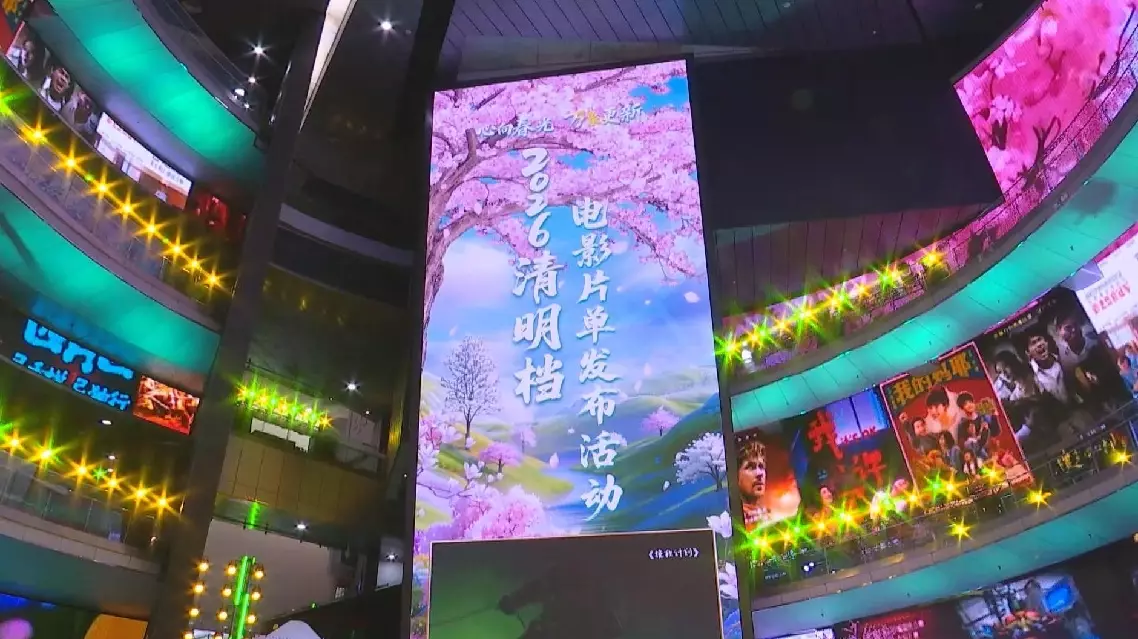
Over 20 films expected to hit Chinese screens during Qingming Festival Holiday