Skip to Content Facebook Feature Image

Medical teams help improve healthcare capacity in Xizang

China

China

China

Medical teams help improve healthcare capacity in Xizang

2025-08-20 15:26 Last Updated At:15:57

Medical expert teams from other parts of the country have helped to substantially enhance the medical service capacity in southwest China's Xizang Autonomous Region.

Over the past 10 years, more than 2,000 experts have been dispatched from 203 hospitals across the country to provide targeted support to Xizang.

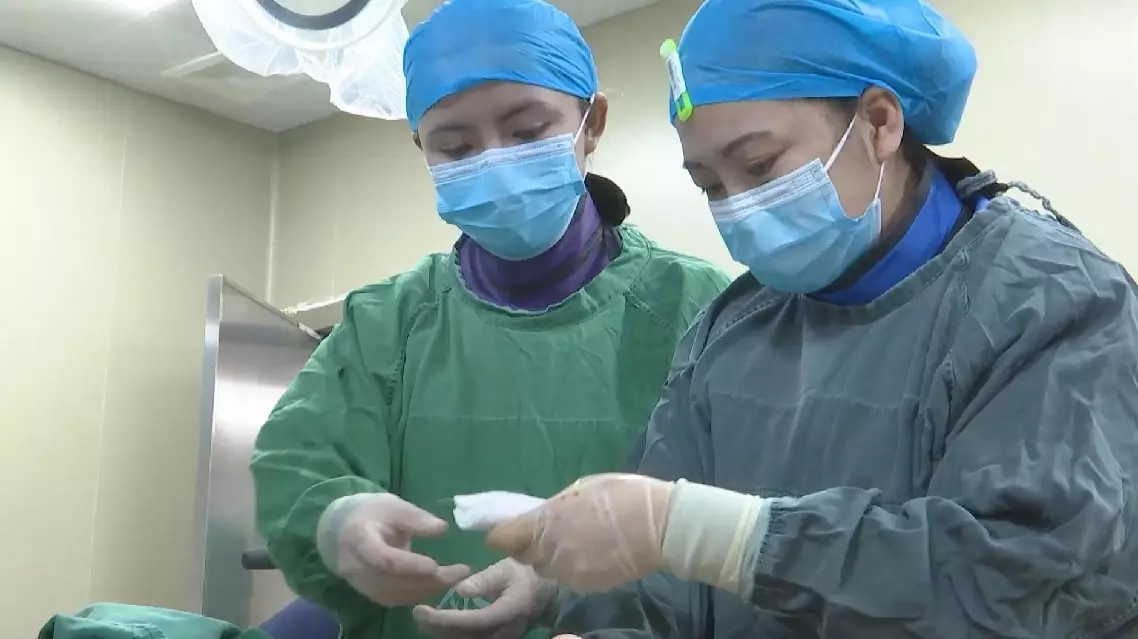
Xu Liang, a cardiology doctor from the 10th team of the Fuwai Hospital of the Chinese Academy of Medical Sciences sent to the People's Hospital of Xizang Autonomous Region, was the lead surgeon for the operations of two young patients -- eight-year-old Tashimo and 10-year-old Kyitsomo -- coming from the Nagqu pastoral area located at an altitude of over 4,600 meters.

As patients identified in the second batch of congenital heart disease screening conducted in the region this year, they are about to receive free treatment.

Xu explained that the challenges posed by the region's high-altitude and oxygen-deprived environment would lead to a higher incidence of cardiovascular diseases, so congenital heart disease rates double those found in plain regions. Previously, due to limited medical resources, many children with congenital heart disease went undiagnosed early, missing the optimal surgery window. Even if detected, they often had to travel to medically advanced cities like Beijing or Shanghai for treatment.

Through the collaborative efforts of doctors aiding Xizang and local medical professionals, Xizang has established a comprehensive service system covering screening, diagnosis, treatment and follow-up, ensuring the implementation of free treatment policies through direct hospital review, medical insurance settlement and financial backing.

After a successful two-hour operation, both young patients recovered well and were sent back to their wards.

"So far, the operations are quite successful. The children are expected to be discharged from the hospital by tomorrow or the day after, and their heart functions will be exactly the same as those of normal people. That is to say, the disease can be completely cured here in Lhasa," said Xu.

The assistance by teams of medical professionals to Xizang has enabled patients suffering from over 400 major diseases to receive treatment without leaving the region.

Since 2019, Xizang has been implementing closely integrated medical and health consortia at the county level, with 72 county/district central hospitals becoming consortia members. Doctors are regularly dispatched to provide assistance, leading to a local treatment rate of over 80 percent within these counties. The proportion of medical treatments at grassroots healthcare facilities has reached 51.95 percent, essentially achieving the goal that major illnesses among the locals can be treated within Xizang, while minor ailments can be addressed in township hospitals.
Medical teams help improve healthcare capacity in Xizang
Medical teams help improve healthcare capacity in Xizang

As foreign trade is an important part of China's open economy and a driving force for national economic development, Chinese Commerce Minister Wang Wentao said China will step up efforts to promote innovative development of its cross-border commerce.

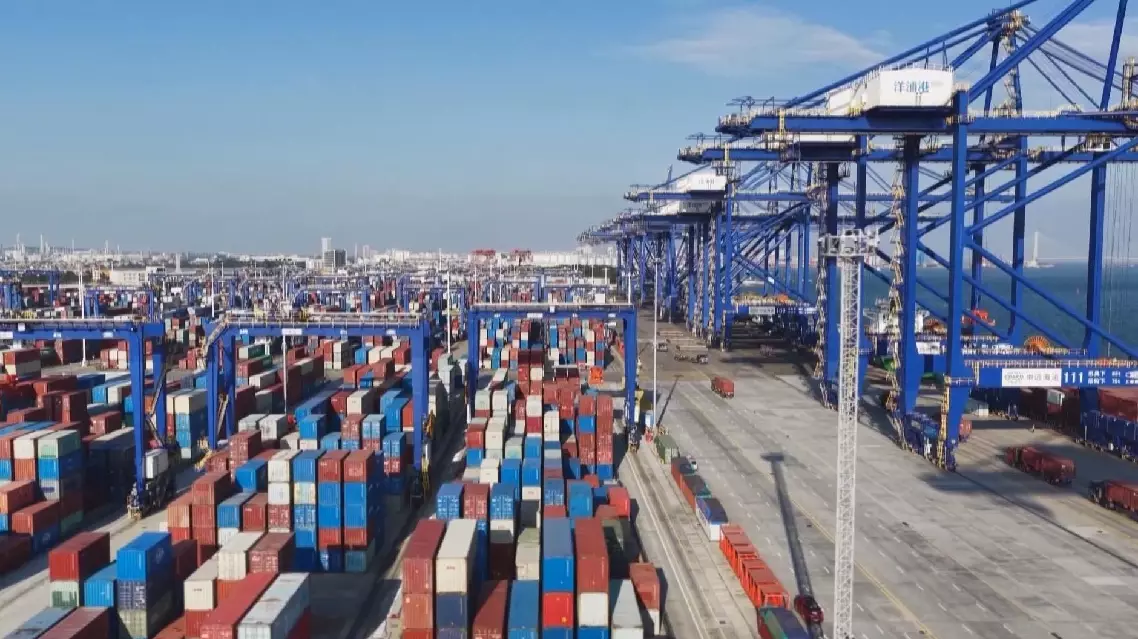
In a recent interview with China Media Group, Wang said that China's foreign trade in goods grew by 3.8 percent year on year to reach 45.47 trillion yuan (about 6.53 trillion U.S. dollars) in 2025, hitting a new record and marking the first time that the volume has exceeded the 45-trillion-yuan threshold. The country is also expected to maintain its position as the world's largest trading nation in goods in 2025.

He stated that the global economy currently faces insufficient growth momentum, persistent geopolitical tensions, and a marked slowdown in trade expansion. The World Trade Organization has also revised its projected growth rate for global trade in 2026 downward to 0.5 percent, reflecting heightened uncertainty in the international trade environment.

In the face of significant challenges and mounting risks, China this year will advance the coordinated development of goods trade, service trade, and digital trade in a comprehensive and systematic manner, with the aim of ensuring stability and resilience in foreign trade performance, Wang stressed.

"We will consolidate and expand diversified markets. We will do a good job in hosting important exhibitions such as the Canton Fair, attract more overseas buyers to attend and purchase, and increase support for enterprises to participate in exhibitions abroad. We will guide the healthy and standardized development of new forms and models of foreign trade such as cross-border e-commerce. China has reached 23 free trade agreements (FTA) with 30 countries and regions. We will support and guide enterprises to make good use of these agreements to expand trade exchanges," he said.

China will promote balanced trade development in 2026, said Wang, adding that it will actively expand imports through measures such as coordinated exhibition events and targeted procurement.

"We will continue to expand the influence of the 'Export to China' brand, hold a series of matchmaking events, make full use of various trade promotion platforms including the China International Import Expo, leverage the role of national demonstration zones for import trade promotion and innovation, enhance the facilitation of import trade, optimize the sources and structure of imported goods, and better meet the needs of industrial development and people's pursuit of a better life," he continued.

China to promote innovative development of foreign trade

China to promote innovative development of foreign trade

Recommended Articles