BOGOTA, Colombia (AP) — Bolivia’s upcoming presidential election will mark a shift from nearly two decades of socialist rule, but many Indigenous and environmental leaders doubt it will bring progress in stopping deforestation, wildfires or pollution in the Amazon.
The Oct. 19 runoff pits centrist Sen. Rodrigo Paz against right-wing former president Jorge “Tuto” Quiroga — two contenders promising change but rooted in an economic model critics say has long fueled environmental damage in one of South America’s most biodiverse nations.
Click to Gallery
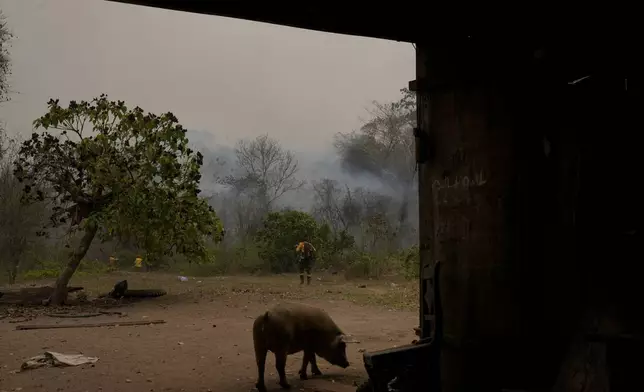
FILE - A pig walks near the smoke rising from a wildfire in the Chiquitania forest near Concepcion, Bolivia, Sept. 13, 2024. (AP Photo/Juan Karita, File)
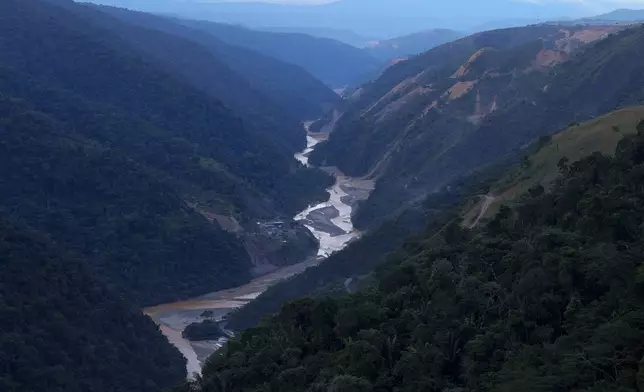
FILE - The Consata River flows through mountains, on the outskirts of Santa Rosa, Bolivia, June 17, 2023. (AP Photo/Juan Karita, File)
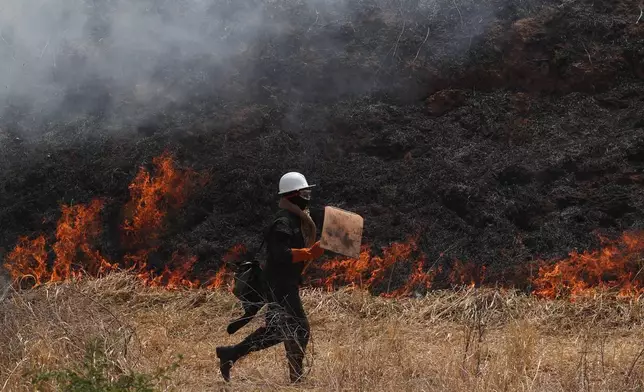
FILE - A police officer works to put out a wildfire in the Chiquitania forest on the outskirts of Robore, Bolivia, Aug. 30, 2019. (AP Photo/Juan Karita, File)
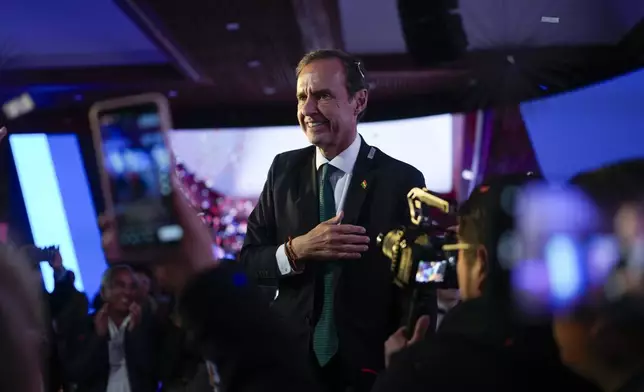
FILE - Presidential candidate Jorge "Tuto" Quiroga arrives at his campaign headquarter after early results in the presidential election in La Paz, Bolivia, Aug. 17, 2025. (AP Photo/Juan Karita, File)
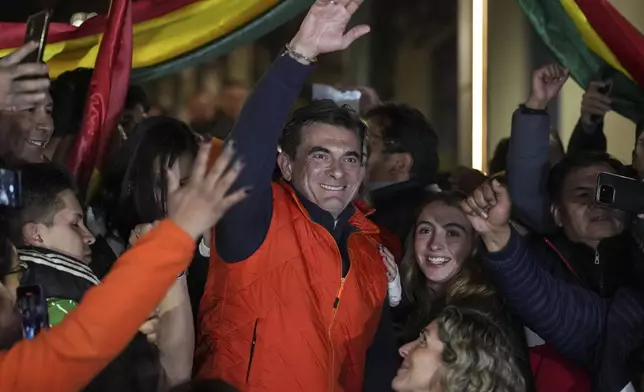
FILE - Presidential candidate Sen. Rodrigo Paz, center, waves to supporters after early results showed him leading in the presidential election in La Paz, Bolivia, Aug. 17, 2025. (AP Photo/Natacha Pisarenko, File)
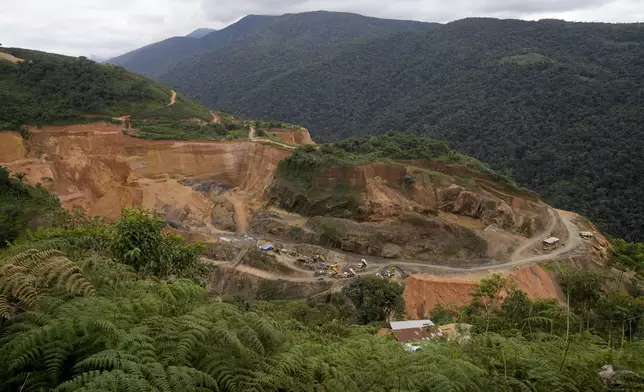
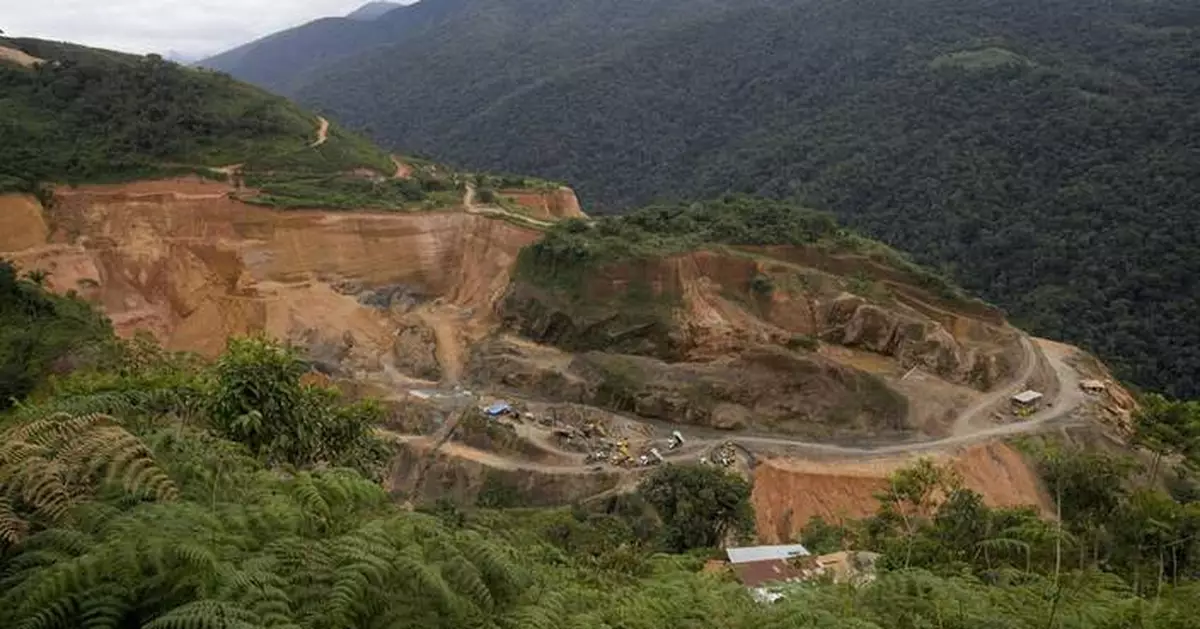
FILE - Heavy machinery used to mine gold dot an open pit on the outskirts of Santa Rosa, Bolivia, June 17, 2023. (AP Photo/Juan Karita, File)
The Amazon spans nine countries and plays a crucial role in absorbing carbon and regulating climate patterns worldwide. Approximately 8% of the Amazon is in Bolivia. Scientists warn that deforestation is pushing parts of the forest toward a tipping point where it could shift into savanna.
The election feels like a choice between two threats, according to Ruth Alipaz Cuqui, coordinator of the Indigenous alliance CONTIOCAP and a member of the Uchupiamona community. She said governments of all stripes have ignored Indigenous well-being.
“Agreements are signed, commitments are made, laws and decrees are passed, but in the territory there is absolutely nothing applied," she said.
Quiroga’s campaign told The Associated Press he would tighten controls on wildfires, promote sustainable agriculture, expand biofuel production, and encourage reforestation to curb high deforestation rates. He also calls for using carbon and green bonds — tools to raise money to fund conservation efforts.
Paz, who has also called for carbon bonds, did not respond to a request for comment.
Evo Morales — Bolivia’s first Indigenous president — often invoked Pachamama, the Indigenous concept of Mother Earth as a living being that sustains life, and rose to power by championing Indigenous rights and environmental protection. But his socialist governments also expanded exports of soy, beef, gas and minerals to fund social programs. And his administration allied with agribusiness and ranching elites, loosened land-clearing restrictions and promoted infrastructure projects that opened new frontiers in the Amazon.
Bolivia is one of the Amazon basin’s fastest-deforesting countries. Forest loss spiked in 2019, when Morales eased burning rules and legalized agricultural clearing, fueling massive wildfires that wiped out nearly a million hectares (about 3,860 square miles). The destruction has continued as cattle ranching, soy farming, logging and mining push deeper into Indigenous lands.
In 2024, fires scorched more than 10 million hectares — about 38,600 square miles, or roughly the size of Iceland — and Bolivia recorded the world’s second-highest tropical primary forest loss after Brazil, according to Global Forest Watch.
Vincent Vos, a Dutch-Bolivian researcher based in the Amazonian department of Beni, said communities are confronting overlapping crises.
“Santa Cruz has already lost 68% of their water reserves… we’ve got 30% less rainfall than a decade ago,” he said. “Our fish is really completely contaminated by mercury already and people are really suffering from high levels of mercury poisoning.”
Environmental issues have not been a central focus of the campaign, as Bolivians are dealing with the country's worst economic crisis in decades. Still, both candidates have outlined some proposals.
Paz has proposed a $15 billion “green government” funded by carbon credits, which can be generated from projects like forest planting that aim to reduce emissions; tighter controls on agricultural burns and a crackdown on illegal gold mining. Quiroga vows to make Bolivia a leader in decarbonization, protect parks, restore fire-hit ecosystems, and expand agriculture “appropriately” — a stance critics warn could still spur deforestation.
Nick Fromherz, a Bolivian-based adjunct professor at Lewis & Clark Law School in Portland who specializes in Latin American environmental law, said both candidates have spoken broadly about fighting wildfires and managing the agricultural frontier. But they've offered few solutions to less visible crises like mercury contamination from gold mining, he said.
Mercury, widely used in gold mining, flows into rivers and contaminates fish, a dietary staple for Amazonian communities. Studies have found alarmingly high mercury levels in people living along Bolivian rivers, echoing concerns across the Amazon basin.
For Stasiek Czaplicki, a Bolivian environmental economist who has studied forest policies, the danger lies not only in policy direction but in the state’s ability to enforce protections.
He said Quiroga “would be worst for the institutions that defend the environment.” He cited proposals to end collective Indigenous land titles — opening them to private sales — and to expand soy and cattle production in the east. Critics warn those moves would accelerate deforestation and weaken agencies tasked with curbing it.
Fromherz said environmental concerns are still viewed as secondary in Bolivia’s politics, even as they shape the lives of millions. For Vos, the gap between rhetoric and reality is measured in disappearing rivers, vanishing fish and poisoned communities.
“People are really suffering,” Vos said.
Alipaz says years of unmet commitments have left the Amazon´s communities doubtful that the election will bring significant change.
“What happens to us is that we are stripped of our territory, poisoned with smoke and mercury, and also deprived of the means of life such as water, soil, and food,” Alipaz said.
“The life of Indigenous peoples in Bolivia has gone from bad to worse. We will continue defending. It’s not just our lives, it is our very existence that is at stake.”
The Associated Press’ climate and environmental coverage receives financial support from multiple private foundations. AP is solely responsible for all content. Find AP’s standards for working with philanthropies, a list of supporters and funded coverage areas at AP.org.
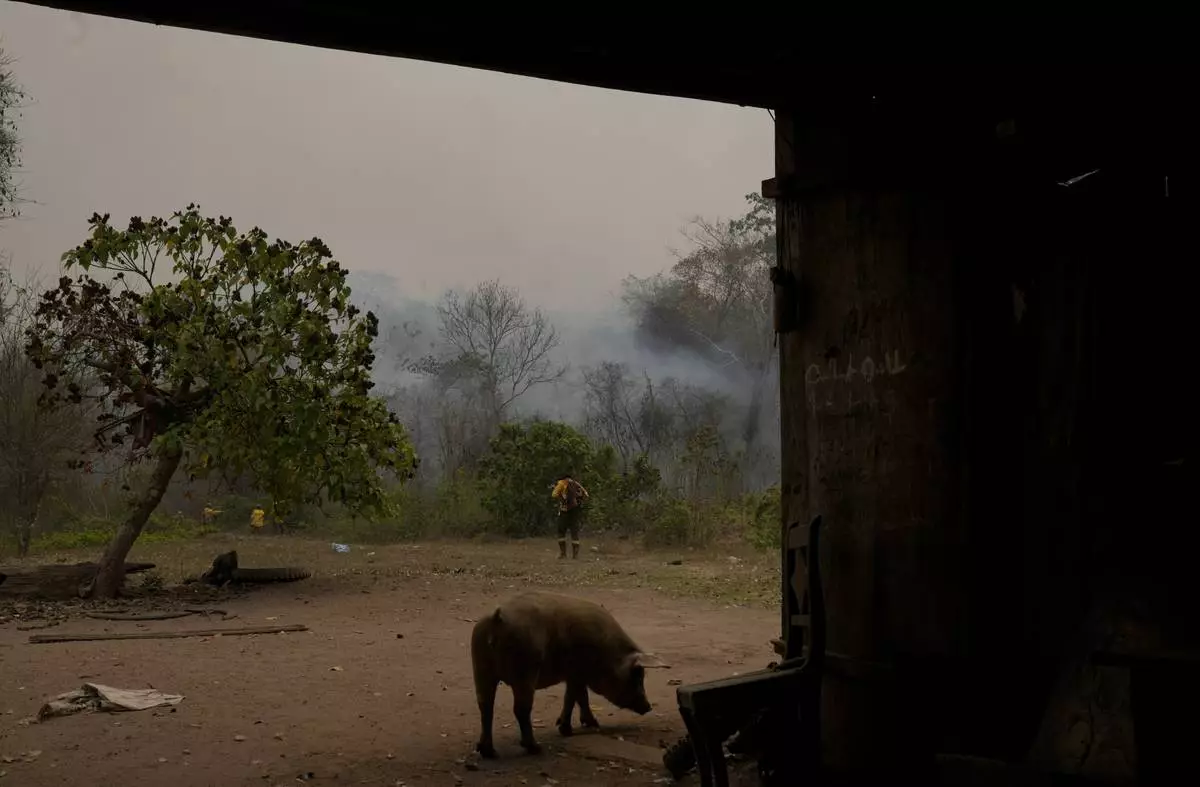
FILE - A pig walks near the smoke rising from a wildfire in the Chiquitania forest near Concepcion, Bolivia, Sept. 13, 2024. (AP Photo/Juan Karita, File)
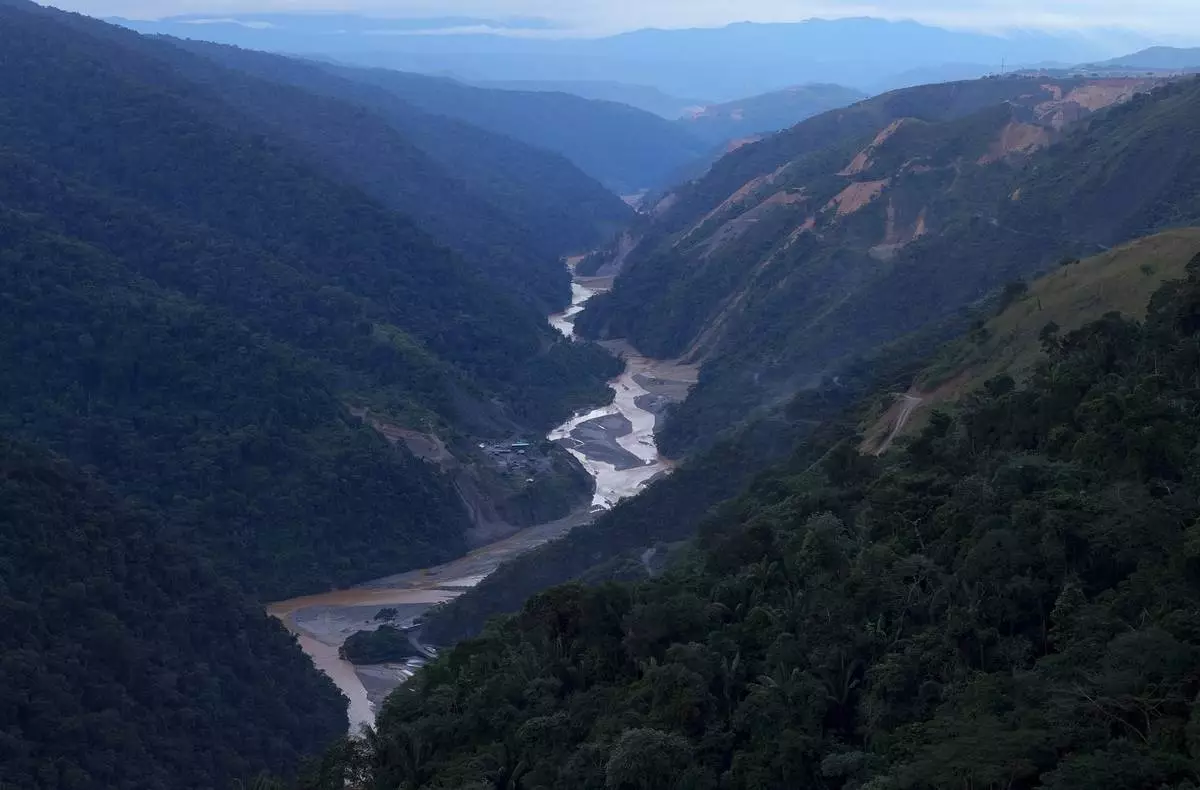
FILE - The Consata River flows through mountains, on the outskirts of Santa Rosa, Bolivia, June 17, 2023. (AP Photo/Juan Karita, File)
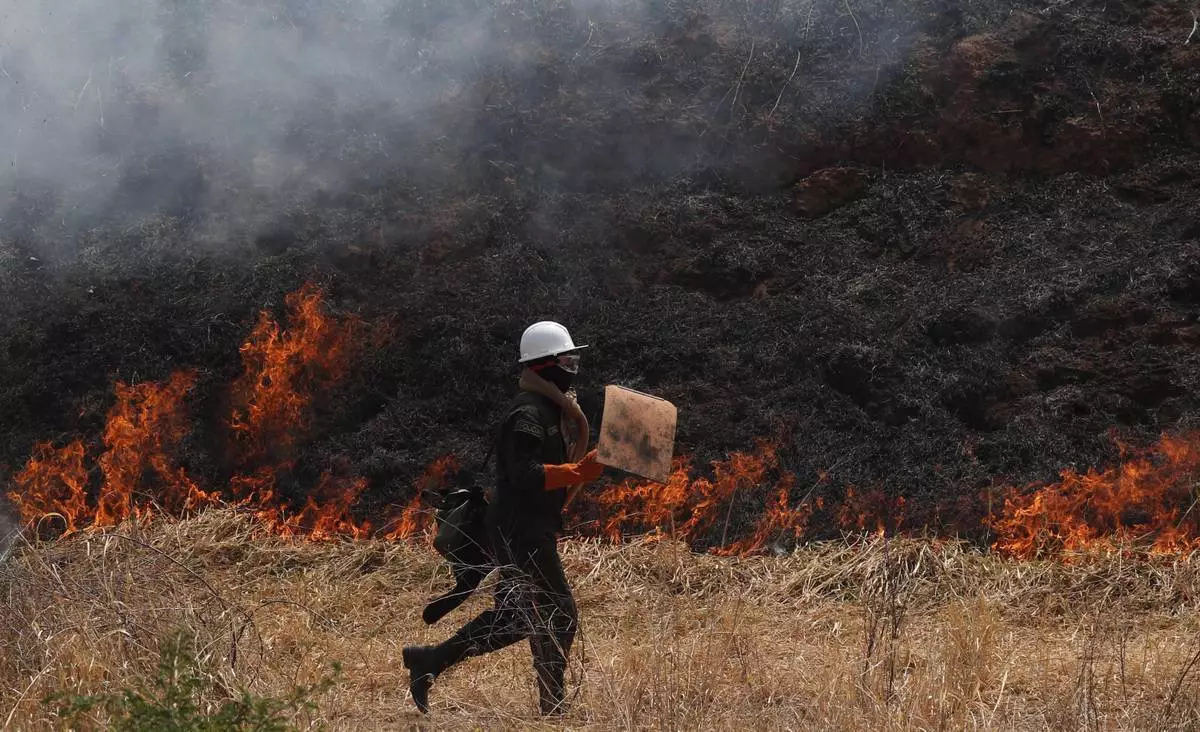
FILE - A police officer works to put out a wildfire in the Chiquitania forest on the outskirts of Robore, Bolivia, Aug. 30, 2019. (AP Photo/Juan Karita, File)
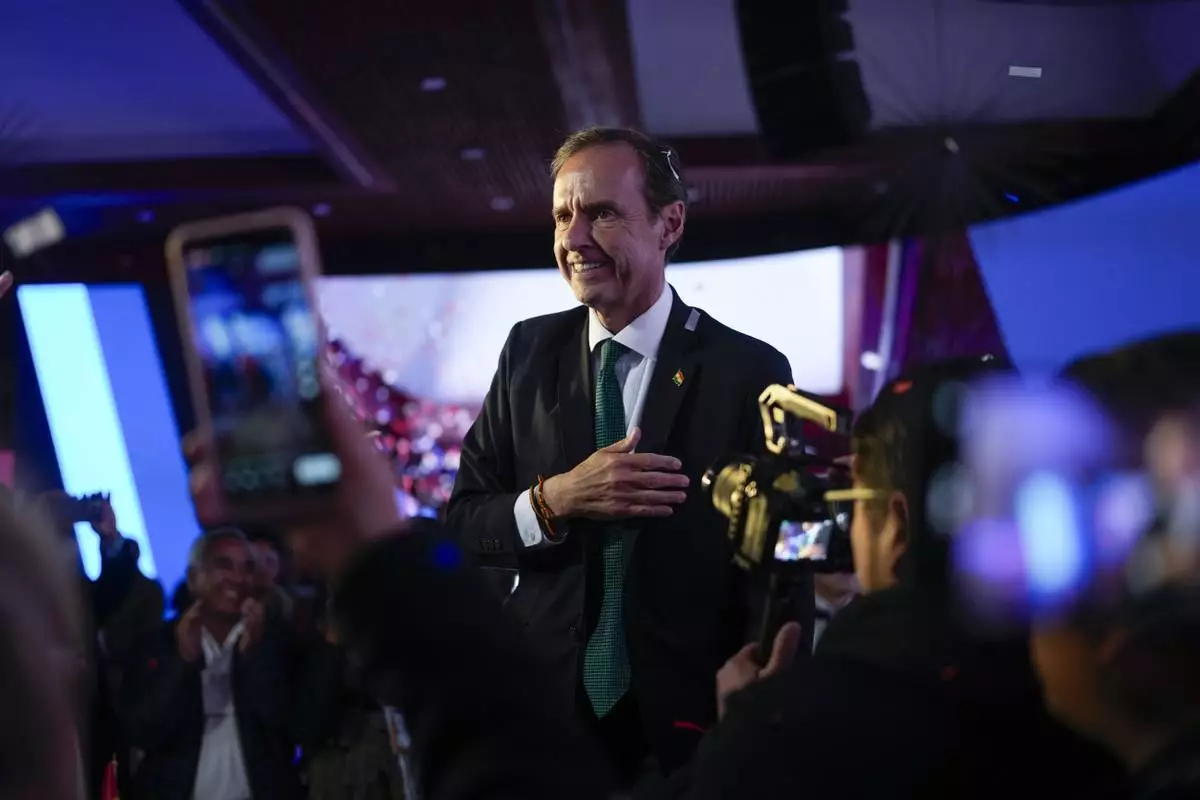
FILE - Presidential candidate Jorge "Tuto" Quiroga arrives at his campaign headquarter after early results in the presidential election in La Paz, Bolivia, Aug. 17, 2025. (AP Photo/Juan Karita, File)
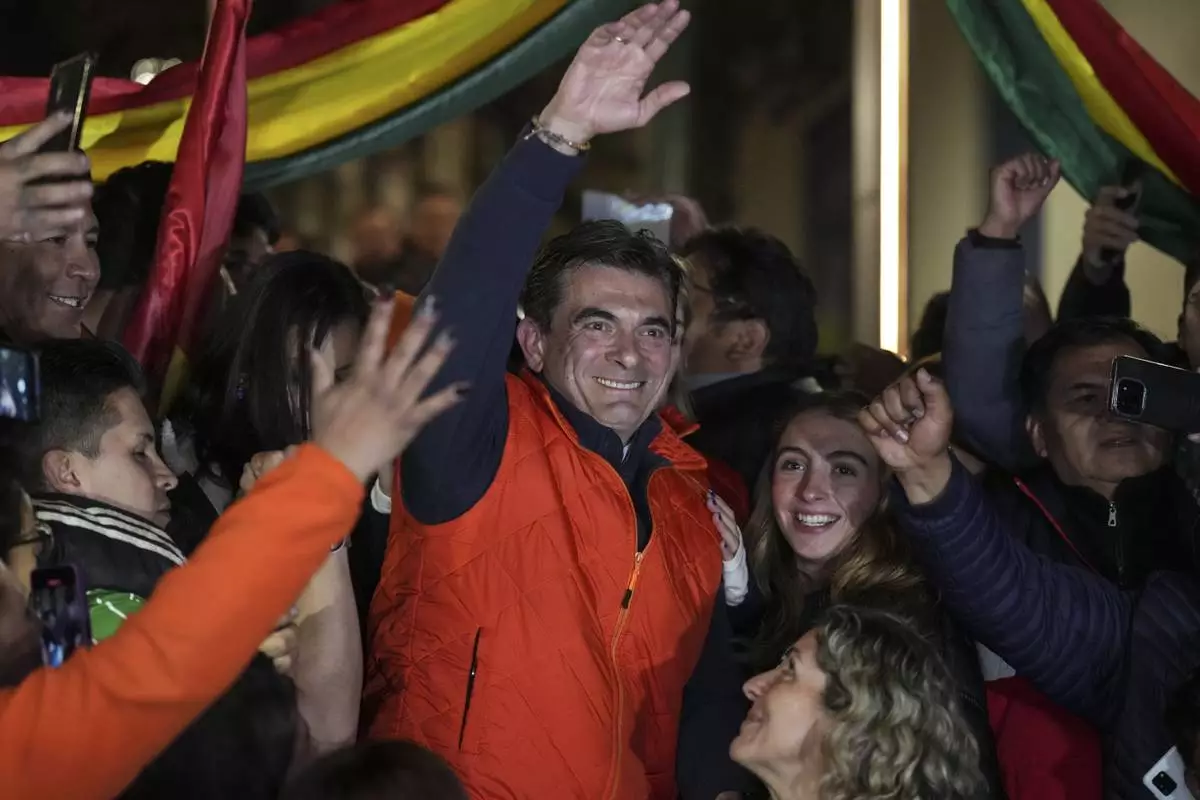
FILE - Presidential candidate Sen. Rodrigo Paz, center, waves to supporters after early results showed him leading in the presidential election in La Paz, Bolivia, Aug. 17, 2025. (AP Photo/Natacha Pisarenko, File)
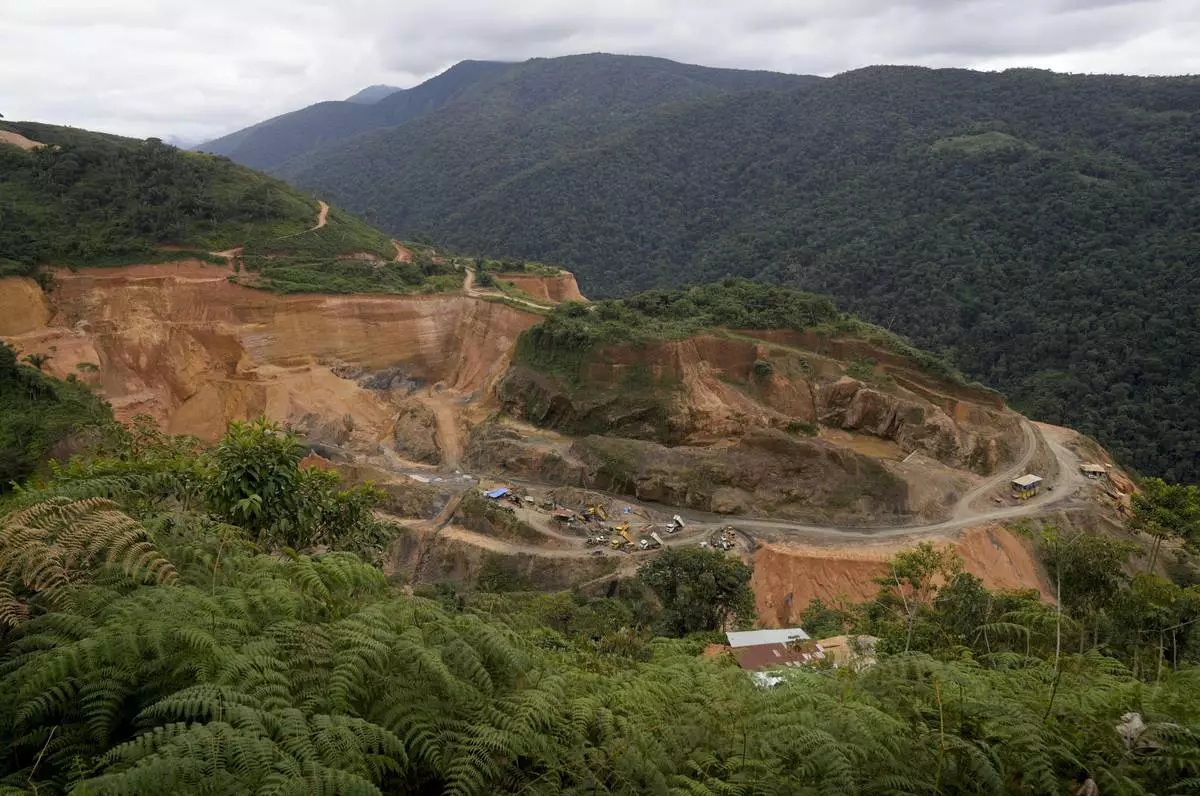
FILE - Heavy machinery used to mine gold dot an open pit on the outskirts of Santa Rosa, Bolivia, June 17, 2023. (AP Photo/Juan Karita, File)