A filmmaker from New Zealand has strongly refuted Western claims of "cultural genocide" in southwest China's Xizang Autonomous Region, especially those related to language education, based on his firsthand experiences visiting Xizang and deep engagement with the region's local culture and education systems.
In a recent interview with China Global Television Network (CGTN), Andy Boreham, a video director and columnist at Shanghai Daily, shared his first-hand experiences while producing a short documentary in Xizang.
He highlighted that the Tibetan language is freely taught in local schools, with both Mandarin and English included as compulsory subjects to enhance communication skills. Boreham described Western claims of "cultural genocide" as "hilarious", based on what he witnessed on the ground.
"So, one of the main reasons for filming this short documentary 'Seven Days in Xizang' was to find out if the Western media claims were true. And one of the main things was, apart from religion, the Tibetan language -- how freely it's learned there? So, I checked out a few Tibetan language classes in a local high school. One of the hilarious things that I find about the 'cultural genocide' claim is they claim that making Tibetan people learn Mandarin -- which is China's official language -- is some kind of 'cultural genocide.' But what I found out when I went there is, for example, in Tibet [Xizang], there's not just one Tibetan language, there are two or three different dialects. So, people from different parts of Xizang may not even be able to understand each other. So, there's Lhasa dialect, which is the standard dialect, and people have to switch to that. But then if Tibetan people are meeting someone from different parts of China, for example, from Xinjiang, they need to use Mandarin," Boreham said.
According to the filmmaker, in China, Mandarin functions as the "global language" that connects the entire nation, much like English on a global level. Therefore, it is both unfair and hypocritical to stigmatize the learning of Mandarin as "cultural genocide."
"But on top of that, and this is the really funny thing: Another of the languages that is mandatory to learn, at least at this school I visited, is English. But you're not gonna see people in the Western media saying, 'Why are they forced to learn English? That is cultural genocide!' Because they'll turn around and say, 'Well, of course they need to learn English because English is a global language, it helps people communicate.' Well, in China, Mandarin is the 'global language.' So that was one of the hilarious things I found out. So, I realized we just need to laugh at these accusations and do our best to keep telling the truth. I really feel like the tide is turning," Boreham said.
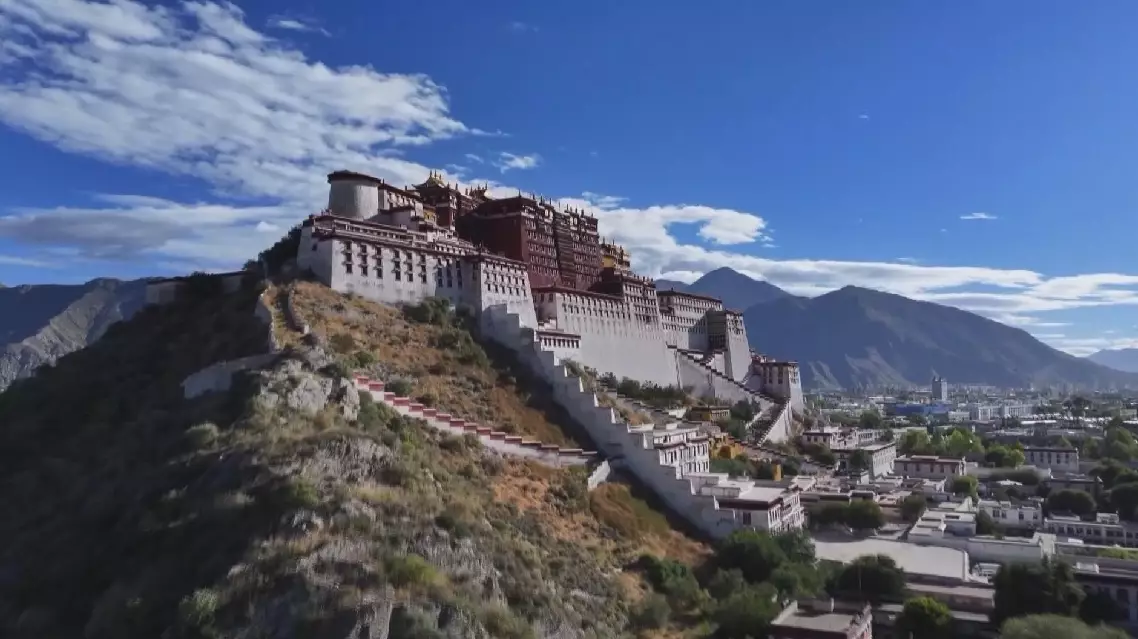
New Zealand filmmaker debunks Western propaganda against Xizang with firsthand findings
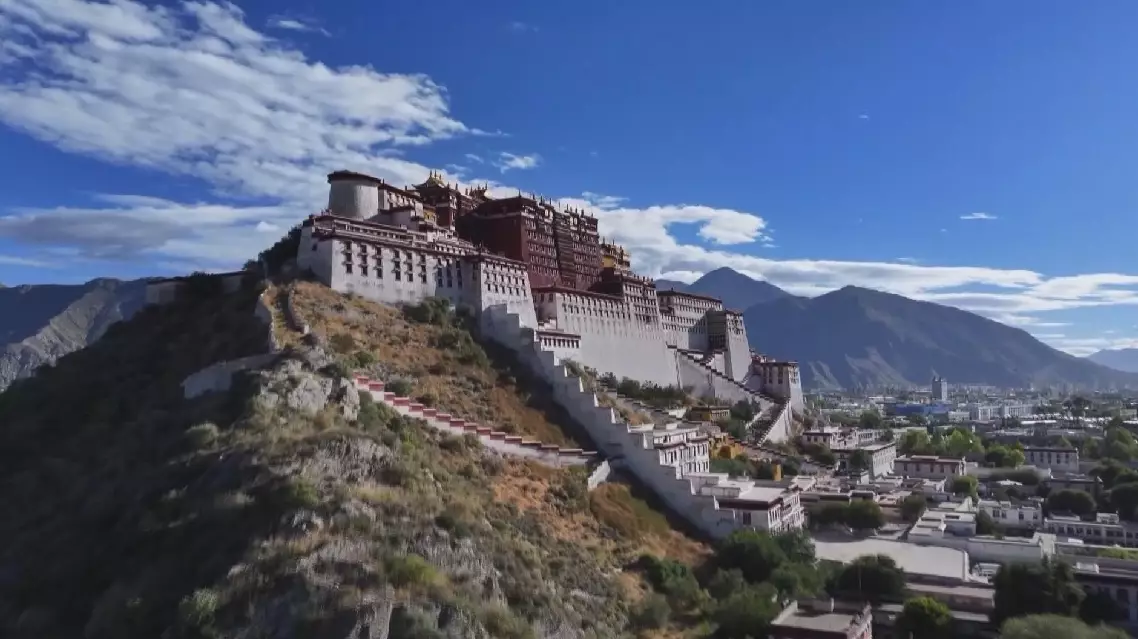
New Zealand filmmaker debunks Western propaganda against Xizang with firsthand findings
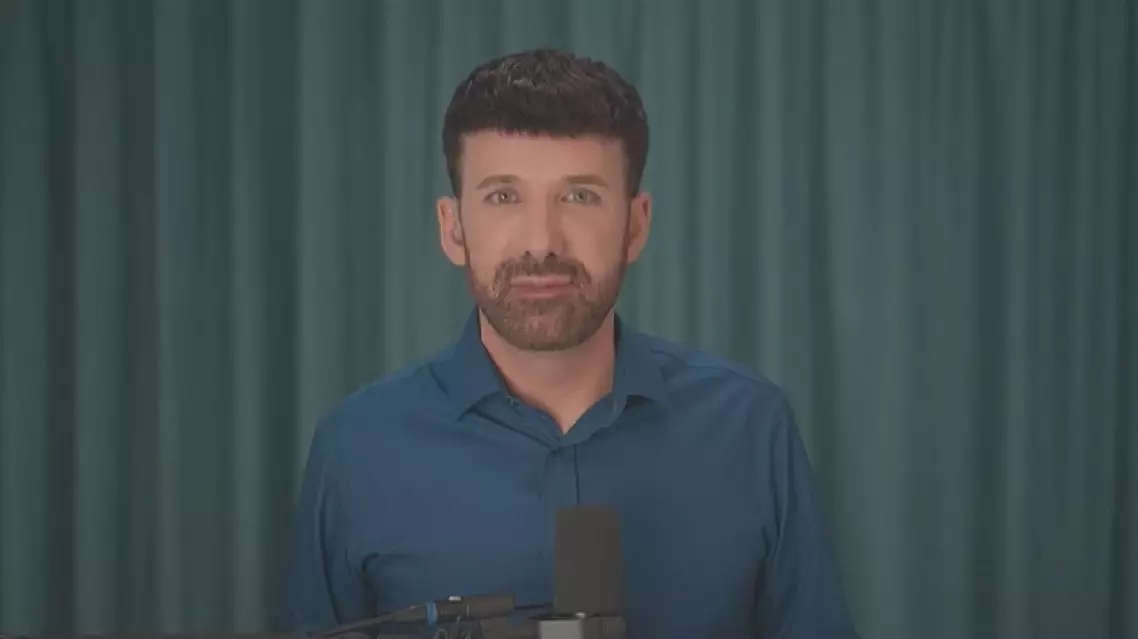
New Zealand filmmaker debunks Western propaganda against Xizang with firsthand findings