HANOI, Vietnam (AP) — Vietnam has evacuated hundreds of thousands of people and closed schools and airports as it braces for Typhoon Kajiki, its strongest storm of the year so far.
Forecasters said the typhoon had winds of up to 166 kilometers (103 miles) per hour at 10 a.m. Monday but is expected to weaken slightly before making landfall between central Vietnam’s Thanh Hoa and Ha Tinh provinces later in the afternoon.
The typhoon started as a weak tropical depression on Aug. 22 but grew into a powerful storm in less than two days, matching last year's Typhoon Yagi as one of the region's fastest-growing, according to state media. Its rapid strengthening forced Vietnamese authorities to rush emergency measures as strong winds and heavy rain hit the region.
Last year, Typhoon Yagi killed about 300 people and caused $3.3 billion in damage.
Kajiki has already caused devastation in China, with strong winds and heavy rain whipping Hainan Island and nearby parts of Guangdong province on Sunday. About 20,000 people were evacuated from high-risk areas, China’s official Xinhua News Agency reported.
One man in Nghe An province died Friday after being electrocuted while trying to secure his roof ahead of the storm, state media reported.
The storm is expected to move inland into Laos and northern Thailand.
Vietnamese state media reported plans to evacuate nearly 600,000 people in the provinces of Thanh Hoa, Quang Tri, Hue and Danang, where more than 152,000 homes are in high-risk areas.
The government said over 16,500 soldiers and 107,000 paramilitary personnel have been deployed to assist with evacuations and remain on standby for search and rescue.
Vietnam halted flights at two airports in Thanh Hoa and Quang Binh provinces on Monday, the Civil Aviation Authority of Vietnam said while dozens of flights have been cancelled.
Scientists published a study last year warning that seas warmed by climate change will result in Southeast Asia’s cyclones forming closer to land, strengthening faster and lasting longer, raising risks for cities.
“It’s frightening to see our projections from just last year already materializing,” said Benjamin Horton, Dean of the School of Energy and Environment and a professor of earth science at City University of Hong Kong.
He said that the speed at which these changes were unfolding was a “clear signal” that the climate crisis is moving faster than expected. “We are no longer predicting the future — we are living it,” he said.
The Associated Press’ climate and environmental coverage receives financial support from multiple private foundations. AP is solely responsible for all content. Find AP’s standards for working with philanthropies, a list of supporters and funded coverage areas at AP.org.
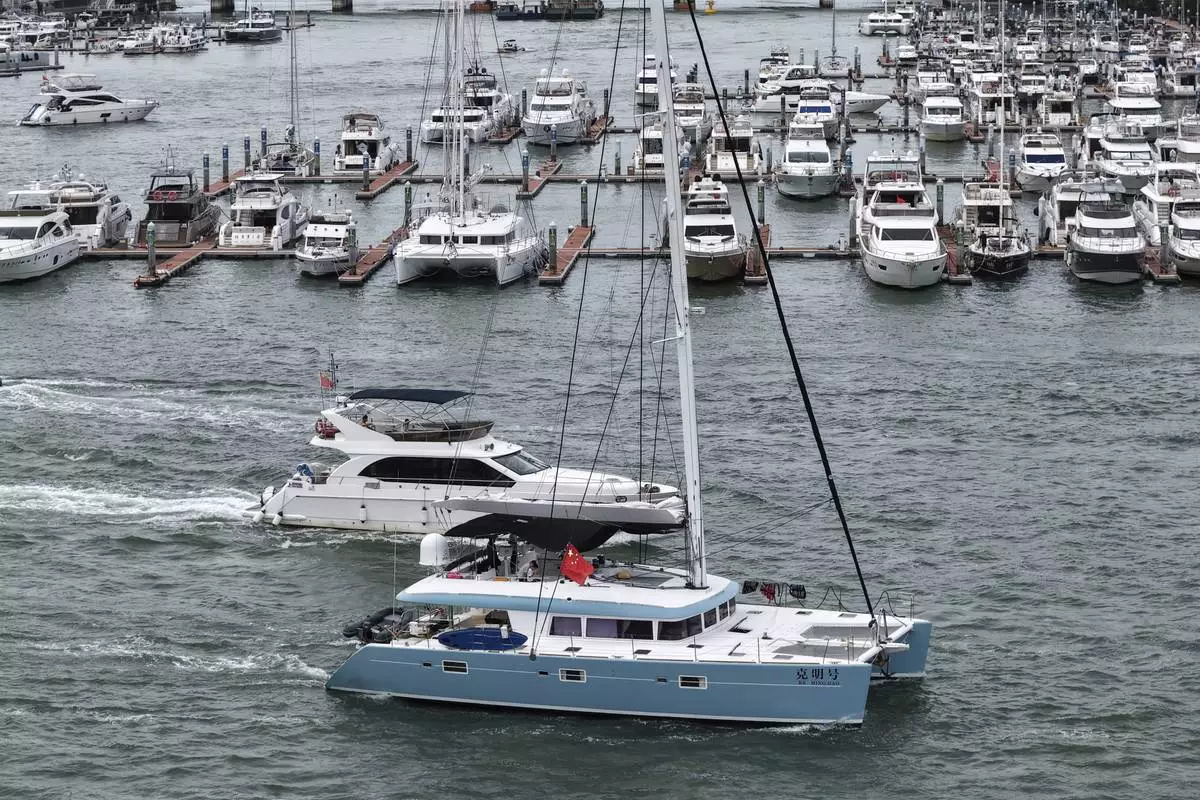
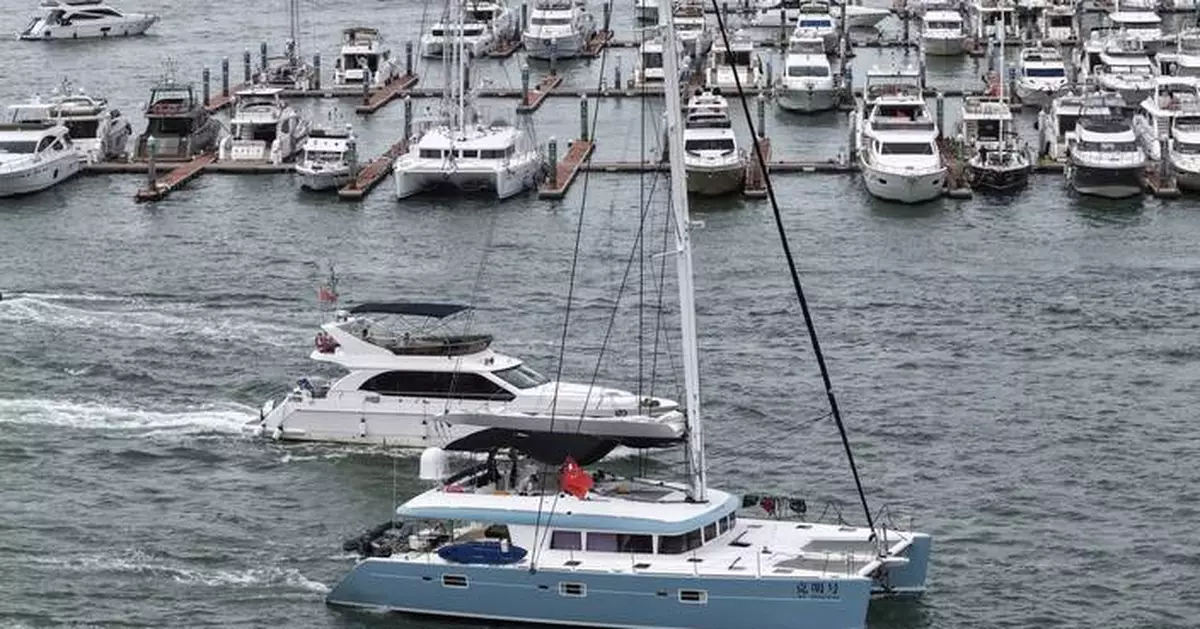
In this Aug. 23, 2025, aerial photo released by Xinhua News Agency, yachts return to dock ahead of Typhoon Kajiki in Sanya, southern China's Hainan Province. (Zhao Yingquan/Xinhua via AP)
DUBLIN (AP) — Hundreds of mourners, including Irish musicians and entertainers, filled a Dublin cathedral on Tuesday for the funeral of Academy Award-winning singer-songwriter Glen Hansard, who died in a motorcycle crash last week, aged 56.
Actors Steve Coogan and Chris O’Dowd and musicians including Bono, Hozier, Declan O’Rourke and Imelda May were in the congregation alongside friends, family and fans who had queued for hours outside St. Patrick’s Cathedral.
A large crowed watched on big screens outside as pallbearers carried a wicker coffin topped with flowers into the cathedral.
William Morton, the dean of St Patrick’s Cathedral, said: “Glen’s remarkable gifts and outstanding talent, which touched so many hearts, took him from the streets of Dublin to audiences across the globe.”
The funeral service was interwoven with music, including a performance by Pearl Jam’s Eddie Vedder, who sang Hansard’s “The Song of Good Hope” alongside Hansard’s longstanding musical partner Markéta Irglová.
U2's Bono said of Hansard: “Everyone who met him, they just remembered the day they met him.”
Bono held up his phone to play a message he'd received from singer and poet Patti Smith performing “a lullaby for Glen’s family and friends,” before reciting lyrics to U2’s “Beautiful Day.”
Hansard was killed in a single-vehicle crash on the outskirts of Dublin on July 29, hours after taking part in a trad music session at a pub.
His widow, Finnish poet Maire Saaritsa, who thanked the police officers who came to his aid, read a poem she had written for him early in their relationship.
She said the couple's 3-year-old son was too young to attend or understand the funeral, but “the bright spirit he inherited from his father is with us.”
Hansard was the longtime front man of Irish rock band The Frames and played a member of a Dublin soul band in the hit 1991 movie “The Commitments.” He won an Oscar in 2008 for the song “Falling Slowly” from the movie “Once,” in which he co-starred with Irglová. A stage adaptation won eight Tony Awards in 2012.
Hansard also was half of rock duo The Swell Season with Irglová and released solo albums including “Didn’t He Ramble,” which was nominated for a Grammy for Best Folk Album in 2016.
For many years he led a Christmas Eve busk outside Dublin’s Gaiety Theatre, where members of the public gathered to see famous Irish musicians perform in aid of a homelessness charity.
Tributes have been paid by fellow musicians. Bruce Springsteen said on Instagram he was “heartbroken” at the loss of “a great musician, a good friend and a generous and gracious man.”

Imelda May arrives for the funeral of Glen Hansard at St Patrick's Cathedral in Dublin, Tuesday, Aug. 4, 2026. (Damien Eagers/PA via AP)
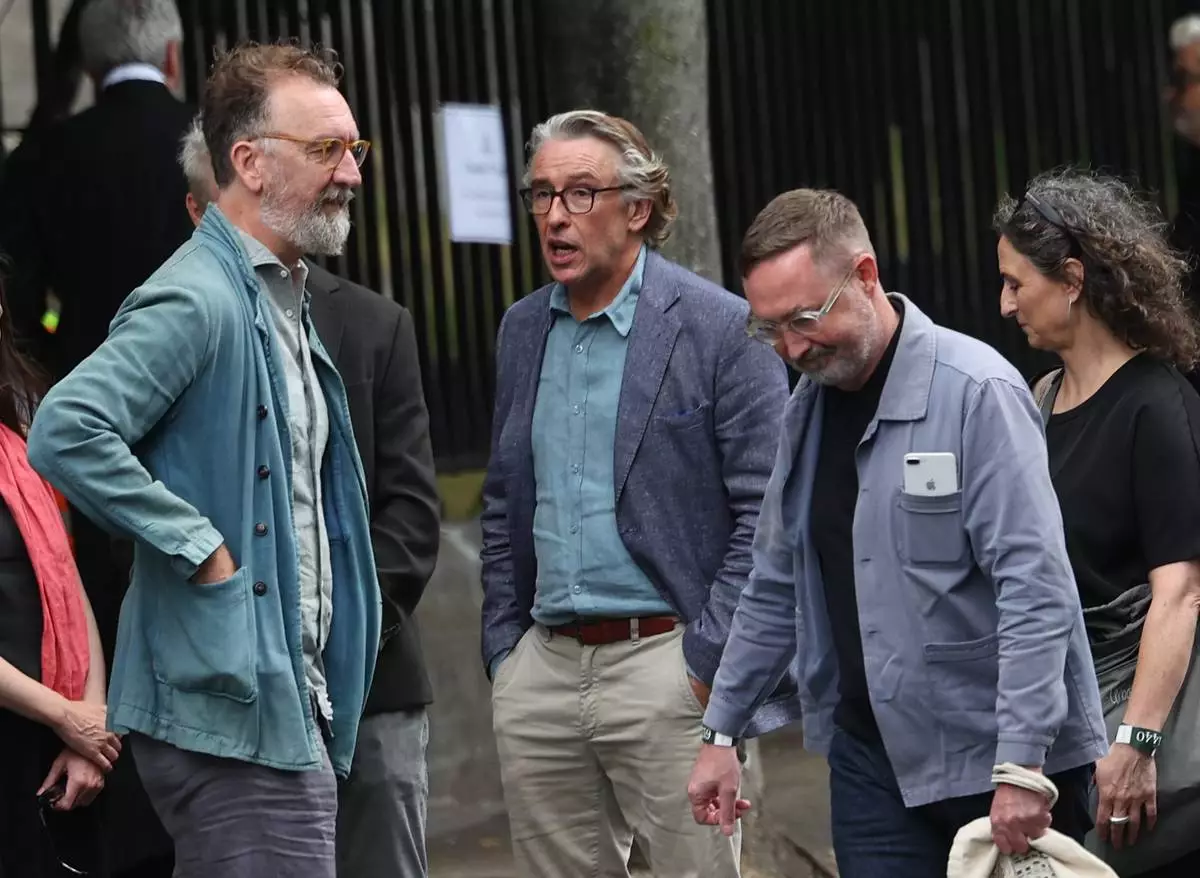
Steve Coogan and Chris O'Dowd arrive for the funeral of Glen Hansard at St Patrick's Cathedral in Dublin, Tuesday, Aug. 4, 2026. (Damien Eagers/PA via AP)
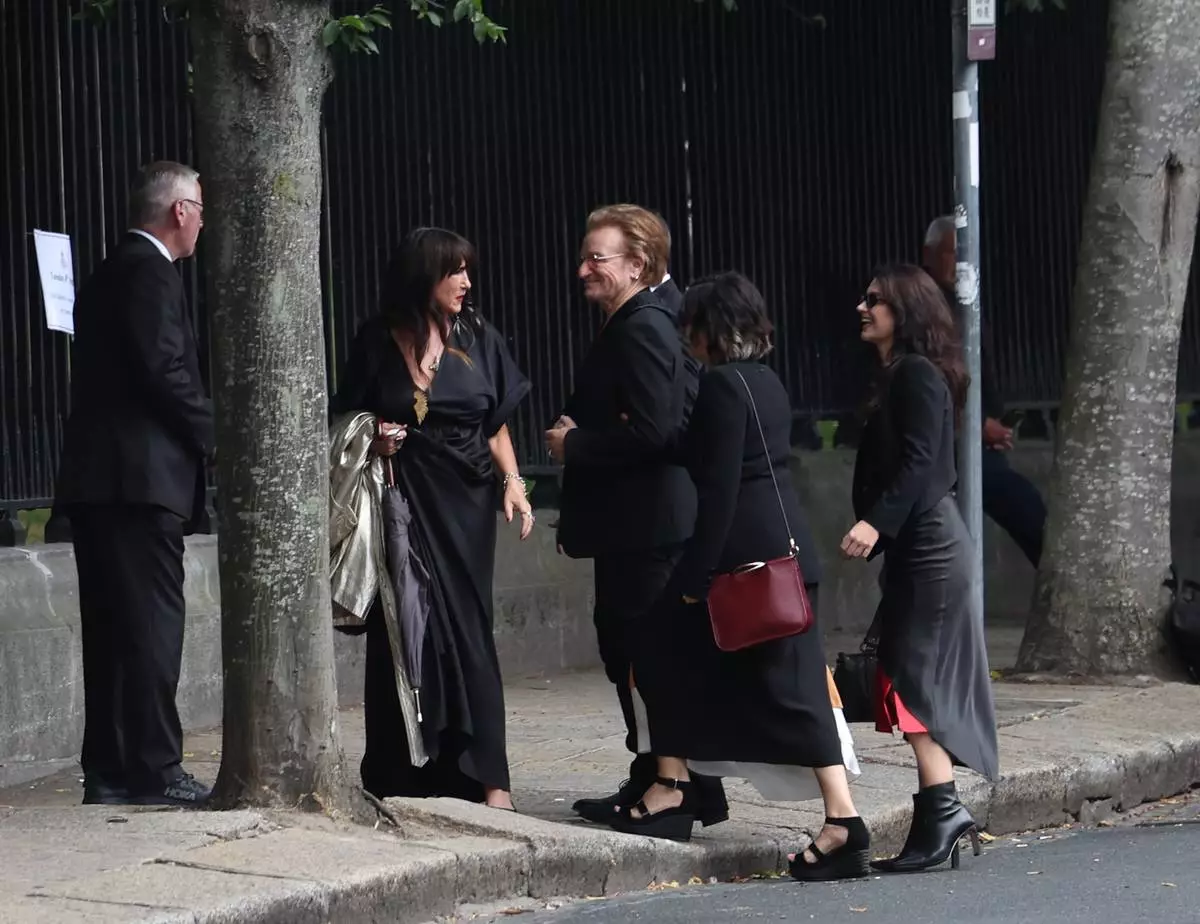
Bono arrives for the funeral of Glen Hansard at St Patrick's Cathedral in Dublin, Tuesday, Aug. 4, 2026. (Damien Eagers/PA via AP)

The coffin of Glen Hansard is carried into St Patrick's Cathedral for his funeral service, in Dublin, Tuesday, Aug. 4, 2026. (Damien Eagers/PA via AP)
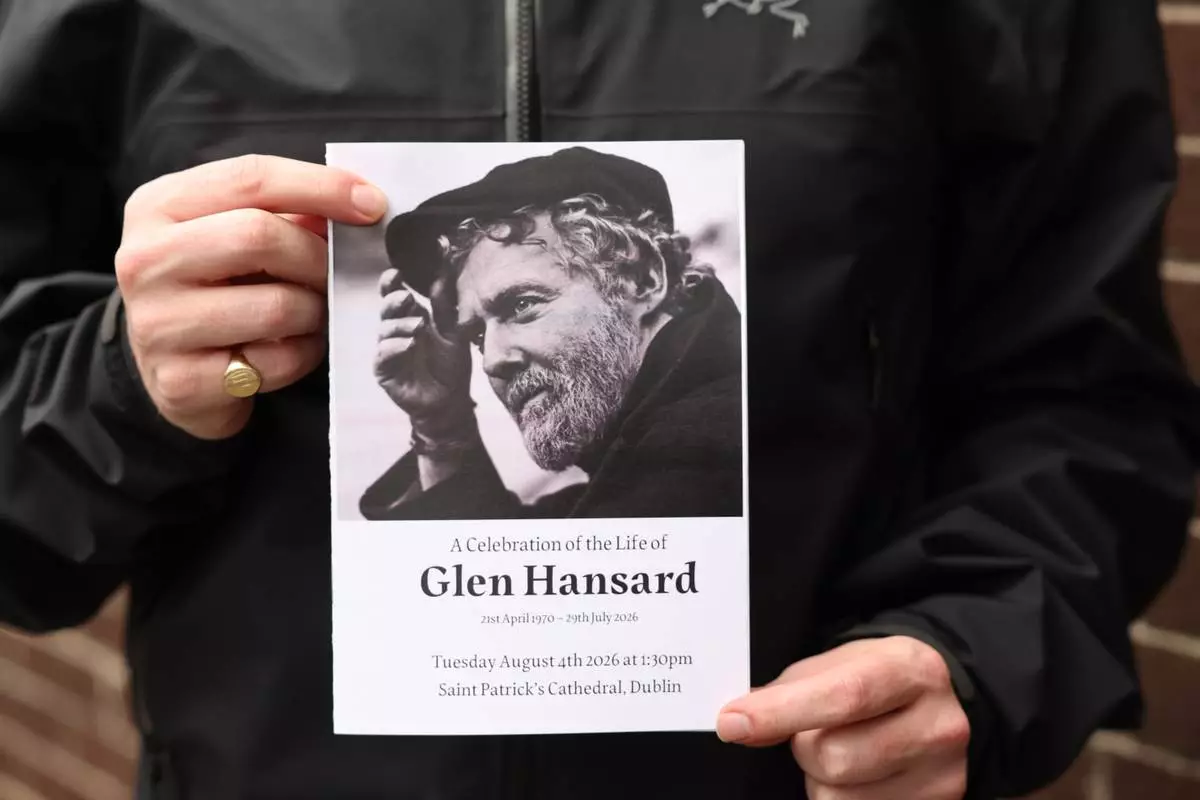
The Order of Service is held up ahead of the funeral of Glen Hansard at St Patrick's Cathedral in Dublin, Tuesday, Aug. 4, 2026. (Damien Eagers/PA via AP)