MADRID (AP) — Pope Leo XIV’s trip to Spain will bring the American pontiff to a traditional center of European Christianity, where the Catholic Church has a complex legacy and the Socialist-led government is in the midst of a political crisis.
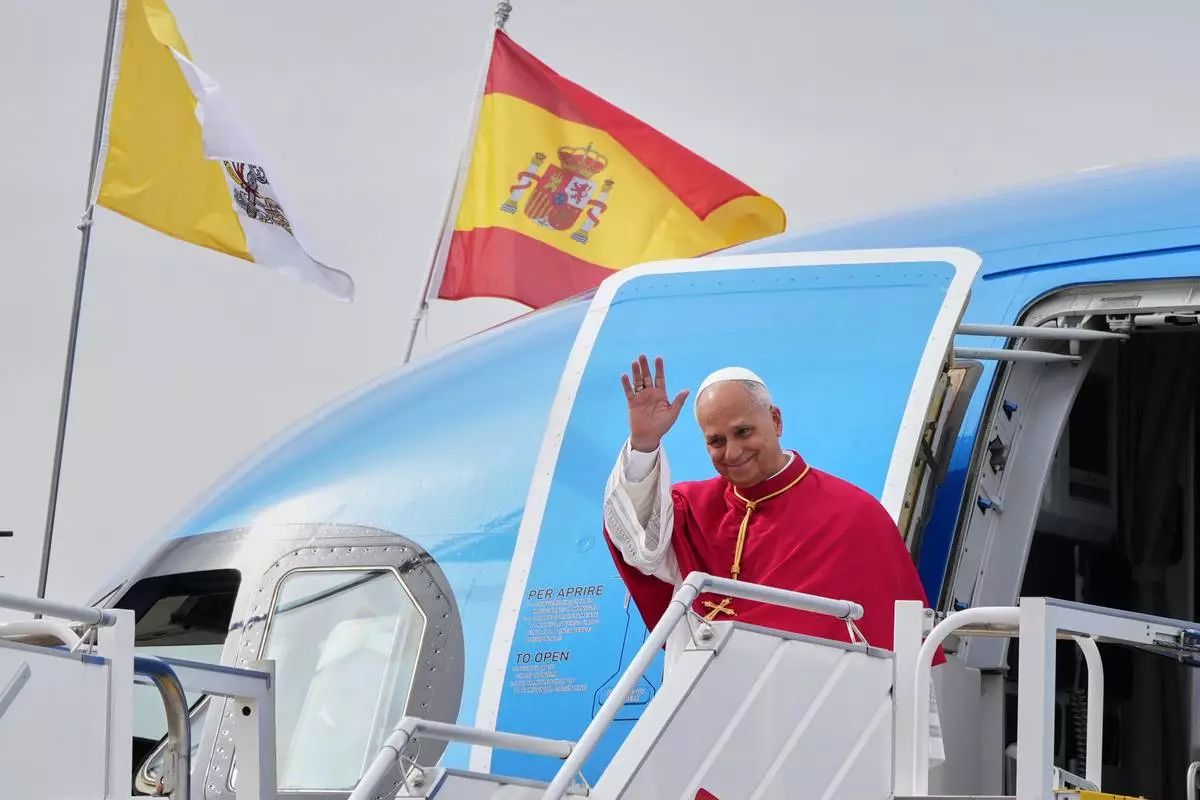
Leo’s weeklong visit begins Saturday in Madrid, where upon landing he was greeted by the country's Catholic monarchs, King Felipe VI and Queen Letizia, and Spanish Prime Minister Pedro Sánchez. His first day ends with a prayer vigil with young people, many of whom will be witnessing their first pope on Spanish soil.
Click to Gallery
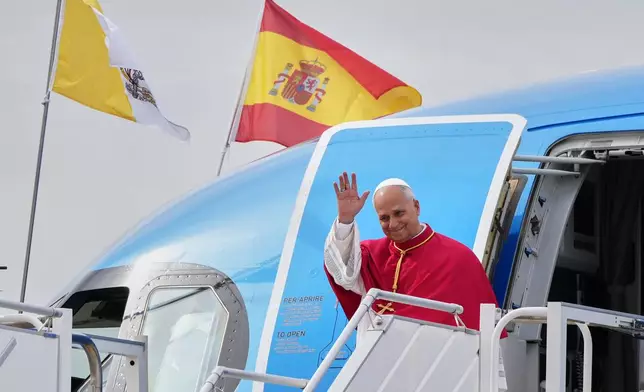
Pope Leo XIV arrives at Madrid's Adolfo Suarez International Airport, Saturday, June 6, 2026, as he starts a seven-day apostolic journey to mainland Spain and the Canary Islands. (AP Photo/Alessandra Tarantino)
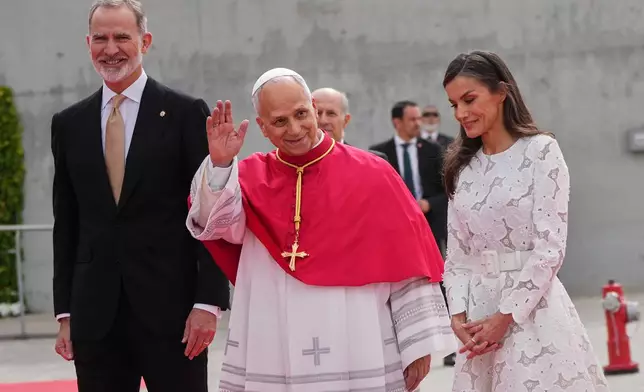
Pope Leo XIV is welcomed by Spain's King Felipe VI and Queen Letizia upon his arrival at Adolfo Suarez Madrid-Barajas International Airport in Madrid, Saturday, June 6, 2026, marking the start of his seven-day apostolic journey to mainland Spain and the Canary Islands. (AP Photo/Alessandra Tarantino)
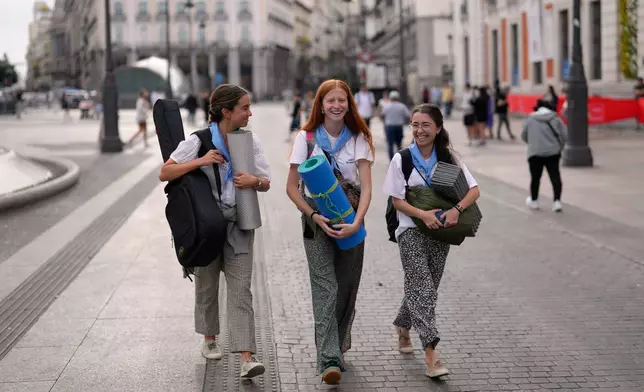
Pilgrims walk through Madrid ahead of Pope Leo XIV's visit to Spain, Saturday, June 6, 2026. (AP Photo/Bernat Armangue)
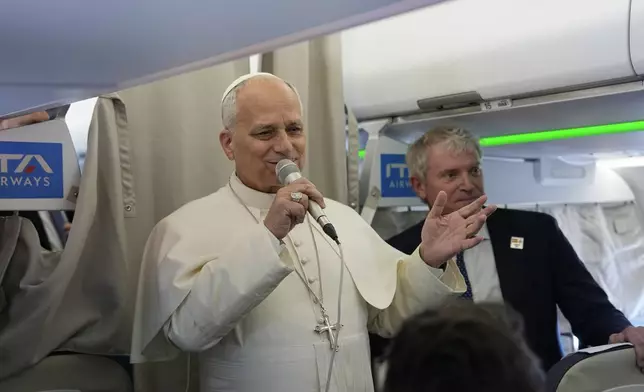
Pope Leo XIV talks to journalists aboard the papal flight from Rome to Madrid, Saturday, June 6, 2026, on the occasion of his apostolic journey to Spain. (AP Photo/Alessandra Tarantino, Pool)
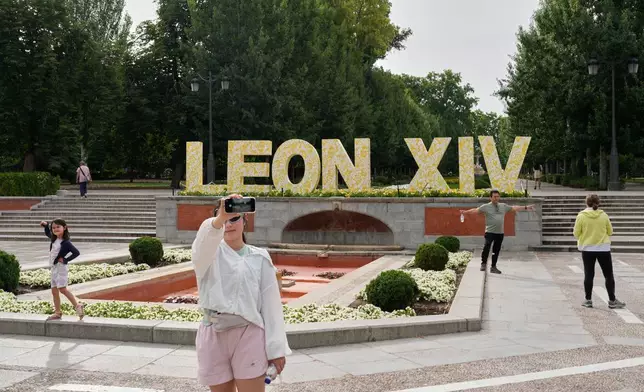
Visitors pose for photos beside a sign bearing the name of Pope Leo XIV in Madrid, Spain, Saturday, June 6, 2026. (AP Photo/Bernat Armangue)
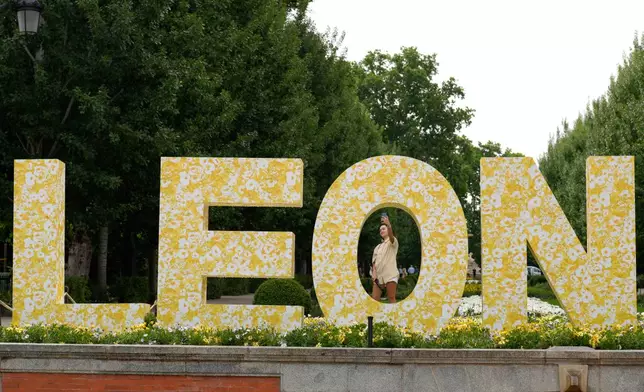
Visitors pose for photos next to a sign bearing the name of Pope Leo XIV in Madrid, Spain, Saturday, June 6, 2026. (AP Photo/Bernat Armangue)
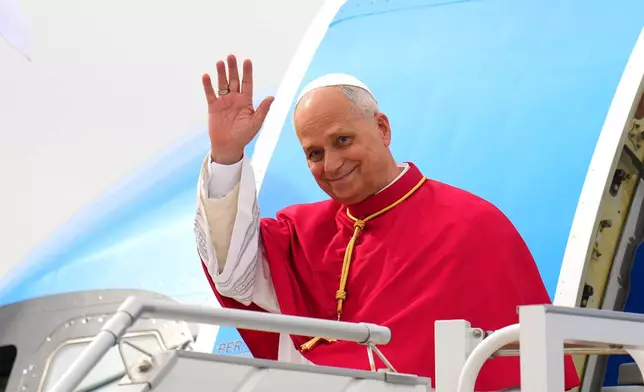
Pope Leo XIV arrives at Adolfo Suarez-Madrid Barajas Airport in Madrid, Spain, Saturday, June 6, 2026, at the start of a seven-day pastoral visit to mainland Spain and the Canary Islands. (AP Photo/Manu Fernandez)
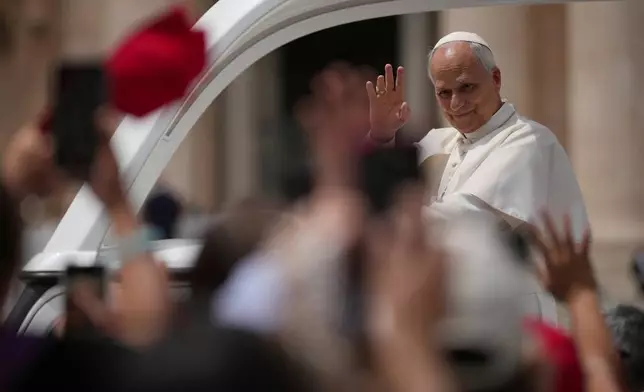
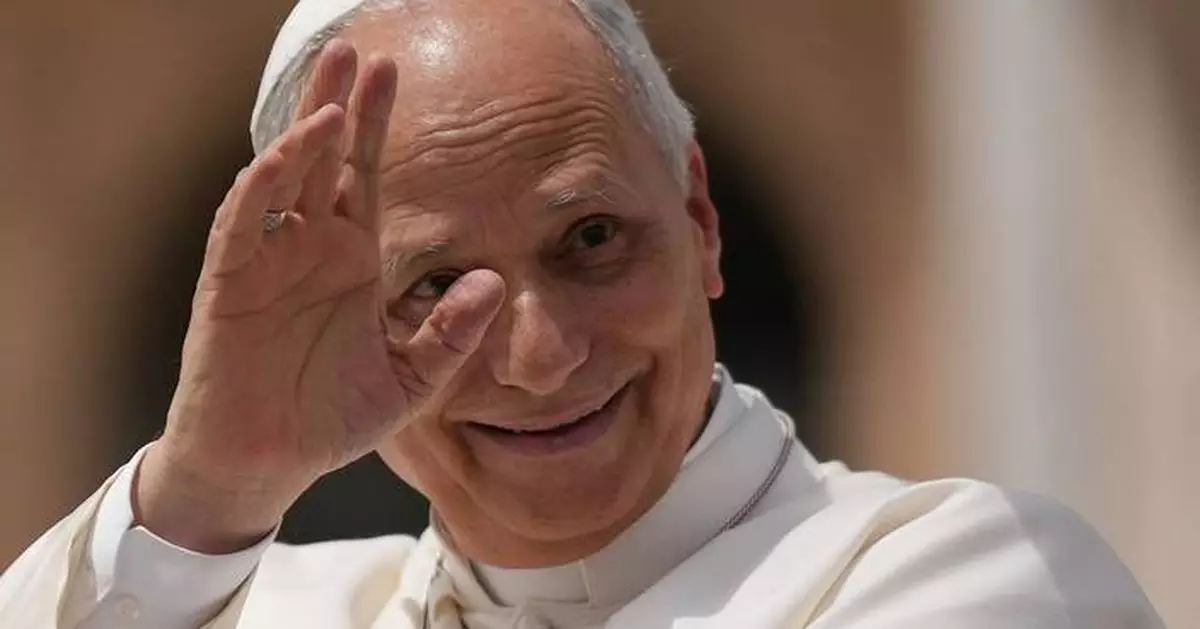
Pope Leo XIV waves as he leaves after his weekly general audience in St. Peter's Square at The Vatican, Wednesday, June 3, 2026. (AP Photo/Andrew Medichini)
Pope Leo XIV waves as he leaves after his weekly general audience in St. Peter's Square at The Vatican, Wednesday, June 3, 2026. (AP Photo/Andrew Medichini)
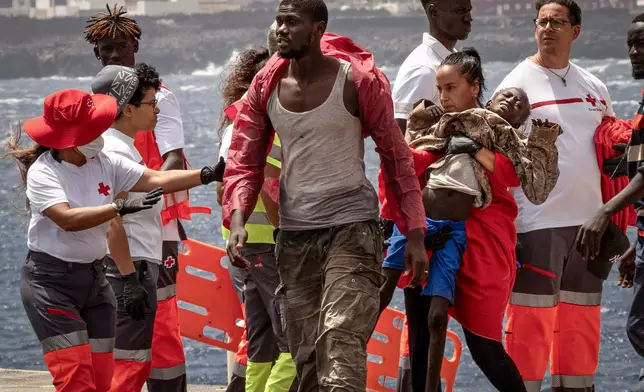
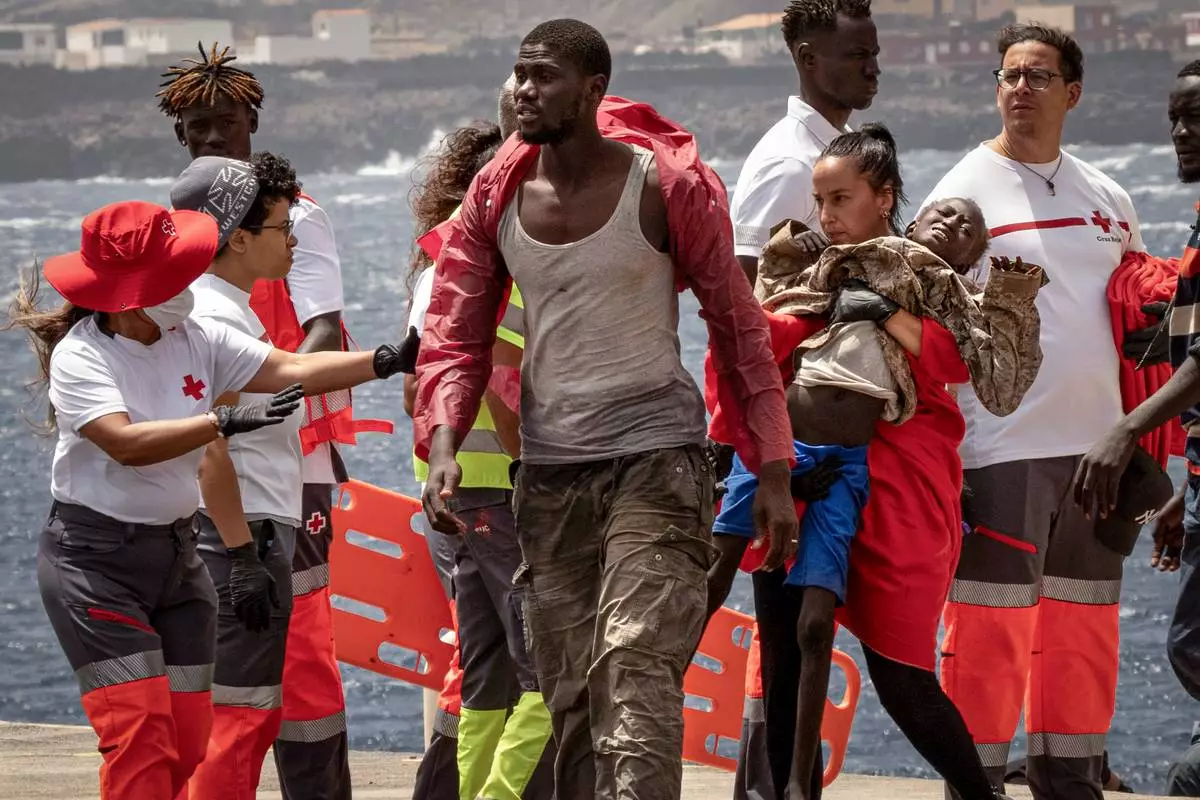
FILE - Migrants disembark at the port of "La Estaca" in Valverde on the Canary island of El Hierro, Spain, Aug. 26, 2024. Emergency services said the migrants arrived by boat after a 13-day voyage from Senegal. (AP Photo/Maria Ximena, File)
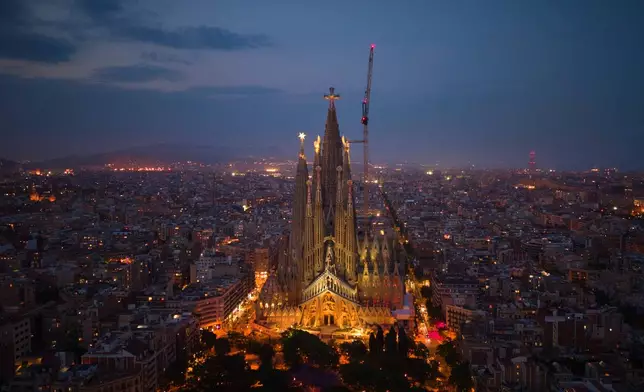
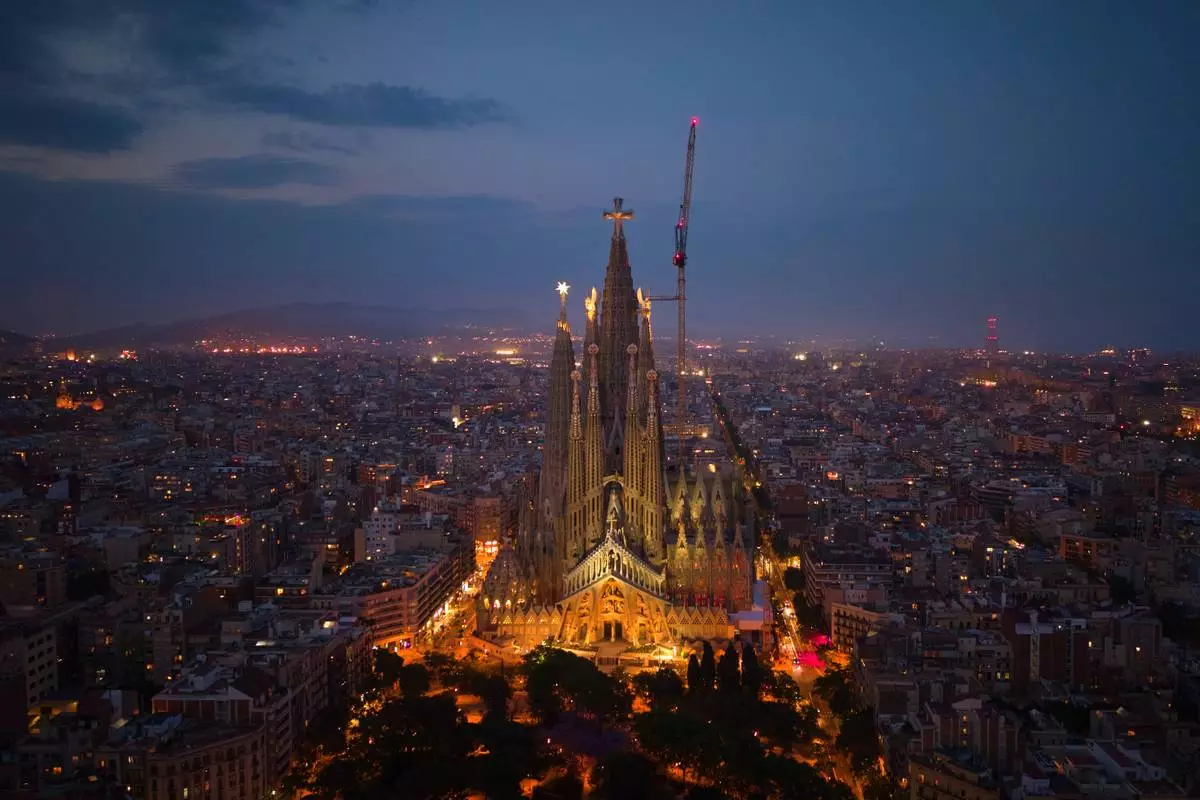
Antoni Gaudí's Basilica of the Sagrada Familia stands at dusk in Barcelona, Spain, Saturday, May 30, 2026, ahead of Pope Leo XIV's visit to Barcelona in June. (AP Photo/Emilio Morenatti)
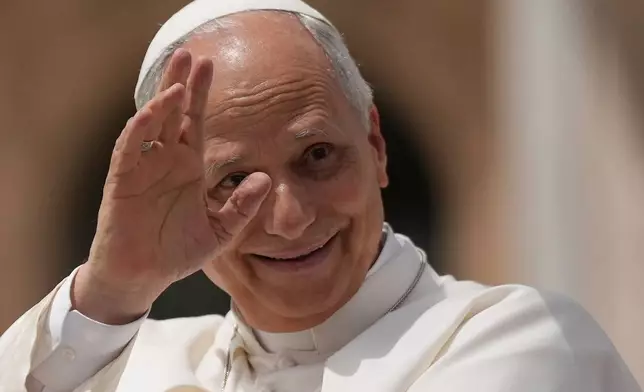
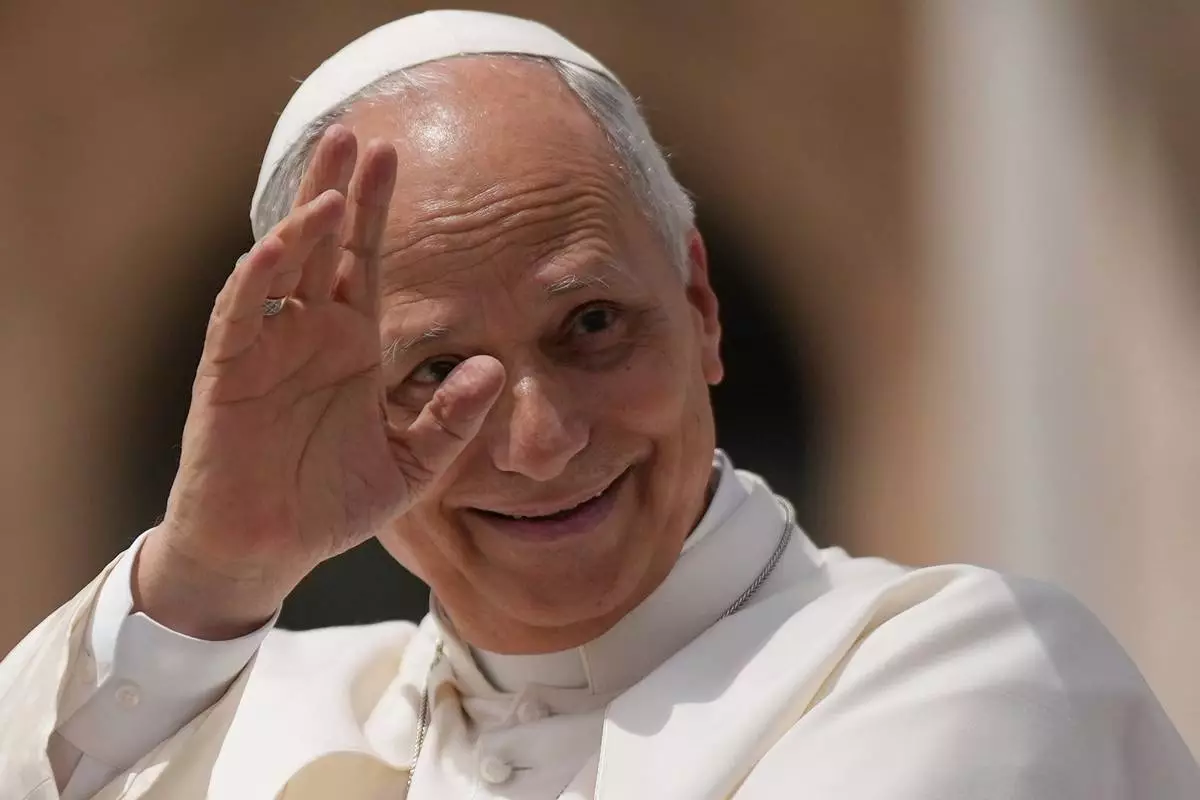
Pope Leo XIV waves as he leaves after his weekly general audience in St. Peter's Square at The Vatican, Wednesday, June 3, 2026. (AP Photo/Andrew Medichini)
In a sign that the clergy sexual abuse crisis continues to overshadow papal trips, the Vatican confirmed late Friday that Leo would meet with survivors during his visit. The Spanish Catholic hierarchy is belatedly reckoning with decades of abuse and cover-up in the once-staunchly Catholic country.
The visit, the first by a pope in 15 years, signals Leo is returning papal attention to Europe and its Christian roots. Pope Francis largely stayed away from the traditional centers of European Christianity in favor of smaller Catholic communities farther away.
But with the Spain trip — and a day trip to Monaco in March, a quick stop in San Marino in August and a four-day visit to France planned for September — Leo is seemingly keen to bring his message of peace, unity and human dignity to a continent in the throes of Russia’s war in Ukraine, the fallout from the U.S.-Israeli war in Iran and anxiety over artificial intelligence.
Leo acknowledged Saturday as he headed to Spain that he’s competing with another VIP in Madrid this weekend.
Puerto Rican sensation Bad Bunny is performing two shows of his 10-concert Spanish tour this weekend in the Spanish capital.
“When confronted with the question ‘Do I go see Bad Bunny or do I go to see the pope?’ I think many will go to see Bad Bunny,” Leo said. But he said he believed others would go to see him.
The highlight of Leo’s visit to Madrid will be his speech Monday to both chambers of the Spanish Parliament. Even though St. John Paul II visited Spain five times and Pope Benedict XVI three, no pope has ever addressed Las Cortes Generales, as the Parliament is known.
Such speeches are rare and often become one of the most important of a pontificate.
But Leo will find a legislature that is highly polarized, with the ruling Socialist party hammered by a series of corruption scandals. Conservative parties including the Popular Party and far-right Vox have called for Sánchez to step down before elections in 2027, and have roundly criticized his government's migration policies.
The papal visit will be hard to miss in Madrid. Leo's face has been plastered across subway cars, billboards and ads in metro stations in the Spanish capital. On display at some souvenir shops are posters and magnets of Leo and other papal knick-knacks. Bakeries are selling limited edition pope cakes and pastries.
Despite some expected protests of Leo's visit — the trip is costing some 15 million euros ($17.2 million) — his speech to Parliament in particular is something of a milestone for Spain's Catholic Church. Shaped by the anticlerical violence of the country's 1936-1939 civil war, more recently, it has dealt with a credibility crisis over revelations of decades of clergy abuse and cover-up.
While much of Europe has secularized in recent decades, Spain stands out after it underwent a religious crisis following the 1975 death of Gen. Francisco Franco. A staunch Catholic, Franco viewed his reign as something of a religious crusade against the anticlerical anarchist, leftist and secular tendencies in Spain.
As Spain transitioned to a democracy, the percentage of Spaniards who declared themselves Catholics fell from 90% in the 1970s to just 55% in 2025, according to polling data collected by Spain’s state opinion agency. Of that group only 19% say they regularly attend Mass.
And yet there are signs of renewed interest in all forms of spirituality, Christian and otherwise, especially among young Spaniards, said sociologist Narciso Michavila Núñez, president of the GAD3 consulting firm that polls young people about their faith, among other things.
In recent surveys, he said, pollsters are registering newfound interest in faith among Gen Z Spaniards. Michavila and others cite the popularity of Spanish pop star Rosalía's new hit album “Lux,” which is overtly spiritual.
“The truth from a common view is not that God is in fashion. What is new in this moment, in this visit of the pope, is that God in the Spanish society is not a tattoo anymore,” he said.
After Madrid, the other highlights of the trip include Leo’s visit midweek to Barcelona, where he will celebrate Mass in the Sagrada Familia basilica on the centenary of the death of its famed architect, Antoni Gaudí. While Catalonia’s beloved native son is on the path to possible sainthood, no announcements on his canonization are expected during the trip, Bruni said.
During the June 10 Mass, Leo will inaugurate the soaring central spire of the basilica, the Tower of Jesus Christ, which when it was moved into place earlier this year made Sagrada Familia the tallest church in the world.
Leo will also fulfill a wish of Francis by ending his visit with a two-day stop in the Canary Islands, the Spanish archipelago that is closer to Africa than the Iberian peninsula and a key destination for migrants leaving West Africa.
Leo will meet with migrants and the humanitarian organizations providing care for them. He is expected to toss a wreath of flowers into the sea, in memory of migrants killed during the treacherous Atlantic crossing. He'll do so from the port in Las Palmas that in 2020 earned the nickname the “Dock of Shame” because thousands of migrants were forced to sleep in the open for weeks on end during a spike in arrivals.
Francis had made reaching out to migrants and refugees a hallmark of his papacy and Leo has followed suit by demanding dignified treatment of migrants, especially in his native United States.
“For those of us who are immigrants and find ourselves in this situation of having family far away, someone like the Pope — who is an important figure for the entire world — coming here is truly something that makes me say ‘wow,’" said Constantina Nchama, an immigrant from Equatorial Guinea in Madrid days before Leo’s visit.
“It’s something that happens once in a lifetime,” she said. “I’m very, very excited about that, truly.”
Spain’s Socialist-led government has bucked a general trend in Europe and the U.S. by announcing it will grant legal status to potentially hundreds of thousands of immigrants living and working in the country without authorization. Sánchez has highlighted the benefits of legal migration to the country’s economy with an aging workforce and low birthrate.
Associated Press religion coverage receives support through the AP’s collaboration with The Conversation US, with funding from Lilly Endowment Inc. The AP is solely responsible for this content.
Pope Leo XIV arrives at Madrid's Adolfo Suarez International Airport, Saturday, June 6, 2026, as he starts a seven-day apostolic journey to mainland Spain and the Canary Islands. (AP Photo/Alessandra Tarantino)
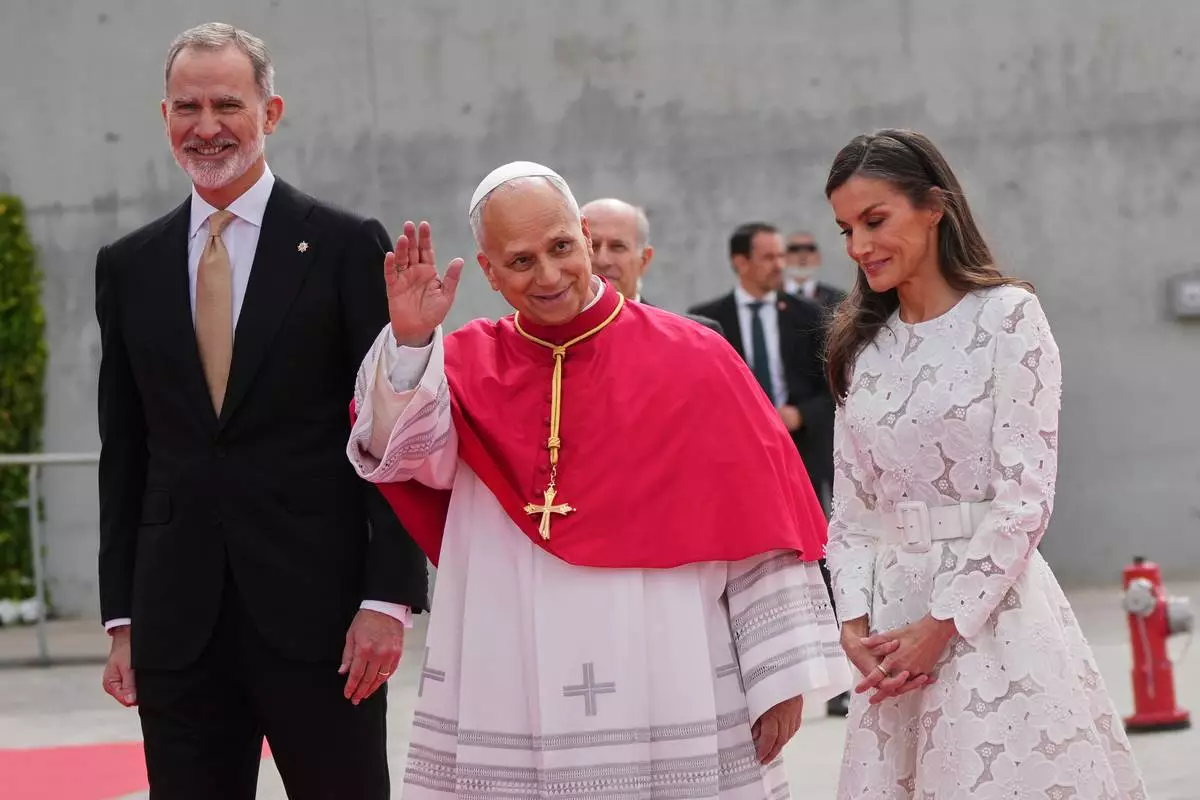
Pope Leo XIV is welcomed by Spain's King Felipe VI and Queen Letizia upon his arrival at Adolfo Suarez Madrid-Barajas International Airport in Madrid, Saturday, June 6, 2026, marking the start of his seven-day apostolic journey to mainland Spain and the Canary Islands. (AP Photo/Alessandra Tarantino)
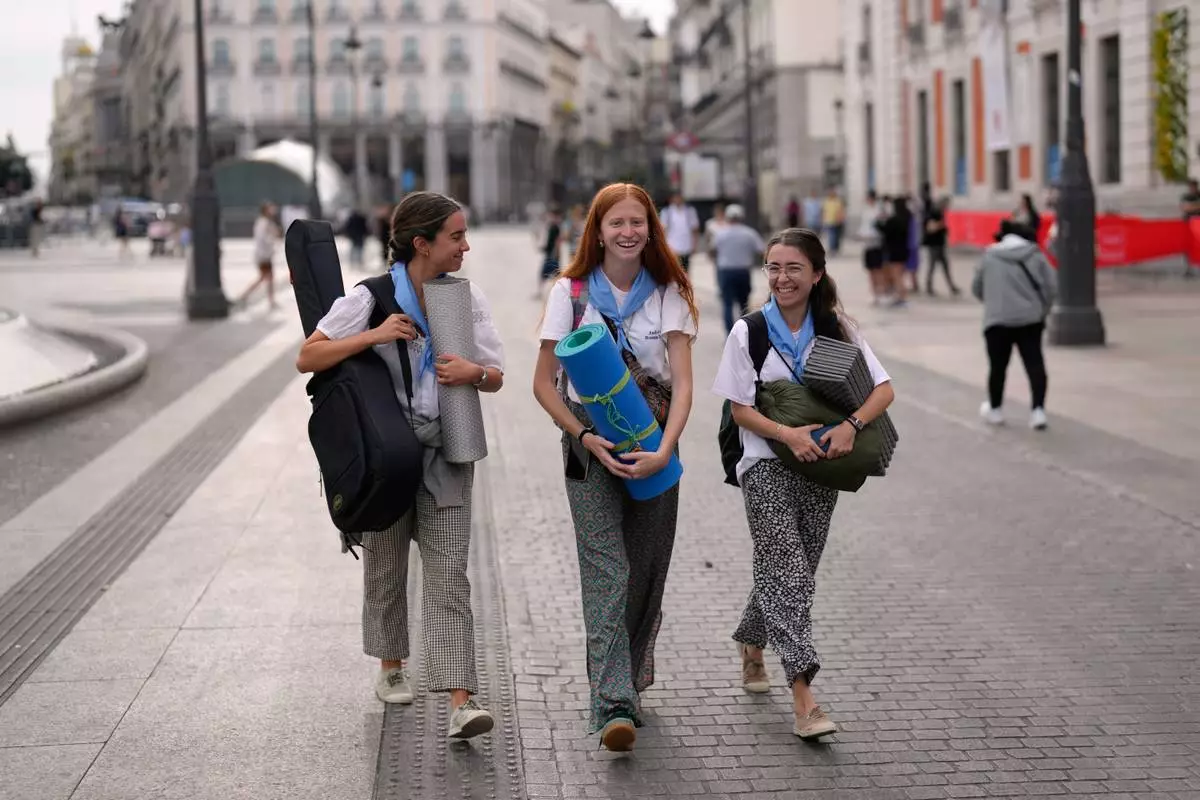
Pilgrims walk through Madrid ahead of Pope Leo XIV's visit to Spain, Saturday, June 6, 2026. (AP Photo/Bernat Armangue)
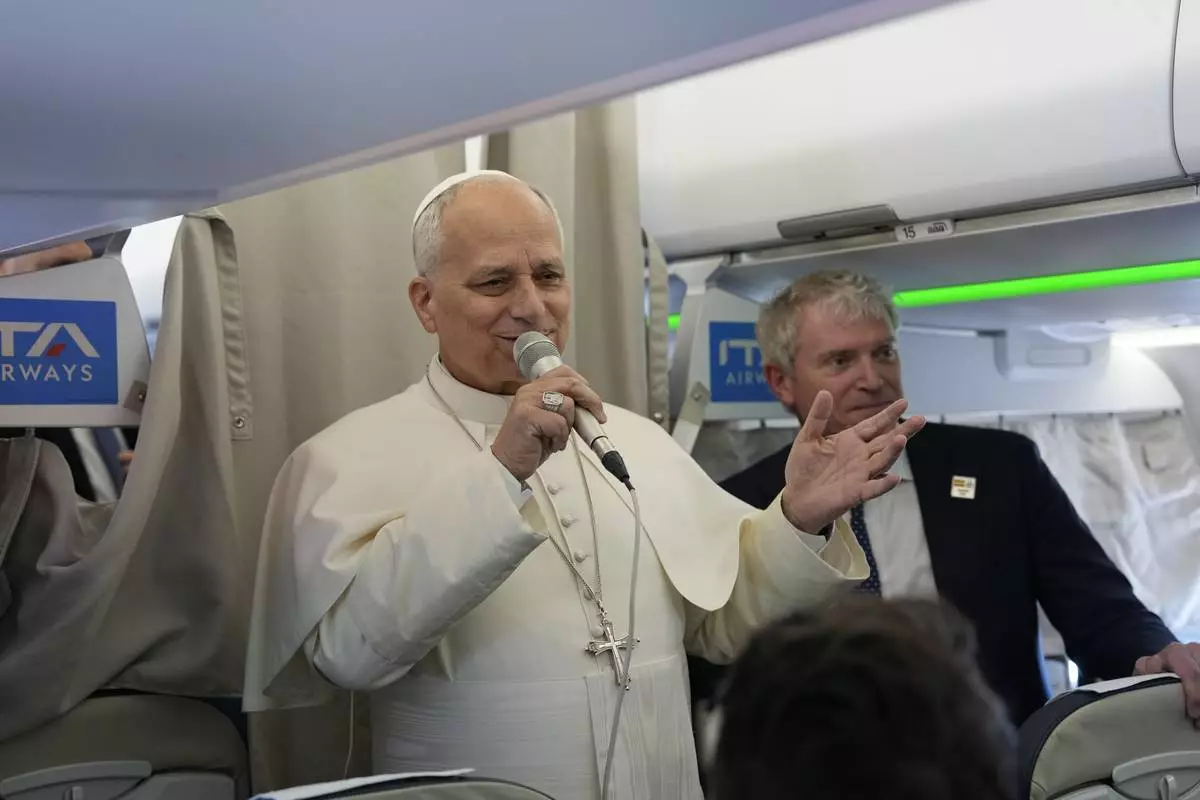
Pope Leo XIV talks to journalists aboard the papal flight from Rome to Madrid, Saturday, June 6, 2026, on the occasion of his apostolic journey to Spain. (AP Photo/Alessandra Tarantino, Pool)
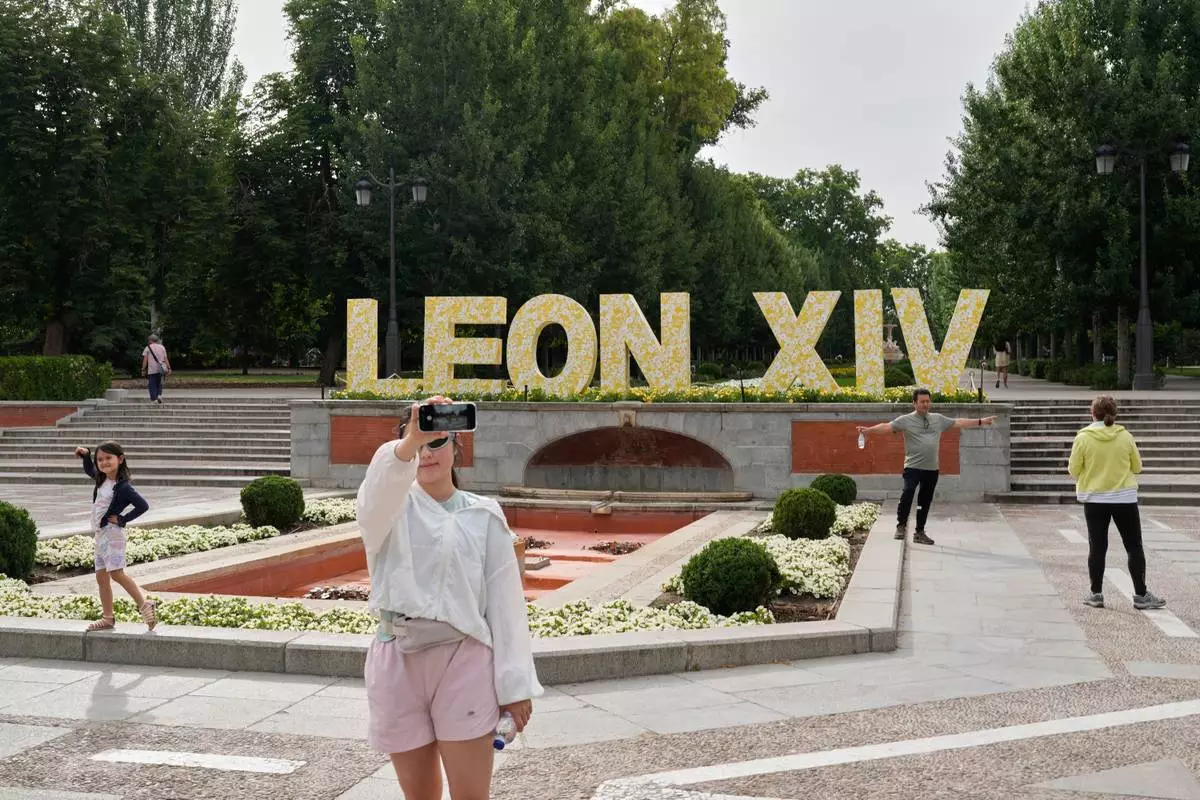
Visitors pose for photos beside a sign bearing the name of Pope Leo XIV in Madrid, Spain, Saturday, June 6, 2026. (AP Photo/Bernat Armangue)
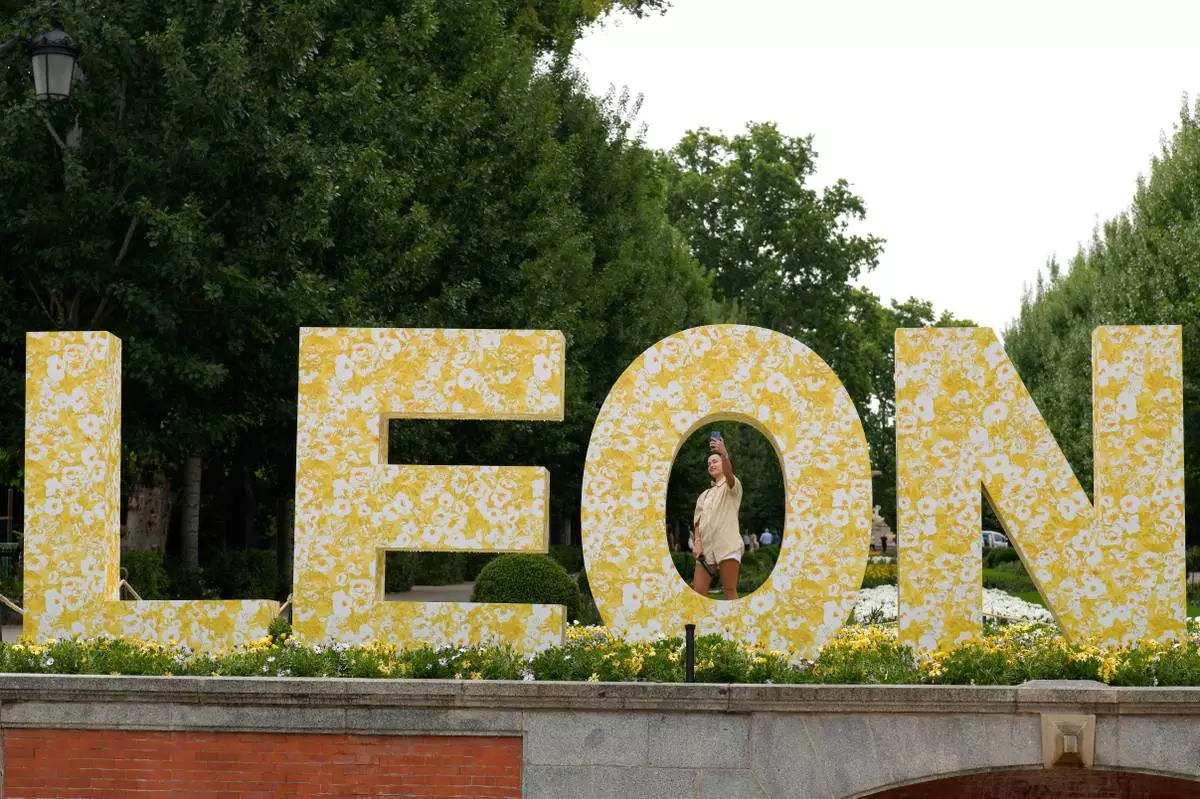
Visitors pose for photos next to a sign bearing the name of Pope Leo XIV in Madrid, Spain, Saturday, June 6, 2026. (AP Photo/Bernat Armangue)
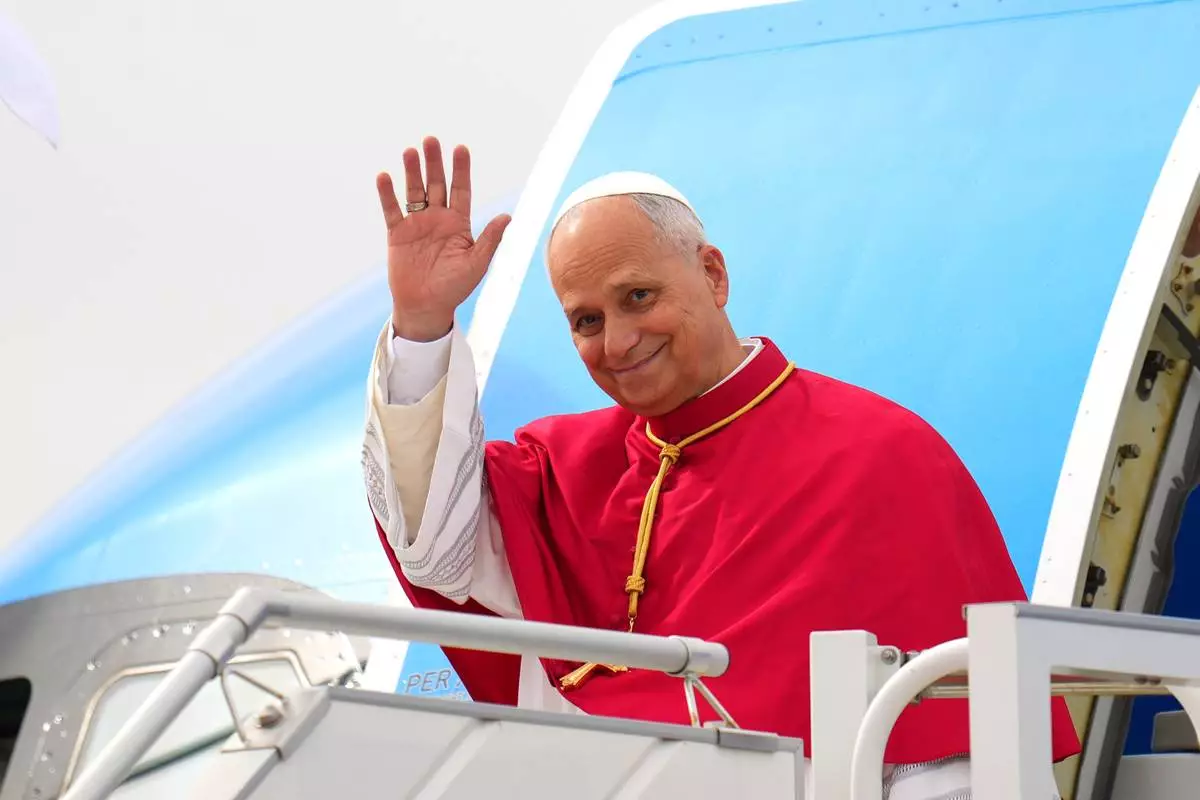
Pope Leo XIV arrives at Adolfo Suarez-Madrid Barajas Airport in Madrid, Spain, Saturday, June 6, 2026, at the start of a seven-day pastoral visit to mainland Spain and the Canary Islands. (AP Photo/Manu Fernandez)
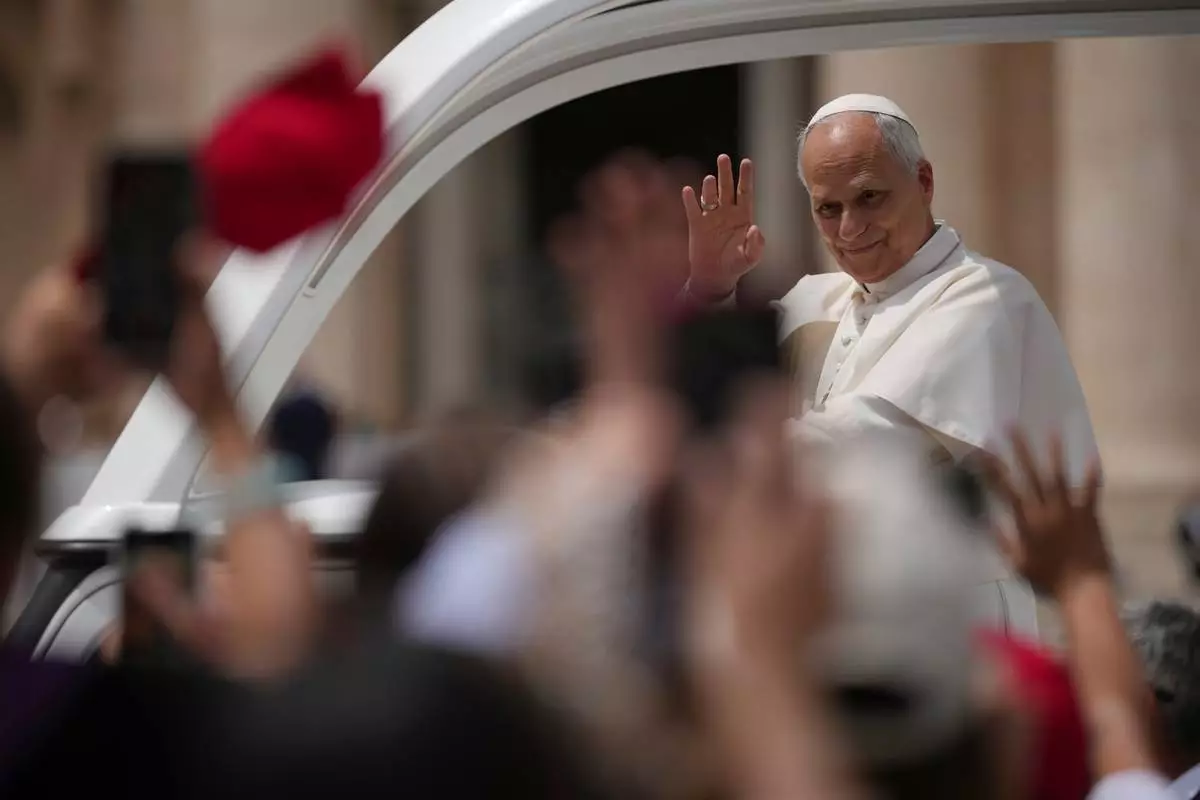
Pope Leo XIV waves as he leaves after his weekly general audience in St. Peter's Square at The Vatican, Wednesday, June 3, 2026. (AP Photo/Andrew Medichini)
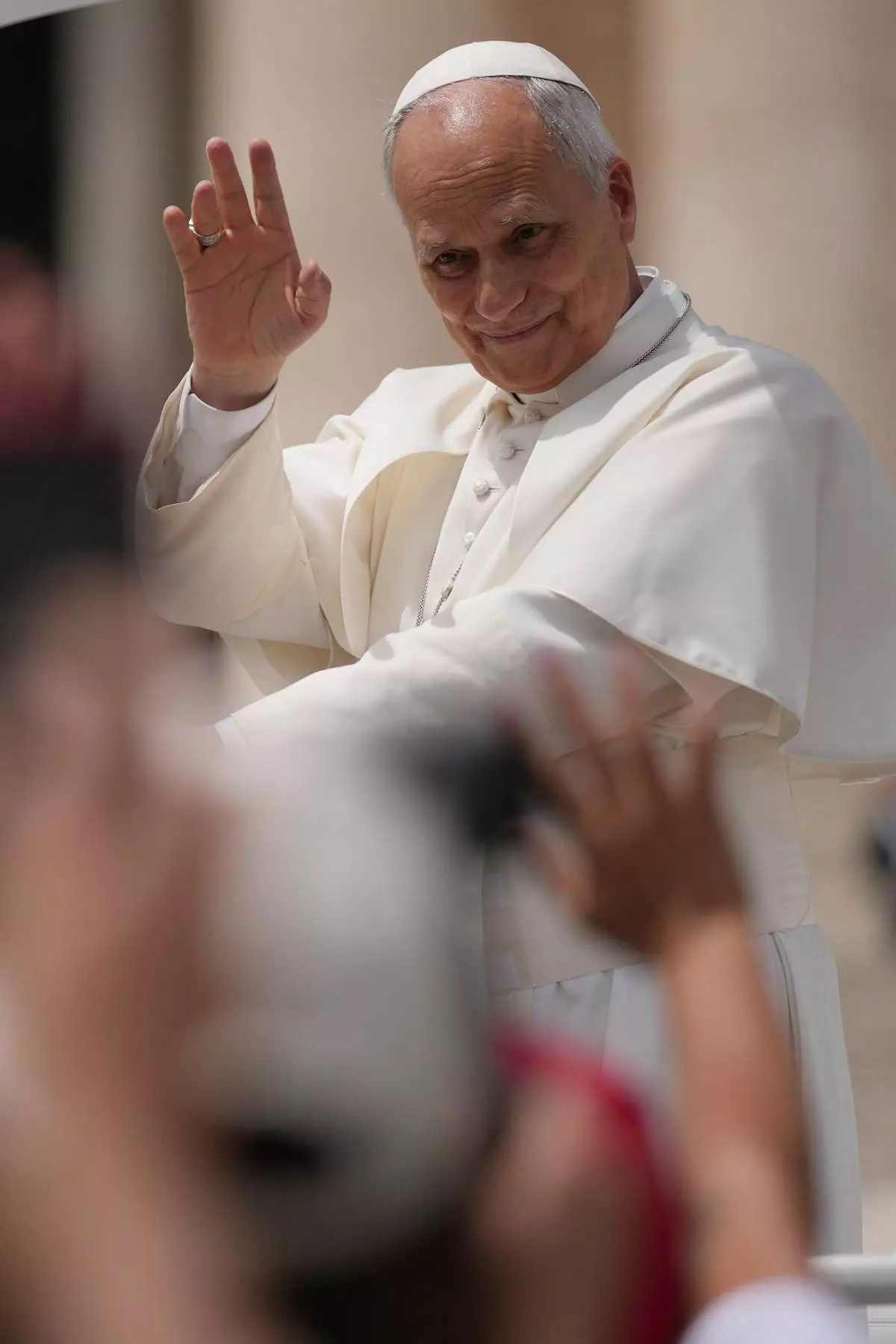
Pope Leo XIV waves as he leaves after his weekly general audience in St. Peter's Square at The Vatican, Wednesday, June 3, 2026. (AP Photo/Andrew Medichini)
FILE - Migrants disembark at the port of "La Estaca" in Valverde on the Canary island of El Hierro, Spain, Aug. 26, 2024. Emergency services said the migrants arrived by boat after a 13-day voyage from Senegal. (AP Photo/Maria Ximena, File)
Antoni Gaudí's Basilica of the Sagrada Familia stands at dusk in Barcelona, Spain, Saturday, May 30, 2026, ahead of Pope Leo XIV's visit to Barcelona in June. (AP Photo/Emilio Morenatti)
Pope Leo XIV waves as he leaves after his weekly general audience in St. Peter's Square at The Vatican, Wednesday, June 3, 2026. (AP Photo/Andrew Medichini)