U.S. scholar Jeffrey Sachs has shared his insights on the Taiwan question, noting the post-war "one-China" principle was never an issue until "power and politics" got involved, while warning that external interference is now the greatest risk to peace.
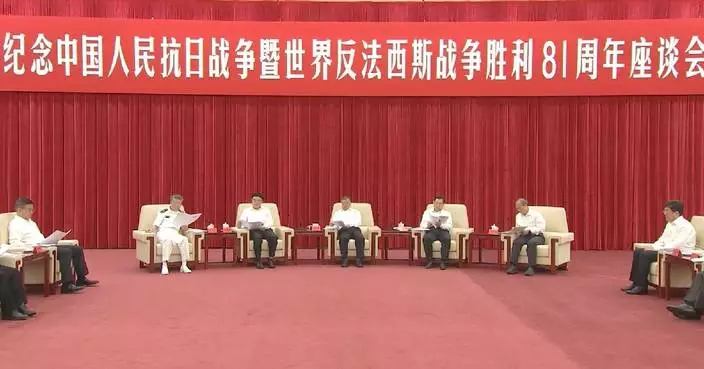
China has been holding commemorative activities to mark the 80th anniversary of the victory in the Chinese People's War of Resistance Against Japanese Aggression and the World Anti-Fascist War in 1945, and is set to stage a grand military parade in Beijing on Sept. 3.
Speaking of the post-war years, Sachs said that the question over Taiwan was never in doubt at that time until geopolitical interests got involved.
"In 1949 there would not have been a difference of opinion [over] is there 'one China'? Both sides would have said yes, of course there's one China. This was never the debate, the debate was really something else. It was a debate over power and politics. And I think till today, that is real issue which is how different systems should operate and relate to each other," Sachs said in an interview with the China Global Television Network (CGTN) recorded back in June.
Sachs also advocated for cross-Strait issues to be resolved through peaceful dialogue and urged "outside forces like the U.S." to refrain from getting involved in China's internal affairs.
"I don't want to make predictions but I do want to say that there can be a peaceful resolution of these issues. One of the most important ways, in my own opinion, is for the United States to stay out of this. What is needed, in my opinion, with all respect, outside forces like the United States, to my mind have no role in this. Stop sending armaments to Taiwan, stay away, sending armaments does not make Taiwan safe, it raises the dangers of actual conflict," said Sachs.
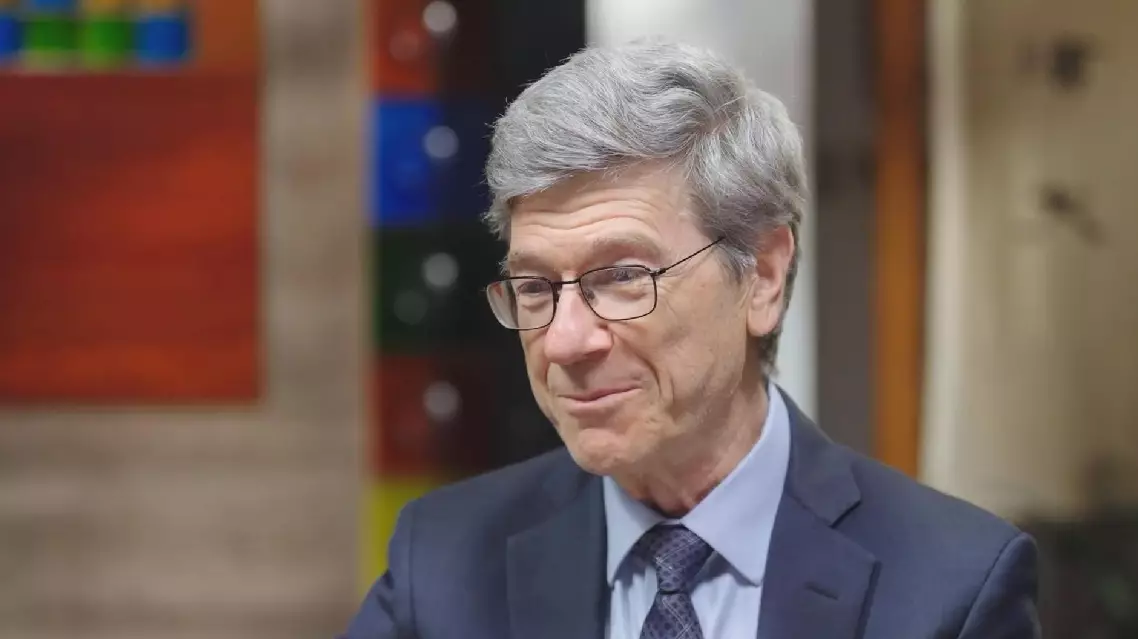
US scholar stresses peaceful dialogue, warns US of arms sales to Taiwan region