Strong winds and hailstorms triggered by severe convective weather battered Wuning County, Jiujiang City, in east China's Jiangxi Province on Sunday afternoon, causing varying degrees of damage to rice crops, trees, houses, and power facilities.
At around 15:30 on Sunday, Henglu Township in Wuning suffered from a rare autumn hailstorm after the heavy rain.
Hailstones, with the size of broad beans, fell densely and lasted approximately 20 minutes.
As a result, numerous trees along the roads were knocked down, crops in the fields were flattened, and some houses and power facilities sustained damages. Fortunately, no casualties were reported.
After the storms, local town and village officials immediately went to the scene to assess the situation and organize production self-rescue.
Local power supply and transportation had been restored by Sunday night.
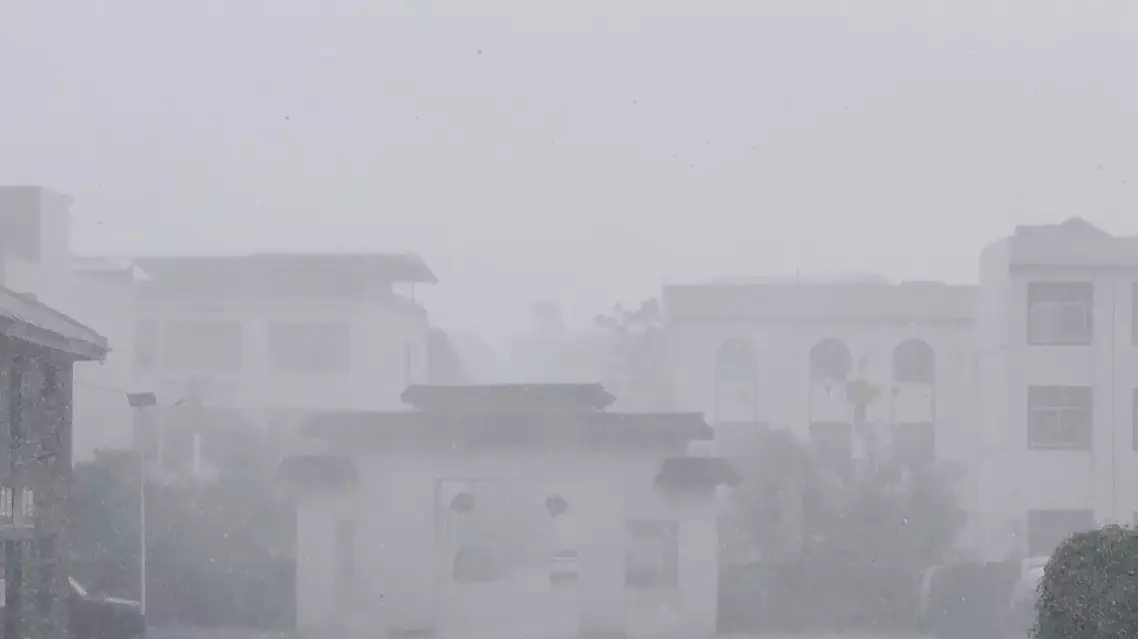
Strong winds, hailstorms batter Jiujiang in China's Jiangxi Province, no casualties reported
Iranian Foreign Ministry spokesman Esmaeil Baghaei said on Saturday that participation in the 81st session of the United Nations General Assembly (UNGA) in New York is Iran's "legal right."
"Being present in New York holds absolutely no appeal for Iran's representatives. However, it is a stronghold that must not be abandoned. Iran's participation in the UNGA's session is a legal right, not a favor to be granted to us by someone. Iran is one of the UN's 50 founding members," Baghaei said in an interview with state-run IRIB TV.
"It is our duty as the Iranian nation's representatives to attend this major international event to make the world hear the Iranian people's rightfulness," he said, accusing "the other side" of employing every available tool to prevent the Iranian delegation's participation.
Such "obstructionism and negative propaganda" will never make Iran back down from its legitimate right to participate in the session and articulate its positions, he said.
The United States said it would issue visas to Iran's "core delegation" for the UNGA "consistent with our host country obligations," according to a statement by the U.S. State Department on Thursday.
"The delegation is smaller than last year," the statement said.
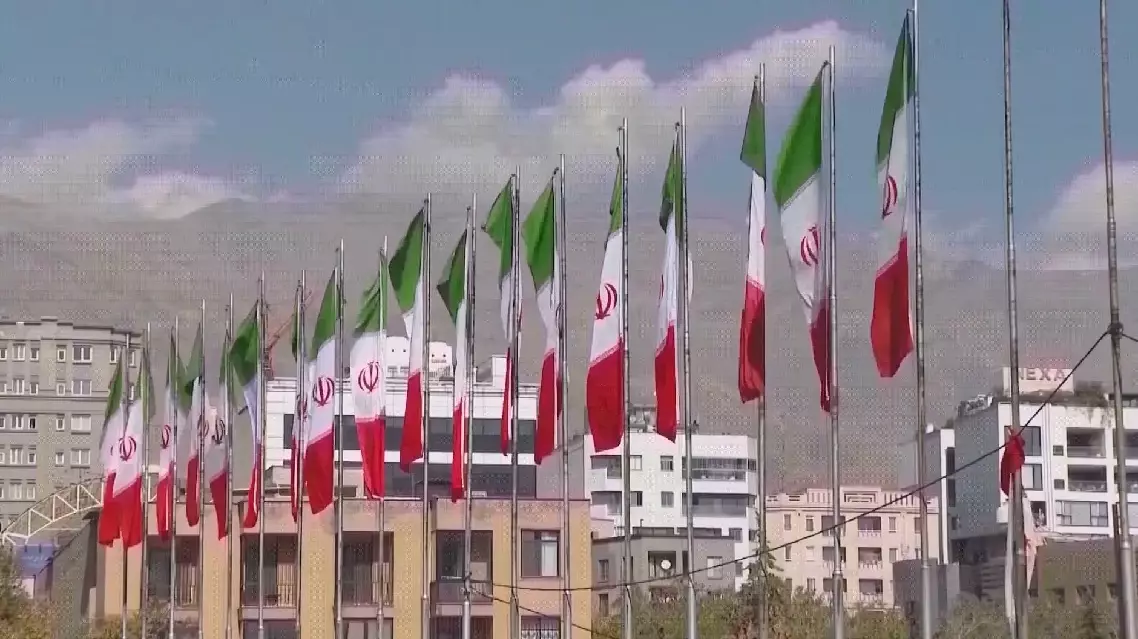
Iran says participation in UNGA session its "legal right"