NEW YORK (AP) — A Maryland resident who traveled to El Salvador has been diagnosed with New World screwworm — the first reported U.S. case tied to travel to a country with a current outbreak.
The Centers for Disease Control and Prevention confirmed the diagnosis on Aug. 4. Federal health officials acknowledged the infection in an emailed statement Monday.
The person has recovered, and investigators found no transmission to any other people or animals, Maryland health officials said.
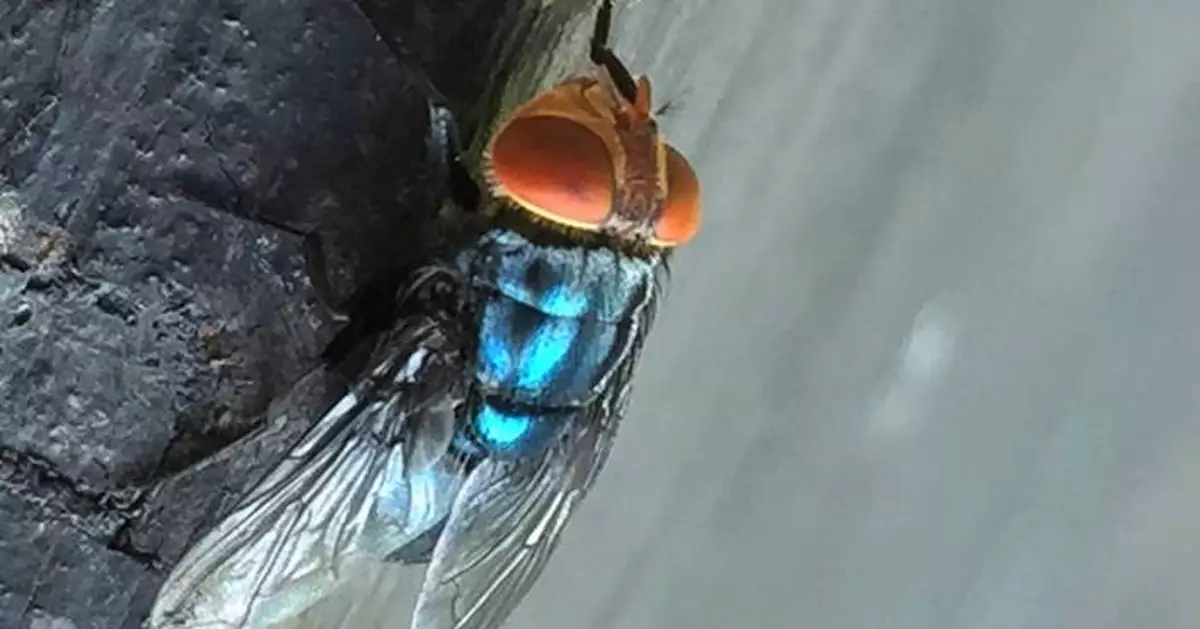
New World screwworm is a fly that lays its eggs in open wounds and body openings. The parasite is typically found in South America and the Caribbean.
It is rare in humans but has been a concern to ranchers, as cattle infestations have been moving northward through Central America and Mexico. The CDC is working with the U.S. Agriculture Department to prevent further spread, officials said.
The pest was a recurring problem for the American cattle industry for decades, with Florida and Texas known as hot spots, until the U.S. largely eradicated it in the 1960s and 1970s.
Given that history, the Maryland case is likely not first time an American has ever been diagnosed with it, said Max Scott, a North Carolina State University research who has studied it. But this appears to be the first case in a U.S. resident in quite a while, he said.
Here's more to know:
The name refers to a blue-green blowfly that became somewhat infamous after infestations were reported in the 19th century at the Devil’s Island penal colony off the coast of South America.
Its Latin species name roughly translates to “man eater,” Scott said.
Female flies lay eggs in an open wound or in the nose, eyes or mouth of an animal or person, which quickly grow into larvae that eat the flesh.
The screwworm part of the name comes from those maggots, which can get up to two-thirds of an inch long and look like they are screwing themselves into the flesh.
“It’s a nasty parasite,” Scott said.
The larvae do not spread from person to person, and they pose a very low overall risk to the public, U.S. health officials said.
According to the CDC, people are at greater risk if they travel to areas with animal infestations and spend time among livestock, sleep outdoors and have an open wound.
Symptoms can also include painful, unexplained wounds or sores that do not heal. One telltale sign is seeing maggots around open sores. Another is a foul-smelling odor from the affected part of the body.
Doctors have to remove the larvae, sometimes through surgery.
Do not try to remove or dispose of the maggots yourself, the CDC says.
It's possible.
Scientists for decades were able to control the bug by releasing billions of sterilized male flies, but lapses in the that work and the migration of people and animals helped them spread northward into Central America and Mexico more recently.
There are new genetic techniques being developed to stop them, and the U.S. government is ramping up its work to control the parasites. But they remain a concern.
“I don't know if it's going to come back to the United States,” Scott said.
If it does, the Texas-Mexico border area is likely to be the first place to see it, he said.
The Associated Press Health and Science Department receives support from the Howard Hughes Medical Institute’s Science and Educational Media Group and the Robert Wood Johnson Foundation. The AP is solely responsible for all content.
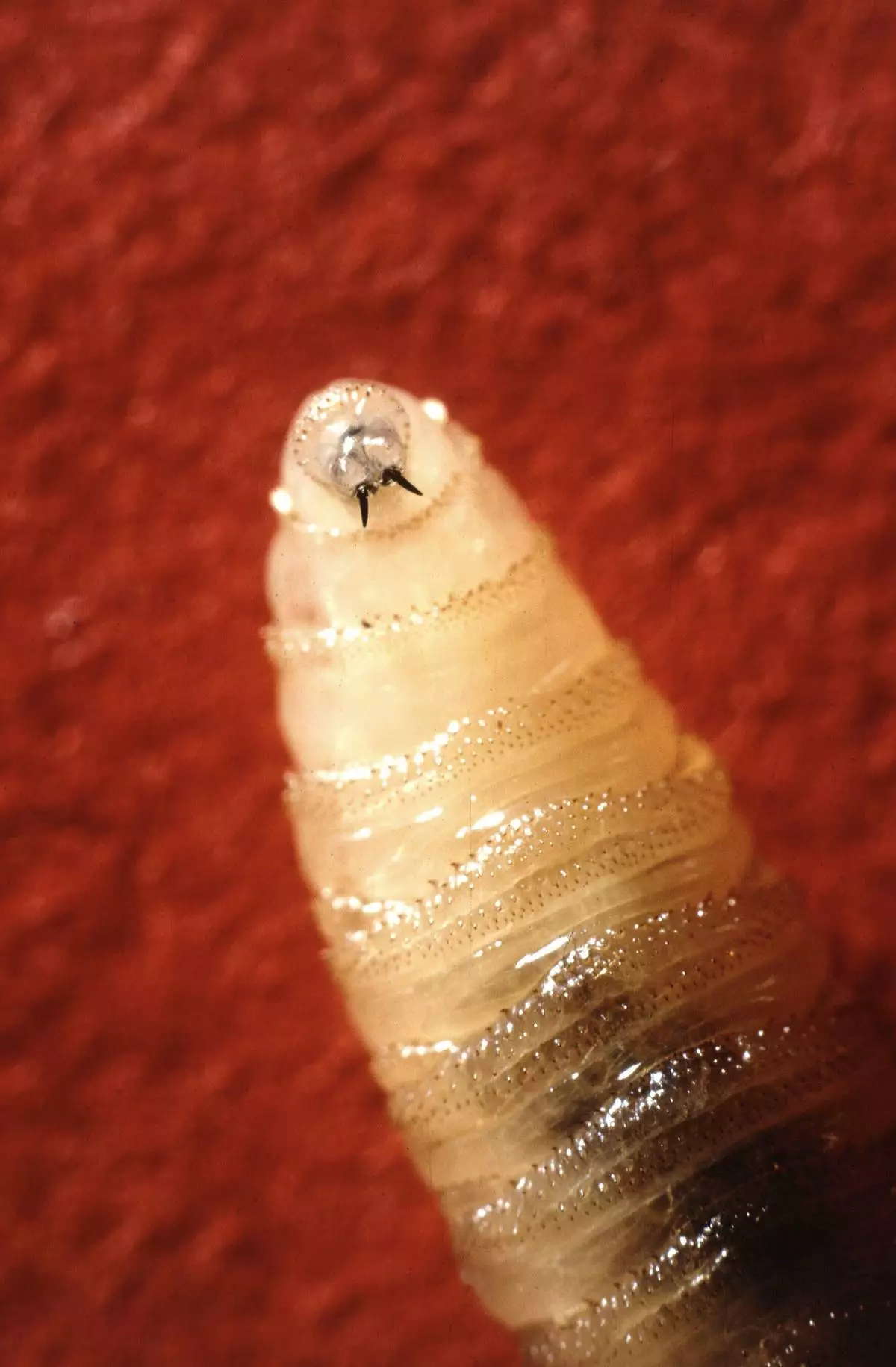
FILE - A New World screwworm larvae sits at rest in this undated photo. (USDA Agricultural Research Service via AP, file)
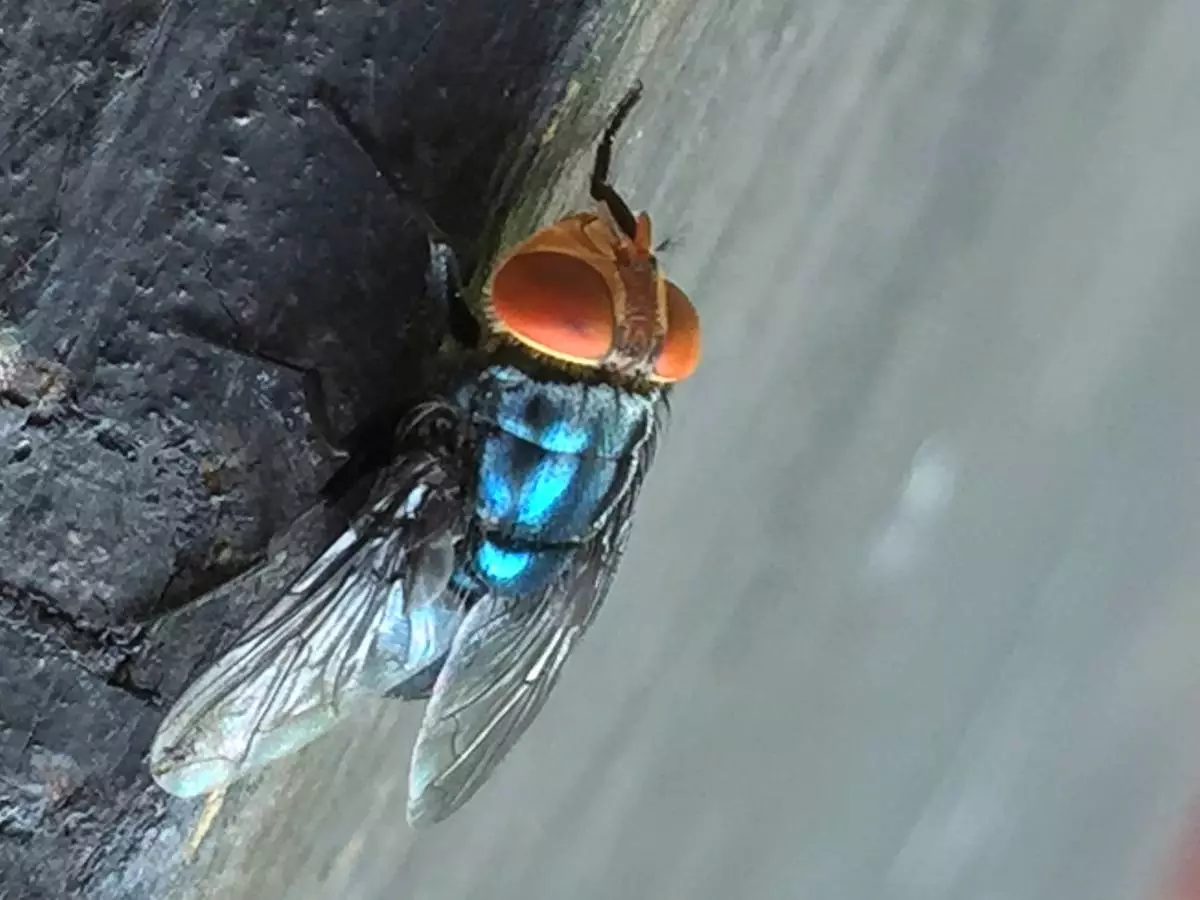
An adult New World screwworm fly sits at rest in this undated photo. (Denise Bonilla/U.S. Department of Agriculture via AP)
WASHINGTON (AP) — Former Alabama football coach Nick Saban and others testified Wednesday in support of a bipartisan bill aimed at overhauling a college sports system where players can increasingly earn millions of dollars while moving freely between schools.
The leaders of the Senate Commerce Committee held the hearing as they push legislation unveiled last week that supporters hope can break the congressional gridlock over how to regulate college athletics. But it's already facing criticism from some senators and the two most influential conferences in college sports.
The bill, introduced by Sen. Ted Cruz, R-Texas, and Sen. Maria Cantwell, D-Wash., would regulate payments to athletes, limit them to one “free” transfer during their careers and create a “Lane Kiffin Rule” restricting coaches from leaving programs during the season. Cruz touted the proposal as “the last, best hope we have to save college sports.”
“If you had the biggest, baddest Ferrari that you could ever have and it was going 150 miles an hour toward the Grand Canyon, somebody needs to tap the brakes. And I think that’s what we all need to do here,” Saban said in his opening remarks.
Notably absent from the the witness list, which included Notre Dame’s athletic director and the commissioner of the newly reconstructed Pac-12 conference, were any representatives from either the Big Ten or Southeastern Conferences. Saban won seven national championships at SEC schools Alabama and LSU but said he was not in Washington to represent any conference or team.
The SEC and the Big Ten, the two most powerful conferences in college sports, oppose the bill, arguing it “leaves critical issues unresolved.”
Asked after the hearing about opposition from the SEC and Big Ten, Cruz told the Associated Press he remains confident the bill can pass Congress.
“We're going to get the votes," Cruz said. “If we do nothing, there is no alternative. As every witness testified, college sports is facing a crisis.”
Cantwell said at Wednesday's hearing that the legislation is intended to restore competition to college athletics by ensuring success is determined by how universities “build a team, and not because they have a billionaire in their back pocket.”
She also addressed the conferences’ opposition directly, suggesting they fear a more level playing field and the idea “that somebody’s going to come in and rearrange the deck chairs of those conferences, steal the eyeball schools, and then basically leave everybody with everything else.”
While Cruz and Cantwell, the two top-ranked lawmakers on the Senate Commerce Committee, support the bill, passage through the Senate is far from certain. President Donald Trump has yet to comment on the bill publicly.
Sen. Bernie Moreno, R-Ohio, an ally of Trump's, said he had “grave concerns” about the bill. He said his most important concern was “it does nothing about protecting, biological women from competing with men and sports" — an issue that Trump has dealt with via executive orders but that has not come up in any version of these bills.
Sen. Tommy Tuberville, R-Ala., a former college football coach at Auburn, told the Associated Press on Tuesday that “there’s going to have to be some changes” to the bill in order for him to support it.
House Republican leadership had been working toward a vote on its own college sports bill, known as the SCORE Act, before the Congressional Black Caucus announced its unanimous opposition.
The CBC said the legislation should not move forward in the wake of the recent Supreme Court ruling that effectively disabled a key provision of the Voting Rights Act. They say athletic leaders are failing to address concerns about the decision’s impact on Black political representation.
On Wednesday, the Congressional Black Caucus sent a letter to Cruz and Cantwell urging the committee to pause consideration of their bill as well.
“Meaningful engagement and action by college athletics leadership should be viewed as a necessary first step,” the letter stated.
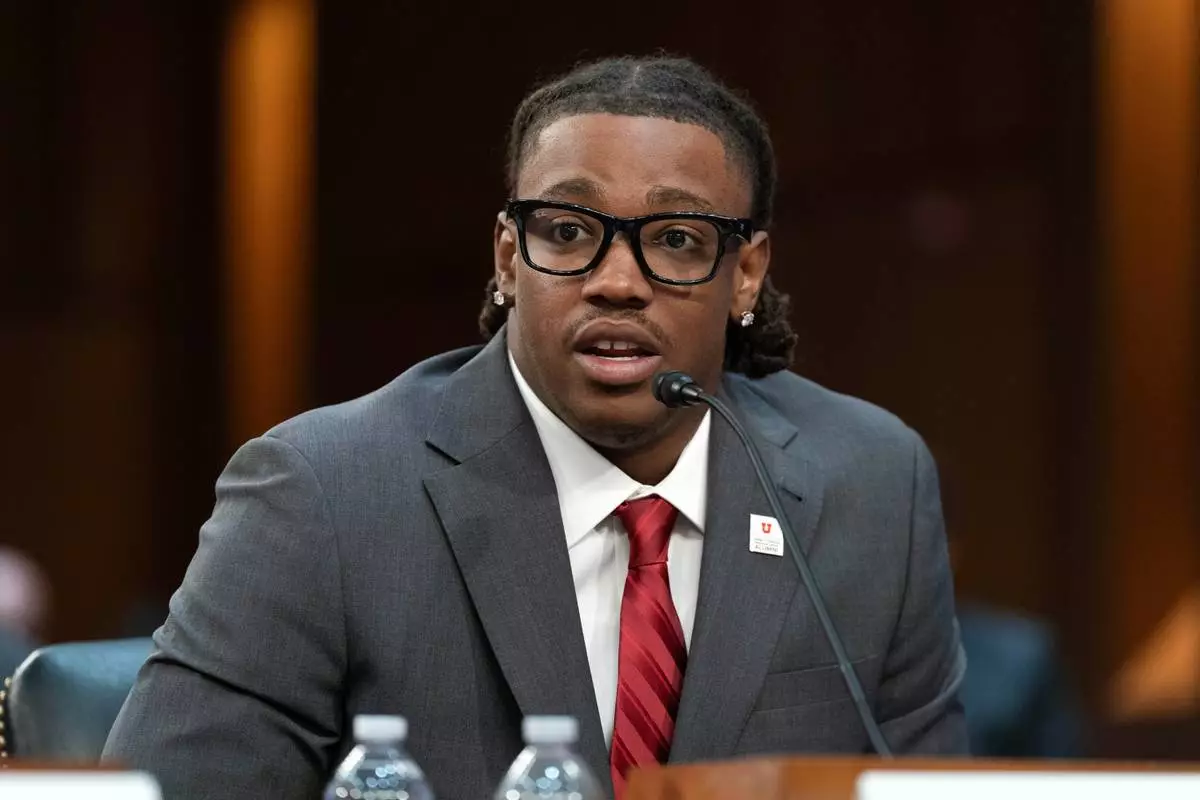
University of Utah's Lance Holtzclaw testifies before Senate Committee on Commerce, Science, and Transportation hearing to examine college sports, supporting student athletes, and fair competition on Capitol Hill, Wednesday, June 3, 2026, in Washington. (AP Photo/Jose Luis Magana)
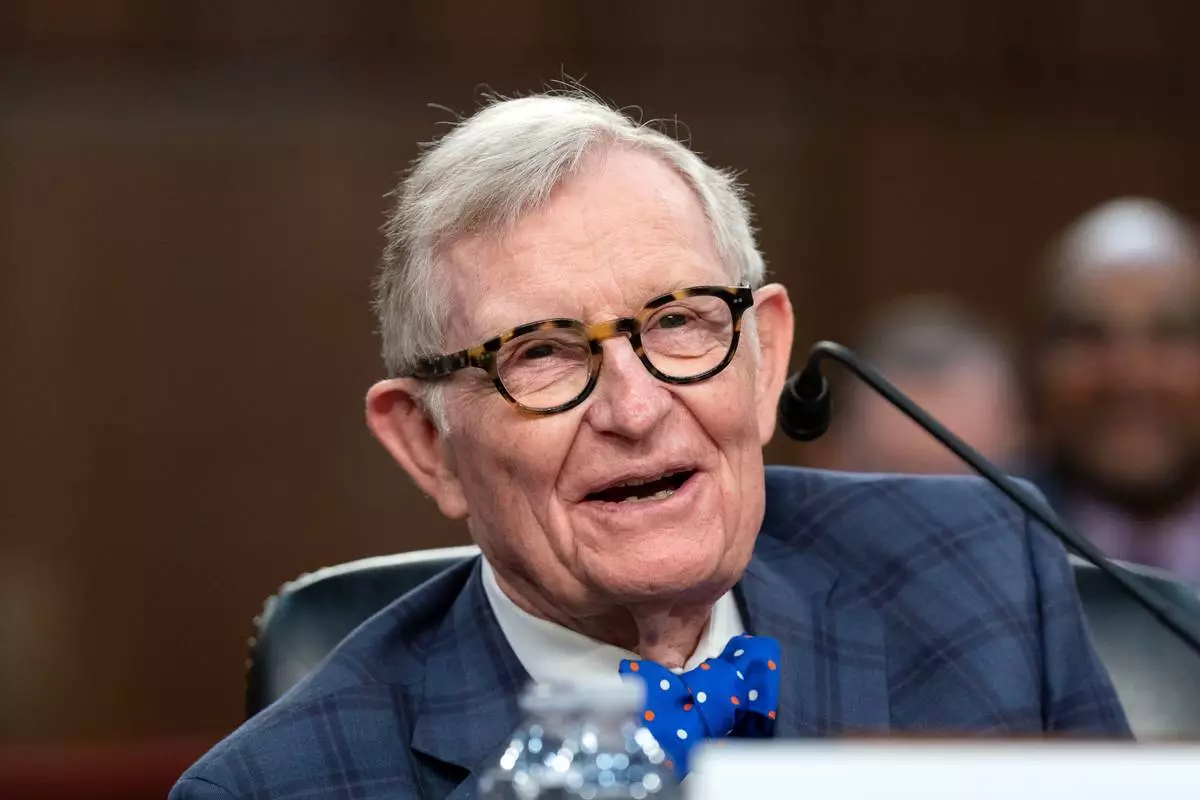
West Virginia University President Gordon Gee testifies before Senate Committee on Commerce, Science, and Transportation hearing to examine college sports, supporting student athletes, and fair competition on Capitol Hill, Wednesday, June 3, 2026, in Washington. (AP Photo/Jose Luis Magana)
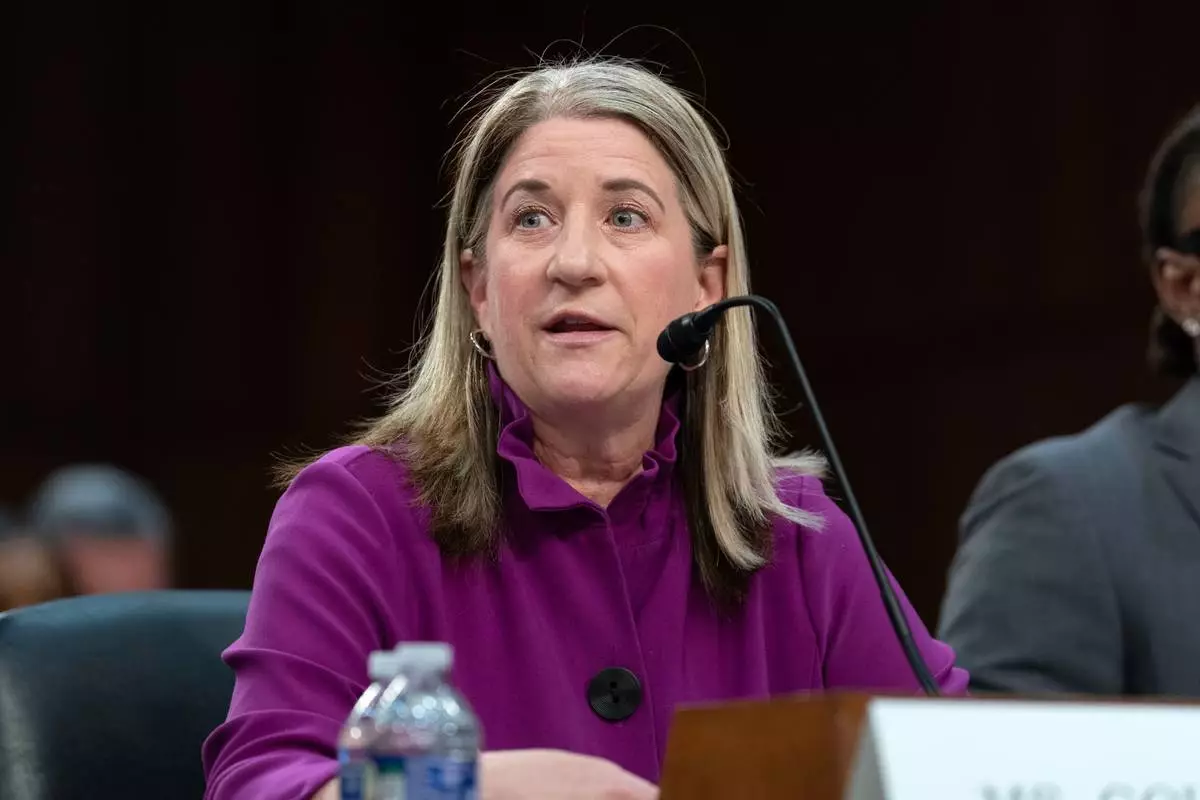
Pac-12 Commissioner Teresa Gould testifies before Senate Committee on Commerce, Science, and Transportation hearing to examine college sports, supporting student athletes, and fair competition on Capitol Hill, Wednesday, June 3, 2026, in Washington. (AP Photo/Jose Luis Magana)
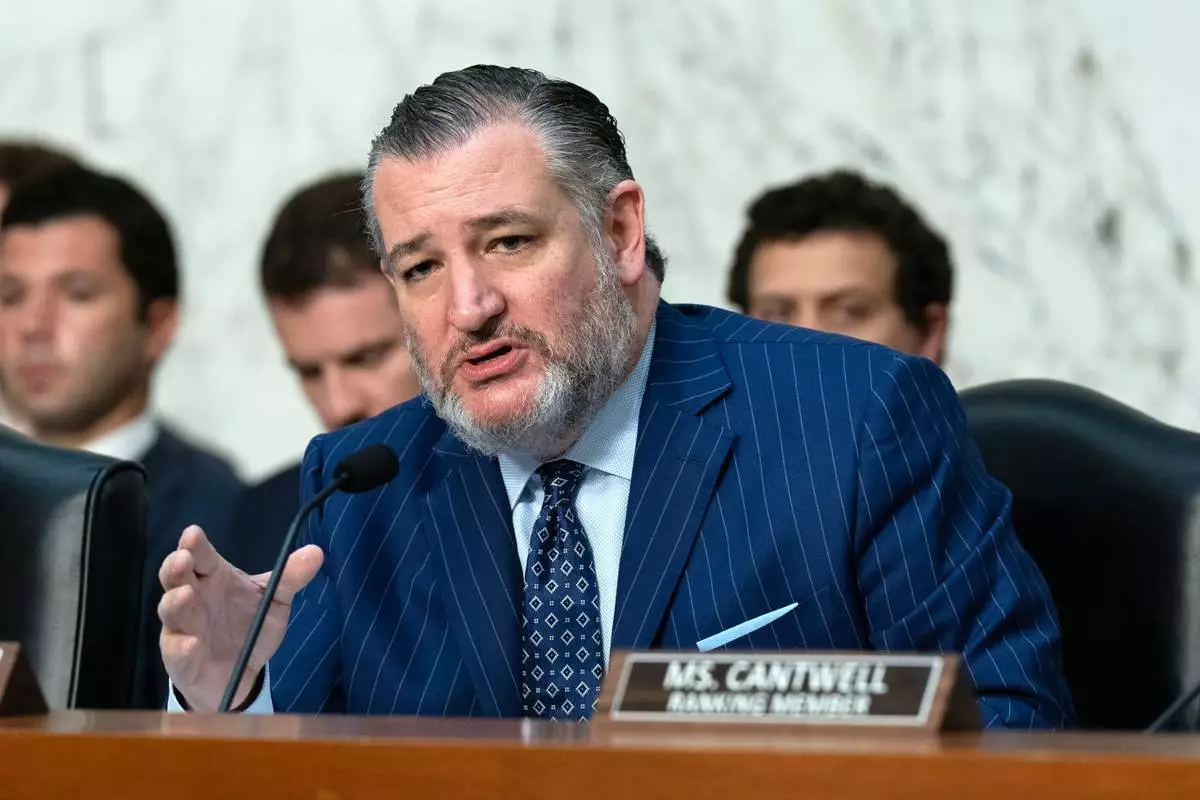
Sen. Ted Cruz R-Texas, Chairman of the Senate Committee on Commerce, Science, and Transportation, speaks during a hearing to examine college sports, supporting student athletes, and fair competition on Capitol Hill, Wednesday, June 3, 2026, in Washington. (AP Photo/Jose Luis Magana)
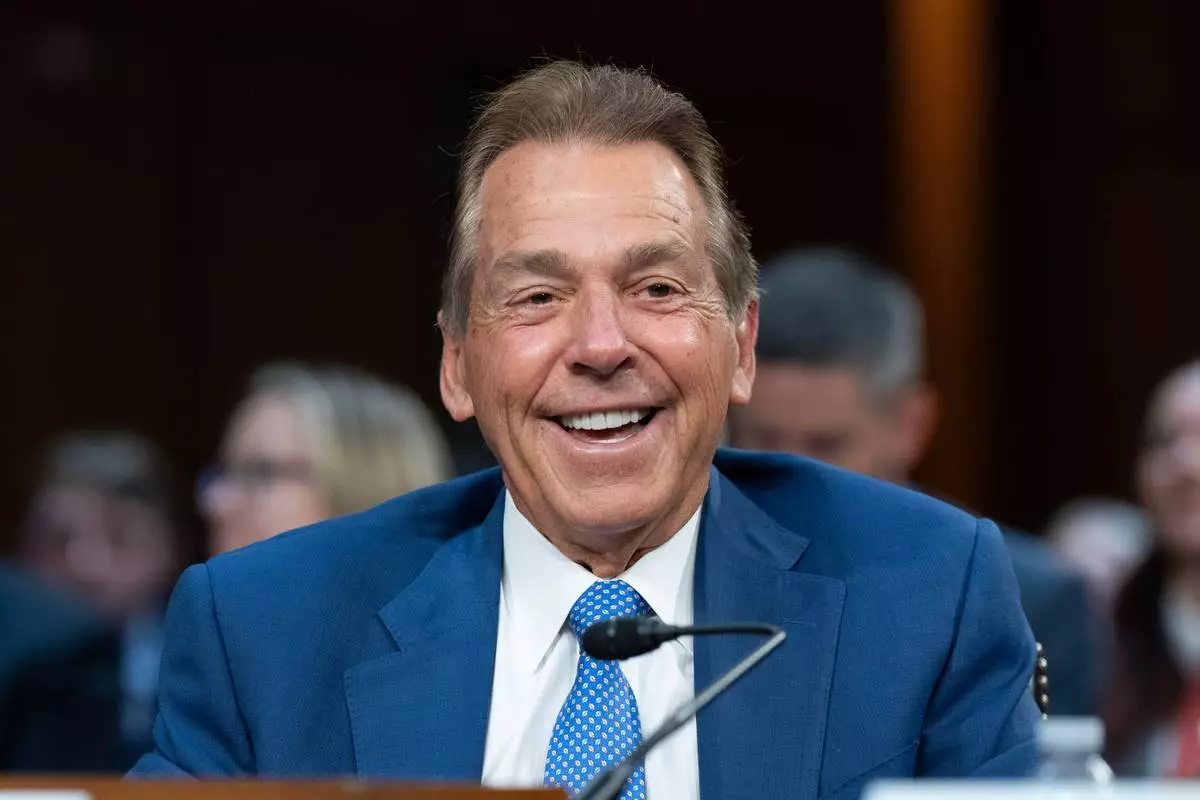
Former University of Alabama football coach Nick Saban testifies before Senate Committee on Commerce, Science, and Transportation hearing to examine college sports, supporting student athletes, and fair competition on Capitol Hill, Wednesday, June 3, 2026, in Washington. (AP Photo/Jose Luis Magana)
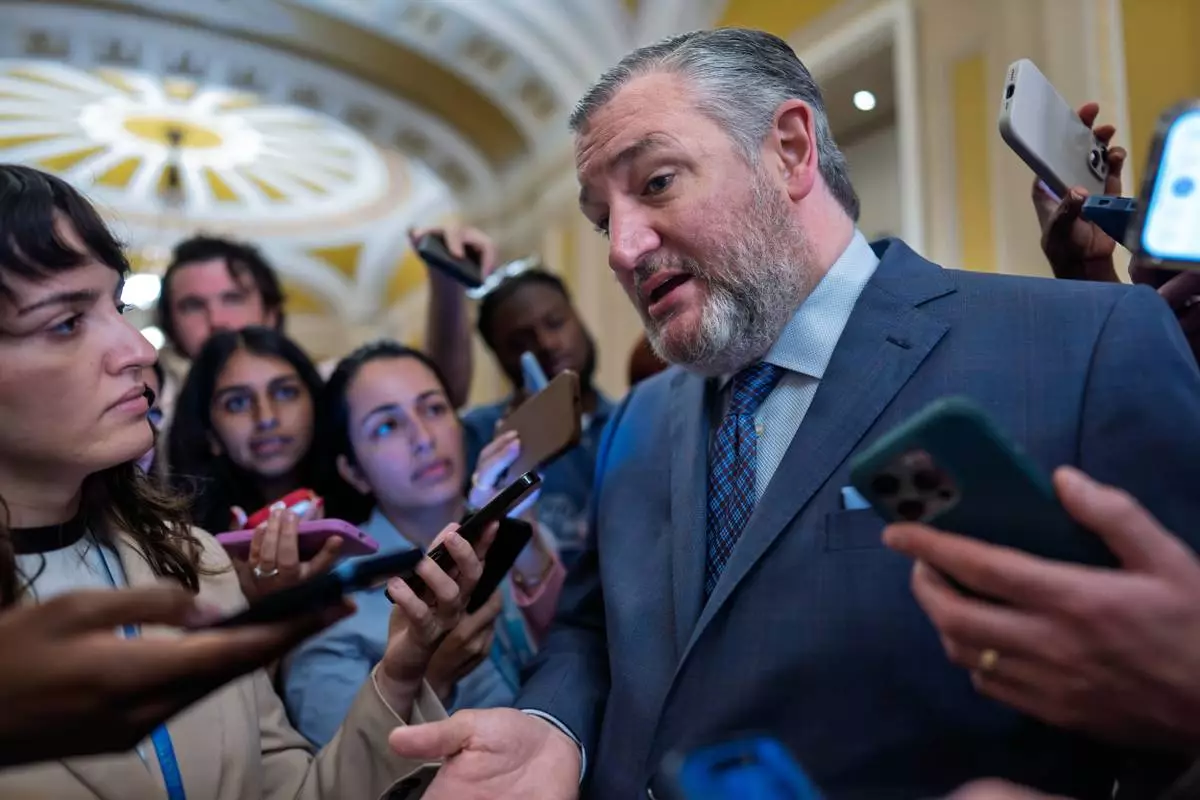
Sen. Ted Cruz, R-Texas, chairman of the Senate Commerce Committee, speaks to reporters after a closed-door meeting with fellow Republicans, at the Capitol in Washington, Tuesday, June 2, 2026. (AP Photo/J. Scott Applewhite)