China's logistics sector made remarkable progress during the 14th Five-Year Plan period (2021-2025), with its market size remaining the world's largest throughout the period, according to the China Federation of Logistics and Purchasing.
Over the past five years, China's total social logistics volume has been growing steadily and is expected to reach 380 trillion yuan (about 53.14 trillion U.S. dollars) by the end of 2025, representing an increase of about 80 trillion yuan in these five years.
Meanwhile, the total revenue of China's logistics industry has expanded significantly, rising by roughly 4 trillion yuan over the five years.
It is projected to exceed 14 trillion yuan for the year of 2025, with the market size expected to remain the largest globally for ten consecutive years.
"Since the start of the 14th Five-Year Plan, China's logistics industry has made remarkable progress. The country's logistics scale has ranked first in the world for nine consecutive years, underscoring the advantages of its vast market size. This has also played a positive and supportive role in China's national economic development," said Cai Jin, head of the China Federation of Logistics and Purchasing, on Tuesday.
Freight logistics demand is growing rapidly as well. It is estimated that the year 2025 will see total social freight volume surpass 59 billion tons.
In addition, express delivery volume is projected to exceed 200 billion parcels in 2025, maintaining its status as the world’s largest for 12 consecutive years.
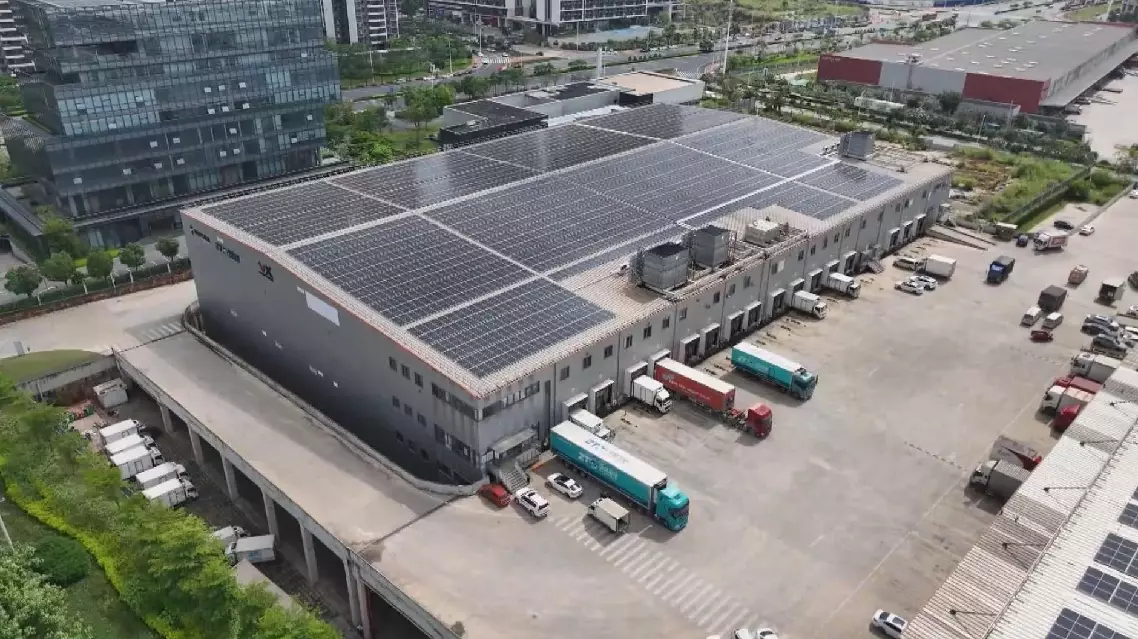
China's logistics sector remains world's largest by market size in past five years
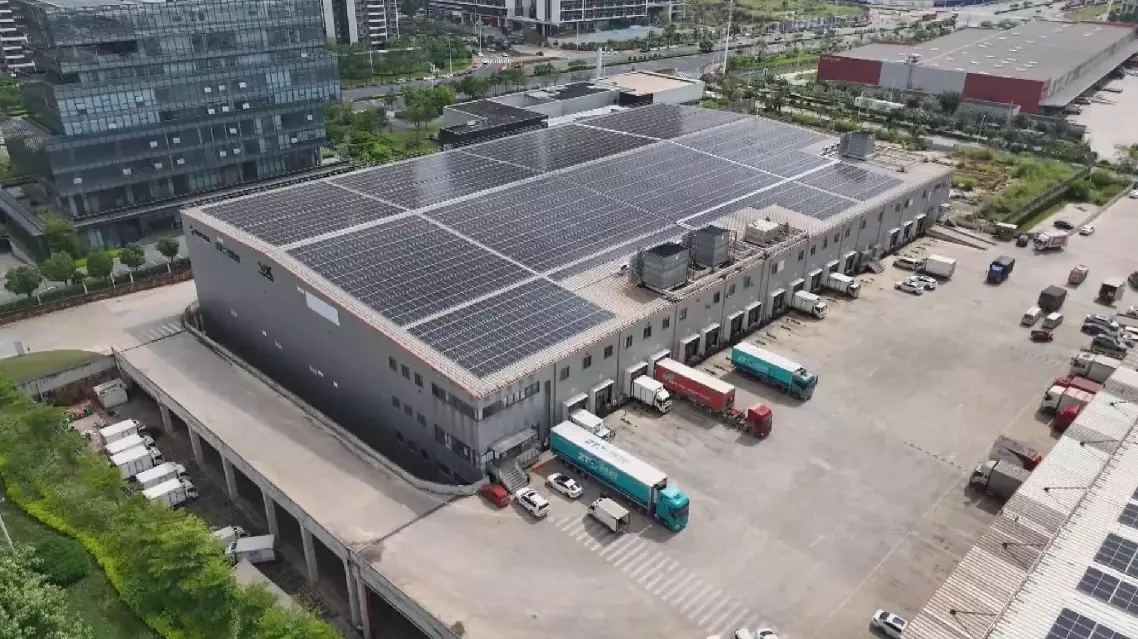
China's logistics sector remains world's largest by market size in past five years
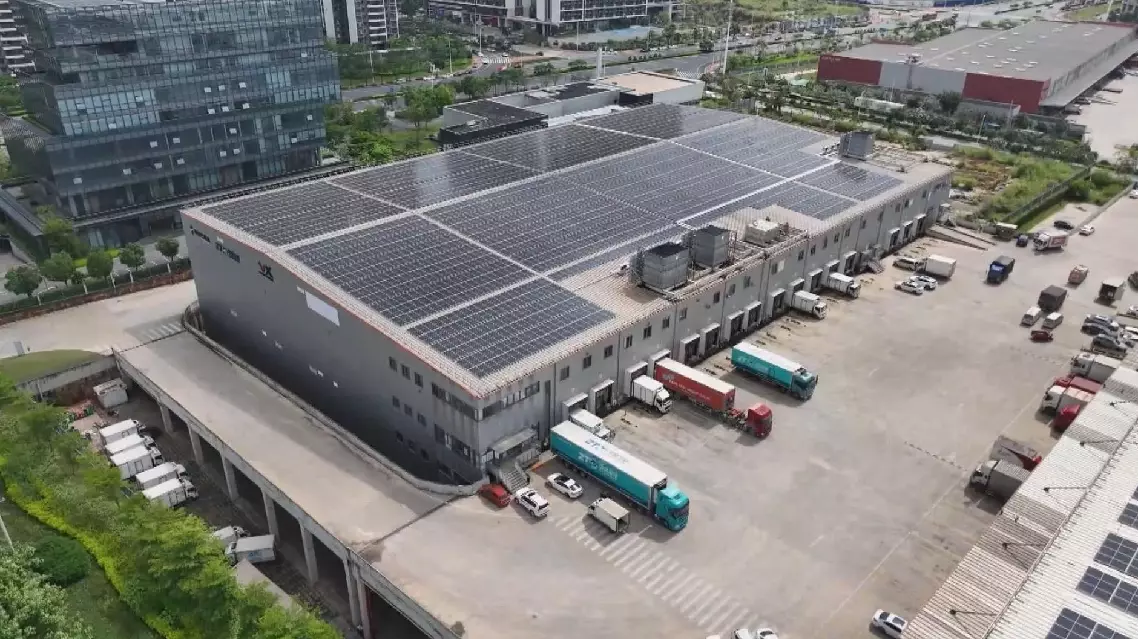
China's logistics sector remains world's largest by market size in past five years
The 32nd Asia-Pacific Economic Cooperation (APEC) Ministers Responsible for Trade Meeting concluded in east China's Suzhou on Saturday, yielding fruitful results and laying significant groundwork for the APEC Economic Leaders' Meeting in November.
The trade ministers' meeting focused on "building an open and predictable regional and multilateral economic and trade order" and "fostering new engines of innovative and dynamic trade and investment cooperation."
Chinese Commerce Minister Wang Wentao briefed the media on the meeting's outcomes at a press conference.
Wang said the meeting issued a joint statement titled the Suzhou Statement, and approved the latest edition of the APEC Roadmap for Innovative, Competitive and Resilient Services.
All parties agreed to advance policy innovation and reform in services trade, build an open and predictable investment environment, improve regional trade facilitation and supply chain resilience, strengthen standards coordination, and enhance intellectual property protection, Wang told the media.
He also said that substantial progress was made on a framework document for regional digital trade cooperation and the ministers emphasized promoting inclusive AI development, strengthening AI-related trade, and bridging the digital divide to ensure shared benefits from digital transformation.
The minister noted that the outcomes of the meeting demonstrated strong cooperation willingness, highlighted an innovation-oriented approach, and reflected inclusiveness and shared benefits. "The fact that Asia-Pacific economies can come together, uphold the original aspiration of promoting trade and investment liberalization and facilitation while supporting economic growth and prosperity, and engage in in-depth discussions on the important issue of 'where multilateral and regional economic and trade cooperation is headed,' fully demonstrates that open regionalism and true multilateralism enjoy broad support, and that mutual success and shared development serve the fundamental interests of all economies," Wang said.
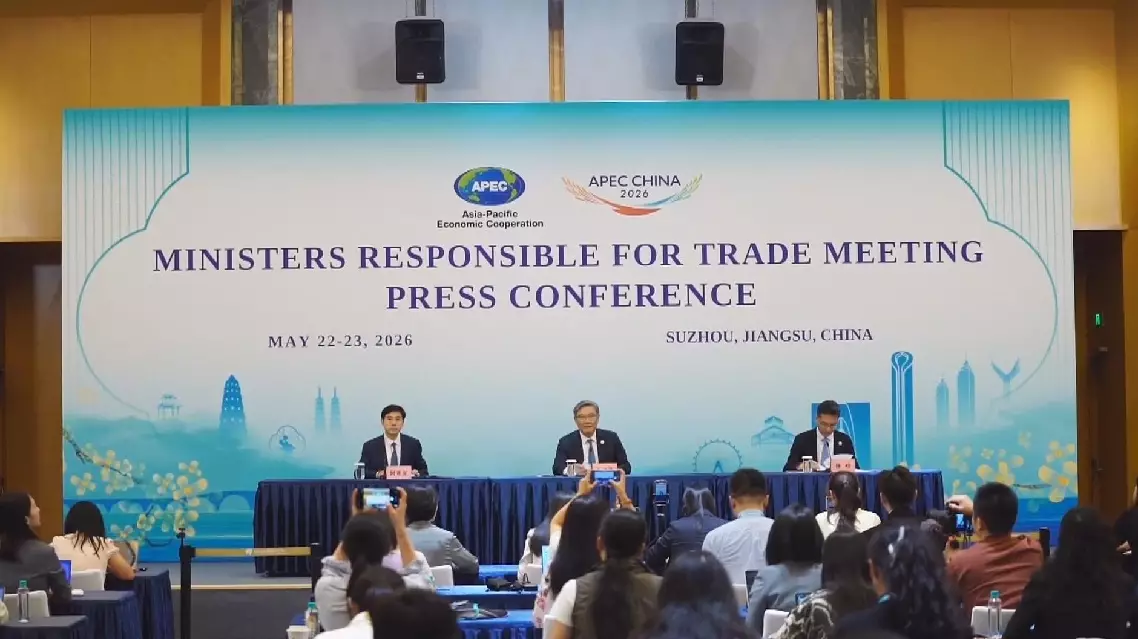
2026 APEC trade ministers' meeting concludes with fruitful results