Skip to Content Facebook Feature Image

UN votes to end its peacekeeping force in Lebanon next year after nearly 5 decades

News

UN votes to end its peacekeeping force in Lebanon next year after nearly 5 decades
News

News

UN votes to end its peacekeeping force in Lebanon next year after nearly 5 decades

2025-08-29 02:44 Last Updated At:02:50

UNITED NATIONS (AP) — The U.N. Security Council voted unanimously on Thursday to terminate the U.N. peacekeeping force in southern Lebanon at the end of next year after nearly five decades, bowing to demands from the United States and its close ally Israel.

The United States, which initially demanded the force be ended in six months and later sought a one-year final extension, voted in favor of a final 16-month mandate to continue its activities near Lebanon’s U.N.-drawn border with Israel until Dec. 31, 2026.

The multinational peacekeeping force has played a significant role in monitoring the security situation in southern Lebanon for decades, including during the Israel-Hezbollah war last year. But it has drawn criticism from both sides and officials in President Donald Trump’s administration, which has moved to slash U.S. funding for the operation as Trump remakes America’s approach to foreign policy.

“The security environment in Lebanon is radically different than just one year ago, creating the space for Lebanon to assume greater responsibility,” said the acting U.S. ambassador, Dorothy Shea.

The peacekeeping force, known as UNIFIL, was created to oversee the withdrawal of Israeli troops from southern Lebanon after Israel’s 1978 invasion. Its mission was expanded following the monthlong 2006 war between Israel and the militant group Hezbollah.

Following last fall’s Israel-Hezbollah war, Lebanese officials have called for UNIFIL to remain, saying the country’s cash-strapped and overstretched army is unable to patrol the full area on its own.

In a statement, Lebanese Prime Minister Nawaf Salam welcomed the decision to extend UNIFIL’s mandate through 2026 and thanked “all friendly countries in this Council that expressed their understanding of Lebanon’s concerns.”

Israel’s U.N. ambassador, Danny Danon, told the Security Council that “we are at a decisive moment for Lebanon, Israel and the region, on what comes next.”

The U.N. resolution, sponsored by France, gives the force a year starting on Dec. 31, 2026, to withdraw its 10,800 military and civilian personnel and all U.N. equipment. During this period, UNIFIL was authorized to carry out a few limited activities.

The resolution says the aim is to make the Lebanese government “the sole provider of security” in southern Lebanon north of the U.N.-drawn border with Israel known as the Blue Line. It calls on Israel to withdraw its forces from north of the Blue Line. Danon made no mention of a pullout in his remarks.

Trump administration political appointees had sought to shut down UNIFIL as soon as possible and secured major cuts in U.S. funding. They regard the operation as a waste of money that is merely delaying the goal of eliminating Hezbollah’s influence and restoring full security control to the Lebanese armed forces.

European nations, notably France and Italy, objected to winding down UNIFIL too quickly. They argued that ending the peacekeeping mission before the Lebanese army was able to fully secure the border area would create a vacuum Hezbollah could easily exploit.

France’s deputy U.N. ambassador, Jay Dharmadhikari, welcomed the unanimous vote, saying last November’s cessation of hostilities between Israel and Hezbollah placed Lebanon on a path to regain sovereignty over its entire territory and toward regional stability.

He said UNIFIL’s ongoing operations are still vital, stressing that its mandate until the end of 2026 will give the force “precious time … to work alongside the mounting capabilities of the Lebanese army so that sovereignty can be extended throughout Lebanese territory.”

Dharmadhikari warned that “any premature withdrawal could undermine or even weaken” that effort.

The U.S. commended the progress of deployment of Lebanese forces, Shea said, and will keep working with it “to expand its capabilities as Lebanon carries out its critical work in disarming Hezbollah.”

She urged the international community to use the coming year to bolster the Lebanese armed forces and “set Lebanon up for success.”

Algeria’s U.N. Ambassador Amar Bendjama, the Arab representative on the Security Council, stressed that UNIFIL “remains indispensable to stability in Lebanon and in the region” by playing a key role in deescalating tensions, supporting a ceasefire and enabling Lebanese forces to deploy in the south.

Saying Israeli forces are still in Lebanon in violation of past agreements, Bendjama warned that “without ending Israel’s occupation of Arab lands, peace and stability in the region will remain elusive.”

Israel’s Danon accused UNIFIL of consistently overlooking Hezbollah’s “vast military buildup,” providing the militant group “with cover to entrench itself.”

Strengthening the Lebanese armed forces “is essential if Lebanon is ever to reclaim full sovereignty" from Hezbollah, Danon said.

Israel is prepared to advance talks with Lebanon on enforcing the border if the country moves toward disarming Hezbollah.

During the one-year withdrawal period, the U.N. resolution says, UNIFIL is authorized to provide security and assistance to U.N. personnel, “to maintain situational awareness in the vicinity of UNIFIL locations,” and to contribute to the protection of civilians and the safe delivery of humanitarian aid “within the limits of its capacities.”

The resolution urges the international community “to intensify its support, including equipment, material and finance” to the Lebanese armed forces.

Associated Press writer Abby Sewell in Beirut contributed to this report.
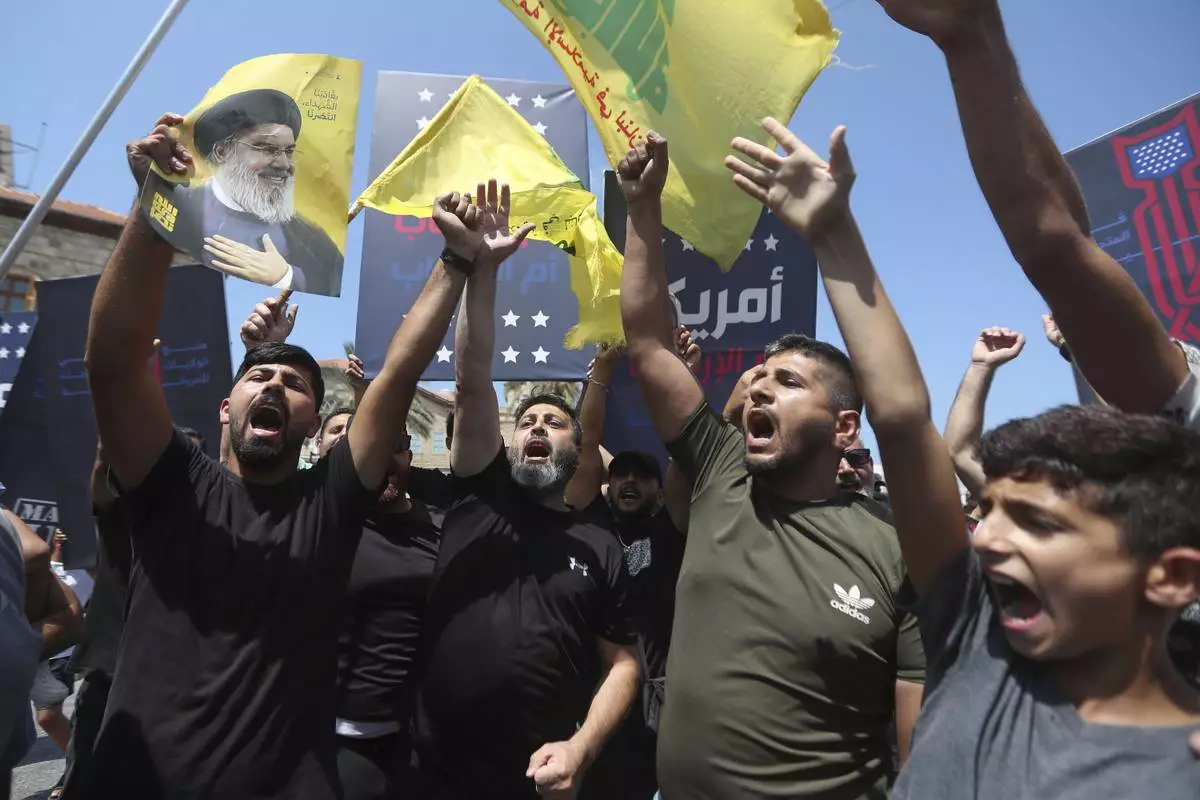
Hezbollah supporters shout slogans during a protest against Tom Barrack, U.S. President Donald Trump's envoy to the Middle East, who was supposed to visit Tyre city in south Lebanon, Wednesday, Aug. 27, 2025. (AP Photo/Mohammed Zaatari)
Hezbollah supporters shout slogans during a protest against Tom Barrack, U.S. President Donald Trump's envoy to the Middle East, who was supposed to visit Tyre city in south Lebanon, Wednesday, Aug. 27, 2025. (AP Photo/Mohammed Zaatari)

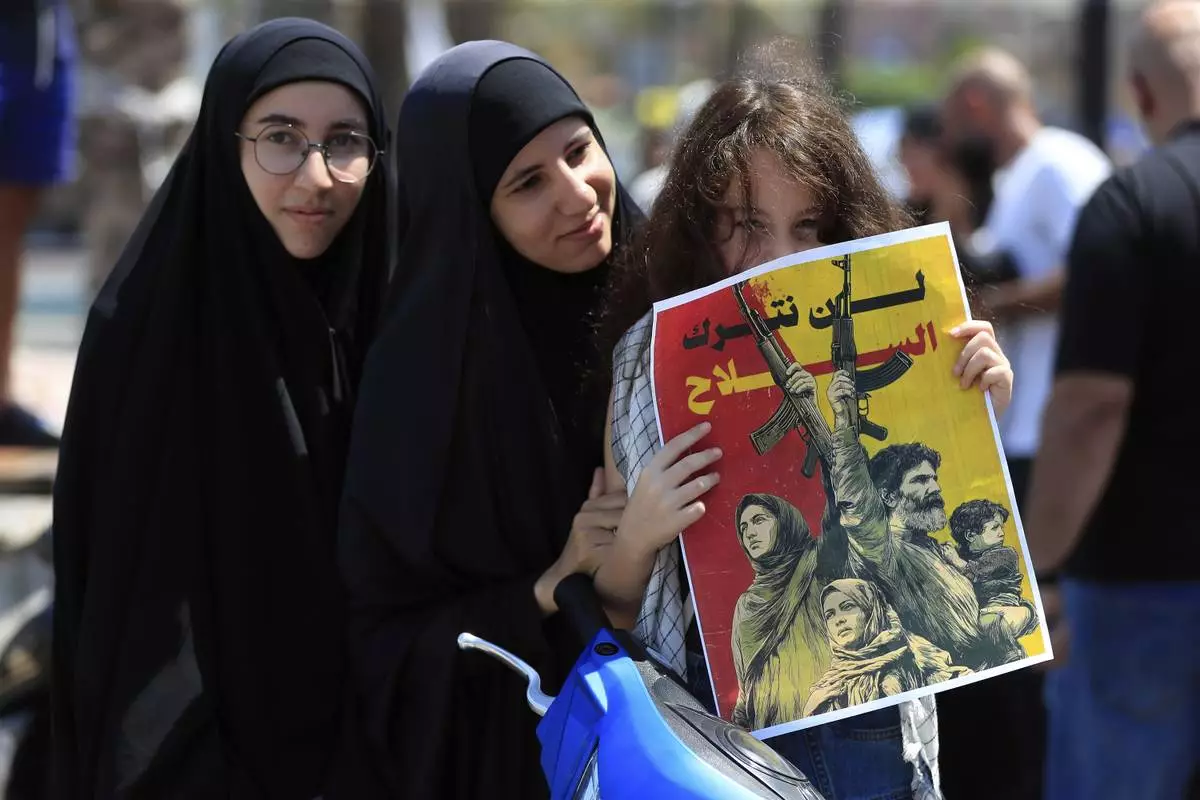
Shiite women attend a protest against Tom Barrack, U.S. President Donald Trump's envoy to the Middle East, who was supposed to visit Tyre city in south Lebanon, Wednesday, Aug. 27, 2025. The poster reads in Arabic: "We will not leave the weapons." (AP Photo/Mohammed Zaatari)
Shiite women attend a protest against Tom Barrack, U.S. President Donald Trump's envoy to the Middle East, who was supposed to visit Tyre city in south Lebanon, Wednesday, Aug. 27, 2025. The poster reads in Arabic: "We will not leave the weapons." (AP Photo/Mohammed Zaatari)

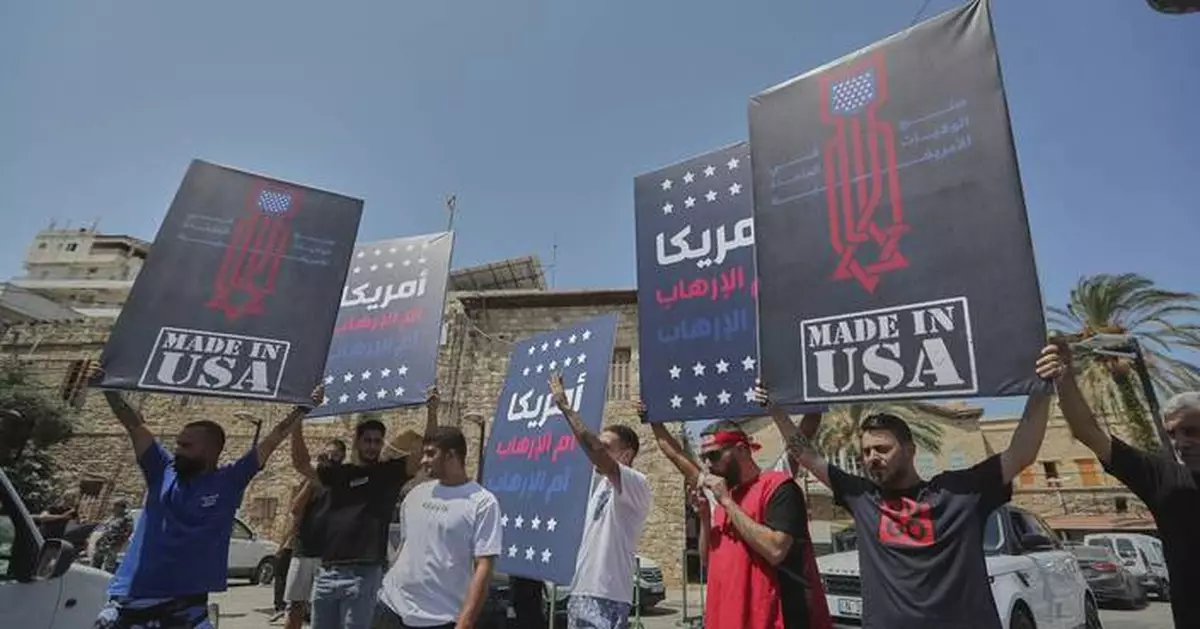
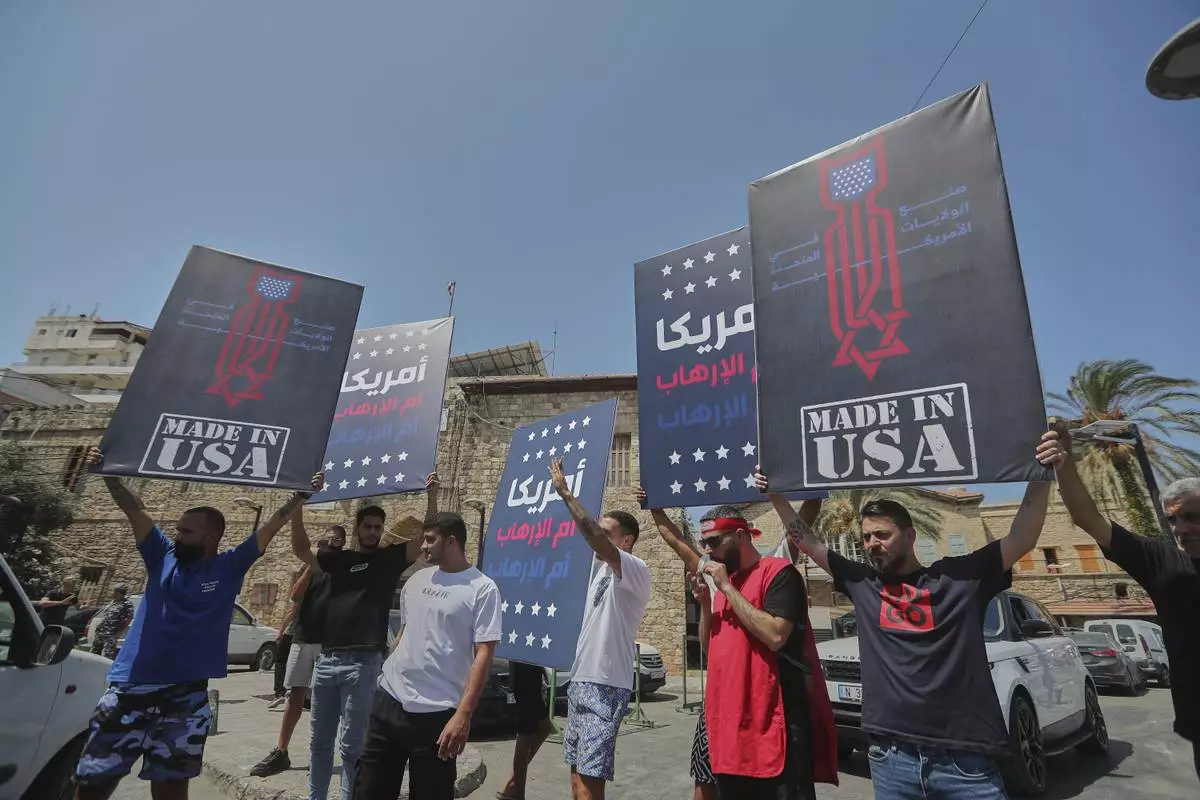
Shiite men hold up posters that read in Arabic: "America is the mother of terrorism", during a protest against Tom Barrack, U.S. President Donald Trump's envoy to the Middle East, who was supposed to visit Tyre city in south Lebanon, Wednesday, Aug. 27, 2025. (AP Photo/Mohammed Zaatari)
Shiite men hold up posters that read in Arabic: "America is the mother of terrorism", during a protest against Tom Barrack, U.S. President Donald Trump's envoy to the Middle East, who was supposed to visit Tyre city in south Lebanon, Wednesday, Aug. 27, 2025. (AP Photo/Mohammed Zaatari)
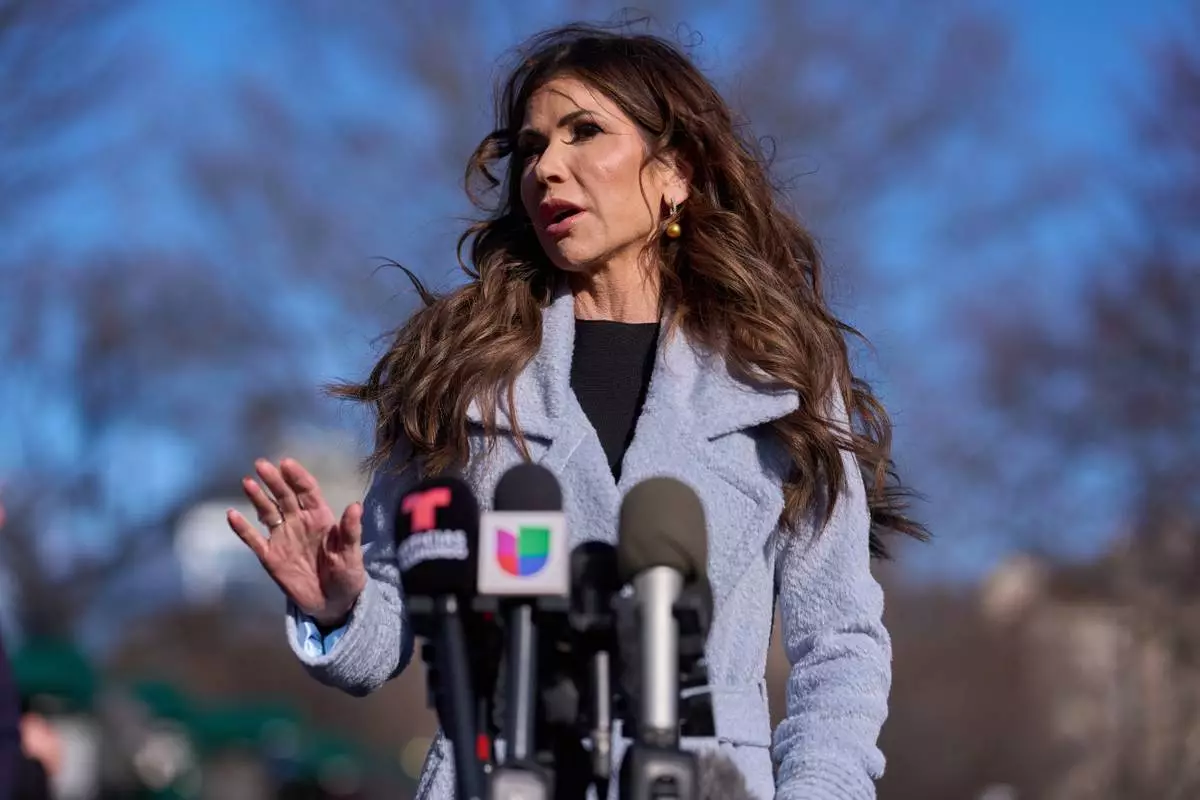
WASHINGTON (AP) — U.S. forces in the Caribbean Sea have seized another sanctioned oil tanker that the Trump administration says has ties to Venezuela, part of a broader U.S. effort to take control of the South American country’s oil.

The U.S. Coast Guard boarded the tanker, named Veronica, early Thursday, Homeland Security Secretary Kristi Noem wrote on social media. The ship had previously passed through Venezuelan waters and was operating in defiance of President Donald Trump’s "established quarantine of sanctioned vessels in the Caribbean,” she said.

U.S. Southern Command said Marines and sailors launched from the aircraft carrier USS Gerald R. Ford to take part in the operation alongside a Coast Guard tactical team, which Noem said conducted the boarding as in previous raids. The military said the ship was seized “without incident.”

Several U.S. government social media accounts posted brief videos that appeared to show various parts of the ship’s capture. Black-and-white footage showed at least four helicopters approaching the ship before hovering over the deck while armed troops dropped down by rope. At least nine people could be seen on the deck of the ship.

The Veronica is the sixth sanctioned tanker seized by U.S. forces as part of the effort by Trump’s administration to control the production, refining and global distribution of Venezuela’s oil products and the fourth since the U.S. ouster of Venezuela President Nicolás Maduro in a surprise nighttime raid almost two weeks ago.

The Veronica last transmitted its location on Jan. 3 as being at anchor off the coast of Aruba, just north of Venezuela’s main oil terminal. According to the data it transmitted at the time, the ship was partially filled with crude.

Days later, the Veronica became one of at least 16 tankers that left the Venezuelan coast in contravention of the quarantine that U.S. forces have set up to block sanctioned ships, according to Samir Madani, the co-founder of TankerTrackers.com. He said his organization used satellite imagery and surface-level photos to document the ship movements.

The ship is currently listed as flying the flag of Guyana and is considered part of the shadow fleet that moves cargoes of oil in violation of U.S. sanctions.

According to its registration data, the ship also has been known as the Gallileo, owned and managed by a company in Russia. In addition, a tanker with the same registration number previously sailed under the name Pegas and was sanctioned by the Treasury Department for being associated with a Russian company moving cargoes of illicit oil.

As with prior posts about such raids, Noem and the military framed the seizure as part of an effort to enforce the law. Noem argued that the multiple captures show that “there is no outrunning or escaping American justice.”

Speaking to reporters at the White House later Thursday, Noem declined to say how many sanctioned oil tankers the U.S. is tracking or whether the government is keeping tabs on freighters beyond the Caribbean Sea.

“I can’t speak to the specifics of the operation, although we are watching the entire shadow fleet and how they’re moving,” she told reporters.

But other officials in Trump's Republican administration have made clear they see the actions as a way to generate cash as they seek to rebuild Venezuela’s battered oil industry and restore its economy.

Trump met with executives from oil companies last week to discuss his goal of investing $100 billion in Venezuela to repair and upgrade its oil production and distribution. His administration has said it expects to sell at least 30 million to 50 million barrels of sanctioned Venezuelan oil.

Associated Press writer Ben Finley contributed to this report.

This story has been corrected to show the Veronica is the fourth, not the third, tanker seized by U.S. forces since Maduro’s capture and the ship also has been known as the Gallileo, not the Galileo.

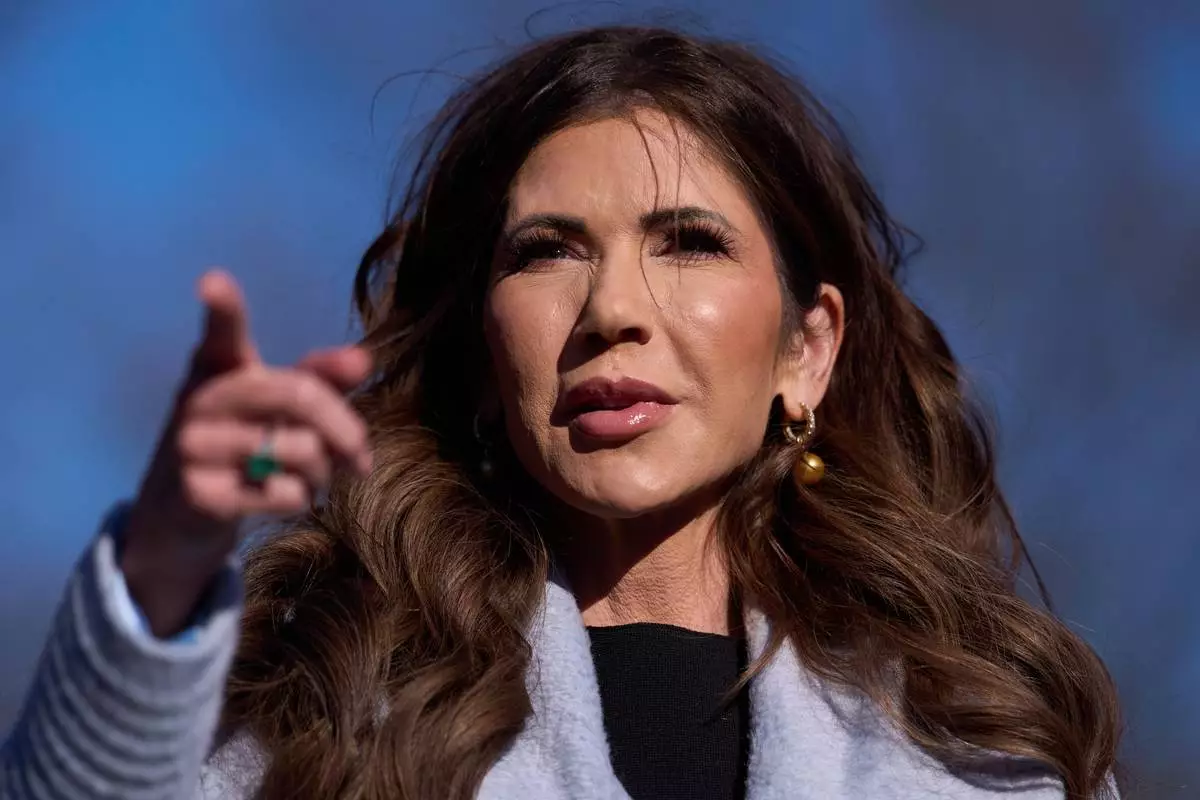
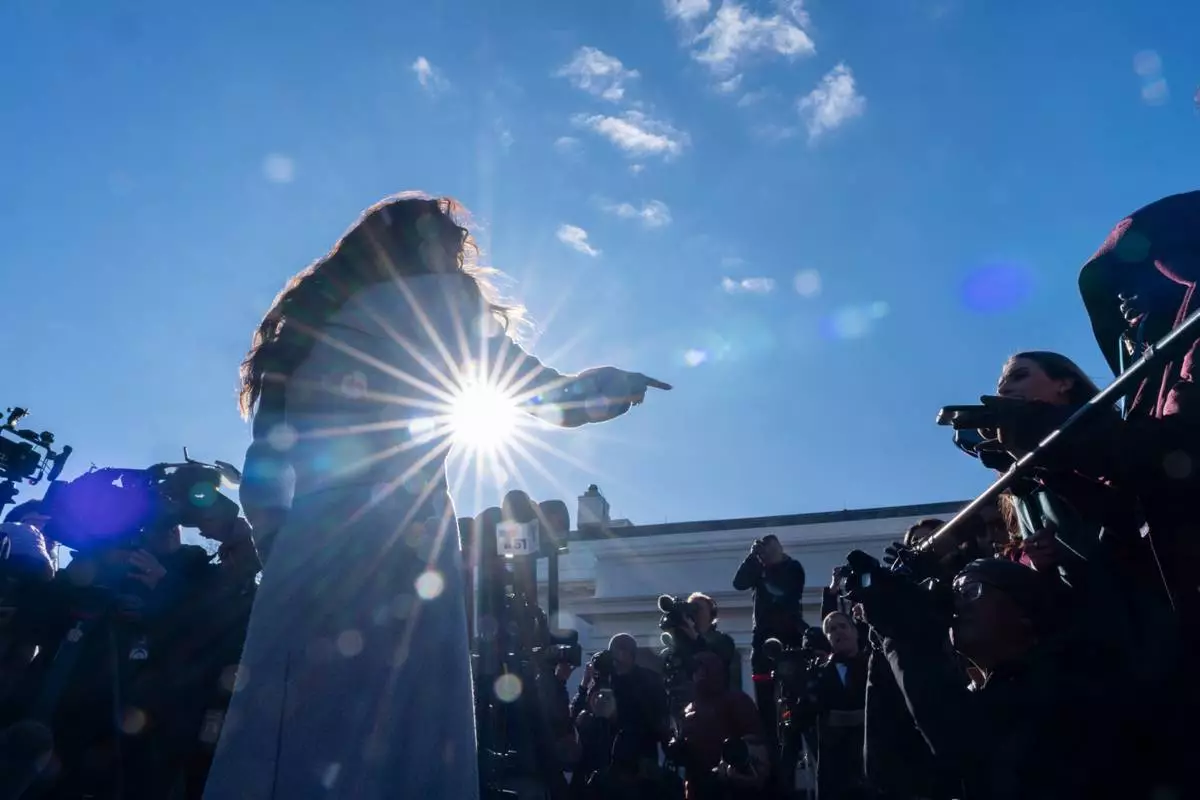
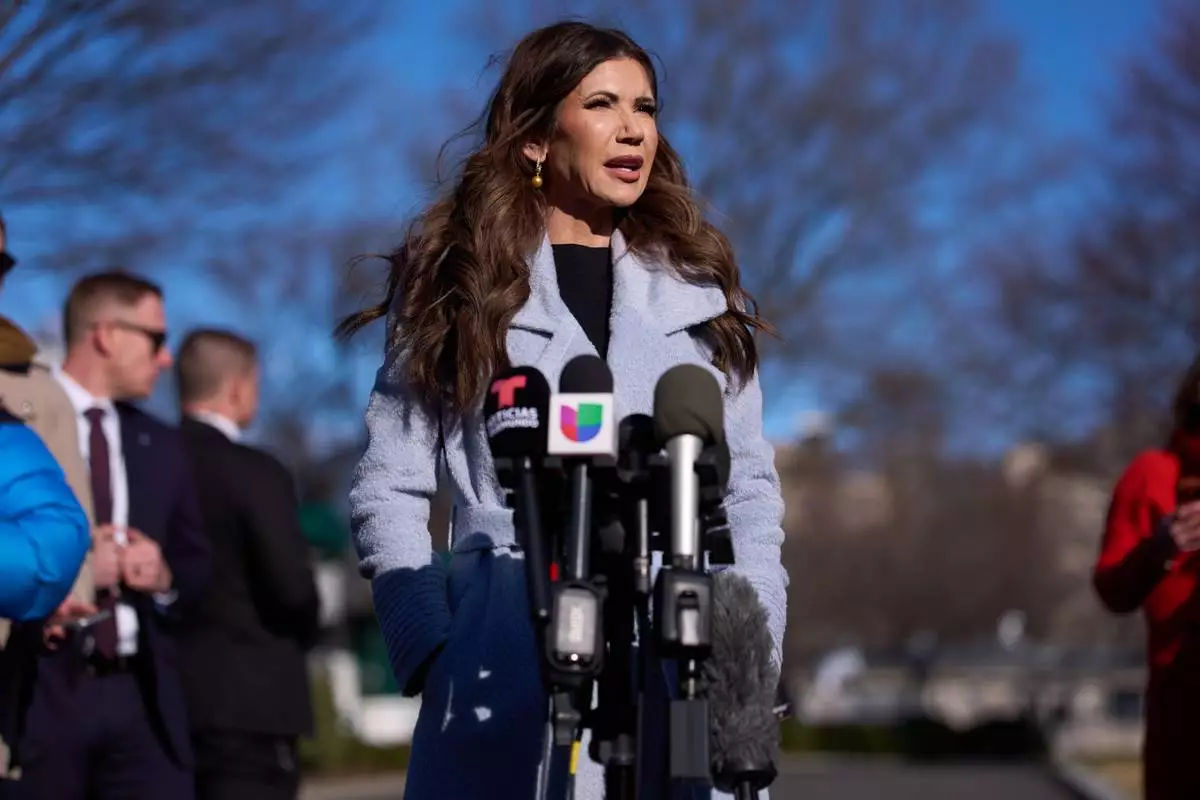
Homeland Security Secretary Kristi Noem speaks with reporters at the White House, Thursday, Jan. 15, 2026, in Washington. (AP Photo/Alex Brandon)

Homeland Security Secretary Kristi Noem speaks with reporters at the White House, Thursday, Jan. 15, 2026, in Washington. (AP Photo/Alex Brandon)

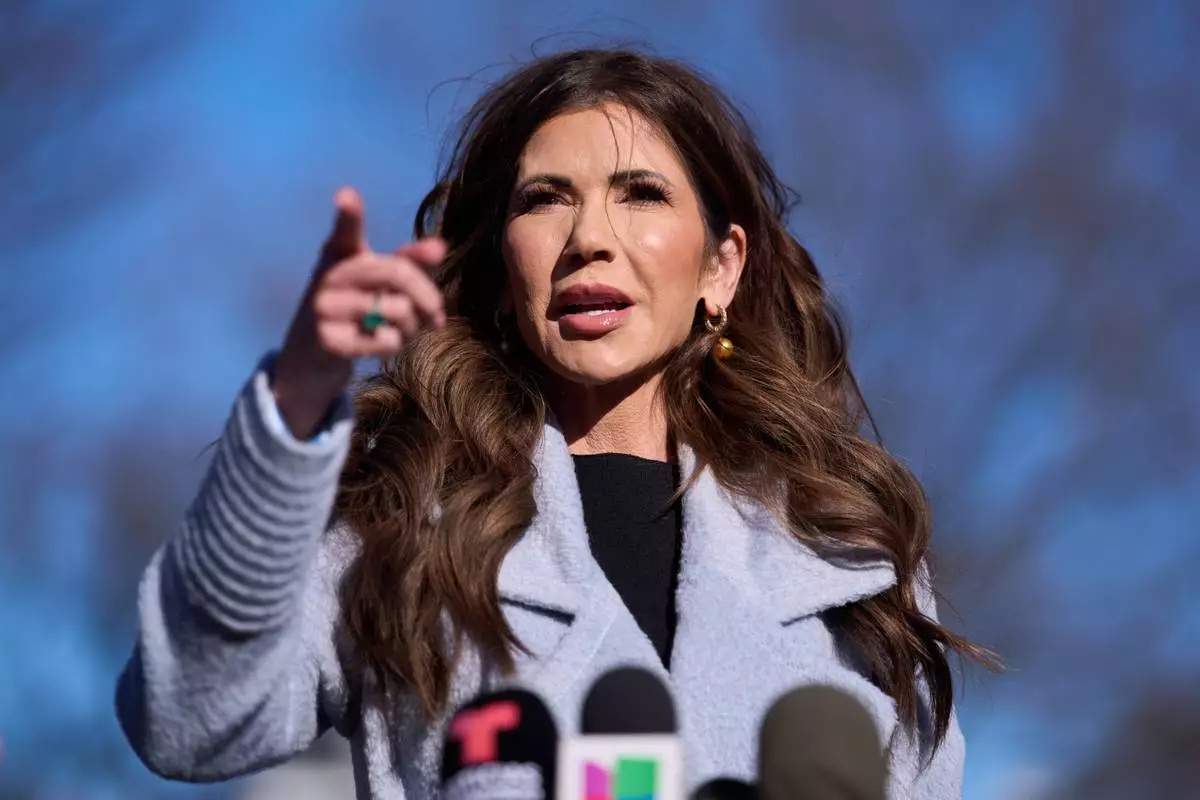
Homeland Security Secretary Kristi Noem speaks with reporters at the White House, Thursday, Jan. 15, 2026, in Washington. (AP Photo/Evan Vucci)

Homeland Security Secretary Kristi Noem speaks with reporters at the White House, Thursday, Jan. 15, 2026, in Washington. (AP Photo/Evan Vucci)

Homeland Security Secretary Kristi Noem speaks with reporters at the White House, Thursday, Jan. 15, 2026, in Washington. (AP Photo/Evan Vucci)

Homeland Security Secretary Kristi Noem speaks with reporters at the White House, Thursday, Jan. 15, 2026, in Washington. (AP Photo/Evan Vucci)

Homeland Security Secretary Kristi Noem speaks with reporters at the White House, Thursday, Jan. 15, 2026, in Washington. (AP Photo/Evan Vucci)

Homeland Security Secretary Kristi Noem speaks with reporters at the White House, Thursday, Jan. 15, 2026, in Washington. (AP Photo/Evan Vucci)

Homeland Security Secretary Kristi Noem speaks with reporters at the White House, Thursday, Jan. 15, 2026, in Washington. (AP Photo/Evan Vucci)

Homeland Security Secretary Kristi Noem speaks with reporters at the White House, Thursday, Jan. 15, 2026, in Washington. (AP Photo/Evan Vucci)

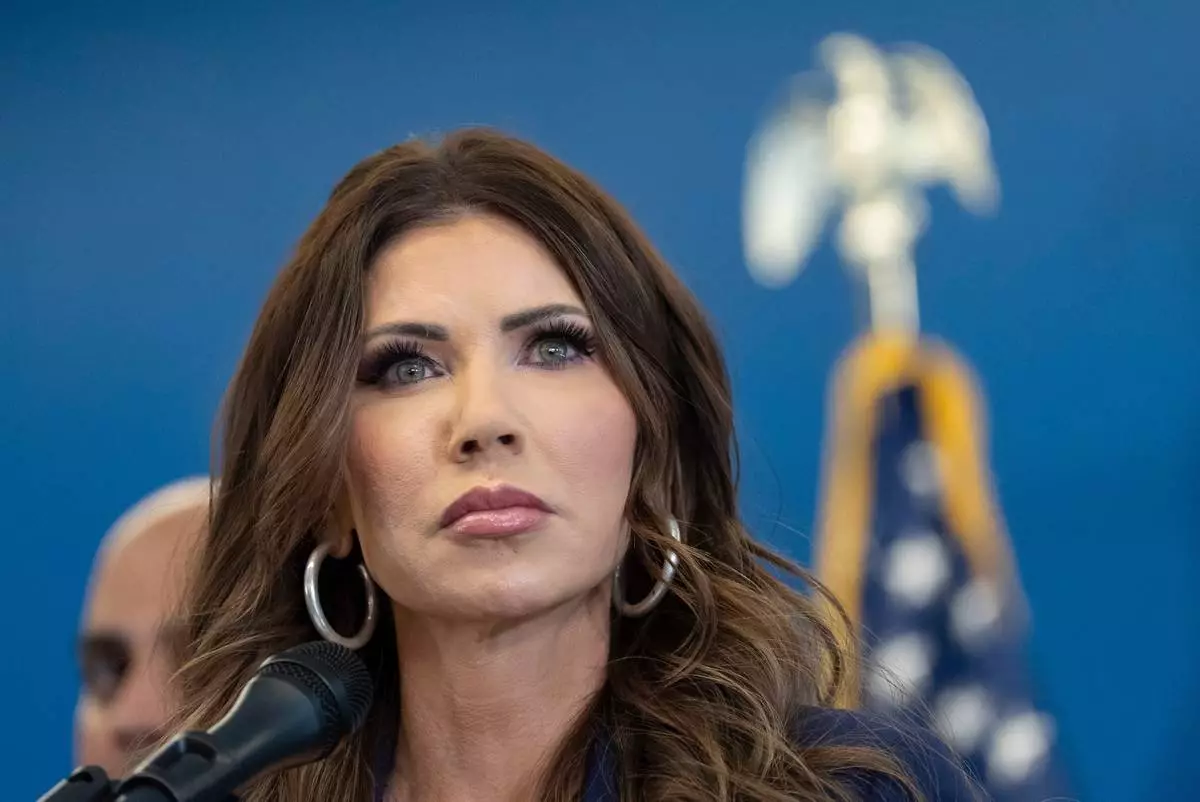
U.S. Homeland Security Secretary Kristi Noem speaks during a press conference, Thursday, Jan. 8, 2026, in New York. (AP Photo/Yuki Iwamura)

U.S. Homeland Security Secretary Kristi Noem speaks during a press conference, Thursday, Jan. 8, 2026, in New York. (AP Photo/Yuki Iwamura)

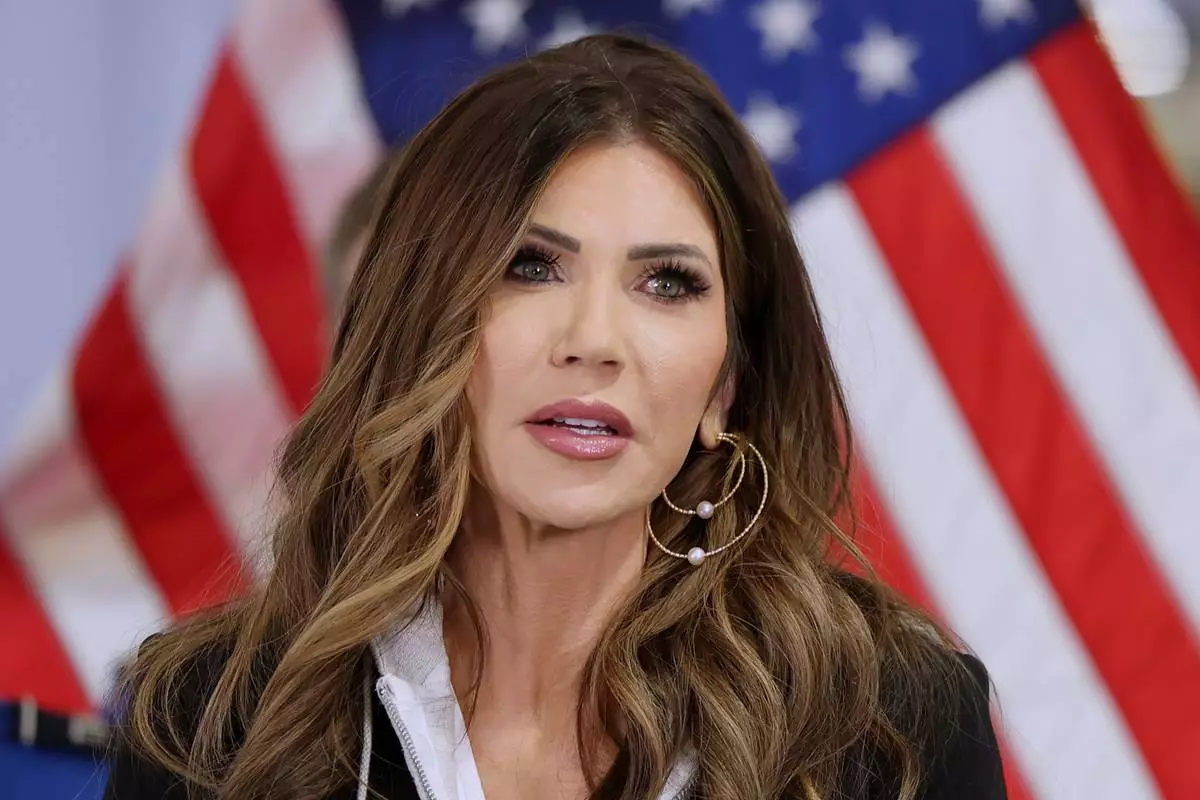
U.S. Homeland Security Secretary Kristi Noem speaks at a news conference at Harry Reid International Airport, Nov. 22, 2025, in Las Vegas. (AP Photo/Ronda Churchill, File)

U.S. Homeland Security Secretary Kristi Noem speaks at a news conference at Harry Reid International Airport, Nov. 22, 2025, in Las Vegas. (AP Photo/Ronda Churchill, File)

Recommended Articles