A group of researchers in Hangzhou, a major AI hub in east China's Zhejiang Province, have developed a set of AI-powered traditional Chinese medicine (TCM) diagnostic equipment that offers more objective results, facilitating TCM exchanges among Shanghai Cooperation Organization (SCO) member states and expanding its global influence by overcoming language and cultural barriers.
In TCM, "to see, to hear, to ask, and to feel" are the four diagnostic methods carried out by doctors. But the AI-powered diagnostic equipment, jointly developed by Zhejiang Shuren University and the local AI company Congbao Technology, can perform these methods as well.
Taking between three to four minutes to complete the test, this equipment provides a more objective analysis, though not matching the speed of a human doctor. Furthermore, it can offer diagnostic suggestions and efficiently store data.
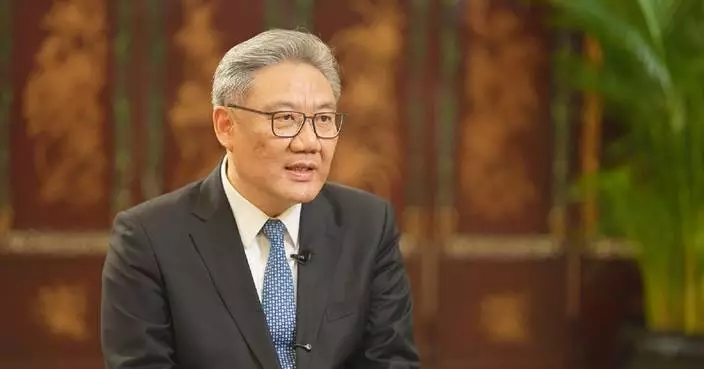
"The hardware can accomplish 'see, hear, ask and feel' and store massive data for analysis. They not only assist doctors in making diagnoses, but also help people in self-prevention," said Chen Chaoxiang, executive vice president of the Institute of AI for TCM at Zhejiang Shuren University.
The AI-powered equipment is now accelerating the global reach of TCM. In a recent international collaboration program, Zhejiang Shuren University has partnered with scholars in Belarus to introduce the equipment to the country this year.
"Now we have different departments of TCM in national hospitals in Minsk and other cities, and people started to use it more and more. So, information about it is growing and people start to use it more," said Sergey Ablameyko, former president of Belarussian State University.
Furthermore, TCM continues to gain popularity worldwide. The SCO has actively promoted TCM exchanges among its member states over the years. A notable example is the operation of the TCM center in Uzbekistan, which has provided treatment to 15,000 patients and trained more than 500 medical professionals. With the integration of AI, TCM is poised to expand its global influence even further.
"Personalize is difference in different countries. But how to solve this problem? So, AI is a good solution. That's so difficult to let like Belarus people to understand what is the TCM, but it's easier to understand the AI," said Gu Gaosheng, CEO of Congbao Technology.
The AI-powered diagnostic equipment is also set to be introduced to Russia and Central Asian markets.
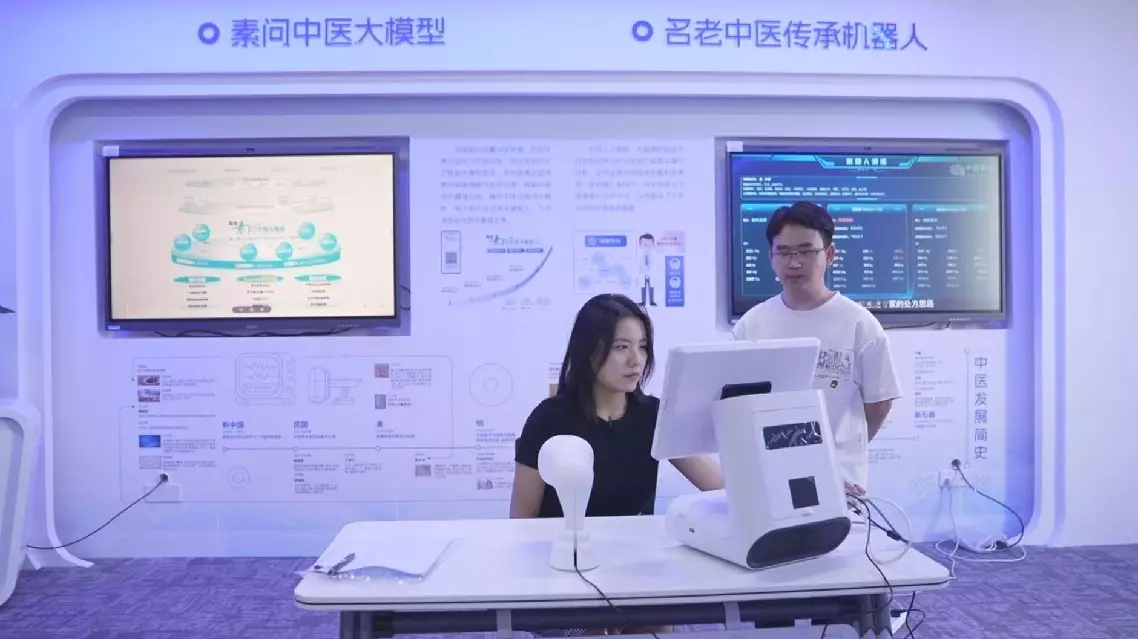
AI helps traditional Chinese medicine expand to other SCO member states