Skip to Content Facebook Feature Image

Mexico's first elected Supreme Court faces critical test of independence

News

Mexico's first elected Supreme Court faces critical test of independence
News

News

Mexico's first elected Supreme Court faces critical test of independence

2025-08-31 22:00 Last Updated At:22:10

MEXICO CITY (AP) — Mexico’s first elected Supreme Court will be seated Monday and observers will be watching closely to see whether it will assert its independence from the governing party that held the country’s first judicial elections.

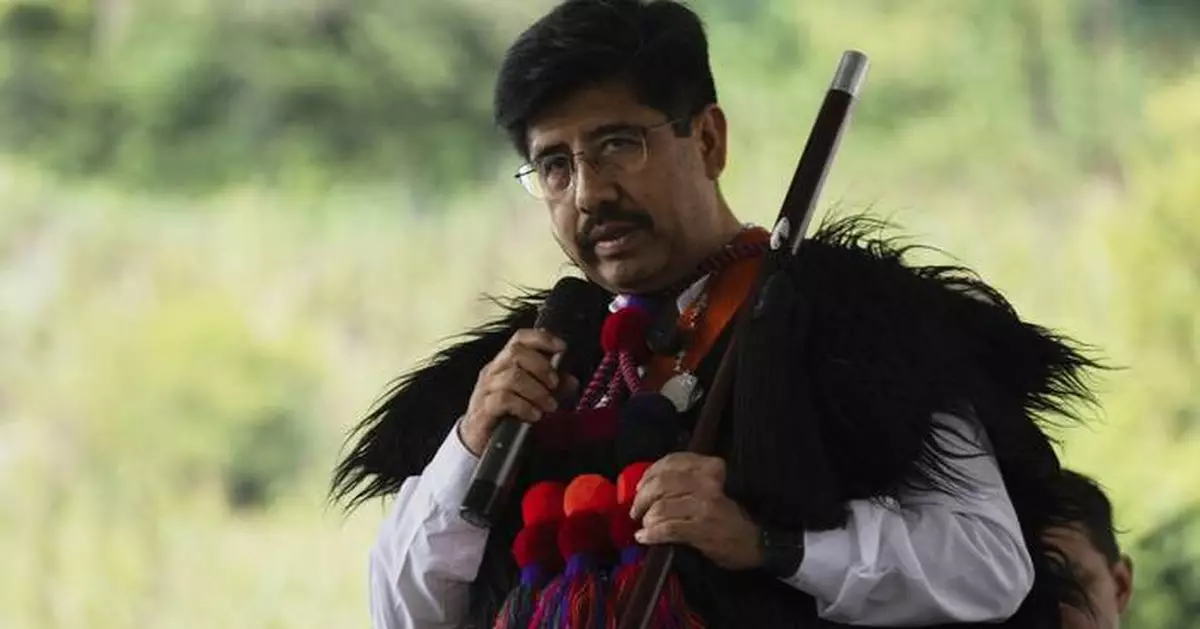
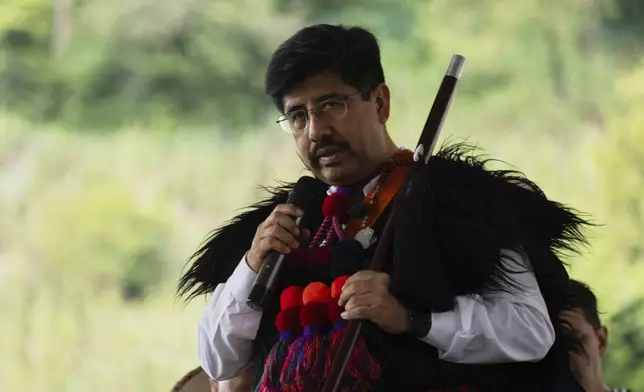
Just three of its nine justices have any experience on the high court, the rest are new, including the court’s president Hugo Aguilar, a lawyer who spent his career defending Indigenous rights.

More Images
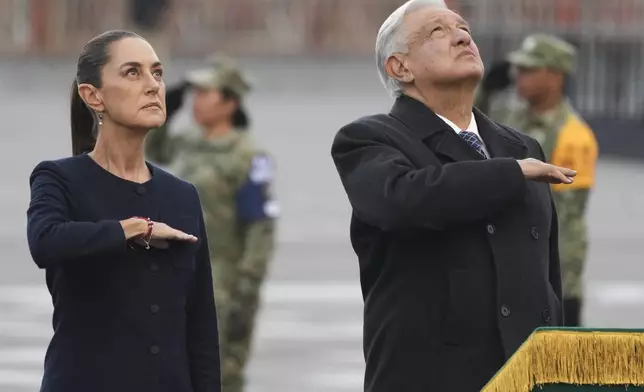
FILE - Mexico's President-elect Claudia Sheinbaum and outgoing President Andres Manuel Lopez Obrador attend an anniversary event at the Zocalo in Mexico City, Sept. 19, 2024. (AP Photo/Fernando Llano, File)
FILE - Mexico's President-elect Claudia Sheinbaum and outgoing President Andres Manuel Lopez Obrador attend an anniversary event at the Zocalo in Mexico City, Sept. 19, 2024. (AP Photo/Fernando Llano, File)

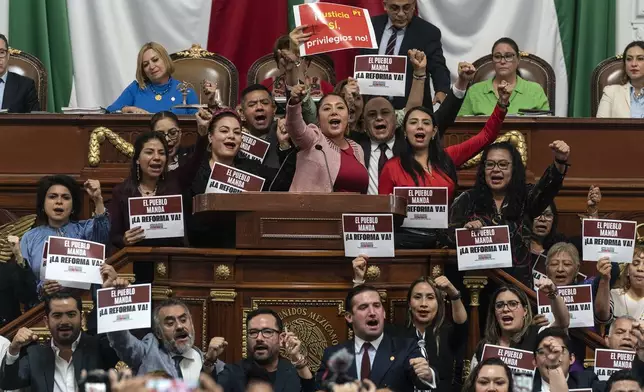
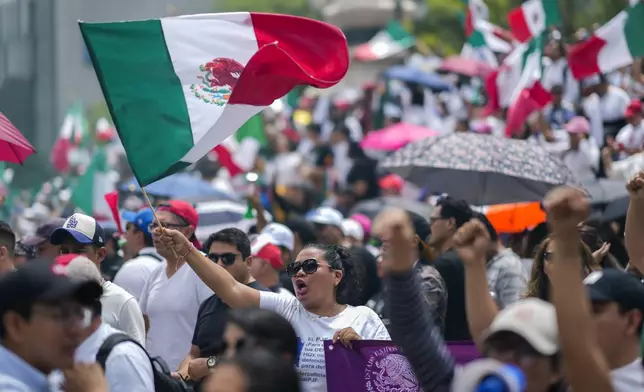
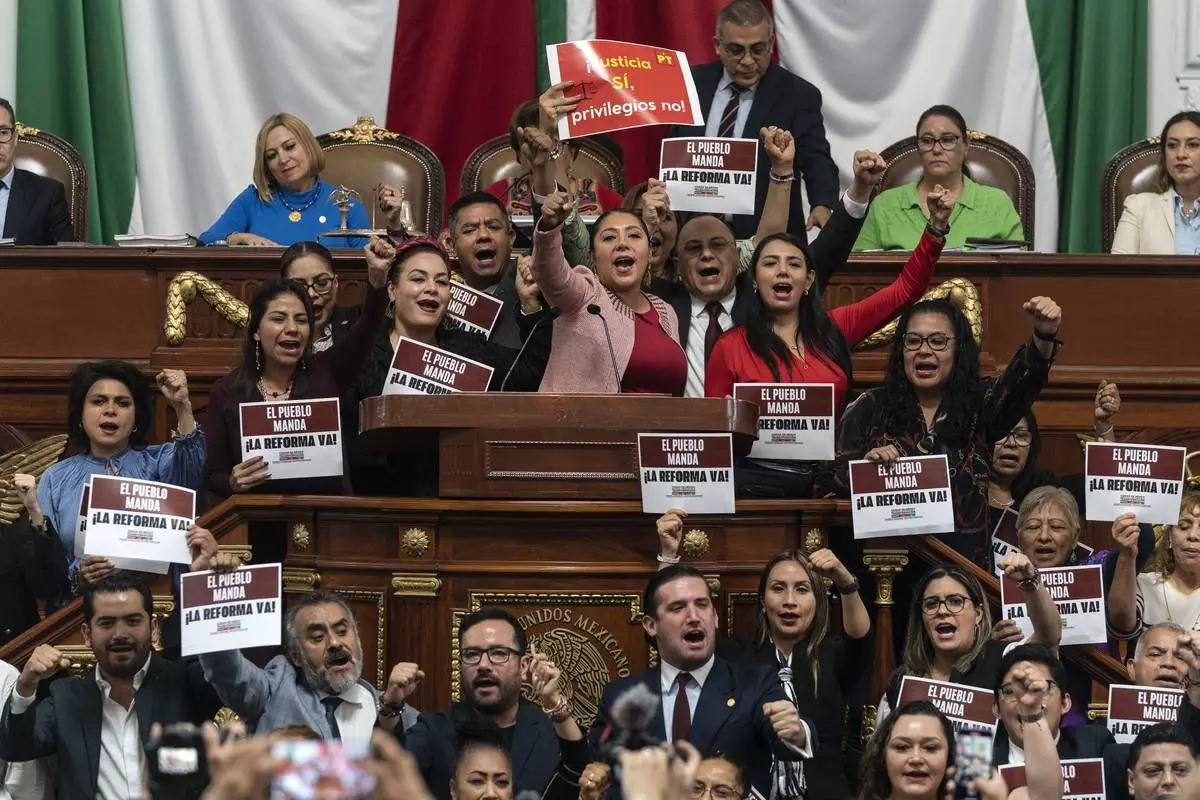
FILE - Legislators rally in favor of judicial reform at Congress in Mexico City, Sept. 12, 2024. (AP Photo/Felix Marquez, File)
FILE - Legislators rally in favor of judicial reform at Congress in Mexico City, Sept. 12, 2024. (AP Photo/Felix Marquez, File)

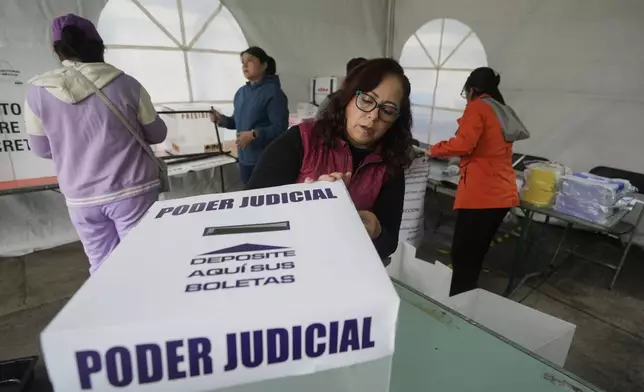
FILE - Electoral officials set up a polling station for the country's first judicial elections in Mexico City, June 1, 2025. (AP Photo/Fernando Llano, File)
FILE - Electoral officials set up a polling station for the country's first judicial elections in Mexico City, June 1, 2025. (AP Photo/Fernando Llano, File)

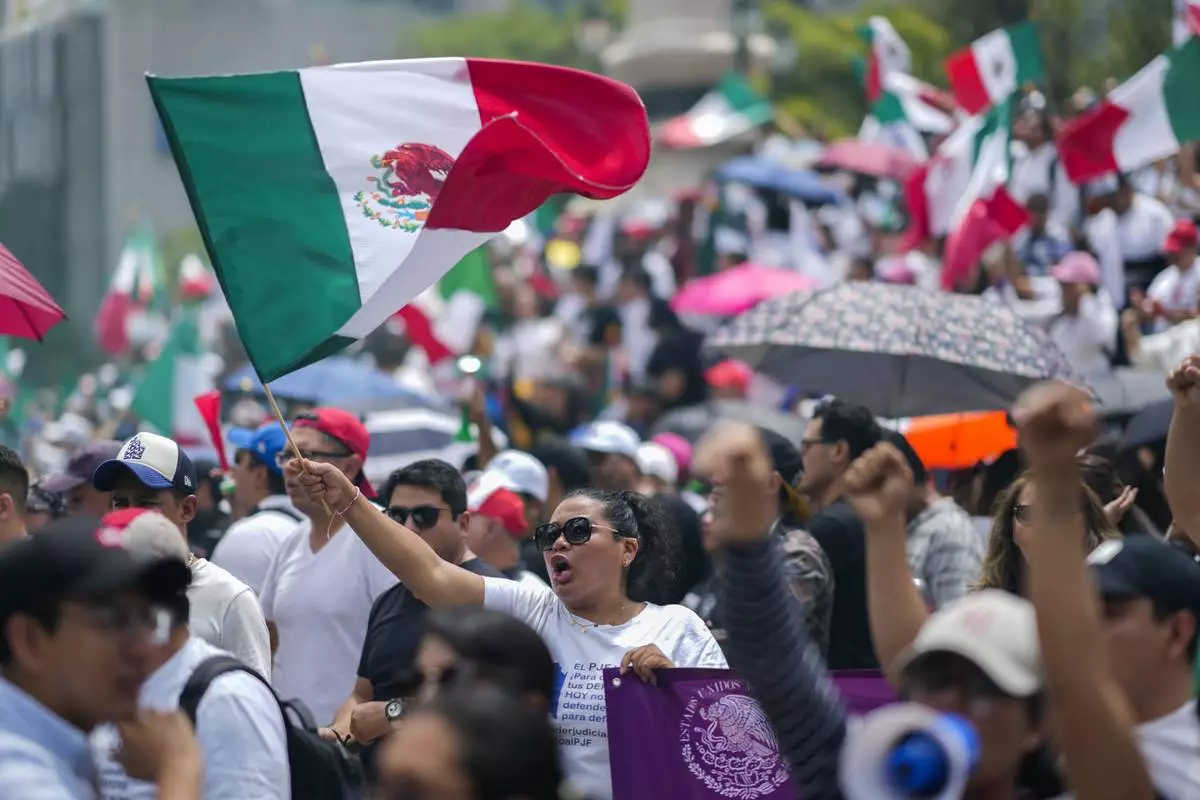
FILE - Judicial workers protest the government's judicial reform, which was approved in the Senate and would make judges stand for election, in Mexico City, Sept. 11, 2024. (AP Photo/Eduardo Verdugo, File)
FILE - Judicial workers protest the government's judicial reform, which was approved in the Senate and would make judges stand for election, in Mexico City, Sept. 11, 2024. (AP Photo/Eduardo Verdugo, File)

FILE - Hugo Aguilar, president of Mexico's first elected Supreme Court, speaks during a ceremony in Tenejapa, Mexico, July 30, 2025. (AP Photo/Isabel Mateos, File)

FILE - Hugo Aguilar, president of Mexico's first elected Supreme Court, speaks during a ceremony in Tenejapa, Mexico, July 30, 2025. (AP Photo/Isabel Mateos, File)

The idea of judicial elections came from Mexico’s former President Andrés Manuel López Obrador, who frequently clashed with judges who challenged his agenda. He said judges elected by the people would be more accountable and less corrupt. Critics said electing judges risked politicizing the judiciary.

The election was supposed to be nonpartisan, but there were instances of voting pamphlets being distributed that identified candidates linked to the governing party. Many voters were simply overwhelmed by the 7,700 candidates vying for more than 2,600 judicial positions.

The Supreme Court, however, will receive special attention. It had been a counterweight at times to the popular López Obrador, whose Morena party also now holds majorities in both chambers of Congress.

“If the court wants to ensure its independence, it cannot rule in a partisan manner simply to support the government’s position,” said Juanita Goebertus, Americas director for Human Rights Watch. “It must base its positions on law.”

The court has nearly 1,400 pending cases. Here are some that stand out:

It’s an issue that has brought broad international criticism to Mexico. López Obrador expanded the crimes for which someone is automatically jailed pending trial, including for some nonviolent crimes. The policy appears to violate international treaties which Mexico has signed.

The U.N. High Commissioner for Human Rights Office and the Inter-American Court on Human Rights are among the bodies that have called for Mexico to repeal the policy.

The Mexican government says that it is a necessary tool to take on criminal activity and to protect judges.

But in a country where cases can drag on for years without a trial reaching a conclusion and only one in five of those charged are convicted, critics say the policy violates their rights. Four of every 10 people in Mexican prisons had not been convicted in 2023, according to the Federal and State Penitentiary Systems census.

The previous court declined to take it up in its final days.

While the previous court made historic rulings in 2021 and 2023 to expand access to abortion, the new court will likely have to weigh in on challenges to states that still have abortion on the books as a crime in their penal codes.

The court’s 2023 ruling invalidated all federal criminal penalties, saying they were an unconstitutional violation of women’s human rights. However, under Mexico’s legal system, the ruling did not apply to state statutes, which must be changed state by state.

Ana Cárdenas, director of justice projects in Mexico for the World Justice Project, said that uncertainty will prevail about whether the new court will preserve the same line of legal reasoning of recent years on the issue until the justices take up the cases.

Previous courts have handed down decisions expanding transgender rights, for example by ruling that civil registry offices must allow transgender people to change the gender on their birth certificate through an administrative procedure without going before a judge.

The court extended that right to children in 2022. But according to Human Rights Watch, only seven of Mexico’s 32 states allow children to modify their identity documents to reflect their self-perceived gender identity.

In 2023, Mexico’s governing party rammed changes to laws governing the mining sector through Congress with little to no debate.

The changes included reducing the maximum length of concessions from 50 to 30 years, and punishing speculation by allowing authorities to cancel concessions if no work is done on them within two years.

The mining industry, much of it foreign, has drawn complaints because of ecological damage, speculation and the fact that communities around the mines remain among the poorest in Mexico.

Challenges to those changes await the new court.

Follow AP’s coverage of Latin America and the Caribbean at https://apnews.com/hub/latin-america
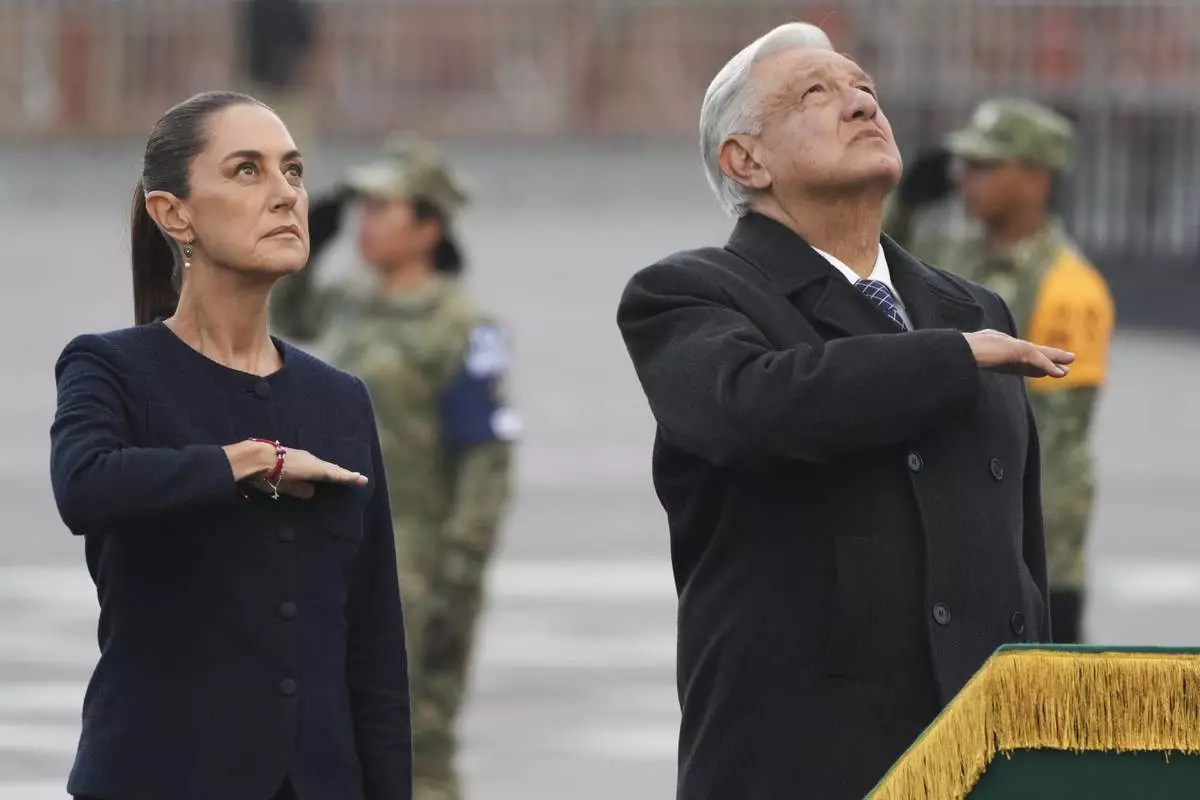
FILE - Mexico's President-elect Claudia Sheinbaum and outgoing President Andres Manuel Lopez Obrador attend an anniversary event at the Zocalo in Mexico City, Sept. 19, 2024. (AP Photo/Fernando Llano, File)
FILE - Mexico's President-elect Claudia Sheinbaum and outgoing President Andres Manuel Lopez Obrador attend an anniversary event at the Zocalo in Mexico City, Sept. 19, 2024. (AP Photo/Fernando Llano, File)

FILE - Legislators rally in favor of judicial reform at Congress in Mexico City, Sept. 12, 2024. (AP Photo/Felix Marquez, File)

FILE - Legislators rally in favor of judicial reform at Congress in Mexico City, Sept. 12, 2024. (AP Photo/Felix Marquez, File)

FILE - Electoral officials set up a polling station for the country's first judicial elections in Mexico City, June 1, 2025. (AP Photo/Fernando Llano, File)
FILE - Electoral officials set up a polling station for the country's first judicial elections in Mexico City, June 1, 2025. (AP Photo/Fernando Llano, File)

FILE - Judicial workers protest the government's judicial reform, which was approved in the Senate and would make judges stand for election, in Mexico City, Sept. 11, 2024. (AP Photo/Eduardo Verdugo, File)

FILE - Judicial workers protest the government's judicial reform, which was approved in the Senate and would make judges stand for election, in Mexico City, Sept. 11, 2024. (AP Photo/Eduardo Verdugo, File)

FILE - Hugo Aguilar, president of Mexico's first elected Supreme Court, speaks during a ceremony in Tenejapa, Mexico, July 30, 2025. (AP Photo/Isabel Mateos, File)
FILE - Hugo Aguilar, president of Mexico's first elected Supreme Court, speaks during a ceremony in Tenejapa, Mexico, July 30, 2025. (AP Photo/Isabel Mateos, File)
CARACAS, Venezuela (AP) — Venezuela’s acting President Delcy Rodríguez on Thursday asked lawmakers to approve reforms to the oil industry that would open the doors to greater foreign investment during her first state of the union speech less than two weeks after its longtime leader was toppled by the United States.

Rodríguez, who has been under pressure by the Trump administration to fall in line with its vision for the oil-rich nation, said sales of Venezuelan oil would go to bolster crisis-stricken health services, economic development and other infrastructure projects.

She outlined a distinct vision for the future, straying from her predecessors, who have long railed against American intervention in Venezeula. “Let us not be afraid of diplomacy” with the U.S., said Rodriguez, the former vice president who must now navigate competing pressures from the Trump administration and a government loyal to former President Nicolás Maduro.

The speech, which was broadcast on a delay in Venezuela, came one day after Rodríguez said her government would continue releasing prisoners detained under Maduro in what she described as “a new political moment” since his ouster.

On Thursday, Trump met at the White House with Venezuelan opposition leader María Corina Machado, whose political party is widely considered to have won 2024 elections rejected by Maduro. But in endorsing Rodríguez, who served as Maduro’s vice president since 2018, Trump has sidelined Machado.

Rodríguez, who had a call with Trump earlier this week, said Wednesday evening on state television that her government would use “every dollar” earned from oil sales to overhaul the nation’s public health care system. Hospitals and other health care facilities across the country have long been crumbling, and patients are asked to provide practically all supplies needed for their care, from syringes to surgical screws.

The acting president must walk a tightrope, balancing pressures from both Washington and top Venezuelan officials who hold sway over Venezuela's security forces and strongly oppose the U.S. Her recent public speeches reflect those tensions — vacillating from conciliatory calls for cooperation with the U.S., to defiant rants echoing the anti-imperialist rhetoric of her toppled predecessor.

American authorities have long railed against a government they describe as a “dictatorship,” while Venezuela’s government has built a powerful populist ethos sharply opposed to U.S. meddling in its affairs.

For the foreseeable future, Rodríguez's government has been effectively relieved of having to hold elections. That's because when Venezuela’s high court granted Rodríguez presidential powers on an acting basis, it cited a provision of the constitution that allows the vice president to take over for a renewable period of 90 days.

Trump enlisted Rodríguez to help secure U.S. control over Venezuela’s oil sales despite sanctioning her for human rights violations during his first term. To ensure she does his bidding, Trump threatened Rodríguez earlier this month with a “situation probably worse than Maduro.”

Maduro, who is being held in a Brooklyn jail, has pleaded not guilty to drug-trafficking charges.

Before Rodríguez’s speech on Thursday, a group of government supporters was allowed into the presidential palace, where they chanted for Maduro, who the government insists remains the country’s president. “Maduro, resist, the people are rising,” they shouted.

Follow AP’s coverage of Latin America and the Caribbean at https://apnews.com/hub/latin-america

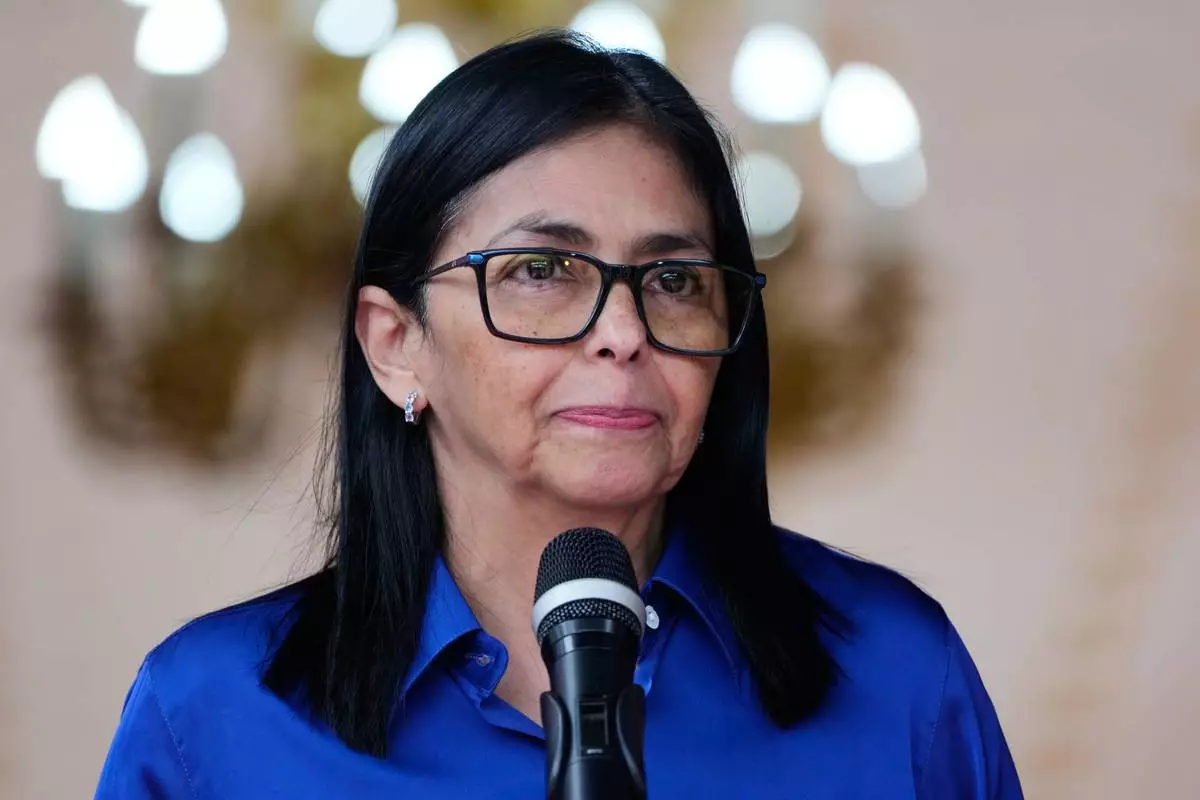
Venezuela's acting President Delcy Rodriguez makes a statement to the press at Miraflores presidential palace in Caracas, Venezuela, Wednesday, Jan. 14, 2026. (AP Photo/Ariana Cubillos)

Venezuela's acting President Delcy Rodriguez makes a statement to the press at Miraflores presidential palace in Caracas, Venezuela, Wednesday, Jan. 14, 2026. (AP Photo/Ariana Cubillos)

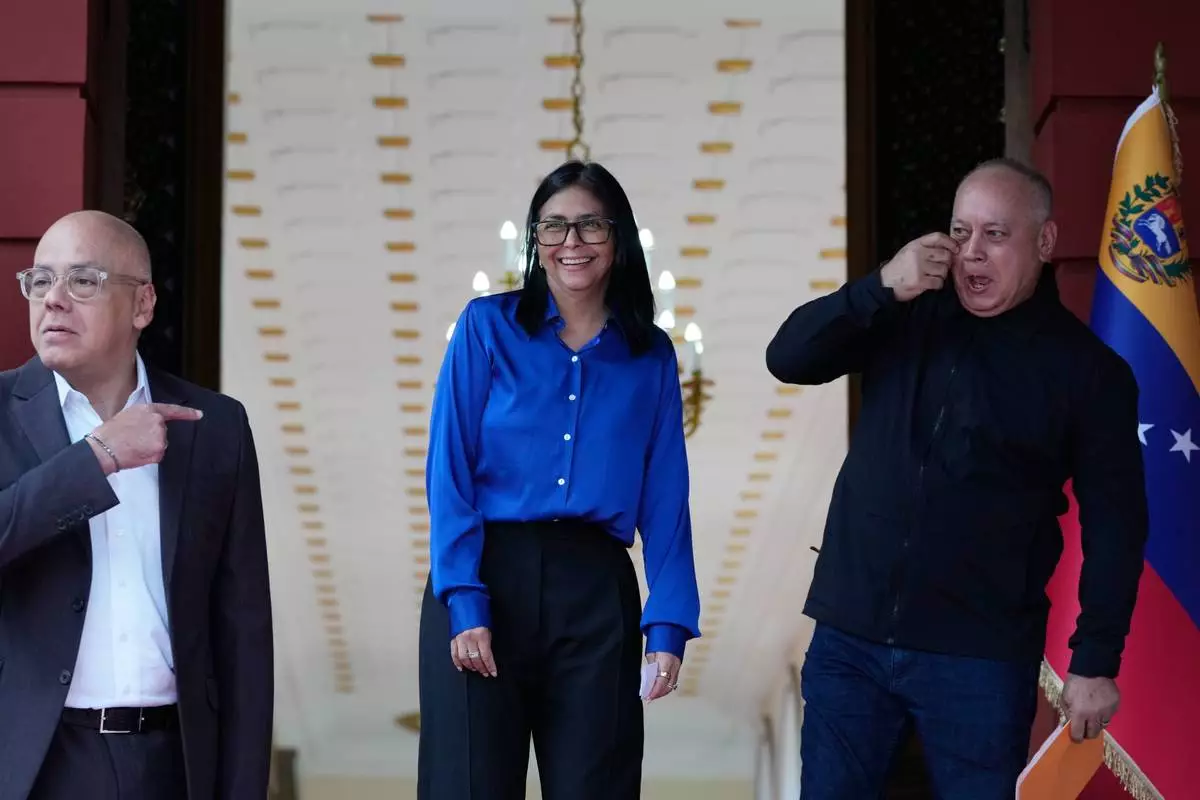
Venezuela's acting President Delcy Rodriguez, center, smiles flanked by Interior Minister Diosdado Cabello, right, and National Assembly President Jorge Rodriguez after making a statement to the press at Miraflores presidential palace in Caracas, Venezuela, Wednesday, Jan. 14, 2026. (AP Photo/Ariana Cubillos)

Venezuela's acting President Delcy Rodriguez, center, smiles flanked by Interior Minister Diosdado Cabello, right, and National Assembly President Jorge Rodriguez after making a statement to the press at Miraflores presidential palace in Caracas, Venezuela, Wednesday, Jan. 14, 2026. (AP Photo/Ariana Cubillos)

Recommended Articles