NEW YORK (AP) — Naomi Osaka smiled before her U.S. Open showdown against Coco Gauff began Monday — and after it ended. Between points, Osaka patted her left thigh and quietly told herself, almost in a whisper: “Come on. Come on.”
Once the ball was in play, Osaka's strokes were loud and on-target, producing the sort of confident, consistent and power-swinging tennis that carried her to four Grand Slam titles and the No. 1 ranking.
Click to Gallery

Karolina Muchova, of the Czech Republic, returns a shot against Marta Kostyuk, of the Ukraine, during the fourth round of the US Open tennis championships, Monday, Sept. 1, 2025, in New York. (AP Photo/Heather Khalifa)
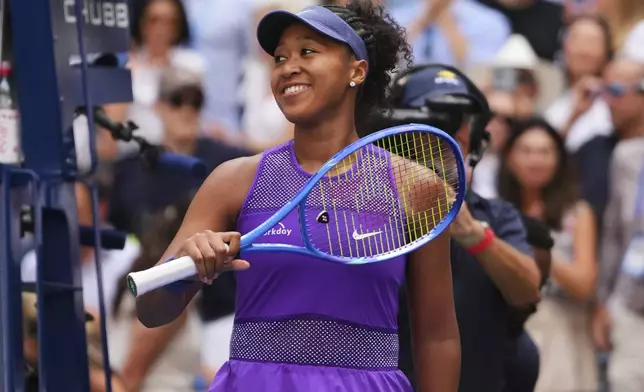
Naomi Osaka, of Japan, celebrates after winning a match against Coco Gauff, of the United States, during the fourth round of the US Open tennis championships, Monday, Sept. 1, 2025, in New York. (AP Photo/Kirsty Wigglesworth)
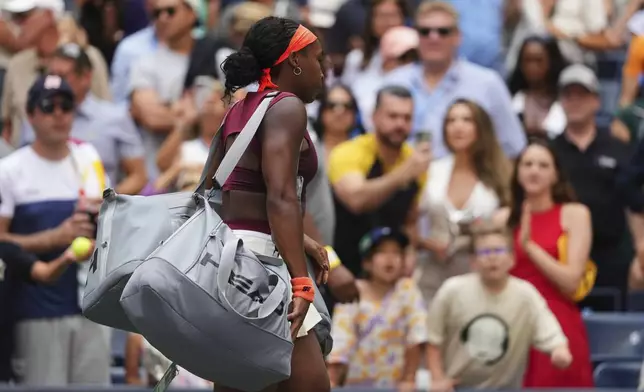
Coco Gauff, of the United States, leaves the court after losing a match against Naomi Osaka, of Japan, during the fourth round of the US Open tennis championships, Monday, Sept. 1, 2025, in New York. (AP Photo/Kirsty Wigglesworth)
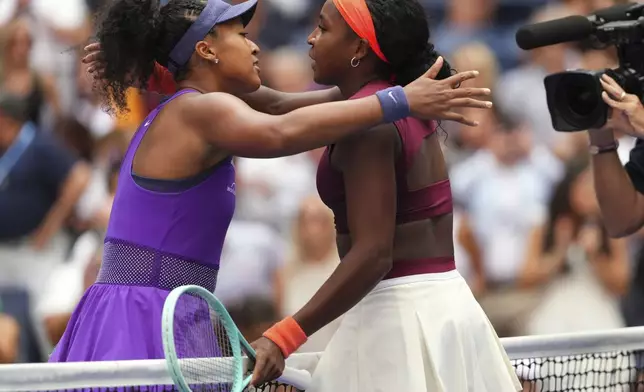
Naomi Osaka, left, of Japan, greets Coco Gauff, of the United States, after their match in the fourth round of the US Open tennis championships, Monday, Sept. 1, 2025, in New York. (AP Photo/Kirsty Wigglesworth)
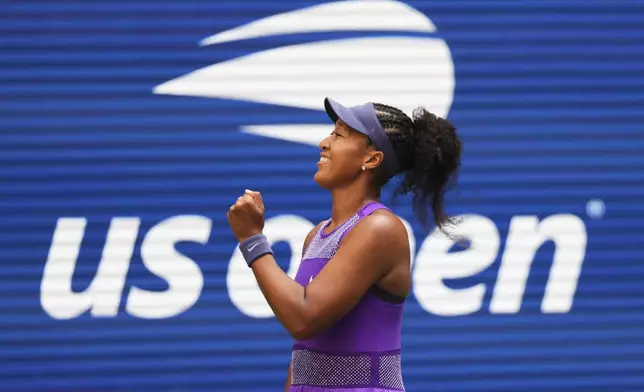
Naomi Osaka, of Japan, celebrates after winning a match against Coco Gauff, of the United States, during the fourth round of the US Open tennis championships, Monday, Sept. 1, 2025, in New York. (AP Photo/Kirsty Wigglesworth)
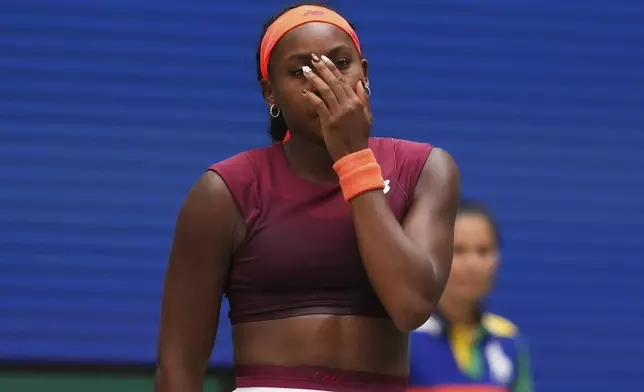
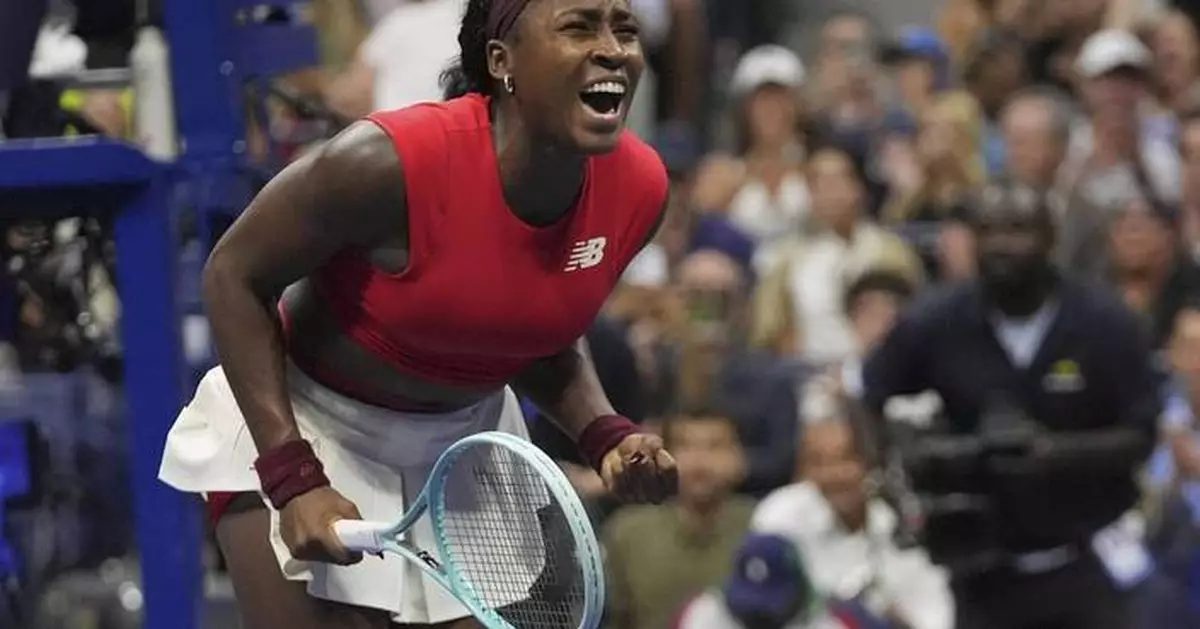
Coco Gauff, of the United States, reacts during a match against Naomi Osaka, of Japan, in the fourth round of the US Open tennis championships, Monday, Sept. 1, 2025, in New York. (AP Photo/Kirsty Wigglesworth)
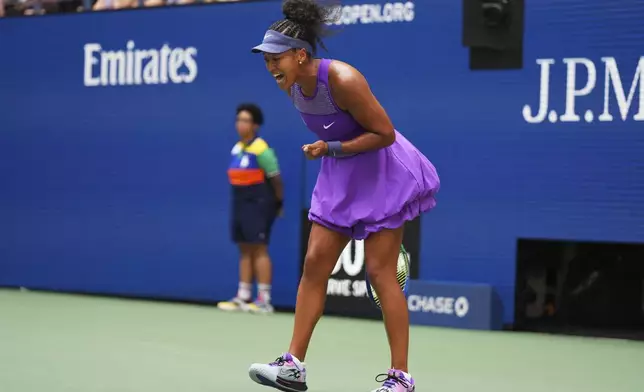
Naomi Osaka, of Japan, reacts during a match against Coco Gauff, of the United States, in the fourth round of the US Open tennis championships, Monday, Sept. 1, 2025, in New York. (AP Photo/Kirsty Wigglesworth)
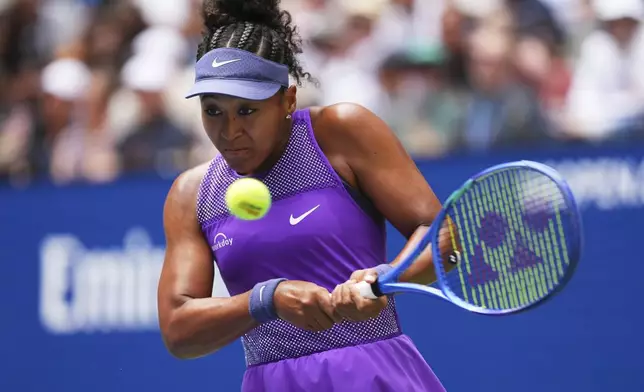
Naomi Osaka, of Japan, returns a shot against Coco Gauff, of the United States, during the fourth round of the US Open tennis championships, Monday, Sept. 1, 2025, in New York. (AP Photo/Kirsty Wigglesworth)
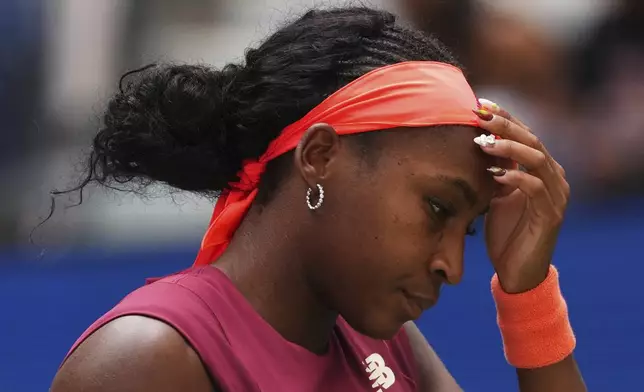
Coco Gauff, of the United States, reacts during a match against Naomi Osaka, of Japan, during the fourth round of the US Open tennis championships, Monday, Sept. 1, 2025, in New York. (AP Photo/Kirsty Wigglesworth)
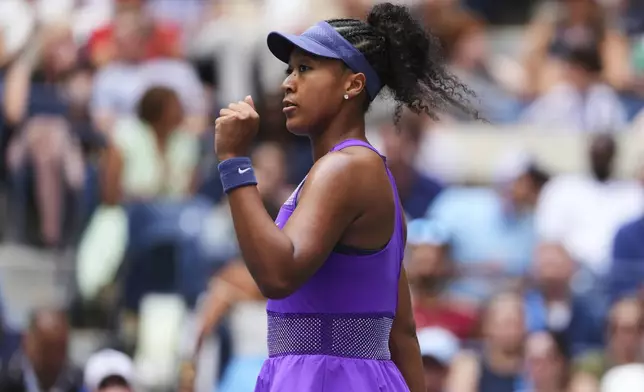
Naomi Osaka, of Japan, reacts during her match against Coco Gauff, of the United States, in the fourth round of the US Open tennis championships, Monday, Sept. 1, 2025, in New York. (AP Photo/Kirsty Wigglesworth)
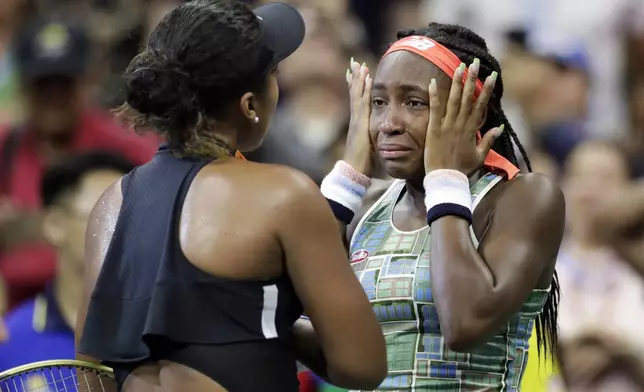
FILE - Coco Gauff wipes away tears while talking to Naomi Osaka, of Japan, after Osaka defeated Gauff during the third round of the U.S. Open tennis tournament Saturday, Aug. 31, 2019, in New York. (AP Photo/Adam Hunger, File)
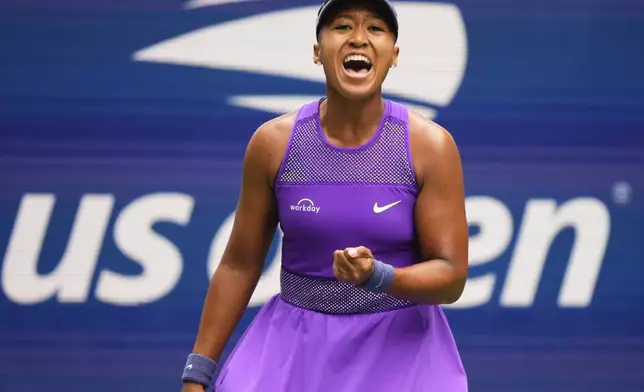
Naomi Osaka, of Japan, reacts after scoring a point against Hailey Baptiste, of the United States, during the second round of the U.S. Open tennis championships, Thursday, Aug. 28, 2025, in New York. (AP Photo/Yuki Iwamura)
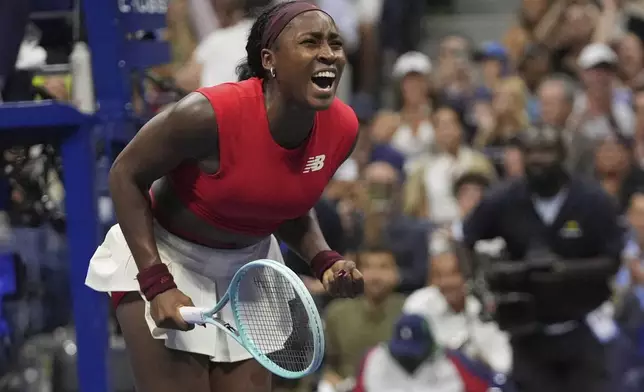
Coco Gauff, of the United States, reacts to defeating Donna Vekic, of Croatia, during the second round of the U.S. Open tennis championships, Thursday, Aug. 28, 2025, in New York. (AP Photo/Frank Franklin II)
In the biggest statement yet that she is back at the height of her game, and again a serious contender for the sport's highest honors, Osaka eliminated Gauff 6-3, 6-2 in Arthur Ashe Stadium to reach her first major quarterfinal in more than 4 1/2 years.
“This is kind of unchartered territory at this point of my career,” said Osaka, a 27-year-old who was born in Japan and moved to the U.S. with her family at age 3. “I’m just enjoying it. I’m having fun. I’m being able to play against the best players in the world.”
The No. 23-seeded Osaka was better throughout than No. 3 Gauff, whose repeated mistakes during a tournament that's been a near-constant struggle for her really made the difference. And Gauff's body language was quite a contrast to Osaka's. Gauff repeatedly would put her palms up or cover her face with a hand or gesture toward her team in the stands, looking confused or upset.
Still, Gauff vowed afterward: “I am not going to let this crush me.”
On Wednesday, Osaka will face No. 11 Karolina Muchova of the Czech Republic for a berth in the semifinals. Muchova, the 2023 French Open runner-up and a semifinalist in New York the past two years, advanced with a 6-3, 6-7 (0), 6-3 victory No. 27 Marta Kostyuk of Ukraine.
It was Muchova who got past 45-year-old Venus Williams in three sets in the first round of this U.S. Open. Muchova also beat Osaka in the second round at Flushing Meadows in 2024.
Against Gauff, Osaka displayed the demeanor — and, importantly, the booming serve and other strokes — that carried her to hard-court Slam championships at the U.S. Open in 2018 and 2020, and at the Australian Open in 2019 and 2021.
It was at the French Open later in 2021 that Osaka helped spark a global conversation about mental health by revealing she felt anxiety and depression. She then took a series of breaks from the tour.
That most recent trophy at Melbourne Park was the last time Osaka had even made it as far as the fourth round at any major until this match against Gauff, a 21-year-old from Florida who owns two major trophies. The first came at Flushing Meadows in 2023 and the second at the French Open this June.
Osaka returned to the tour last season after a 17-month maternity leave. Her child, Shai, was born in July 2023.
“I’m a little sensitive, and I don’t want to cry, but, honestly, I just had so much fun out here," said Osaka, who first played Gauff back at the 2019 U.S. Open, also in Ashe, and won that one, too.
“I was in the stands like two months after I gave birth to my daughter, watching Coco. I just really wanted an opportunity to come out here and play,” Osaka told the crowd. "This is my favorite court in the world, and it means so much for me to be back here.”
Gauff came out jittery at the start. Her problematic serve was fine; other strokes were the problem. She finished with 33 unforced errors — way more than Osaka’s 12.
Plus, Osaka's serving and returning were terrific. She won 32 of the 38 points she served — 15 of 16 when first serves landed in — and never faced a single break point. She also converted all four break chances she earned.
“She forced me to earn every point out there today,” Gauff acknowledged.
A key: Osaka used her forehand, her best stroke, to go after Gauff’s forehand, her worst.
By the end of the first set, Gauff had made 16 unforced errors and Osaka only five. By the end of the match, 20 of Gauff’s unforced errors were off the forehand side.
“After the match, I was really disappointed. Kind of broke down to my team,” Gauff said. “Then, hearing their perspectives and everything, it definitely is a lot of positive things.”
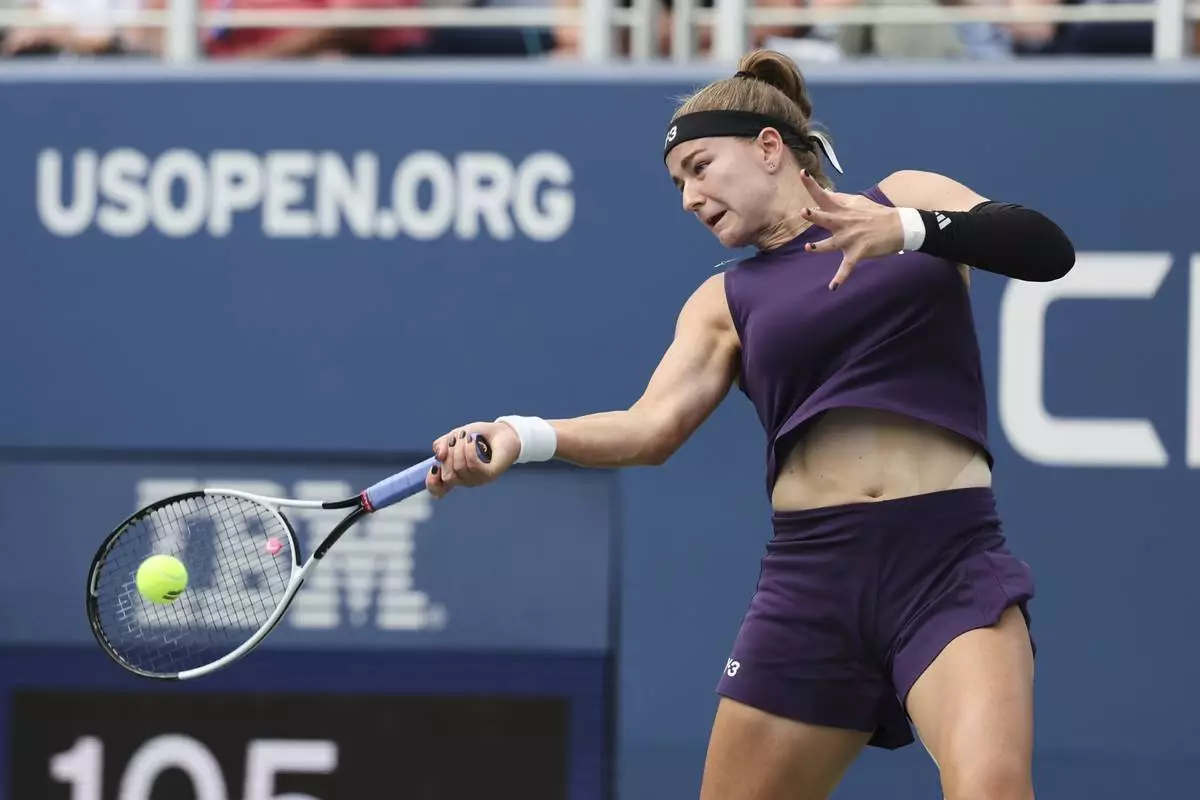
Karolina Muchova, of the Czech Republic, returns a shot against Marta Kostyuk, of the Ukraine, during the fourth round of the US Open tennis championships, Monday, Sept. 1, 2025, in New York. (AP Photo/Heather Khalifa)
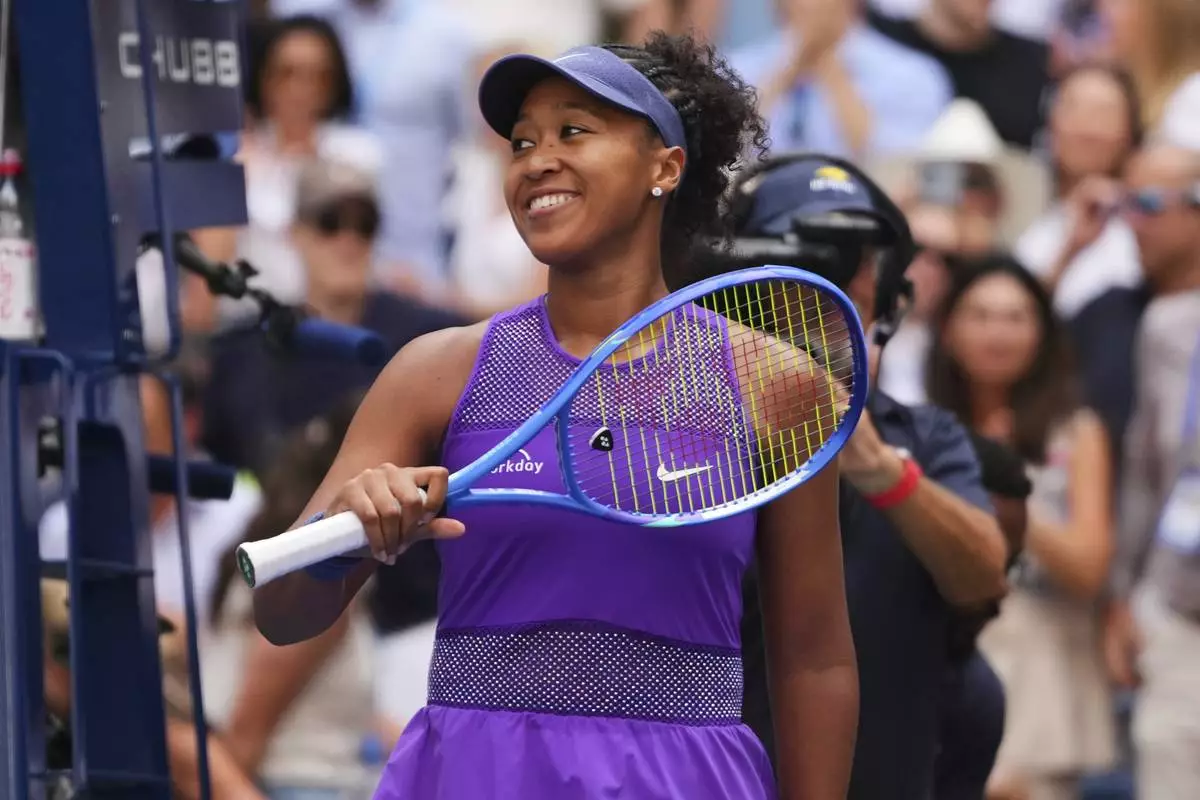
Naomi Osaka, of Japan, celebrates after winning a match against Coco Gauff, of the United States, during the fourth round of the US Open tennis championships, Monday, Sept. 1, 2025, in New York. (AP Photo/Kirsty Wigglesworth)
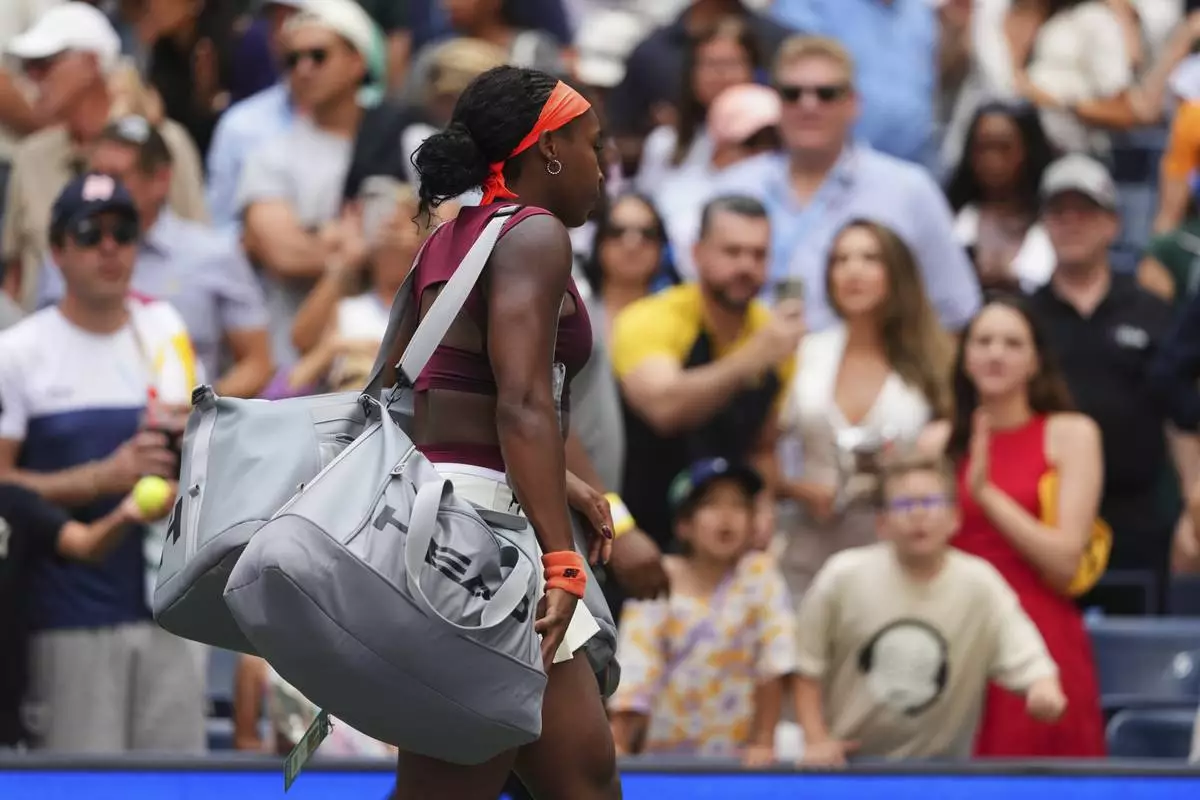
Coco Gauff, of the United States, leaves the court after losing a match against Naomi Osaka, of Japan, during the fourth round of the US Open tennis championships, Monday, Sept. 1, 2025, in New York. (AP Photo/Kirsty Wigglesworth)
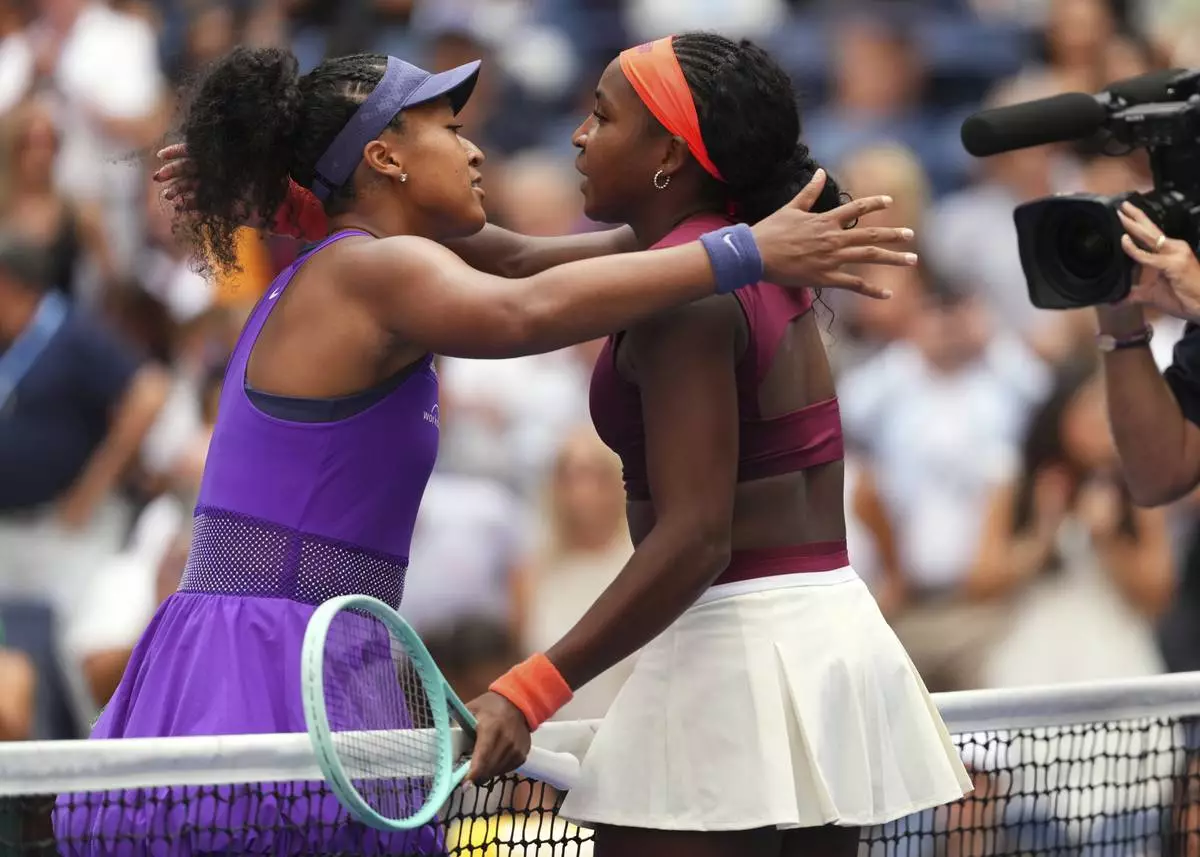
Naomi Osaka, left, of Japan, greets Coco Gauff, of the United States, after their match in the fourth round of the US Open tennis championships, Monday, Sept. 1, 2025, in New York. (AP Photo/Kirsty Wigglesworth)
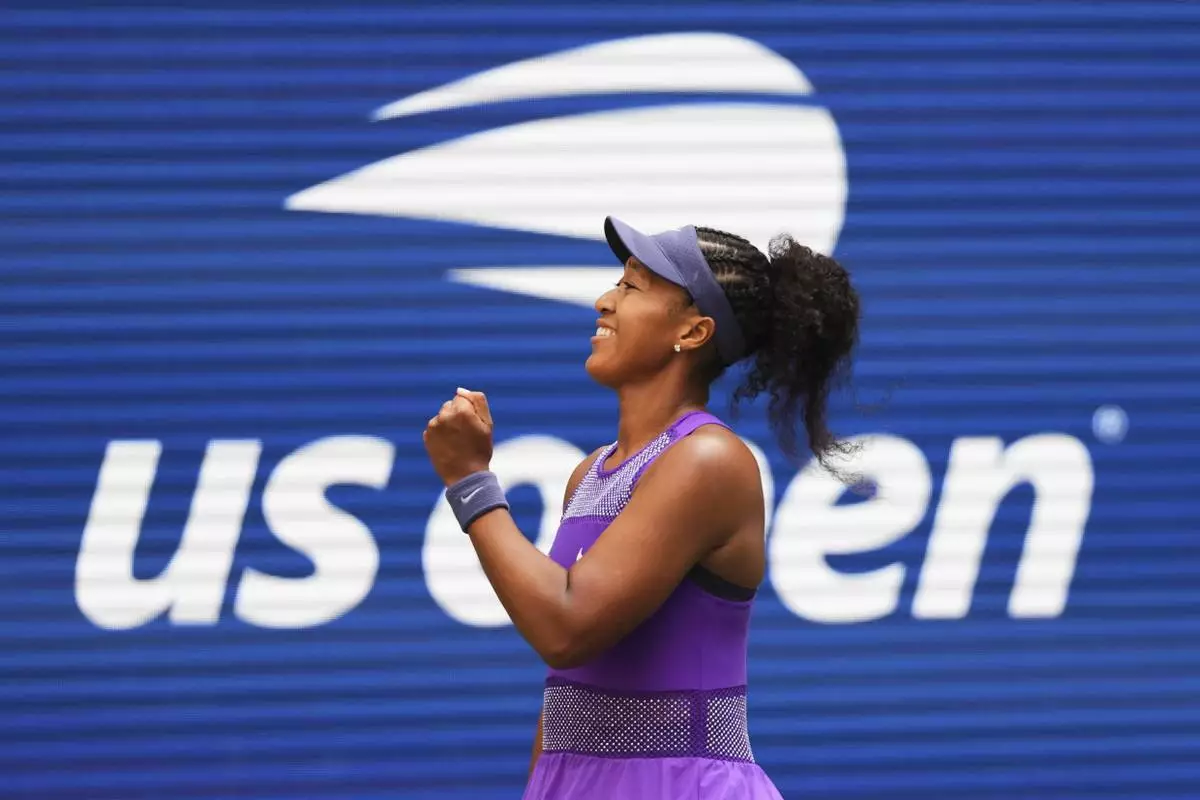
Naomi Osaka, of Japan, celebrates after winning a match against Coco Gauff, of the United States, during the fourth round of the US Open tennis championships, Monday, Sept. 1, 2025, in New York. (AP Photo/Kirsty Wigglesworth)
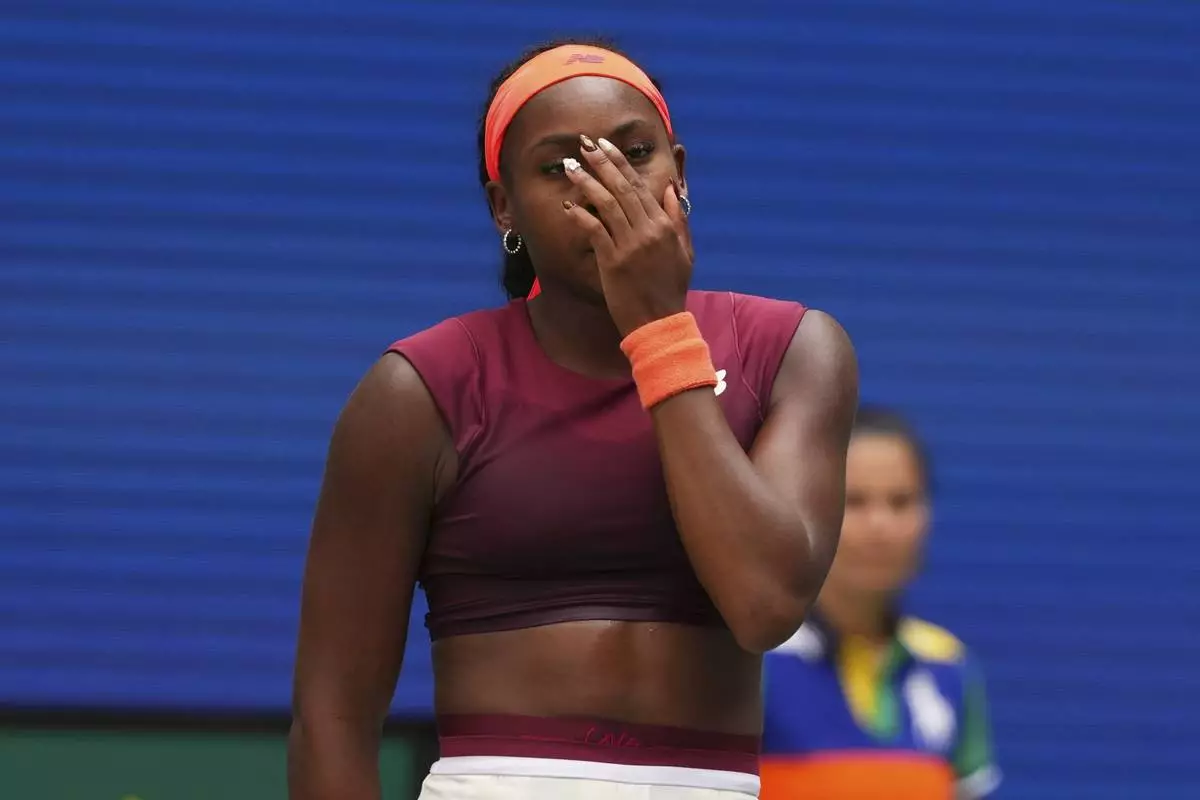
Coco Gauff, of the United States, reacts during a match against Naomi Osaka, of Japan, in the fourth round of the US Open tennis championships, Monday, Sept. 1, 2025, in New York. (AP Photo/Kirsty Wigglesworth)
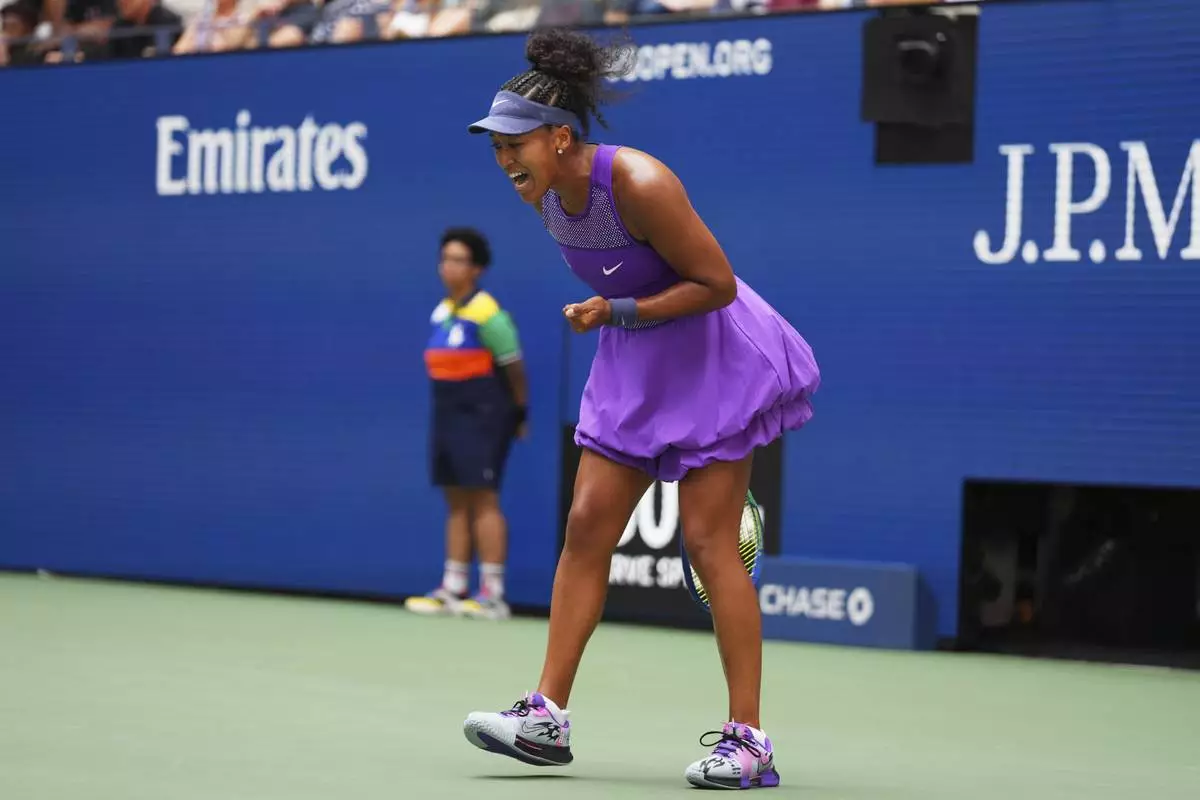
Naomi Osaka, of Japan, reacts during a match against Coco Gauff, of the United States, in the fourth round of the US Open tennis championships, Monday, Sept. 1, 2025, in New York. (AP Photo/Kirsty Wigglesworth)
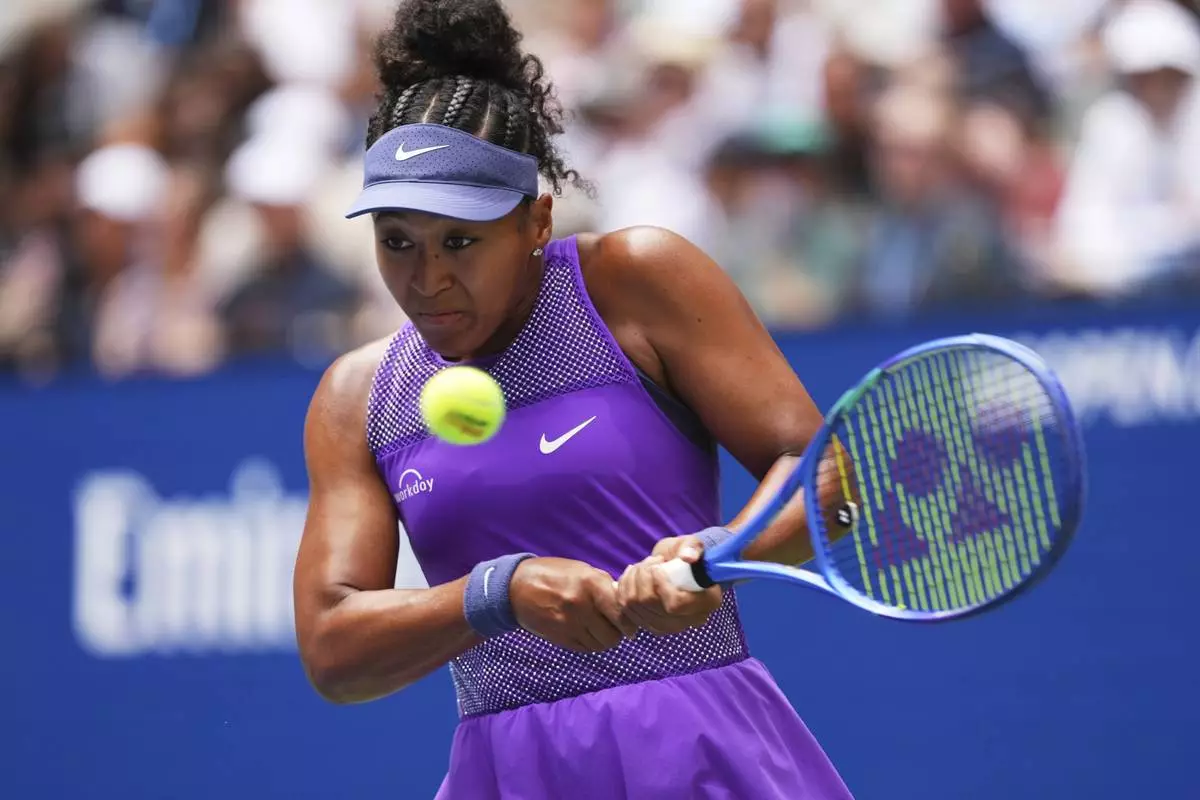
Naomi Osaka, of Japan, returns a shot against Coco Gauff, of the United States, during the fourth round of the US Open tennis championships, Monday, Sept. 1, 2025, in New York. (AP Photo/Kirsty Wigglesworth)
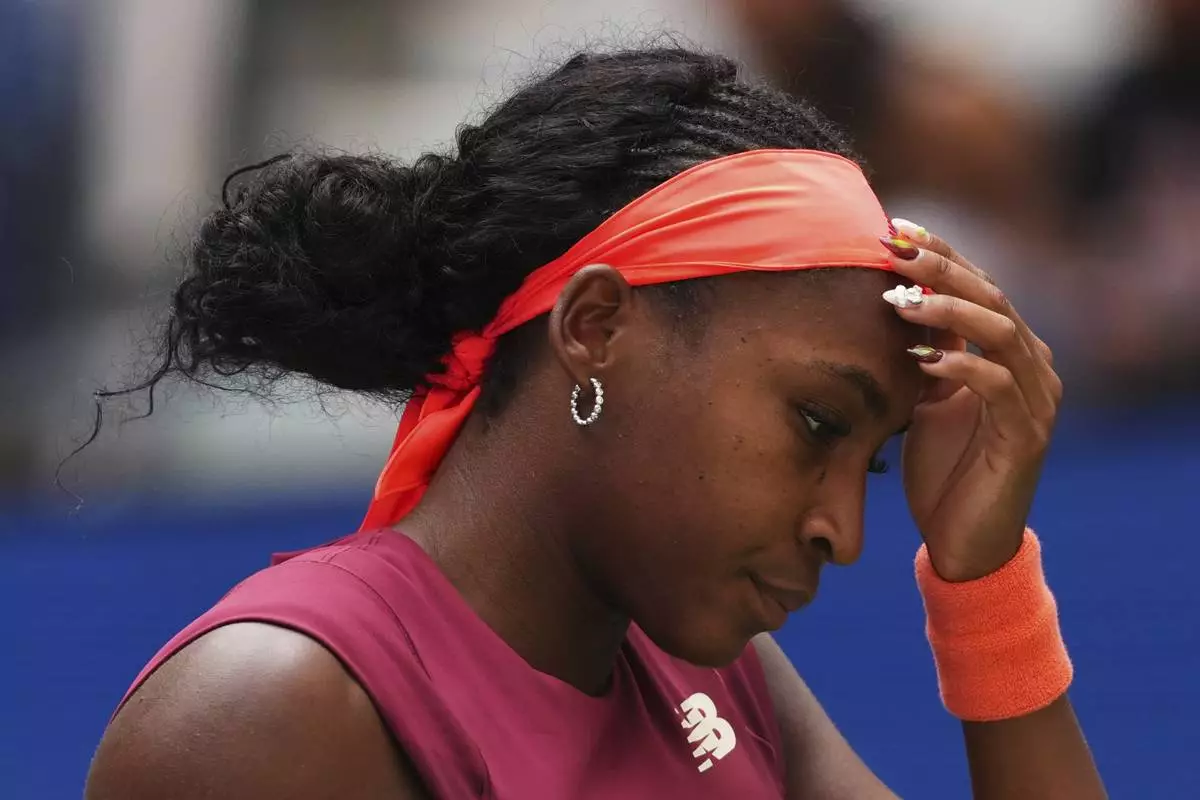
Coco Gauff, of the United States, reacts during a match against Naomi Osaka, of Japan, during the fourth round of the US Open tennis championships, Monday, Sept. 1, 2025, in New York. (AP Photo/Kirsty Wigglesworth)
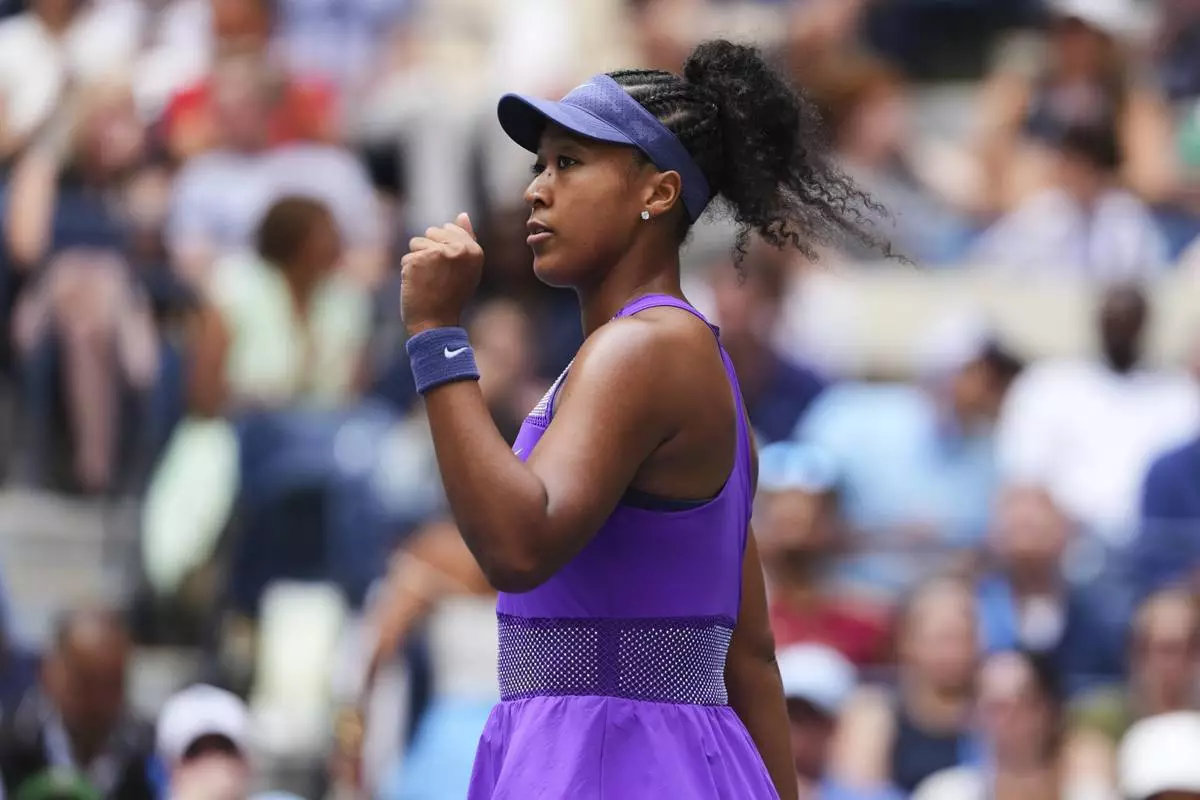
Naomi Osaka, of Japan, reacts during her match against Coco Gauff, of the United States, in the fourth round of the US Open tennis championships, Monday, Sept. 1, 2025, in New York. (AP Photo/Kirsty Wigglesworth)
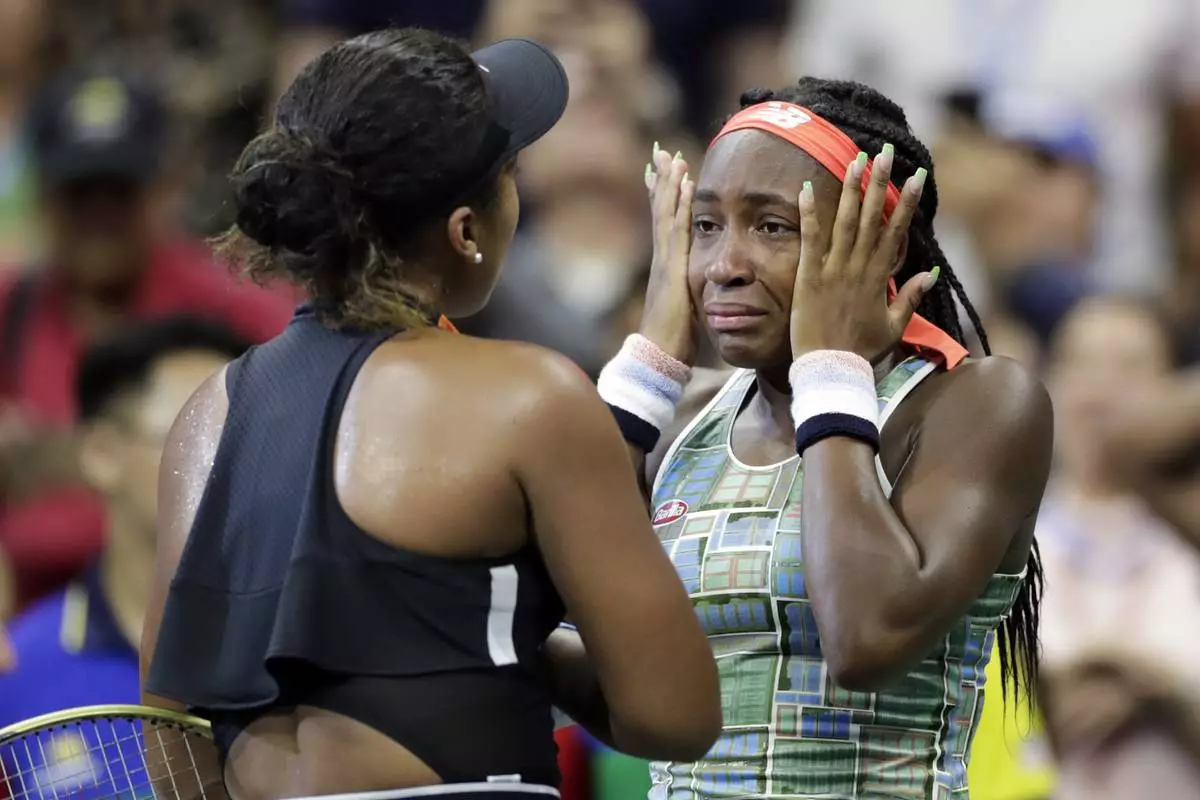
FILE - Coco Gauff wipes away tears while talking to Naomi Osaka, of Japan, after Osaka defeated Gauff during the third round of the U.S. Open tennis tournament Saturday, Aug. 31, 2019, in New York. (AP Photo/Adam Hunger, File)
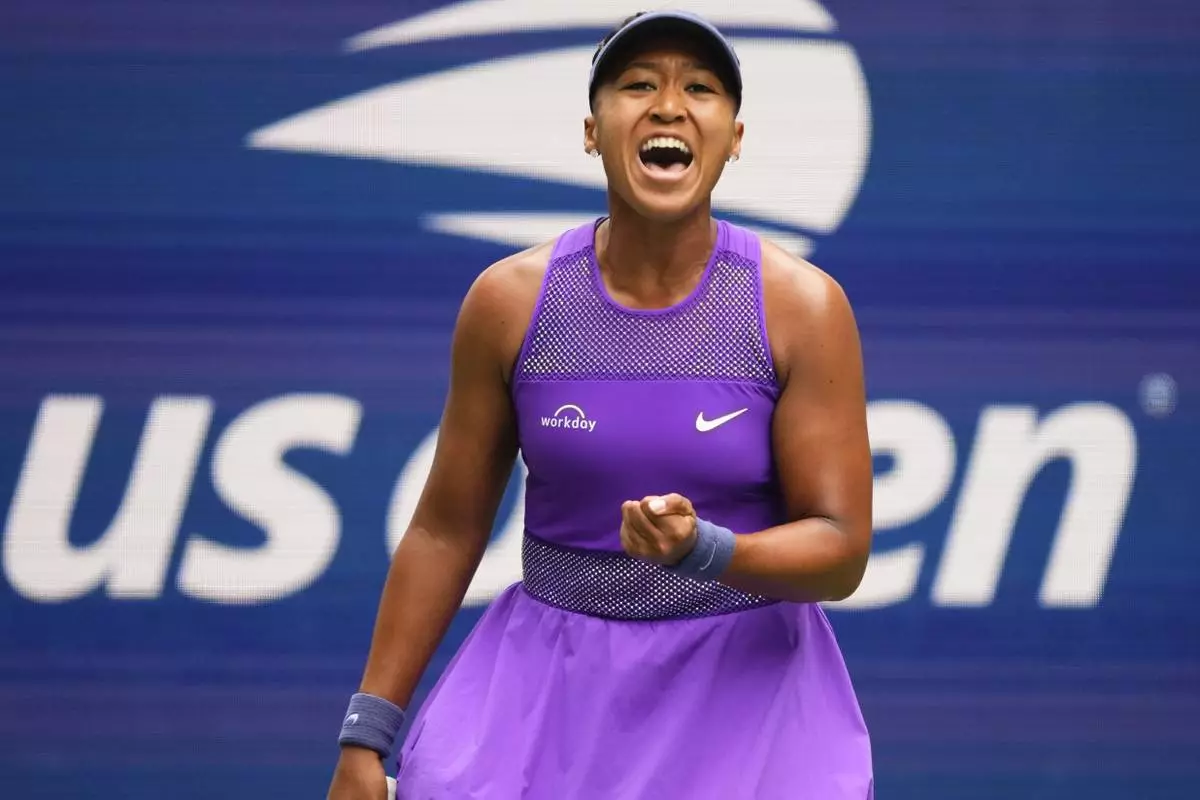
Naomi Osaka, of Japan, reacts after scoring a point against Hailey Baptiste, of the United States, during the second round of the U.S. Open tennis championships, Thursday, Aug. 28, 2025, in New York. (AP Photo/Yuki Iwamura)
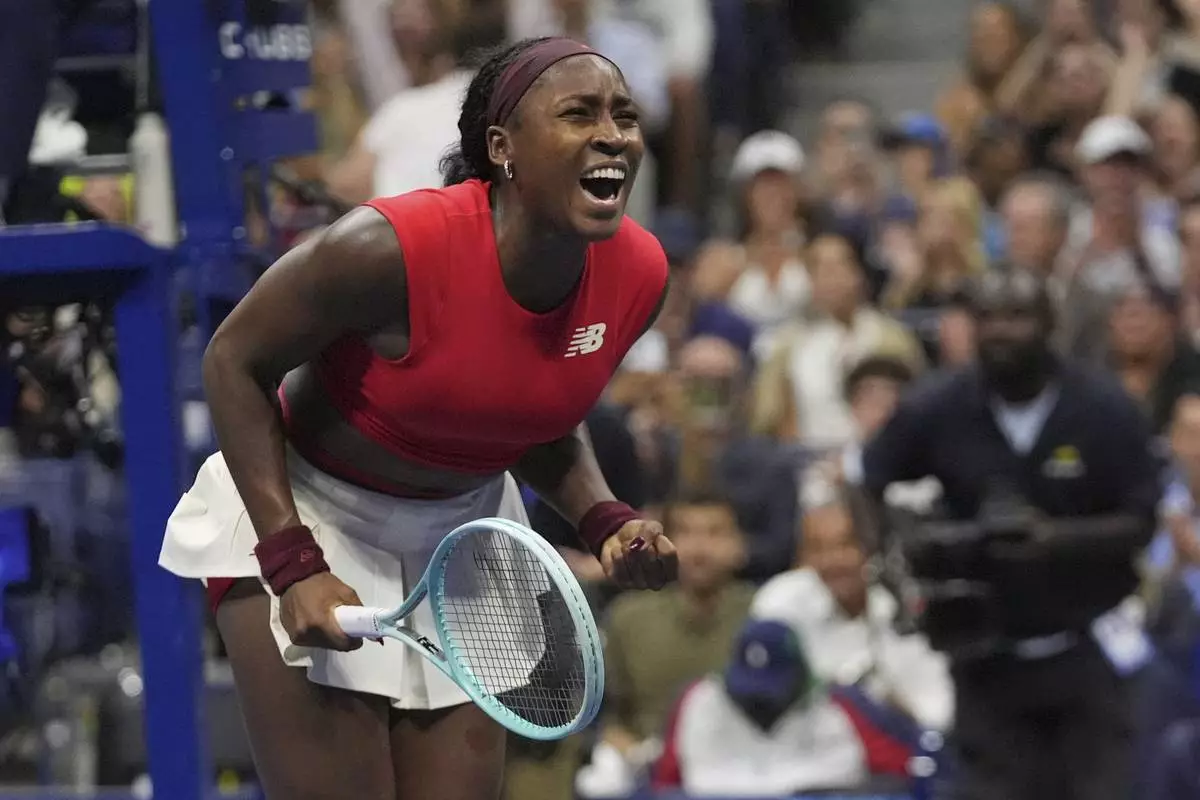
Coco Gauff, of the United States, reacts to defeating Donna Vekic, of Croatia, during the second round of the U.S. Open tennis championships, Thursday, Aug. 28, 2025, in New York. (AP Photo/Frank Franklin II)