PANAMA CITY (AP) — For centuries, Panama served as a natural bridge for global trade. Mule trains hauled treasure over stone-paved trails, riverboats floated gold and silver down the Chagres River to Caribbean ports like Portobelo, guarded by the cannons of Fort San Lorenzo, and later, the world’s first transcontinental railroad ferried passengers and cargo from ocean to ocean.
This photo journey looks back at the routes that carried the world across Panama’s isthmus long before the first lock opened in the Panama Canal.
Click to Gallery
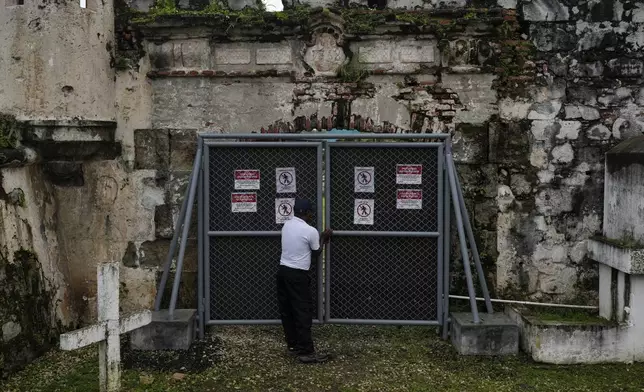
A security guard closes a gate of Fort San Jeronimo, a 17th-century Spanish fort that defended the Caribbean port of Portobelo, where treasure fleets loaded silver and gold for shipment to Europe, in Panama, Thursday, Aug. 14, 2025. (AP Photo/Matias Delacroix)
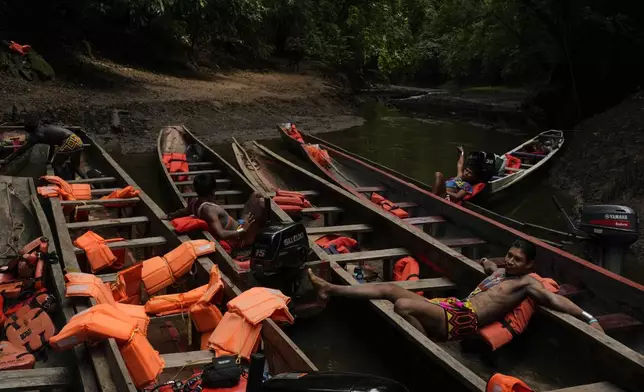
Embera Indigenous guides wait for the return of visitors touring the Chagres River, once the main colonial waterway carrying goods across Panama, between the Pacific Ocean and Caribbean, Saturday, Aug. 16, 2025. (AP Photo/Matias Delacroix)
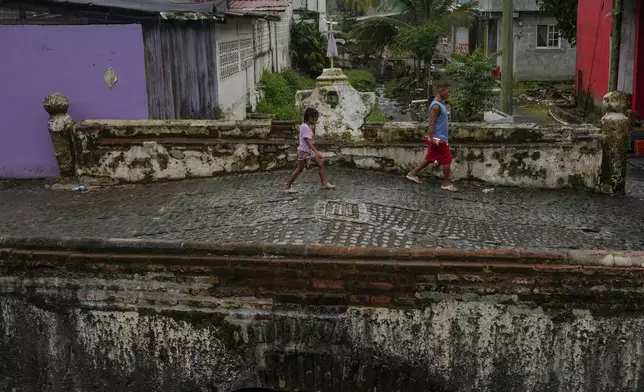
Residents cross a colonial-era bridge in Portobelo, a town on Panama's Caribbean coast that was once a key port where Spanish treasure fleets loaded silver and gold for shipment to Europe, Thursday, Aug. 14, 2025. (AP Photo/Matias Delacroix)
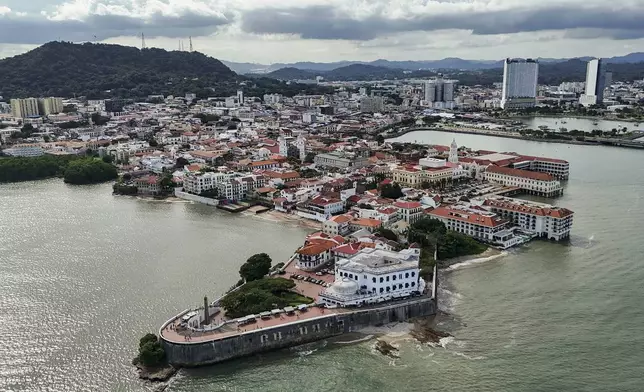
The old town "Casco Viejo" of Panama City, built after pirates destroyed the first settlement, overlooks the Bay of Panama on the Pacific Ocean, Sunday, Aug. 24, 2025. (AP Photo/Matias Delacroix)
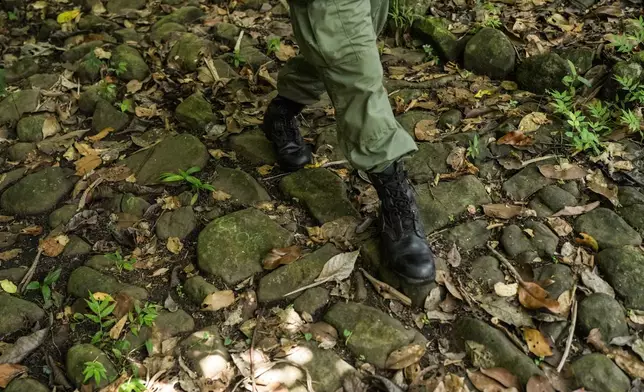
A park ranger walks along the "Camino de Cruces," a colonial stone road in Panama City built in the 16th century for mule trains carrying treasure across the isthmus from the Pacific to the Caribbean, Wednesday, Aug. 13, 2025. (AP Photo/Matias Delacroix)
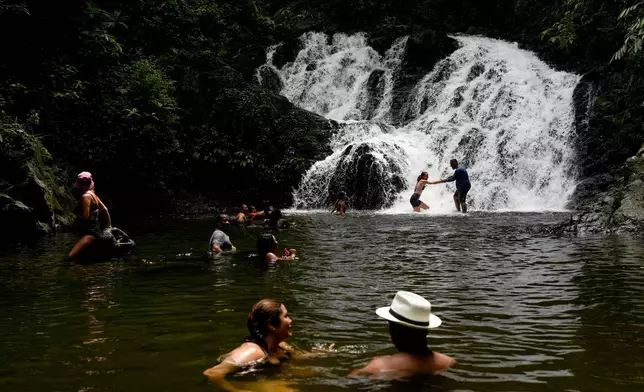
Tourists swim in a tributary of the Chagres River in Panama, once the main colonial waterway used to transport treasure in canoes and barges from the Pacific to the Caribbean for shipment to Spain, Saturday, Aug. 16, 2025. (AP Photo/Matias Delacroix)
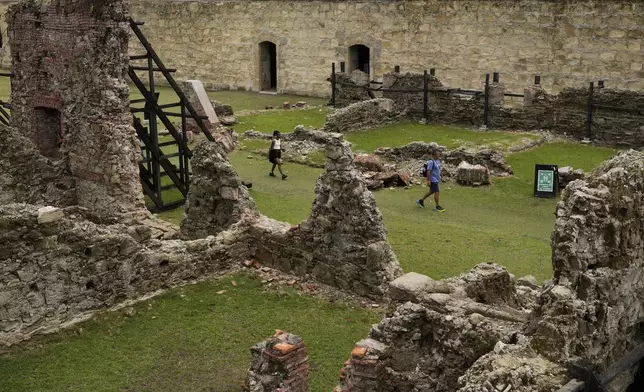
Visitors tour Fort San Lorenzo, a 16th-century Spanish fortress guarding the mouth of the Chagres River, once the main colonial waterway linking the Pacific and Caribbean, in Colon, Panama, Tuesday, Aug. 12, 2025. (AP Photo/Matias Delacroix)
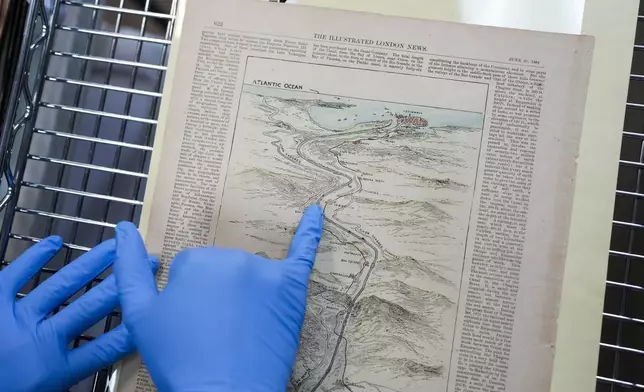
Researcher Esteban Zabala presents an 1888 map of the world's first transcontinental railway, a document that also included early canal route proposals, at the Panama Canal Museum in Panama City, Wednesday, Aug. 13, 2025. (AP Photo/Matias Delacroix)
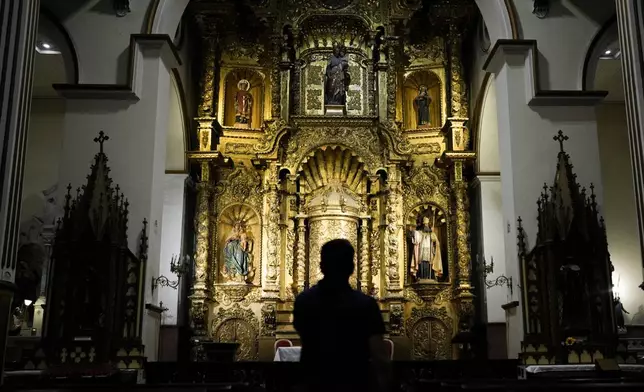
A tourist stands at the Golden Altar inside Saint Joseph Church, a baroque piece covered in gold leaf built in the 17th century after Panama City was relocated from its first settlement destroyed by pirates, in "Casco Viejo," the historic district of Panama City, Friday, Aug. 15, 2025. (AP Photo/Matias Delacroix)

Fort San Lorenzo, built by the Spanish in the 16th century to guard the mouth of the Chagres River, stands above the bank of the main waterway of colonial trade across the isthmus, in Colon, Panama, Tuesday, Aug. 12, 2025. (AP Photo/Matias Delacroix)
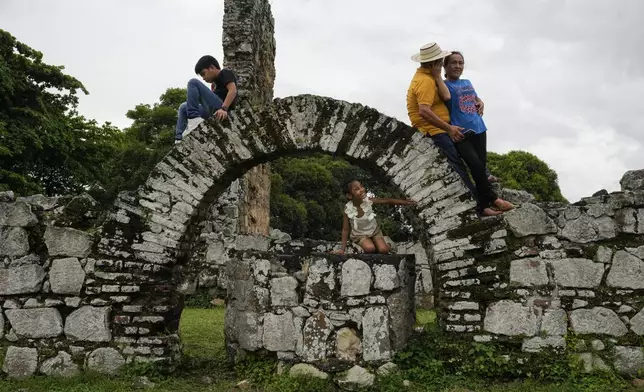
Visitors tour the ruins of Old Panama, the city's first colonial settlement founded in 1519 by Spanish conqueror Pedro Arias de Avila, in Panama City, Friday, Aug. 15, 2025.(AP Photo/Matias Delacroix)
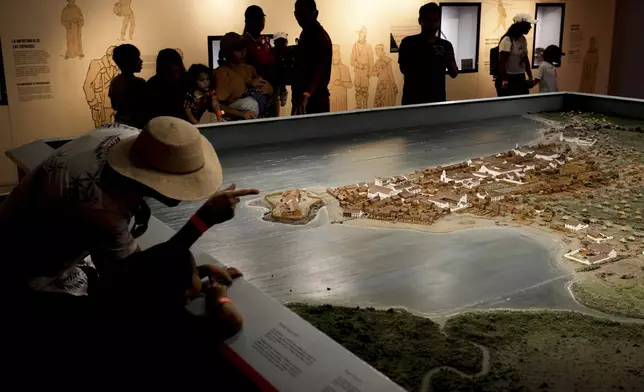
Tourists at the Old Panama Museum look at a topical map of Panama City's first colonial settlement, founded in 1519, in Panama City, Friday, Aug. 15, 2025. (AP Photo/Matias Delacroix)
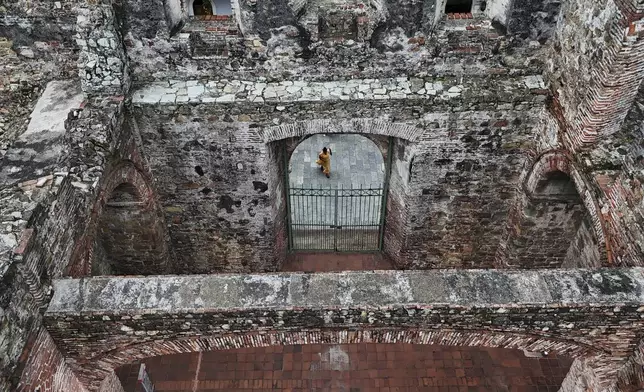
A tourist visits the ruins of Santo Domingo church, built in the 17th century after the city was relocated from its first colonial settlement, which had been destroyed by pirates, in "Casco Viejo," the historic district of Panama City, a UNESCO World Heritage Site, Sunday, Aug. 10, 2025. (AP Photo/Matias Delacroix)
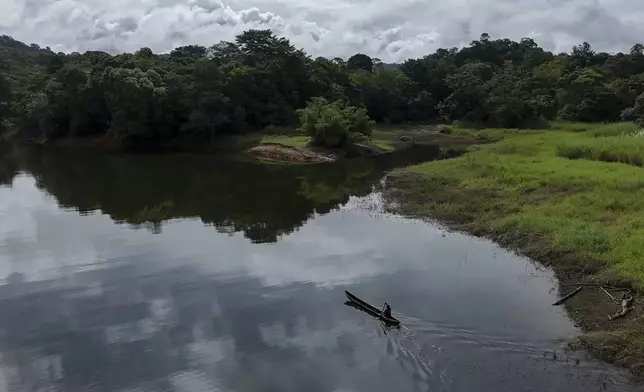
A man paddles along the Chagres River, once the main colonial waterway crossing Panama and connecting the Pacific with Caribbean, Saturday, Aug. 16, 2025. (AP Photo/Matias Delacroix)
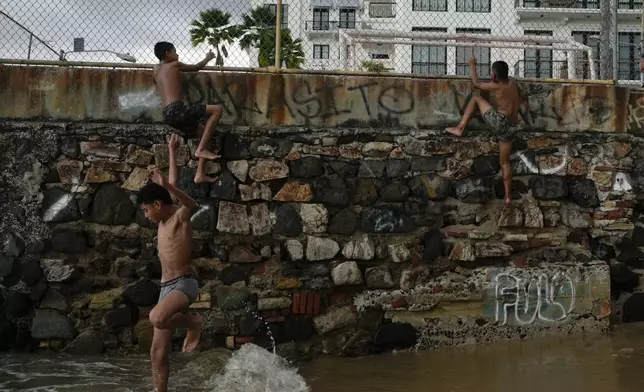
Youths climb a colonial-era wall to dive into the sea in the "Casco Viejo," the historic district of Panama City, a UNESCO World Heritage Site, Sunday, Aug. 10, 2025. (AP Photo/Matias Delacroix)
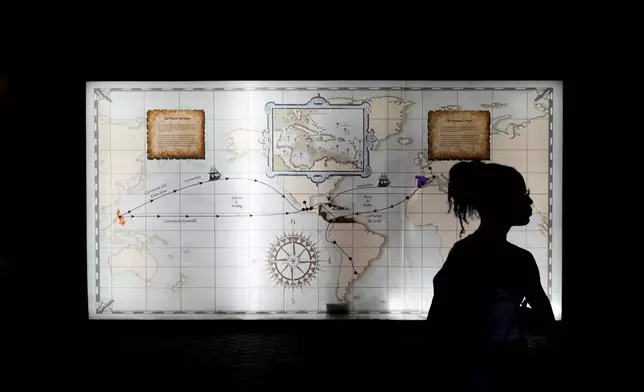
A tourist stands in front of a map outlining colonial interoceanic trade routes at the museum of Fort San Lorenzo, a 16th-century Spanish fortress that guarded the Caribbean entrance to the Chagres River, in Colon, Panama, Tuesday, Aug. 12, 2025. (AP Photo/Matias Delacroix)
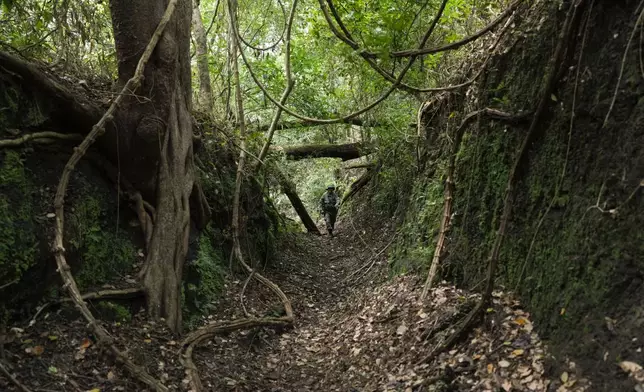
A park ranger walks along the "Camino de Cruces," a colonial road built by the Spanish to transport treasure across the isthmus to the Caribbean for shipment to Europe, in Panama City, Wednesday, Aug. 13, 2025. (AP Photo/Matias Delacroix)
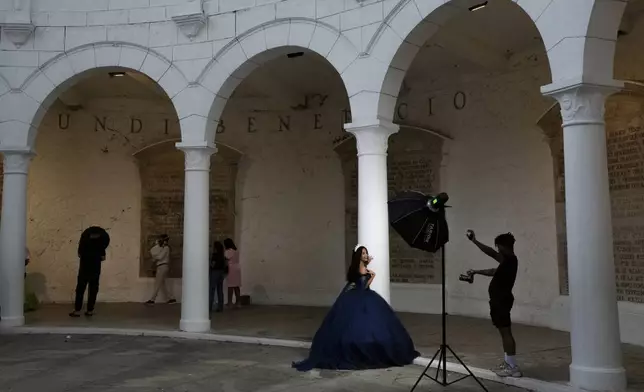
A young woman poses for photos inside a former bastion that was part of the colonial defenses against pirates in Casco Viejo, the historic district of Panama City, also a UNESCO World Heritage Site, Sunday, Aug. 10, 2025. (AP Photo/Matias Delacroix)
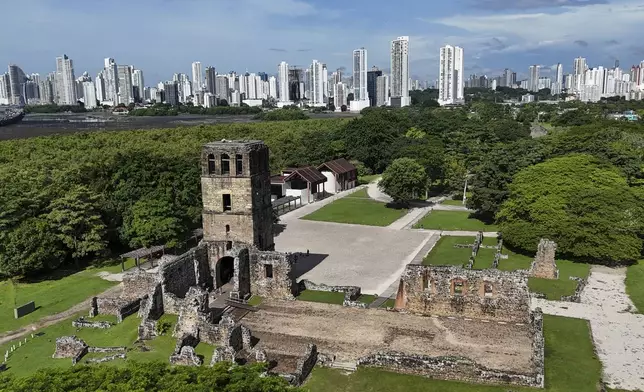
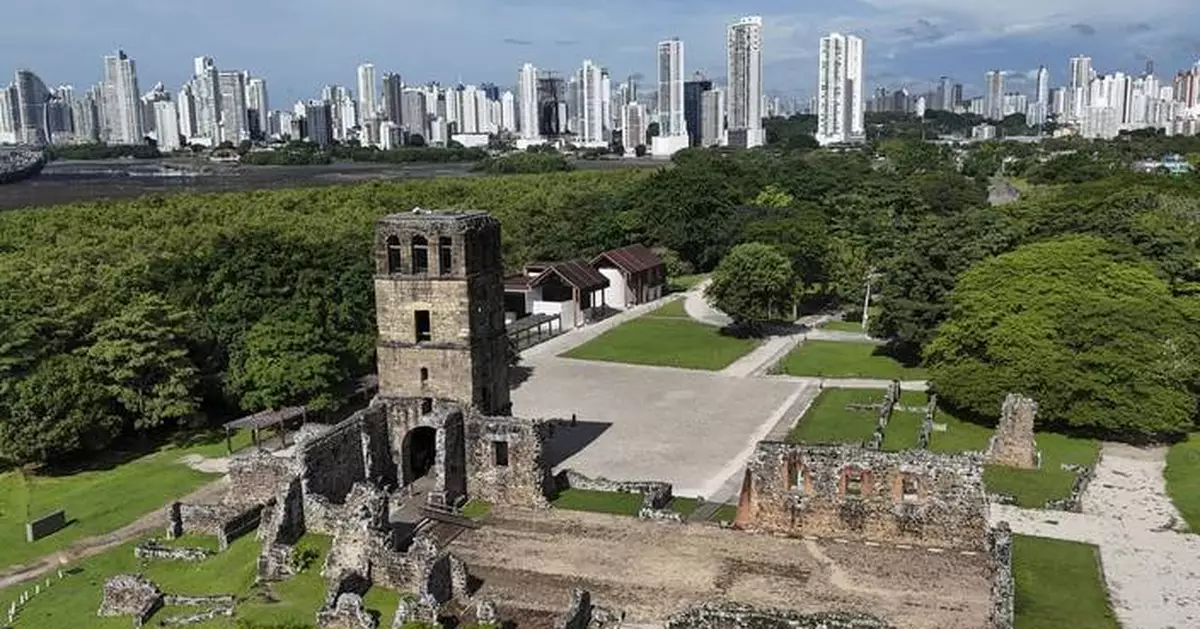
Ruins of the old bell tower in "Panama Viejo," or Old Panama, the first permanent Spanish settlement on the Pacific coast of the Americas, is backdropped by the modern skyline of Panama City, Wednesday, July 30, 2025. (AP Photo/Matias Delacroix)
These crossings made Panama one of the world’s most strategic corridors long before engineers carved the canal. Today, traces of those forgotten routes remain: moss-covered cobblestones hidden in the jungle, the colonial ruins of Panama Viejo, sacked by pirate Henry Morgan and later re-founded, fort walls crumbling above the sea, and the Chagres still winding on as a silent witness to centuries of passage.
This documentary photo story has been curated by AP photo editors.
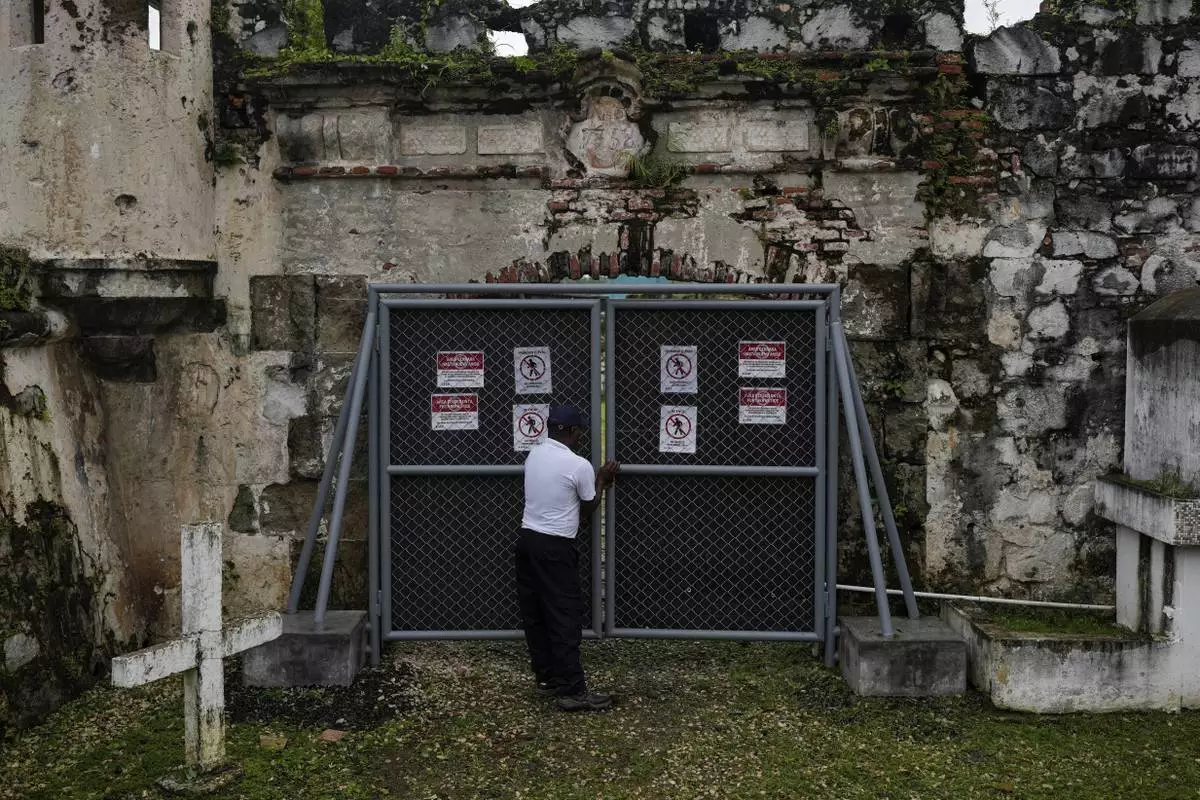
A security guard closes a gate of Fort San Jeronimo, a 17th-century Spanish fort that defended the Caribbean port of Portobelo, where treasure fleets loaded silver and gold for shipment to Europe, in Panama, Thursday, Aug. 14, 2025. (AP Photo/Matias Delacroix)
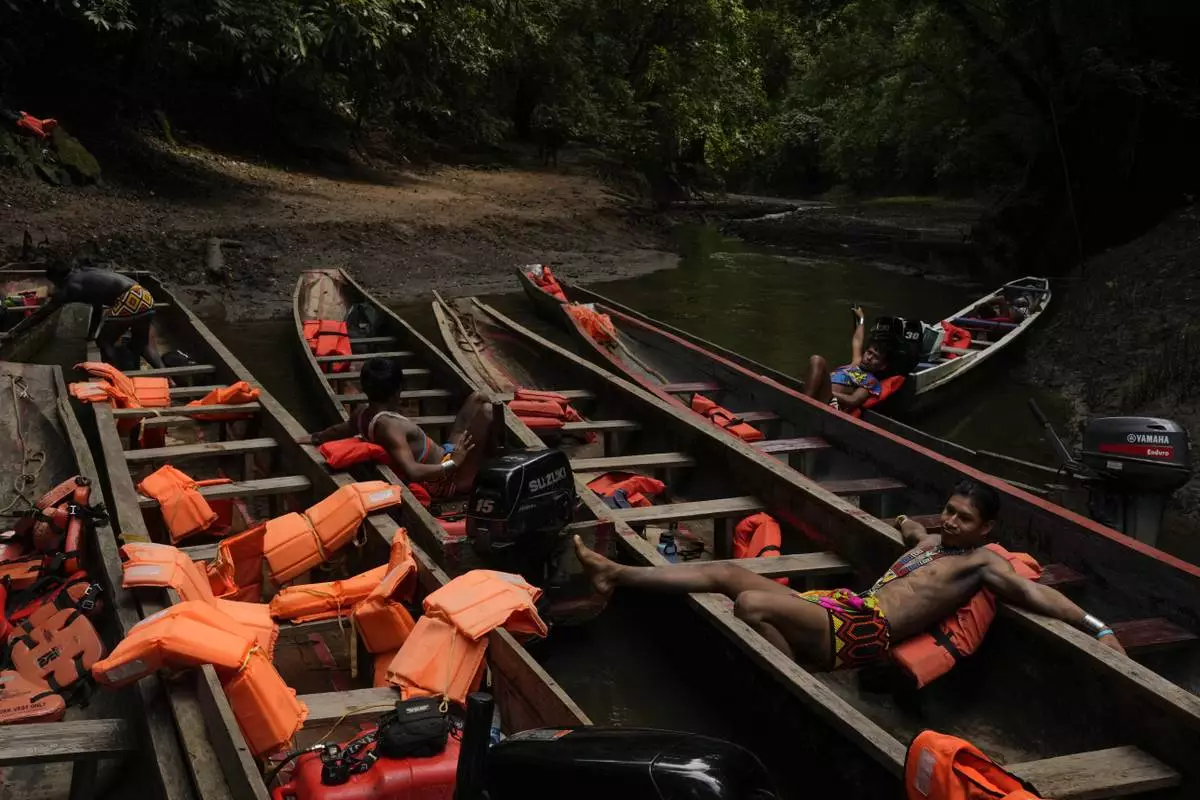
Embera Indigenous guides wait for the return of visitors touring the Chagres River, once the main colonial waterway carrying goods across Panama, between the Pacific Ocean and Caribbean, Saturday, Aug. 16, 2025. (AP Photo/Matias Delacroix)
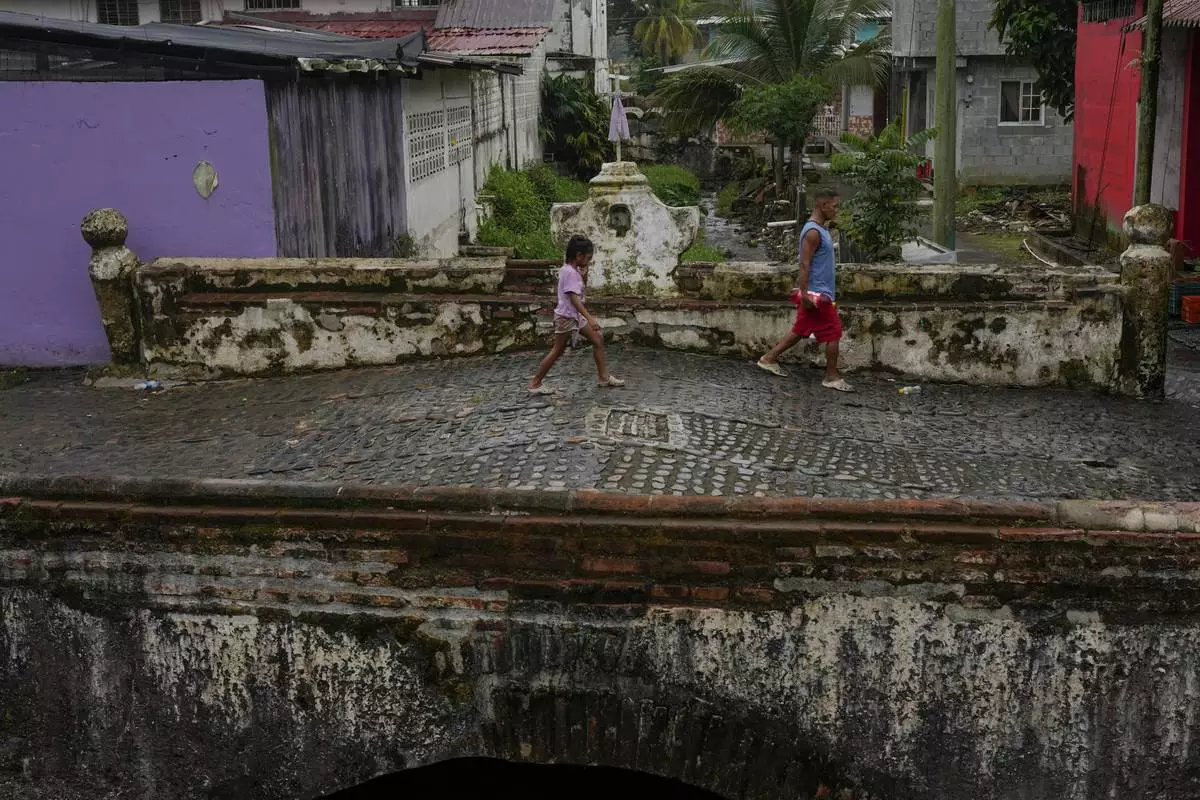
Residents cross a colonial-era bridge in Portobelo, a town on Panama's Caribbean coast that was once a key port where Spanish treasure fleets loaded silver and gold for shipment to Europe, Thursday, Aug. 14, 2025. (AP Photo/Matias Delacroix)
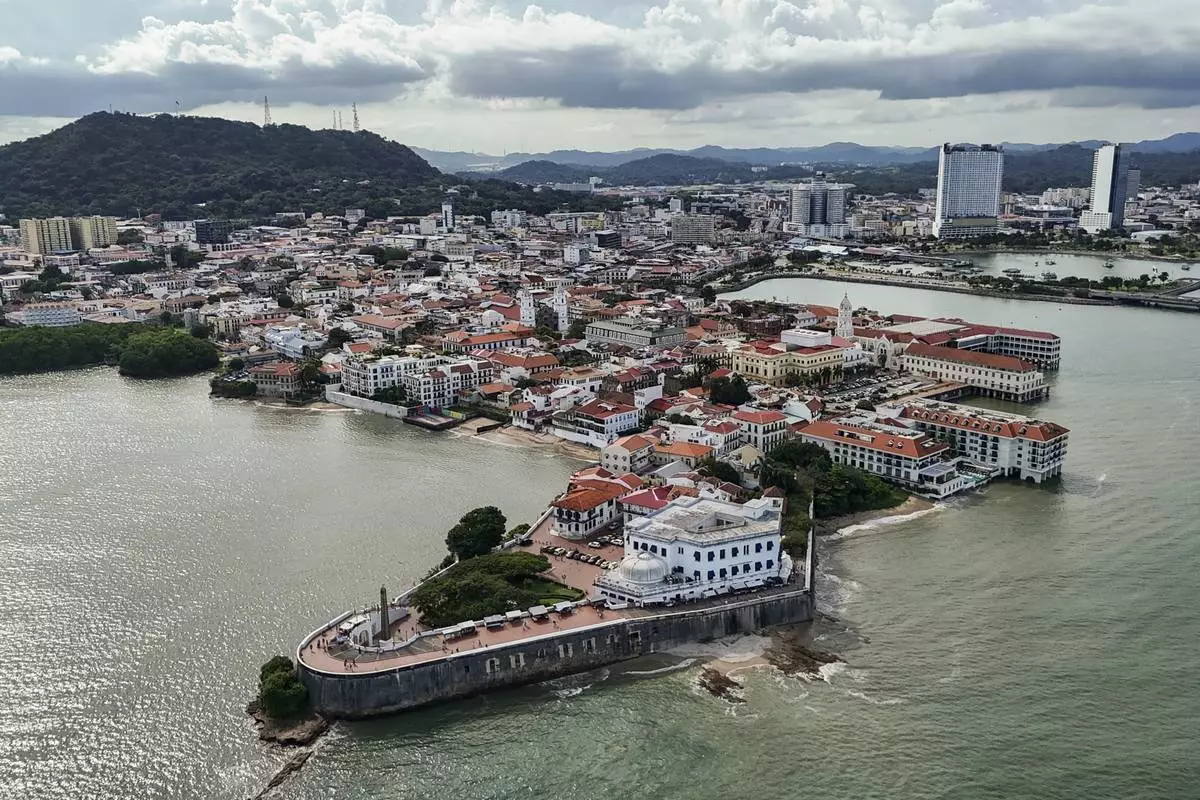
The old town "Casco Viejo" of Panama City, built after pirates destroyed the first settlement, overlooks the Bay of Panama on the Pacific Ocean, Sunday, Aug. 24, 2025. (AP Photo/Matias Delacroix)
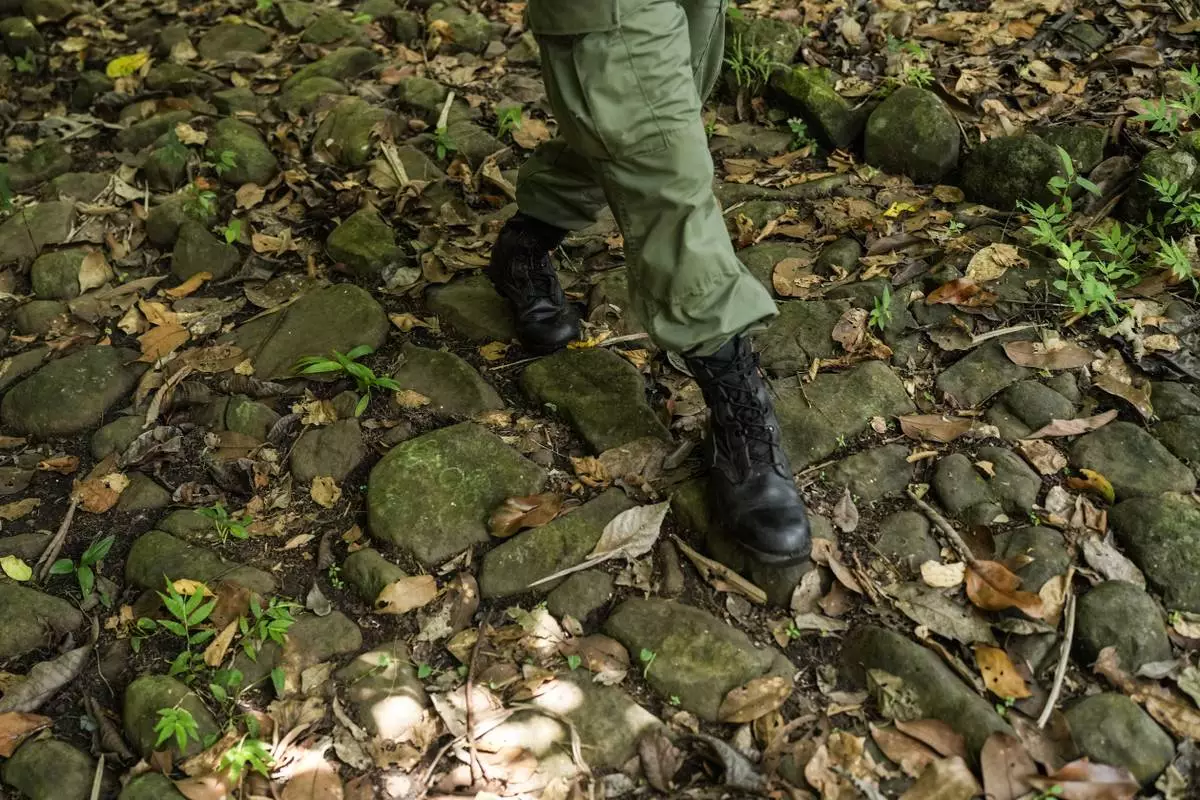
A park ranger walks along the "Camino de Cruces," a colonial stone road in Panama City built in the 16th century for mule trains carrying treasure across the isthmus from the Pacific to the Caribbean, Wednesday, Aug. 13, 2025. (AP Photo/Matias Delacroix)
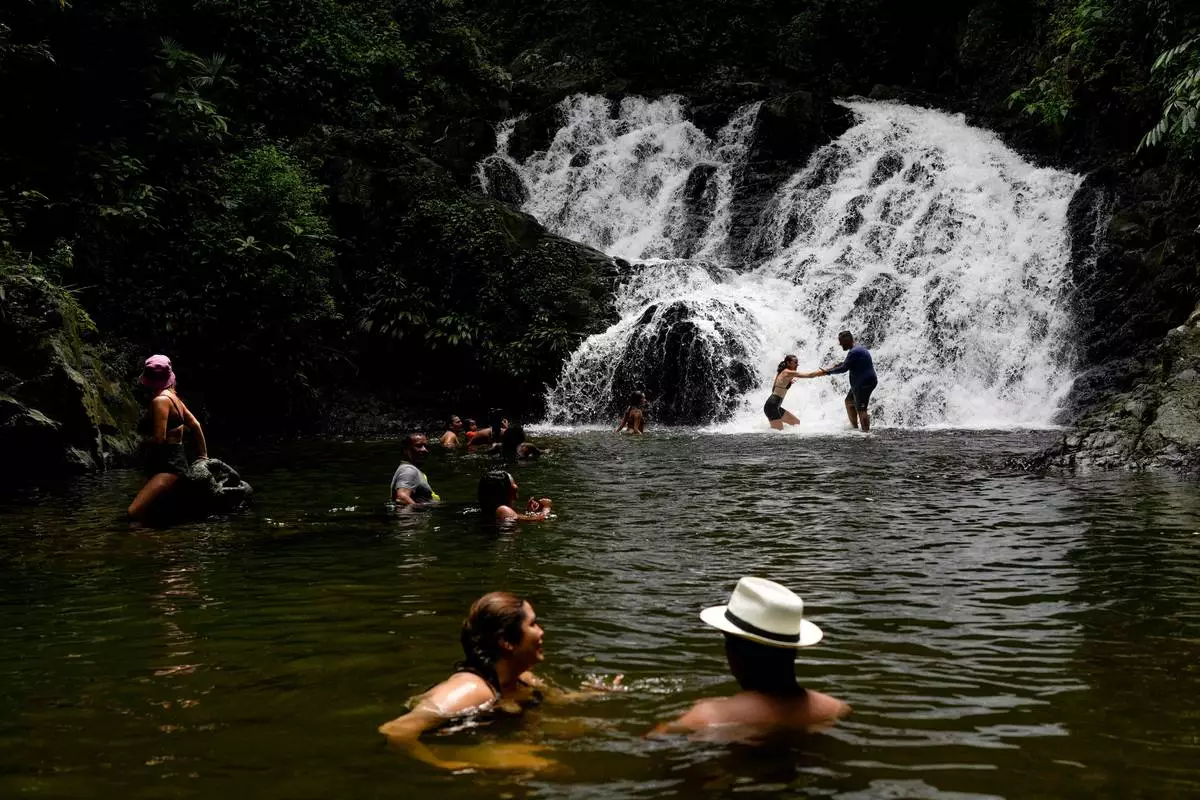
Tourists swim in a tributary of the Chagres River in Panama, once the main colonial waterway used to transport treasure in canoes and barges from the Pacific to the Caribbean for shipment to Spain, Saturday, Aug. 16, 2025. (AP Photo/Matias Delacroix)
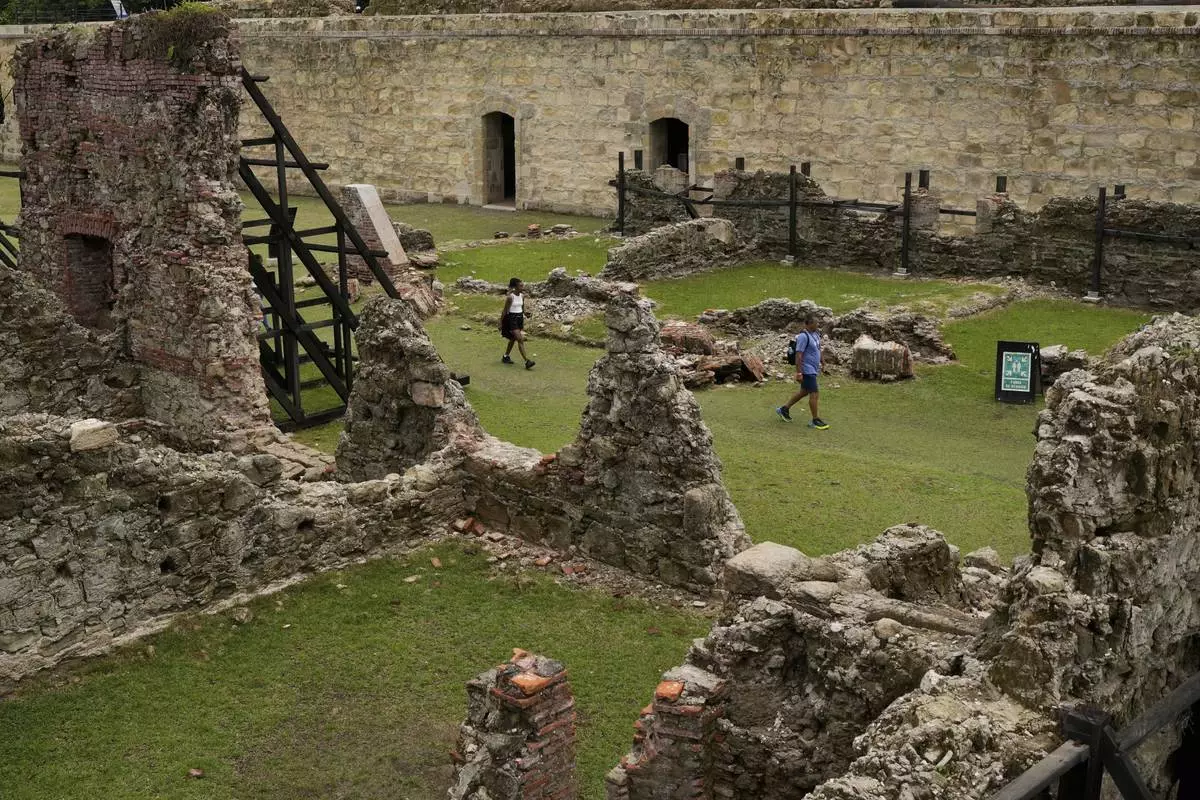
Visitors tour Fort San Lorenzo, a 16th-century Spanish fortress guarding the mouth of the Chagres River, once the main colonial waterway linking the Pacific and Caribbean, in Colon, Panama, Tuesday, Aug. 12, 2025. (AP Photo/Matias Delacroix)
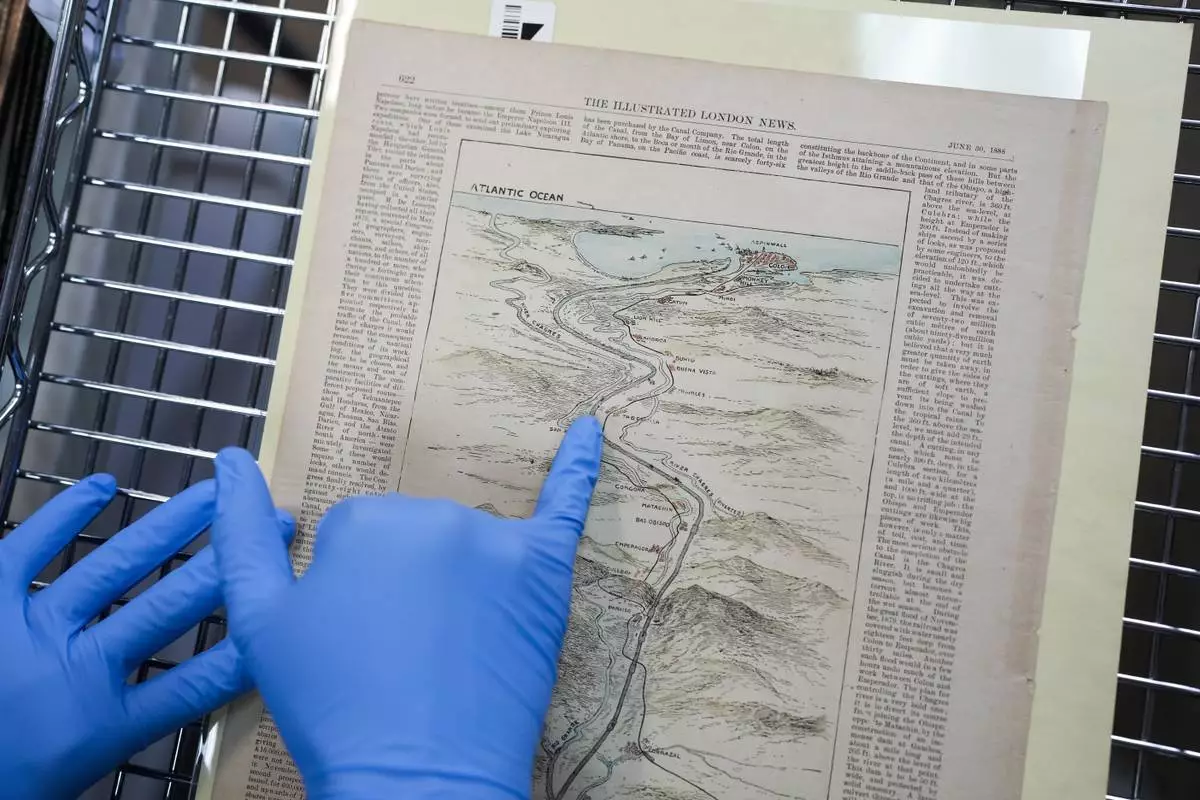
Researcher Esteban Zabala presents an 1888 map of the world's first transcontinental railway, a document that also included early canal route proposals, at the Panama Canal Museum in Panama City, Wednesday, Aug. 13, 2025. (AP Photo/Matias Delacroix)
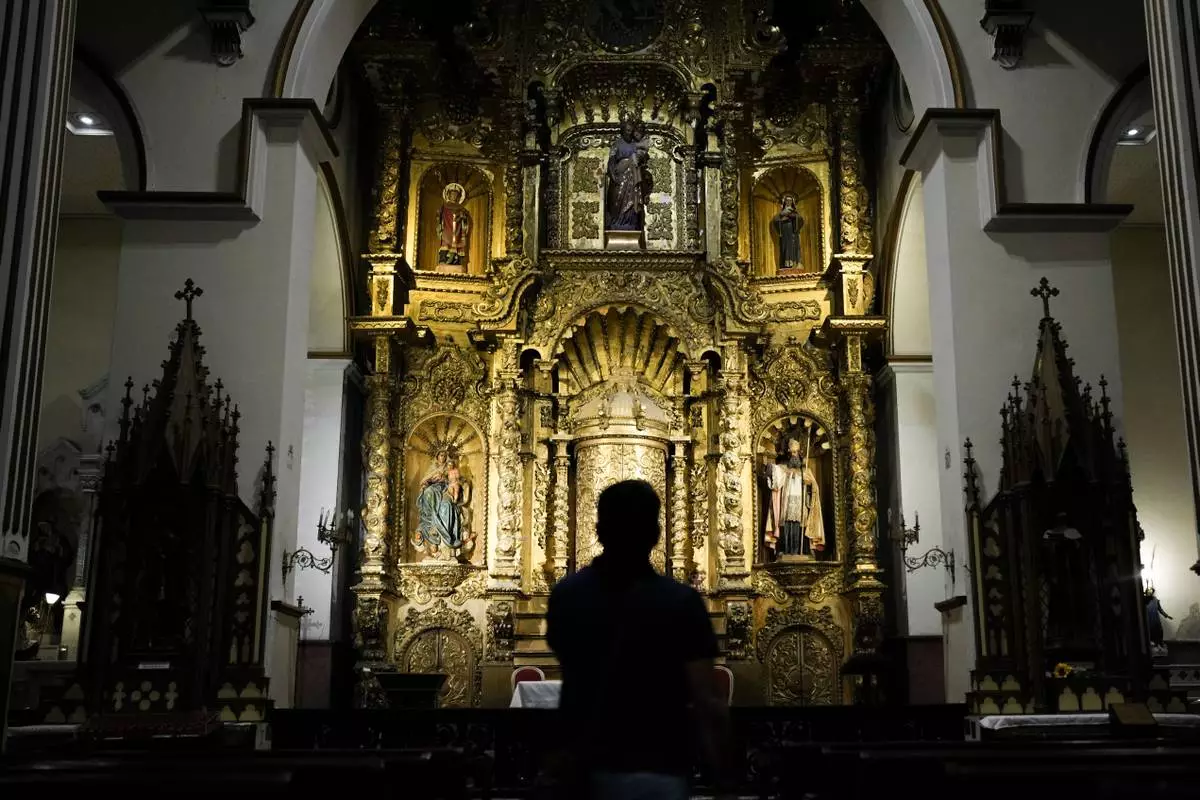
A tourist stands at the Golden Altar inside Saint Joseph Church, a baroque piece covered in gold leaf built in the 17th century after Panama City was relocated from its first settlement destroyed by pirates, in "Casco Viejo," the historic district of Panama City, Friday, Aug. 15, 2025. (AP Photo/Matias Delacroix)
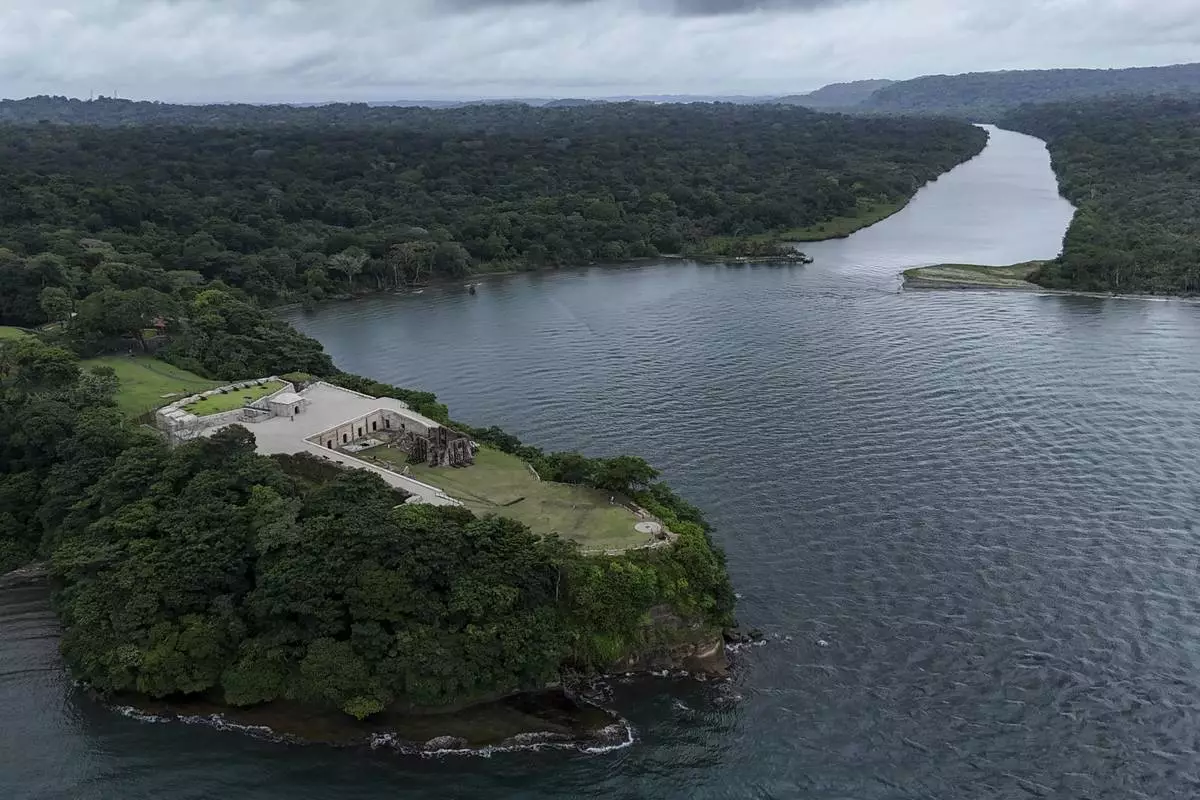
Fort San Lorenzo, built by the Spanish in the 16th century to guard the mouth of the Chagres River, stands above the bank of the main waterway of colonial trade across the isthmus, in Colon, Panama, Tuesday, Aug. 12, 2025. (AP Photo/Matias Delacroix)
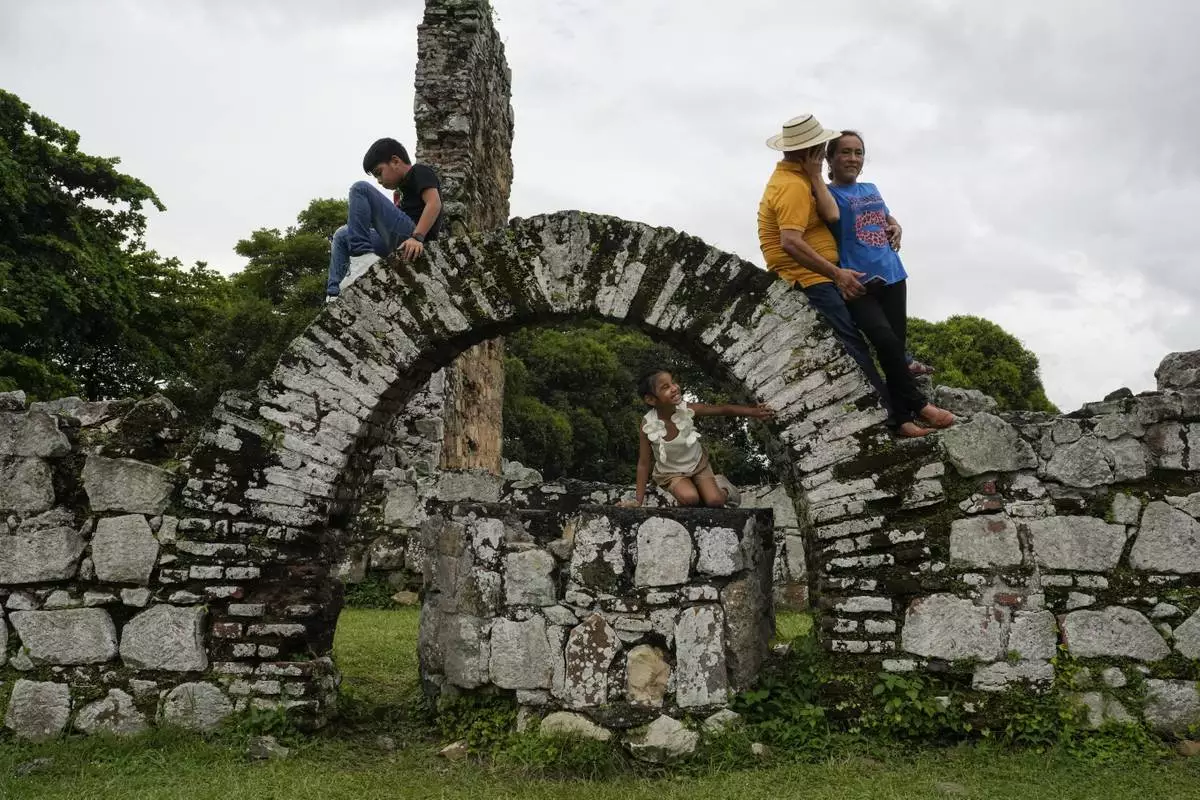
Visitors tour the ruins of Old Panama, the city's first colonial settlement founded in 1519 by Spanish conqueror Pedro Arias de Avila, in Panama City, Friday, Aug. 15, 2025.(AP Photo/Matias Delacroix)
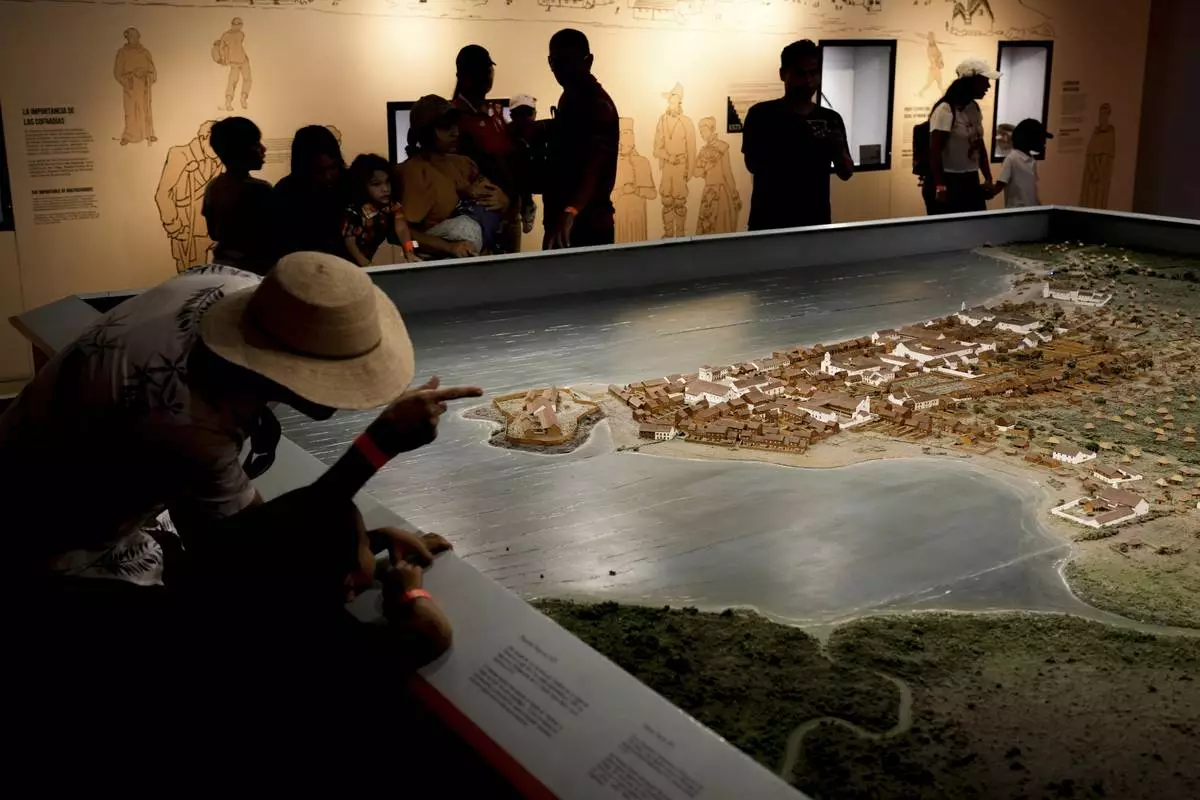
Tourists at the Old Panama Museum look at a topical map of Panama City's first colonial settlement, founded in 1519, in Panama City, Friday, Aug. 15, 2025. (AP Photo/Matias Delacroix)
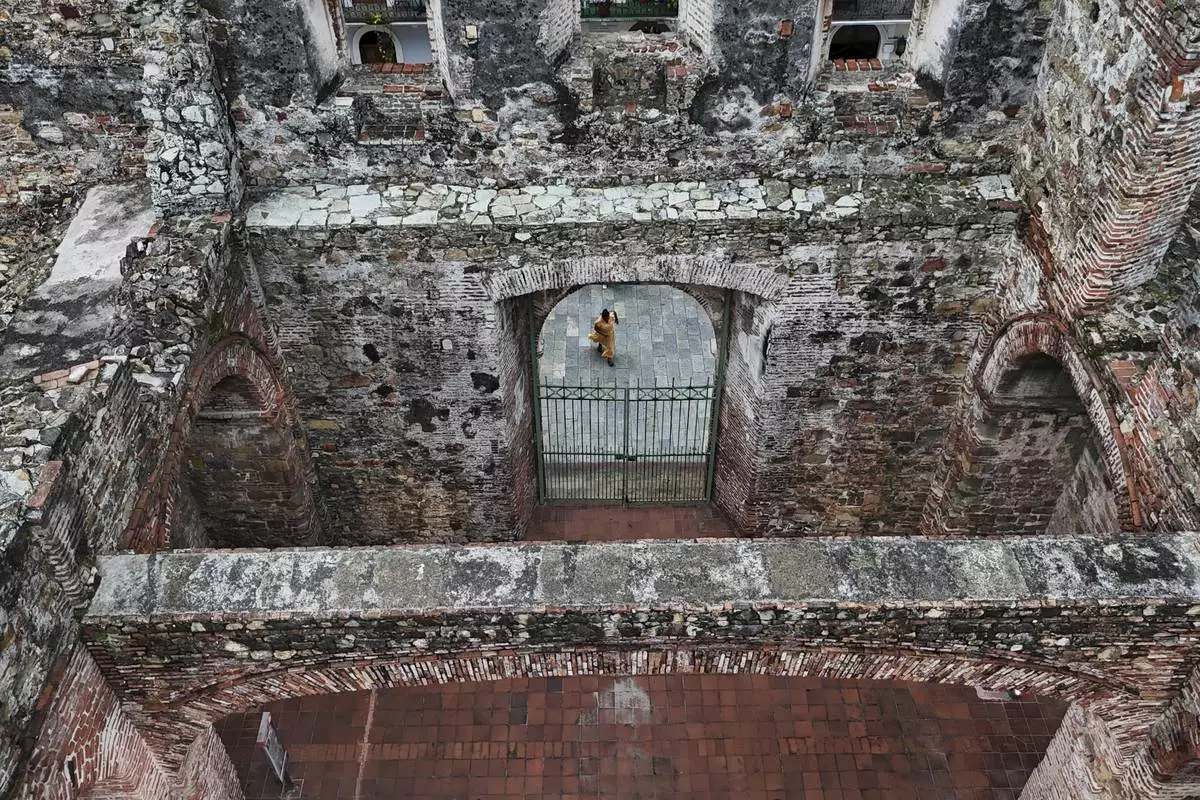
A tourist visits the ruins of Santo Domingo church, built in the 17th century after the city was relocated from its first colonial settlement, which had been destroyed by pirates, in "Casco Viejo," the historic district of Panama City, a UNESCO World Heritage Site, Sunday, Aug. 10, 2025. (AP Photo/Matias Delacroix)
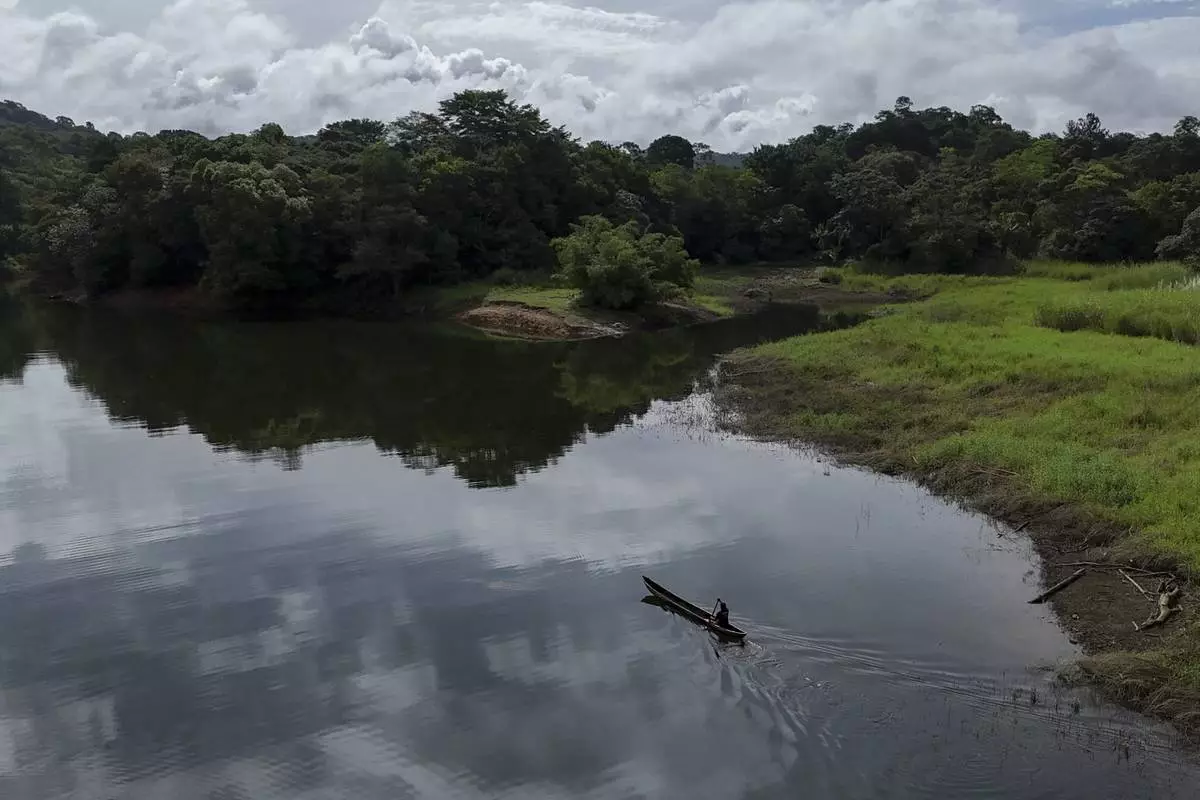
A man paddles along the Chagres River, once the main colonial waterway crossing Panama and connecting the Pacific with Caribbean, Saturday, Aug. 16, 2025. (AP Photo/Matias Delacroix)
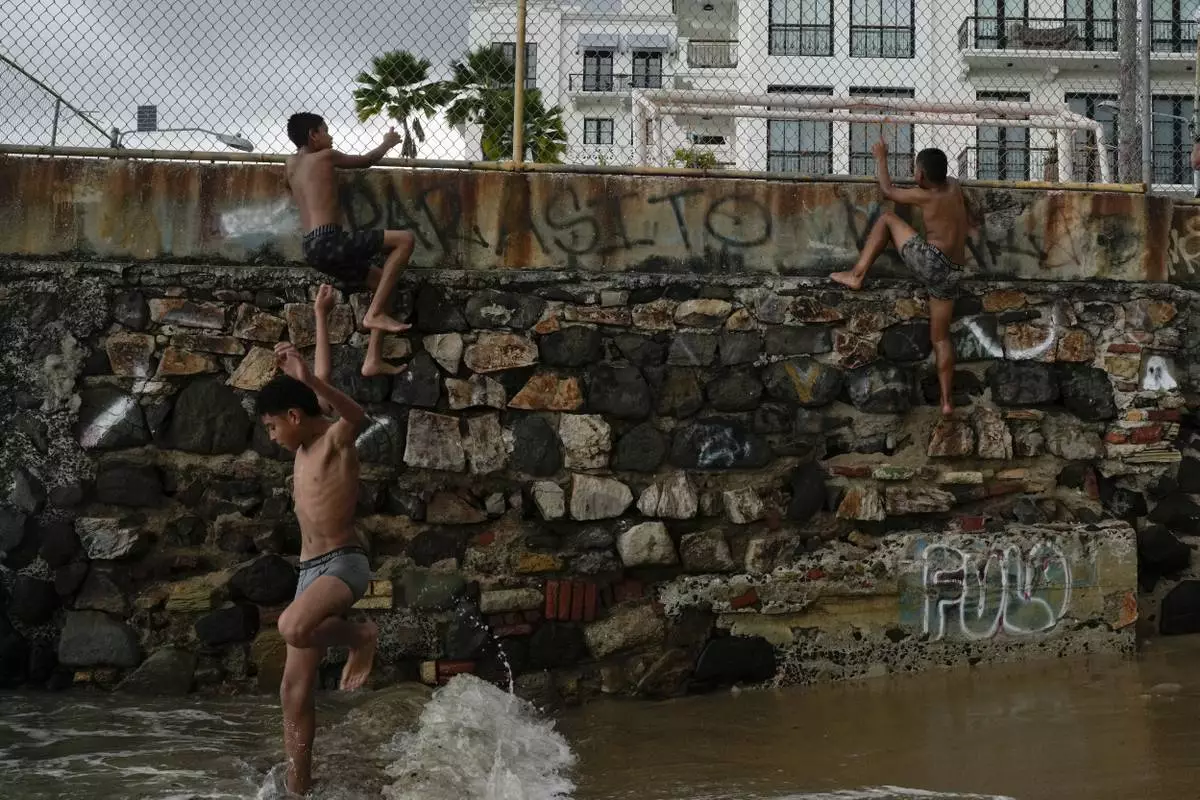
Youths climb a colonial-era wall to dive into the sea in the "Casco Viejo," the historic district of Panama City, a UNESCO World Heritage Site, Sunday, Aug. 10, 2025. (AP Photo/Matias Delacroix)
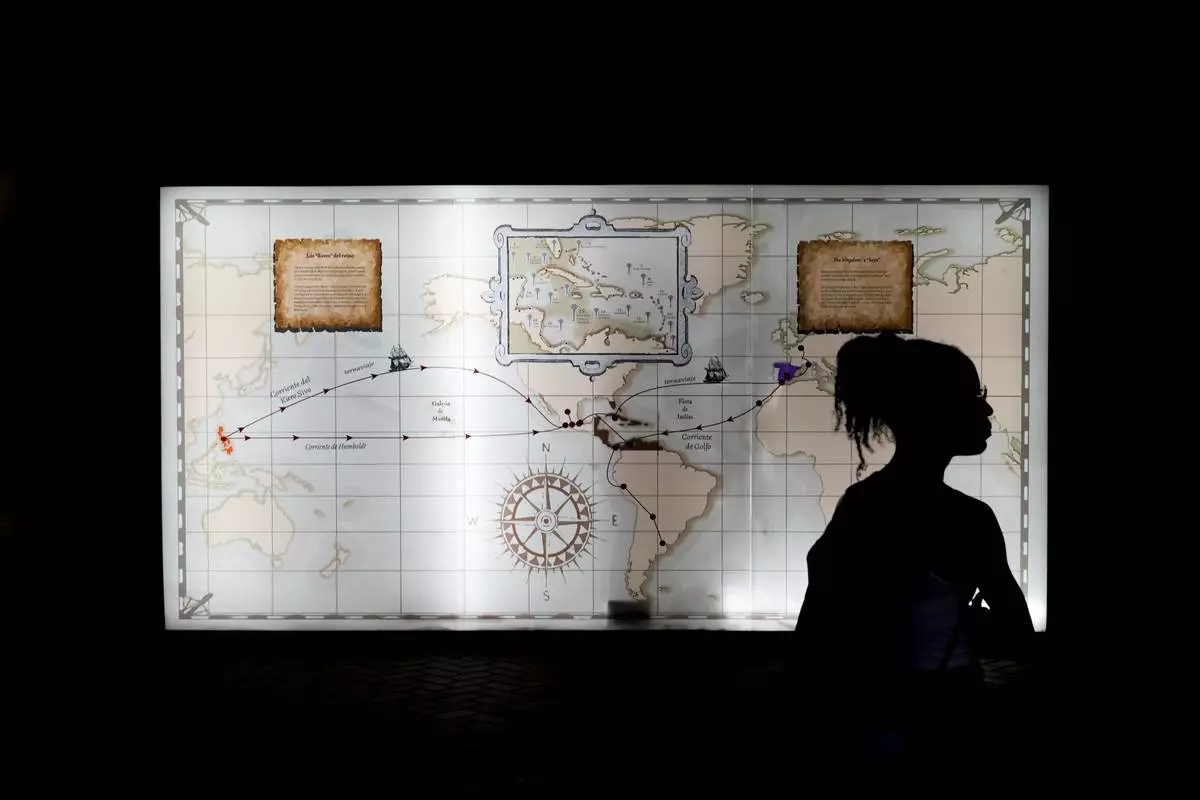
A tourist stands in front of a map outlining colonial interoceanic trade routes at the museum of Fort San Lorenzo, a 16th-century Spanish fortress that guarded the Caribbean entrance to the Chagres River, in Colon, Panama, Tuesday, Aug. 12, 2025. (AP Photo/Matias Delacroix)
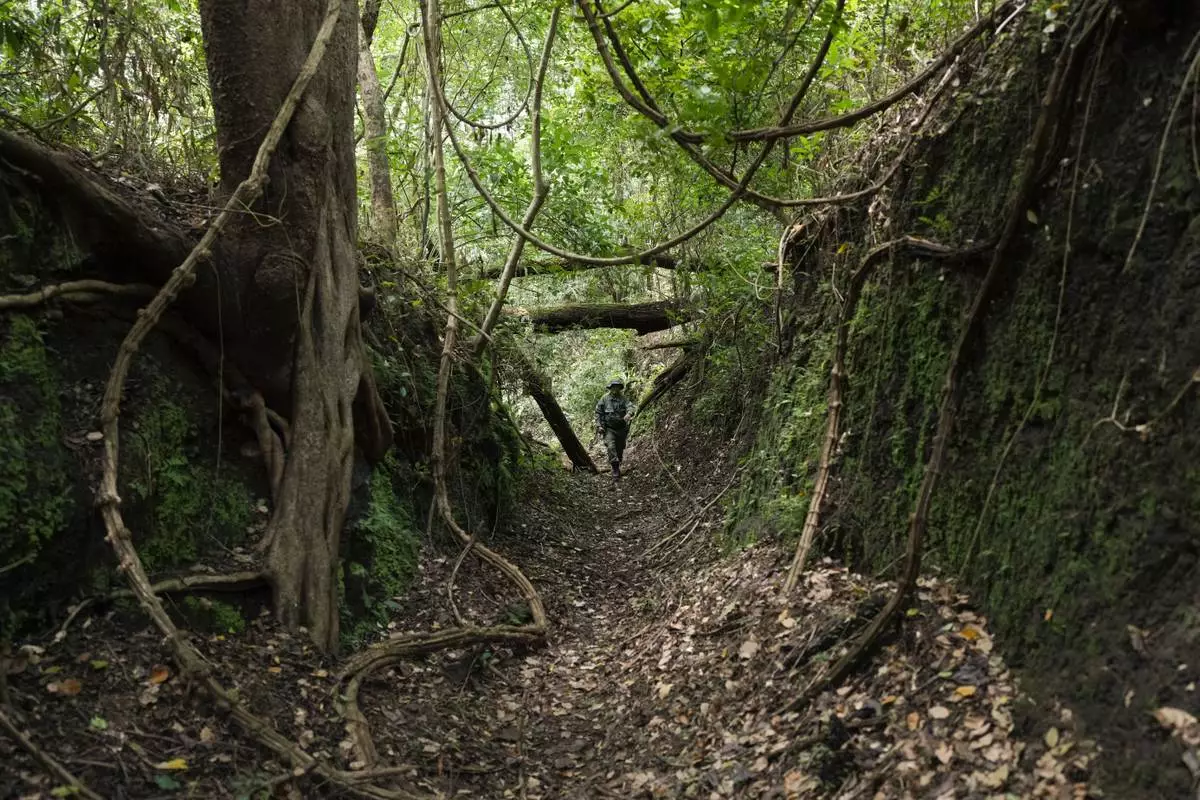
A park ranger walks along the "Camino de Cruces," a colonial road built by the Spanish to transport treasure across the isthmus to the Caribbean for shipment to Europe, in Panama City, Wednesday, Aug. 13, 2025. (AP Photo/Matias Delacroix)
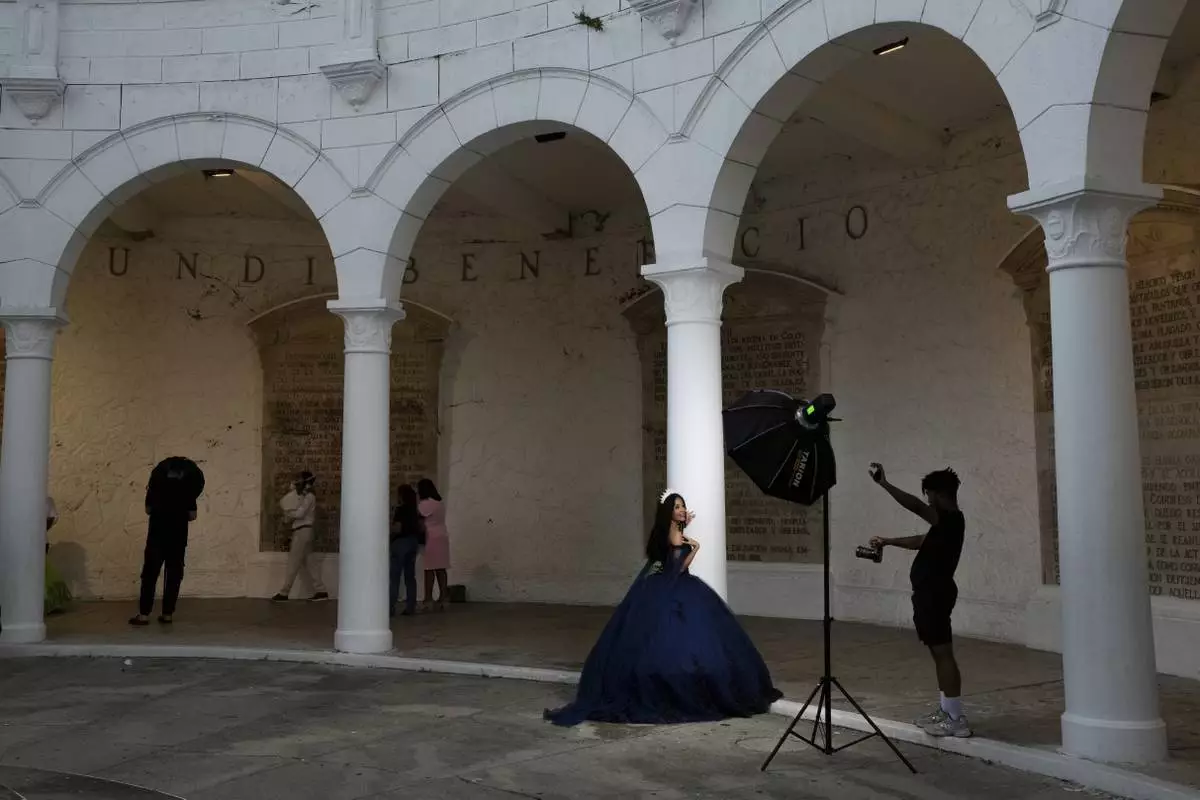
A young woman poses for photos inside a former bastion that was part of the colonial defenses against pirates in Casco Viejo, the historic district of Panama City, also a UNESCO World Heritage Site, Sunday, Aug. 10, 2025. (AP Photo/Matias Delacroix)
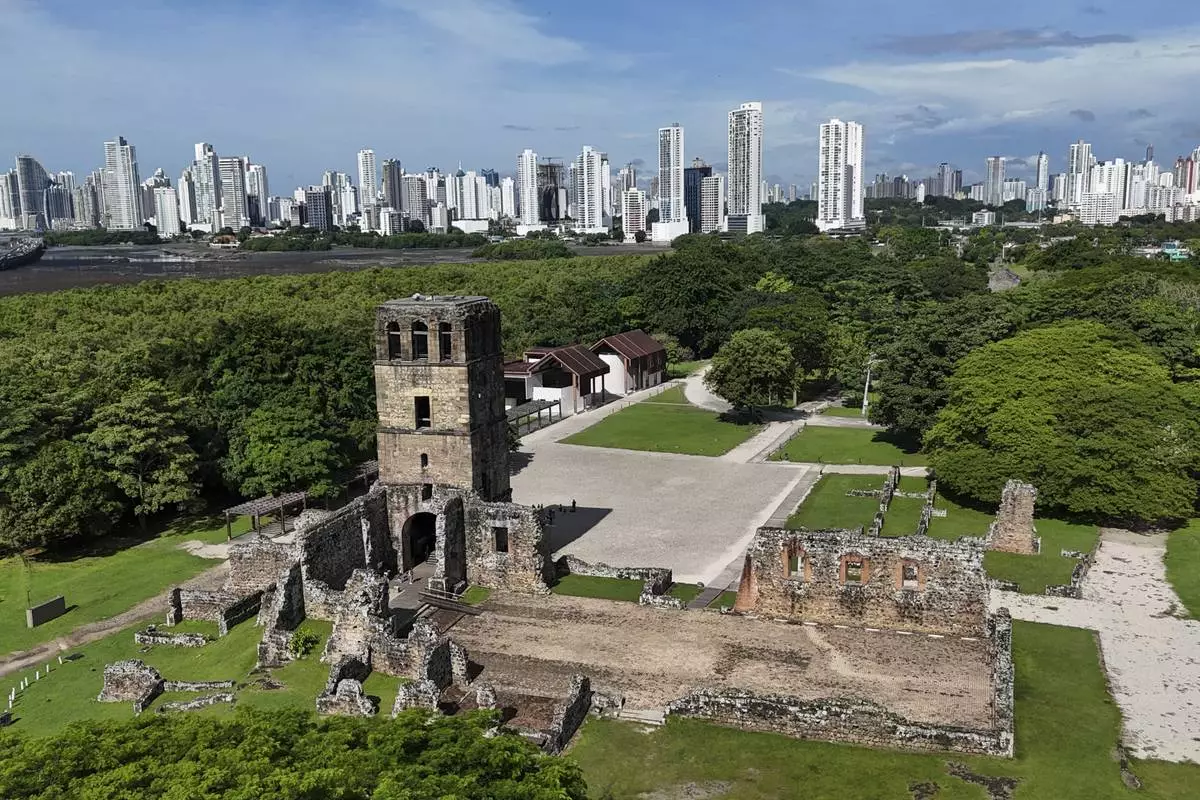
Ruins of the old bell tower in "Panama Viejo," or Old Panama, the first permanent Spanish settlement on the Pacific coast of the Americas, is backdropped by the modern skyline of Panama City, Wednesday, July 30, 2025. (AP Photo/Matias Delacroix)