In some ways, Shaun White’s next trip to the Winter Olympics might be the toughest.
Retired for four years and now trying to shape his sport from outside of the halfpipe he once commanded, White says he fully expects his upcoming trip to Italy — the country where he won the first of his three gold medals — to be an emotional ride, maybe with some unexpected turns.
Click to Gallery
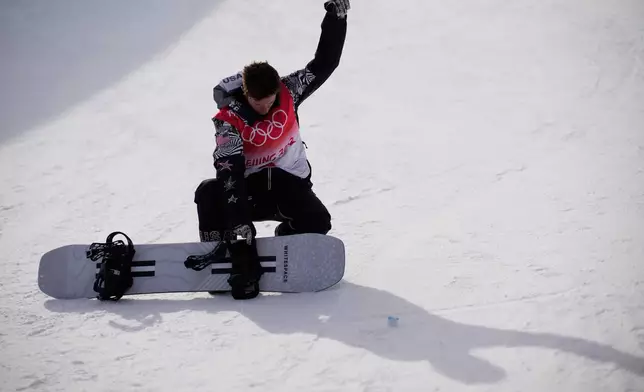
FILE - United States' Shaun White poses in the halfpipe course after the men's halfpipe finals at the 2022 Winter Olympics, Friday, Feb. 11, 2022, in Zhangjiakou, China. (AP Photo/Francisco Seco, File)
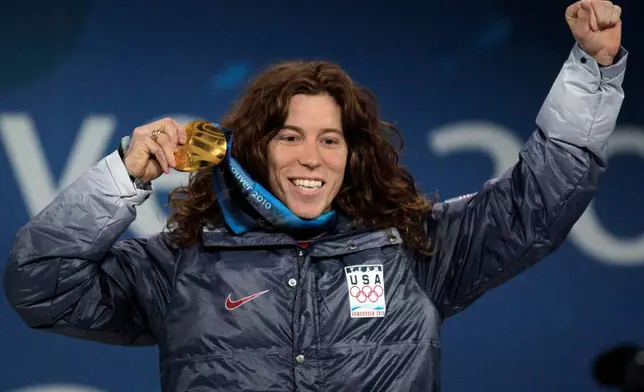
FILE - USA's gold medalist Shaun White reacts during the men's halfpipe medal ceremony at the Vancouver 2010 Olympics in Vancouver, British Columbia, Thursday, Feb. 18, 2010. (AP Photo/Jae C. Hong, File)
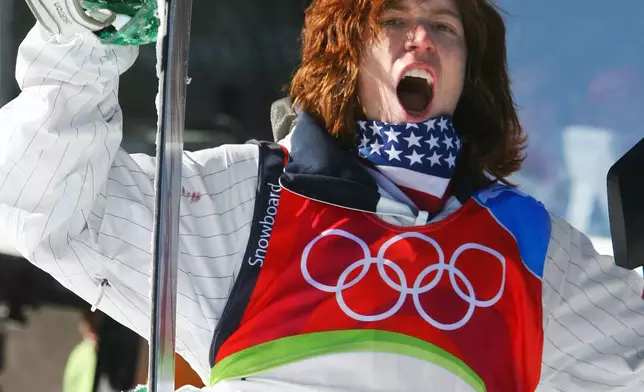
FILE - United States Shaun White reacts after seeing his score on the first run of the Men's Halfpipe Snowboard competition at the Turin 2006 Winter Olympic Games in Bardonecchia, Italy Sunday, Feb. 12, 2006. White's 46.8 held up to give him the gold medal. (AP Photo/Lionel Cironneau, File)
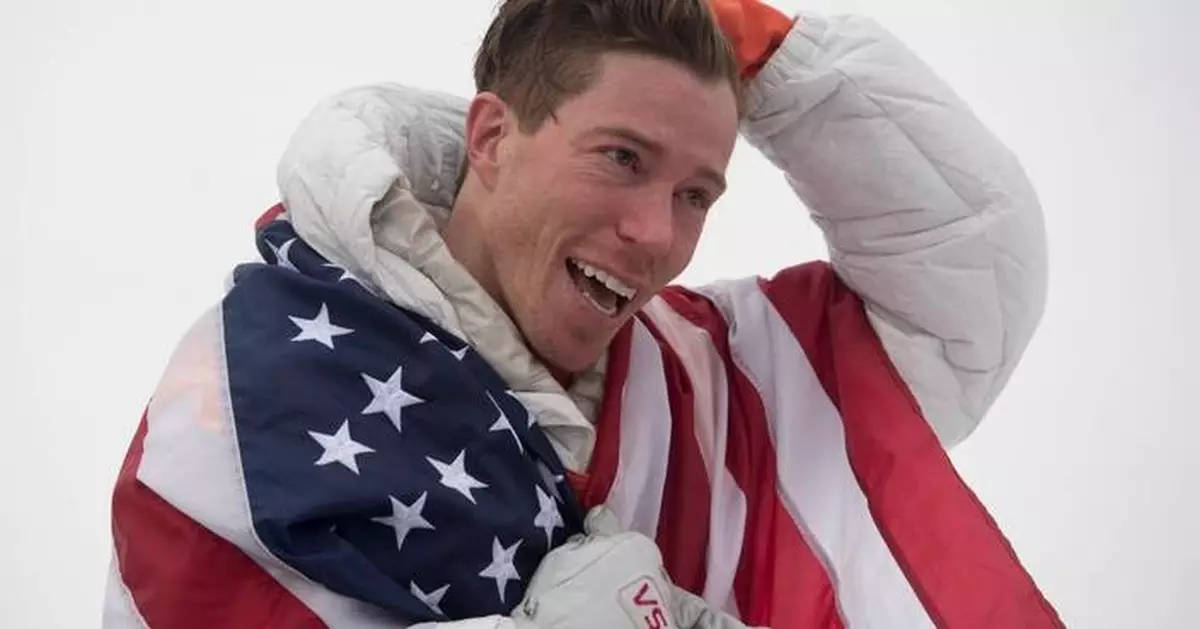
FILE - Shaun White, of the United States, celebrates his gold medal win in snowboard halfpipe at the Pyeongchang 2018 Winter Olympic Games in South Korea, Wednesday, Feb. 14, 2018. (Jonathan Hayward/The Canadian Press via AP, File)
“I think my big goal is to get Snoop (Dogg) on a snowboard,” he said, in a nod both to the appearances he could be making with the rapper-turned-Olympics aficionado on NBC telecasts, and the new world he’s entering now that his days of competitive riding are over.
In an interview with The Associated Press, White discussed the leadership role he's taken in action sports through his year-old Snow League halfpipe tour, how life feels being single again and his thoughts about being a spectator at the Olympics for the first time since 2002.
“I’m going to try to hold it together, but yeah, it will be an emotional day,” he said of the men's halfpipe final, scheduled for Feb. 13.
During his heyday, White was the first rider who made no apologies for aggressively trying to win in a sport that felt more concerned with being laid-back. In much the way he reconfigured that part of snowboarding’s narrative over his 20-plus years in the halfpipe, he wants to leverage his influence in retirement by stamping a new blueprint on its future.
His new league is reimagining what a halfpipe contest can be. Instead of the traditional way of judges evaluating runs and letting the highest score win, it introduced an elimination bracket in which judges pick winners of best-of-three, one-on-one showdowns. Riders have to drop into the pipe from opposite sides on their first two runs — harder than it sounds, even for the best.
White recruited reigning Olympic champion Ayumu Hirano and also got Olympic gold medalist Eileen Gu to headline the freeskiing part of the program, which debuted last month on the same halfpipe in China where Gu starred and White bid a tearful farewell to the Olympics four years ago.
Maybe most importantly, White secured the funding to bankroll consistently good prize purses — never a given in snowboarding and nothing to take for granted, considering the way Olympic champion Michael Johnson’s attempt to start a multimillion-dollar track league imploded over the summer.
Linda Henry of the Fenway Sports Group and 359 Capital, a big investor in sports start-ups, are among those who bought into The Snow League's latest investment round of around $15 million.
“I think that speaks volumes, because it’s not just me digging into my pockets,” White said.
White was only 19 with a bright shock of red hair — “The Flying Tomato” — when he attacked the Olympic halfpipe in Bardonecchia, the Italian winter hamlet located across the Alps from this year’s locale in Livigno.
Shortly after the win at the 2006 Turin Games, White found himself on the cover of “Rolling Stone,” shirtless with an American flag draped around his shoulders. It was the best sign yet that White and his action-sports buddies had officially been welcomed into the mainstream.
Now, he is known as an Olympic champion as much as a snowboarder. At next month's games, he'll be a VIP but not a competitor. He'll be the best-known rider on the mountain, but won't snap into a snowboard.
“I feel like I’ll be there in a special way," he said. “And I’m hoping that the feeling is a great one and a positive one and something I’ll want to return to and do again and again over the years."
A lot of what goes down on the halfpipe in Italy — including triple-cork jumps, his trademark and still very relevant Double McTwist 1260 and other tricks nobody much thought of until White did — will be the product of the decades-long pursuit other riders in this high-risk, high-reward sport embarked upon to catch its biggest star.
“Pretty inspiring,” White said of hearing Hirano tell him that he and his brothers used to run home from school in Japan to watch his snowboarding videos.
Much as he loves what he’s done for the pro riders already out there, White says a recent exchange with a couple of young snowboarders at a camp he co-owns in Oregon brought home the role he can play in this evolving game.
“They said ‘We’re going to be in your Snow League someday,’” White said. “And I said ‘Yeah. You probably will.’ And that’s what we want. We want someone young and excited about the sport and seeing their future competing in the league and hopefully competing at the Olympics someday.”
No stranger to the spotlight, White has seen different phases of his private life play out in public for decades.
His much-dissected breakup with actress Nina Dobrev, which became public in September, was no different.
“It was a huge change in my life,” he said in his first public comments about the broken engagement. “It’s almost six years with somebody. I wish her the best. It’s one of those things where you’re planning on forever with somebody and everything needs to fit right.”
He said people see news of the breakup on Instagram and go "'well, why?' And they try to come up with their own reasons, none of which have been true.”
He didn’t get into the “Why” of it.
“But I’ve just been working on myself, working on my business, working on my companies and trying to figure out, what does this next chapter of my life look like?” he said.
White told of recently dropping back into the halfpipe for the first time in a few years at the end of a commercial shoot with snowboarders Danny Kass and Maddie Mastro. The muscle memory was still there.
“Fourth run, I threw a front-double-10, and nailed it,” he said of a trick that will be in play at the Olympics next month. “It was something that was like, ‘What would a few more runs look like if I kept going?’”
But, he says, he’ll leave the comebacks to Lindsey Vonn, who, at 41, is two years older than White. He says it wasn’t the physical part that led him to hanging it up after his emotional farewell at the Beijing Games four years ago.
But the travel, the loneliness and the single-minded nature of his pursuit made the idea of mentally amping up for another run feel close to impossible.
“I'm trying to focus on not looking back at this pasture, but let's look forward to this new frontier," White said. "And it's been great. I feel like I have more love in this sport than I've ever had before.”
AP Olympics: https://apnews.com/hub/milan-cortina-2026-winter-olympics
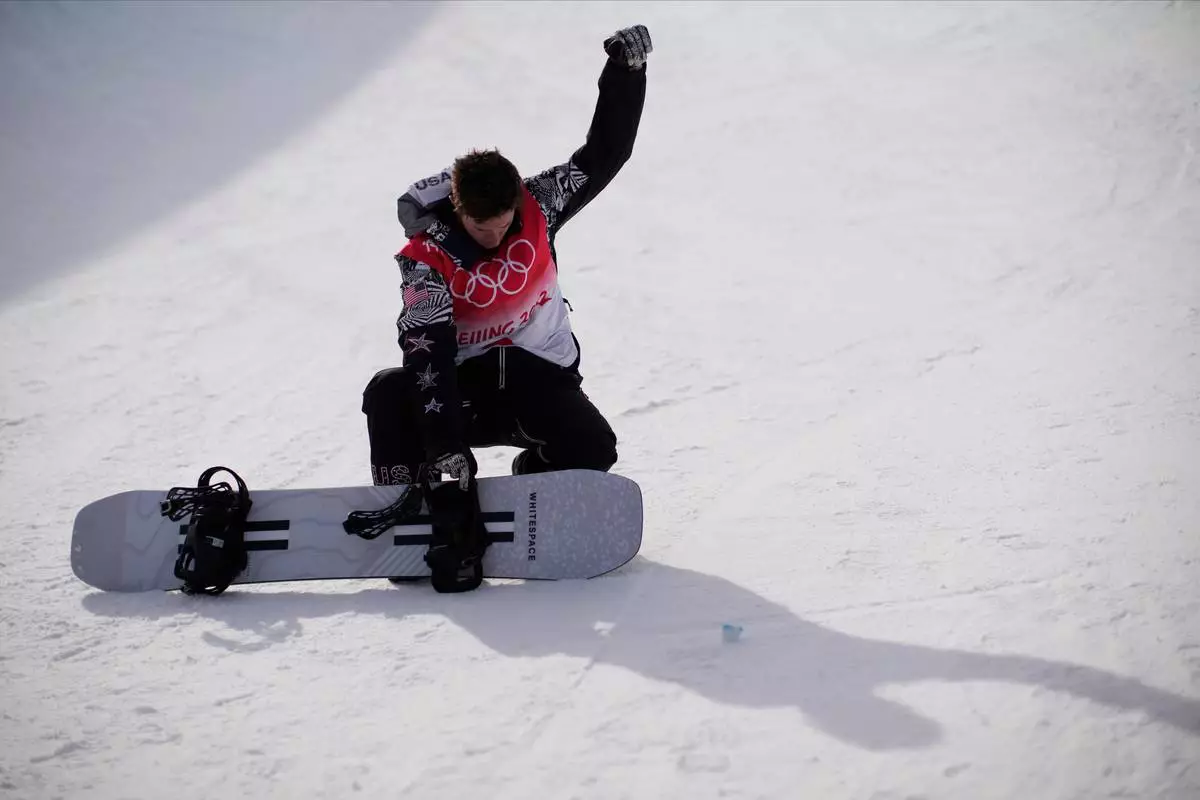
FILE - United States' Shaun White poses in the halfpipe course after the men's halfpipe finals at the 2022 Winter Olympics, Friday, Feb. 11, 2022, in Zhangjiakou, China. (AP Photo/Francisco Seco, File)
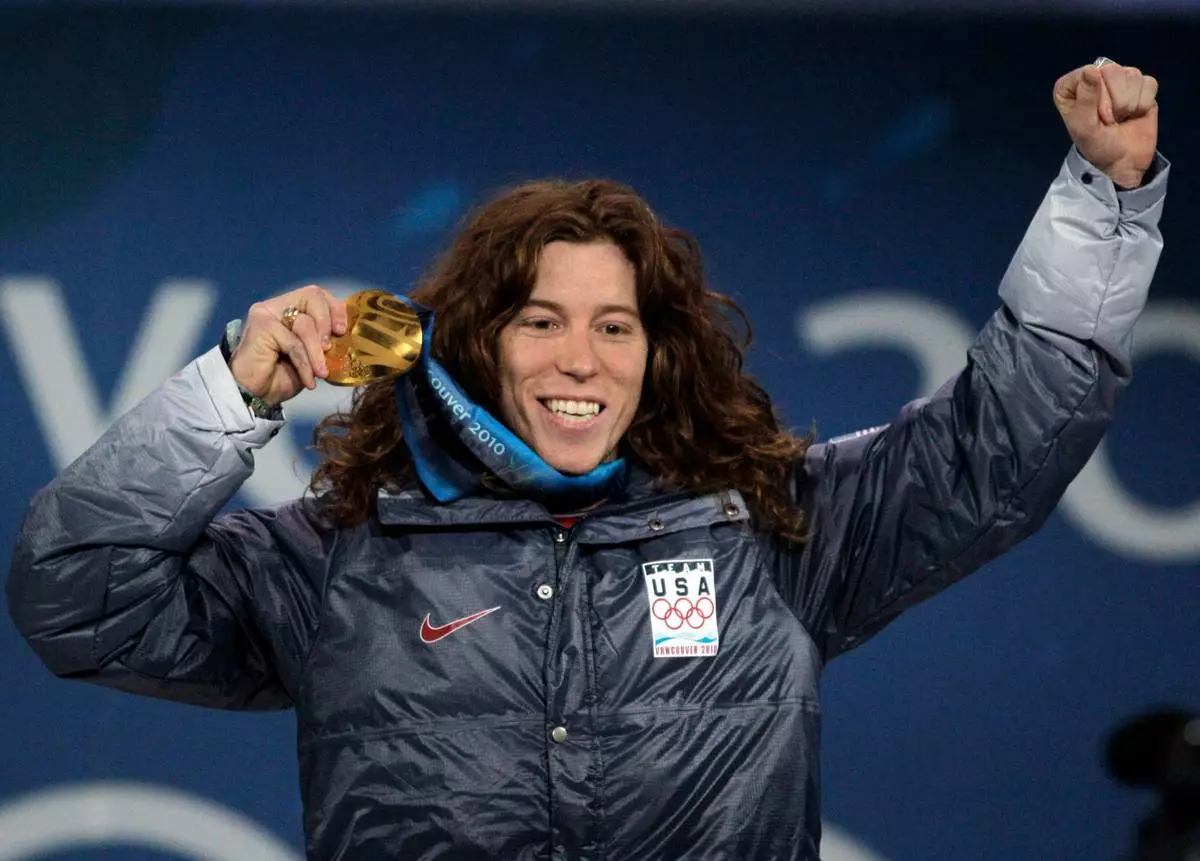
FILE - USA's gold medalist Shaun White reacts during the men's halfpipe medal ceremony at the Vancouver 2010 Olympics in Vancouver, British Columbia, Thursday, Feb. 18, 2010. (AP Photo/Jae C. Hong, File)
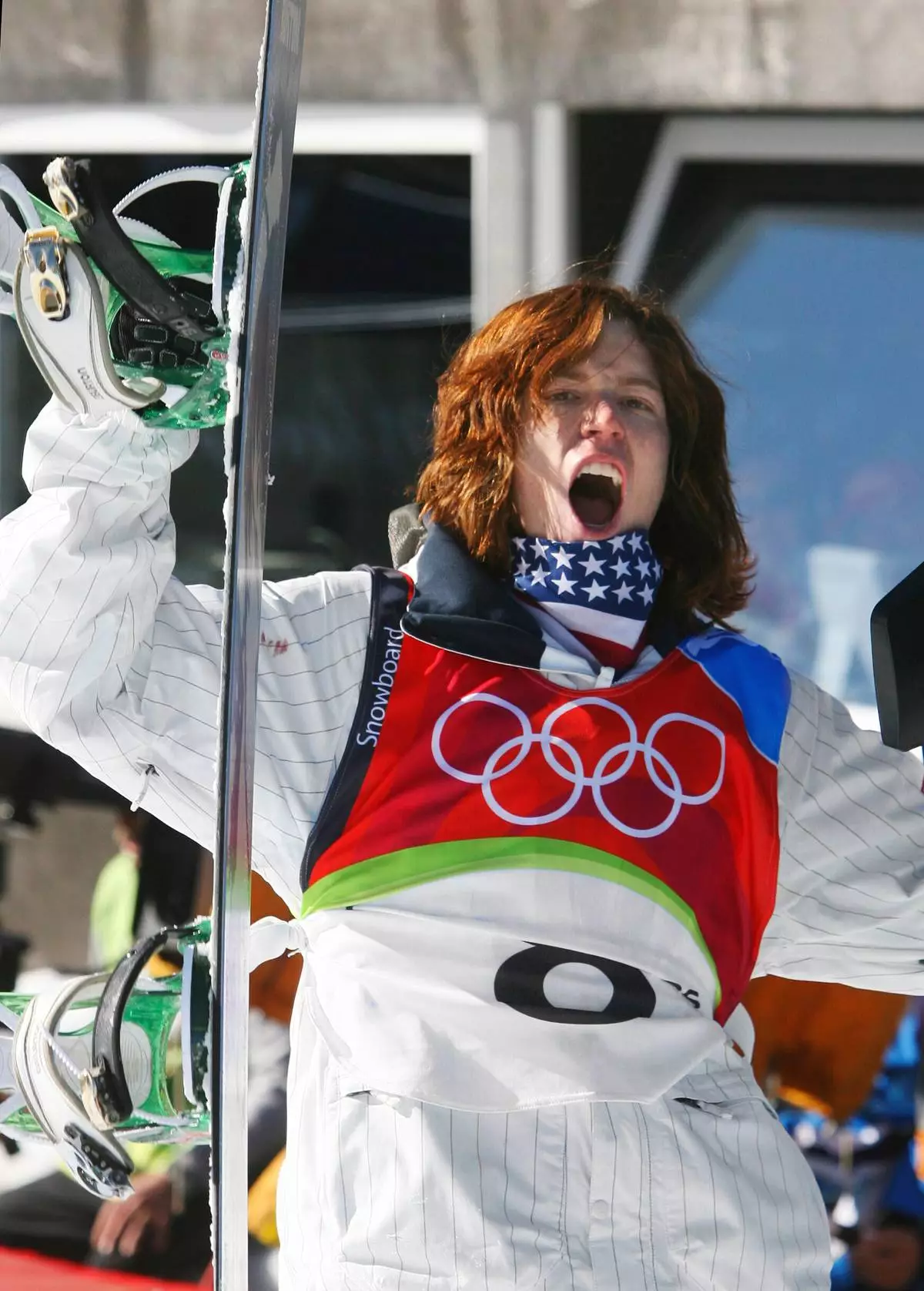
FILE - United States Shaun White reacts after seeing his score on the first run of the Men's Halfpipe Snowboard competition at the Turin 2006 Winter Olympic Games in Bardonecchia, Italy Sunday, Feb. 12, 2006. White's 46.8 held up to give him the gold medal. (AP Photo/Lionel Cironneau, File)
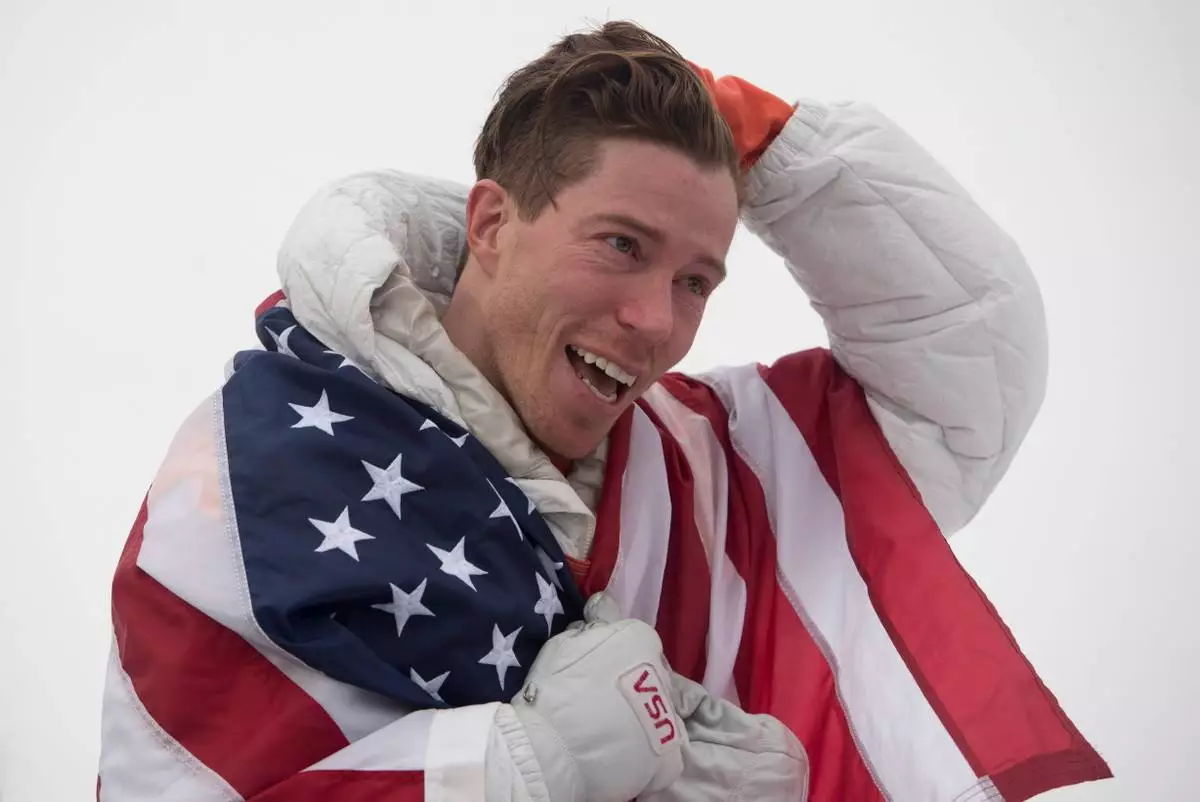
FILE - Shaun White, of the United States, celebrates his gold medal win in snowboard halfpipe at the Pyeongchang 2018 Winter Olympic Games in South Korea, Wednesday, Feb. 14, 2018. (Jonathan Hayward/The Canadian Press via AP, File)
CREIGHTON, Neb. (AP) — Rick and Jane Saint John chose to live in the small town of Creighton, Nebraska, for one main reason: its hospital.
The couple has a child with nonverbal autism and epilepsy who requires up to three hospital visits a week. And Creighton's critical access hospital has been a lifeline for Jane: not only is she employed there, but three years ago, doctors saved her life when she contracted bacterial pneumonia. If she had waited another day for care, doctors said, her organs would have begun to shut down.
“And if we had had to drive the hour to the Yankton (South Dakota) hospital," Rick Saint John said, his voice breaking with emotion, "it could have cost her her life.”
So the Saint Johns were shocked to hear that Avera Creighton Hospital faces financial peril. A $50 billion government fund meant to transform rural health care will do little to help. It's a problem that millions of Americans in rural areas are awakening to as they realize there's no windfall coming for the vulnerable hospitals near their homes.
Hundreds of rural hospitals across the country are facing closures after years of funding problems. The issue was compounded last summer by the Trump administration's massive cuts to Medicaid, the government's safety net for low-income Americans, whose reimbursements have long helped hospitals meet their bottom lines.
Outcry over the funding cuts prompted Republican lawmakers to create $50 billion in new rural health grants, but critics say that funding is intended for innovative health care delivery solutions — not propping up hospitals buckling under current pressures.
“It won’t pay to keep the lights on. And it won’t turn the lights back on once they’ve been turned off,” said Dr. Ben Young, an infectious disease specialist and policy expert with public health advocacy group Wellness Equity Alliance.
Rural Americans’ health care worries reflect broader national concerns about access and rising prices of care as the cost of living spikes — anxieties that could prove pivotal in this year’s midterm elections.
The $50 billion Rural Health Transformation Program included in President Donald Trump's tax-and-spending law last year was billed by Republicans as a way to help hospitals in rural areas. Last summer, Health Secretary Robert F. Kennedy Jr. touted it as the “biggest infusion in history” for rural hospitals and pledged it will “restore and revitalize these communities.”
Hospitals and health industry experts have warned that while the fund — $10 billion per year allocated across all states for five years — offers some support to struggling rural hospitals, it won’t save them. One reason is that the sum doesn't come close to offsetting the $137 billion that rural hospitals expect to lose over the next decade, according to health research nonprofit KFF. Millions of people are expected to lose Medicaid benefits as a result of new Medicaid work requirements going into effect in 2027 — changes the Trump administration has maintained will crack down on fraudsters rather than cut off eligible enrollees.
Administrators say the new $50 billion fund is not meant to shore up ailing rural hospitals or maintain the status quo, but to transform rural health care through tech, workforce and other innovations. Centers for Medicare and Medicaid Services Administrator Dr. Mehmet Oz in a December video said it “gives states the tools to design solutions that last, not Band-Aids that fail.”
The White House echoed that Wednesday, saying the fund is intended to fund “big ideas” to improve rural health care access long-term.
“Decades of mismanagement by career politicians in Washington have left rural communities with limited care options," White House spokesman Kush Desai said.
State applications show a wide range of proposals. Some pitches sought to improve emergency medical services and modernize rural facilities, while others looked to make school lunches healthier, expand physical fitness programs, beef up telehealth and expand AI-driven technologies to help monitor patients.
Avera Creighton Hospital CEO Theresa Guenther argues her hospital is not in danger of closing. but conceded that Medicaid cuts will be painful — a sentiment shared by most rural hospitals, she said.
“Medicaid cuts will have an impact to us, and we — as well as many others — will have to figure out what that looks like moving forward,” she said. Her hospital hopes to get a piece of the $50 billion fund to help manage patients' chronic diseases — like diabetes — and to help cover workforce costs.
Nebraska, which received $218 million for the rural health grants' first installment, plans to spend some $90 million on healthier food options at schools, recruiting more health care workers and mobile sensors to remotely monitor chronically ill patients in rural areas, among other things. But for rural critical access hospitals at risk of closing, it offers $10 million to “right size” them by getting rid of inpatient care, where bed occupancy is typically low.
Republican state Sen. Barry DeKay said hospitals like Creighton's are vital, despite it's low occupancy rate. The hospital is in his district; even his mother received life-extending care there following a hip replacement. He's worried that the Medicaid cuts could hurt all the state's rural hospitals.
“I'll try to be working as hard as I can to get as much money to rural hospitals — whether it's in my district or any other rural district in the state,” he said.
Rick Saint John acknowledged he knows little about how Nebraska will use the federal funds, but he thinks it should go to helping hospitals like Creighton’s remain intact.
“The hospital is very important to this community, and for more than just medical care,” he said, citing job losses if the hospital loses services or closes.
The fund has seen pushback from hospital groups over an issue that's shaping up as important for 2026 voters.
The Colorado Hospital Association sent a letter in December to state lawmakers accusing them of ignoring input from rural hospitals during the application process.
The Nebraska Hospital Association, which endorsed Republican U.S. Sen. Deb Fischer’s 2024 reelection bid based on her advocacy for rural health care, has criticized both the cuts and the $50 billion fund. Fischer voted last summer for the Medicaid cuts.
That and other efforts by the state to limit Medicaid spending sends a message “that access to health care is not a priority," the group said.
Some Republican state lawmakers across the country have expressed unease with parts of the fund and have sought ways to use it to help struggling rural hospitals.
Under pressure, some rural states are making their own moves to help.
Wyoming enacted a law allowing rural hospitals to file Chapter 9 bankruptcy, normally reserved for financially stressed cities to reorganize debts and repay creditors while protecting them from legal action.
In North Dakota, during a special session to allocate the state’s federal rural health funds, the Republican-led Legislature passed an unrelated bill that aims to rescue a rural hospital with a low-interest loan of up to $5 million administered through the state-owned bank.
It's hoped the plan will keep the hospital open in a vast rural area where it employs 5% of the surrounding county's residents, hospital board member Matt Hager said.
Young, the expert with Wellness Equity Alliance, sees dark days ahead for rural hospitals.
“I am not optimistic in the short term,” he said. “Because these hospitals are facing immediate financial shortfalls, are barely financially operating currently, and they need operating support now.”
Swenson reported from New York. Associated Press writer Jack Dura contributed to this report from Bismarck, North Dakota.
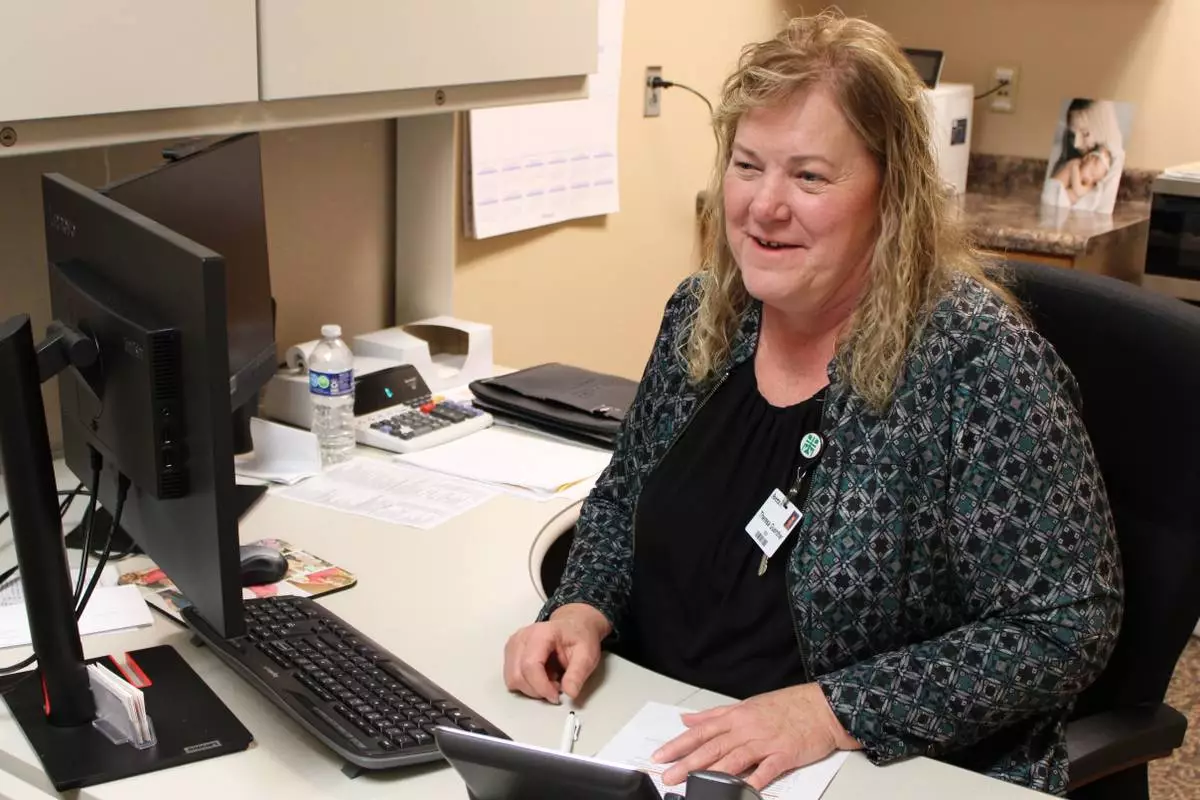
Avera Creighton Hospital CEO Theresa Guenther is seen in her office, Feb. 24, 2026, in Creighton, Neb. (AP Photo/Margery A. Beck)
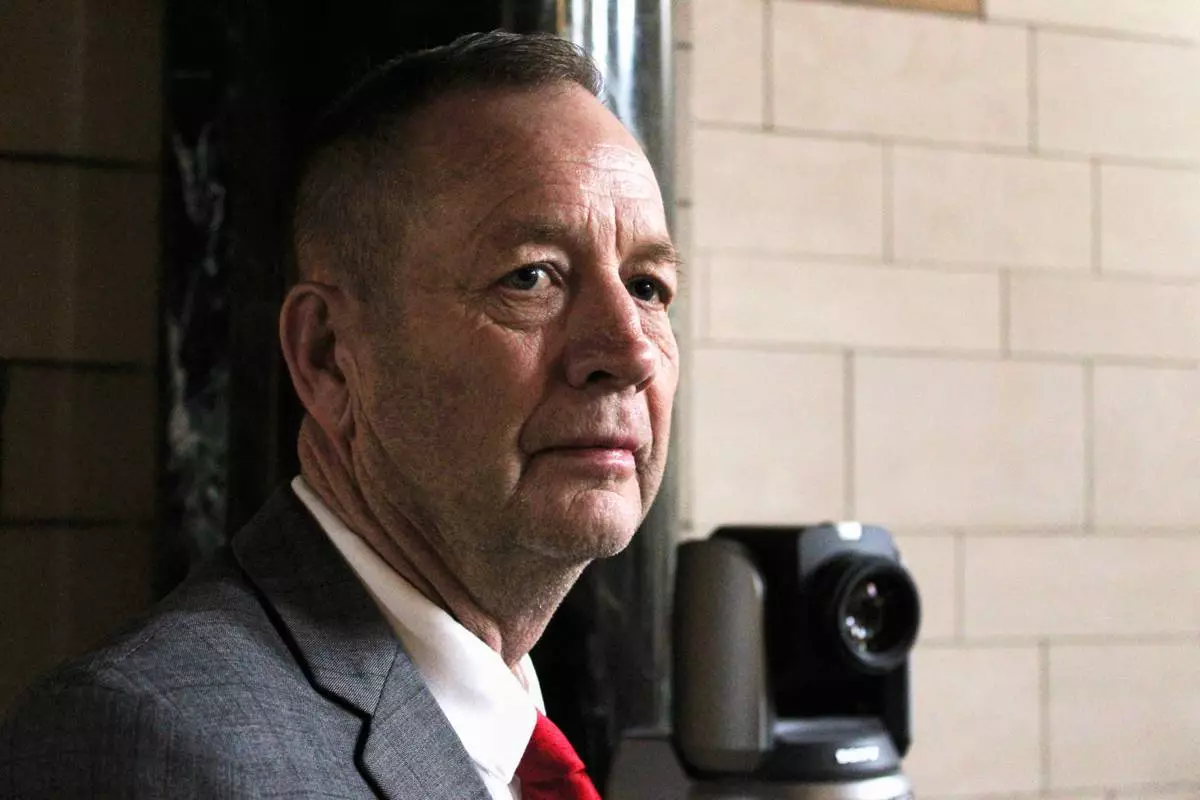
Nebraska State Sen. Barry DeKay, R-Niobrara, is seen on the floor of the Nebraska State Capitol, Feb. 5, 2026, in Lincoln, Neb. (AP Photo/Margery A. Beck)
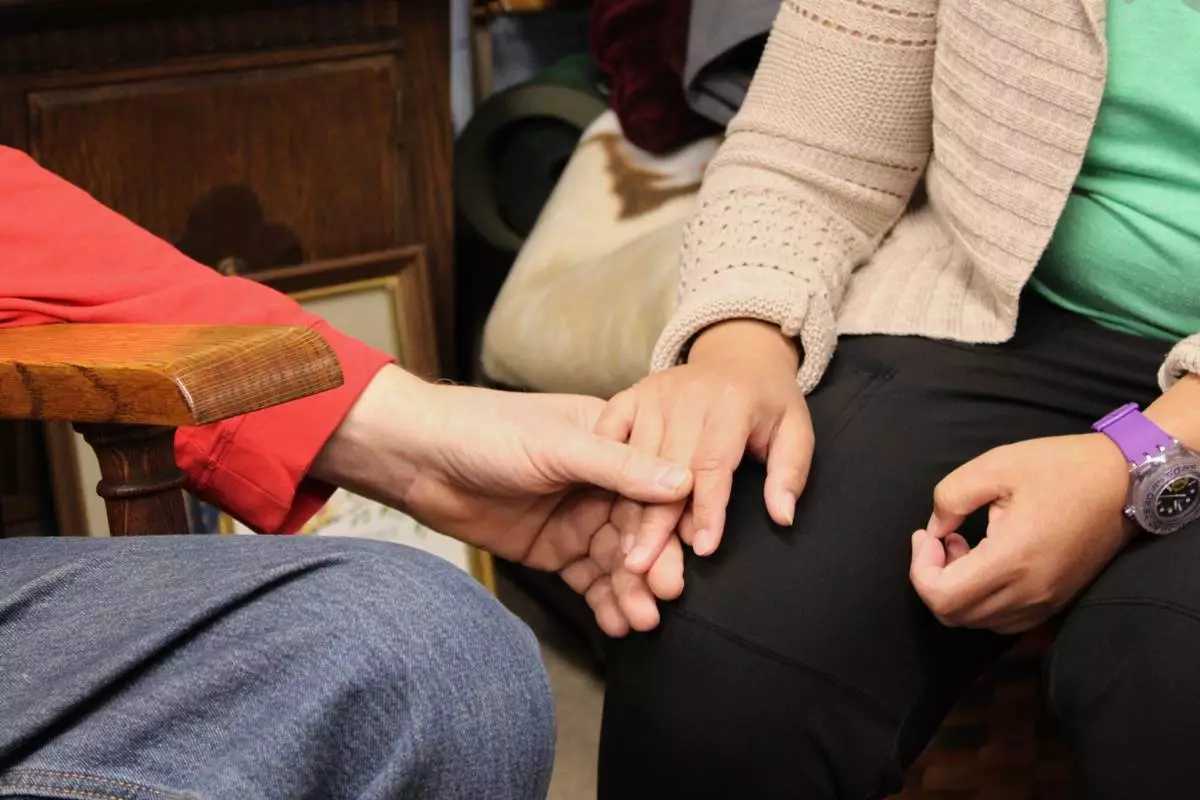
Jane and Rick Saint John hold hands on Feb. 24, 2026, as they recall how Jane received life-saving care three years ago at Avera Creighton Hospital, in rural Creighton, Neb. (AP Photo/Margery A. Beck)
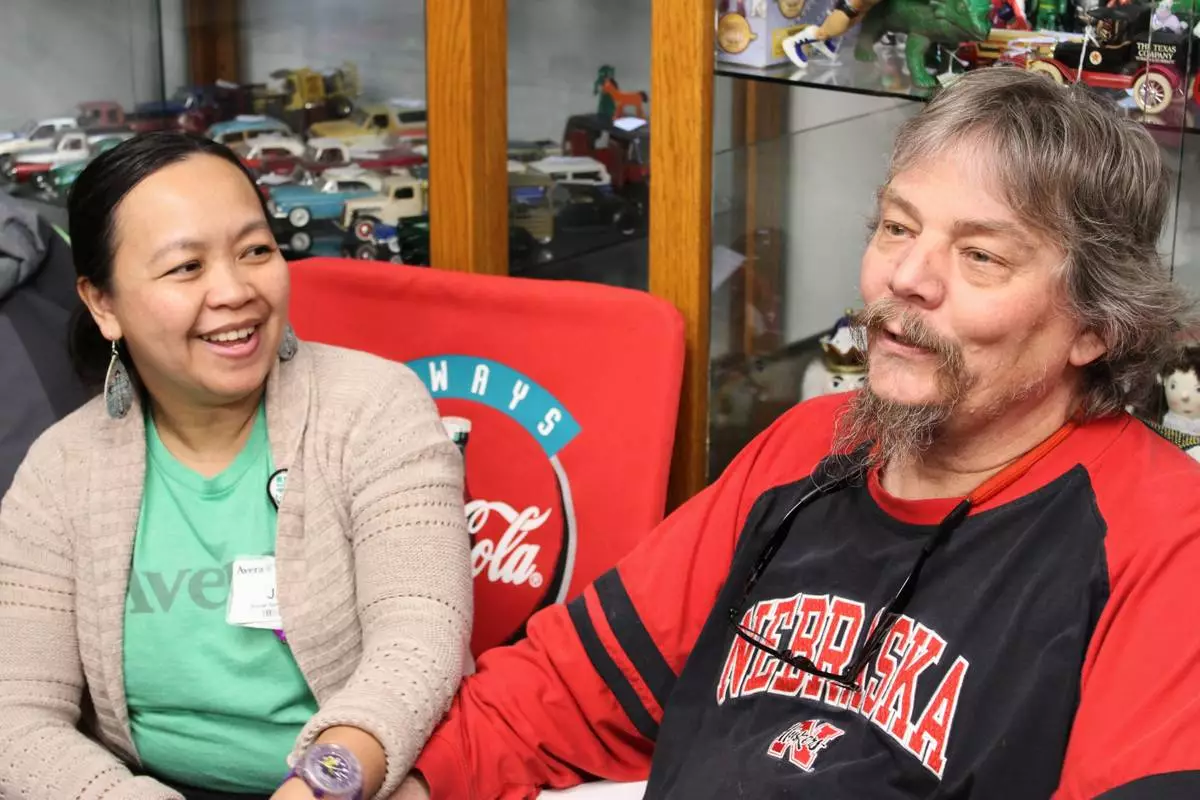
Jane and Rick Saint John discuss how important their local hospital, Avera Creighton Hospital, is in their rural community, Feb. 24, 2026, in Creighton, Neb. (AP Photo/Margery A. Beck)
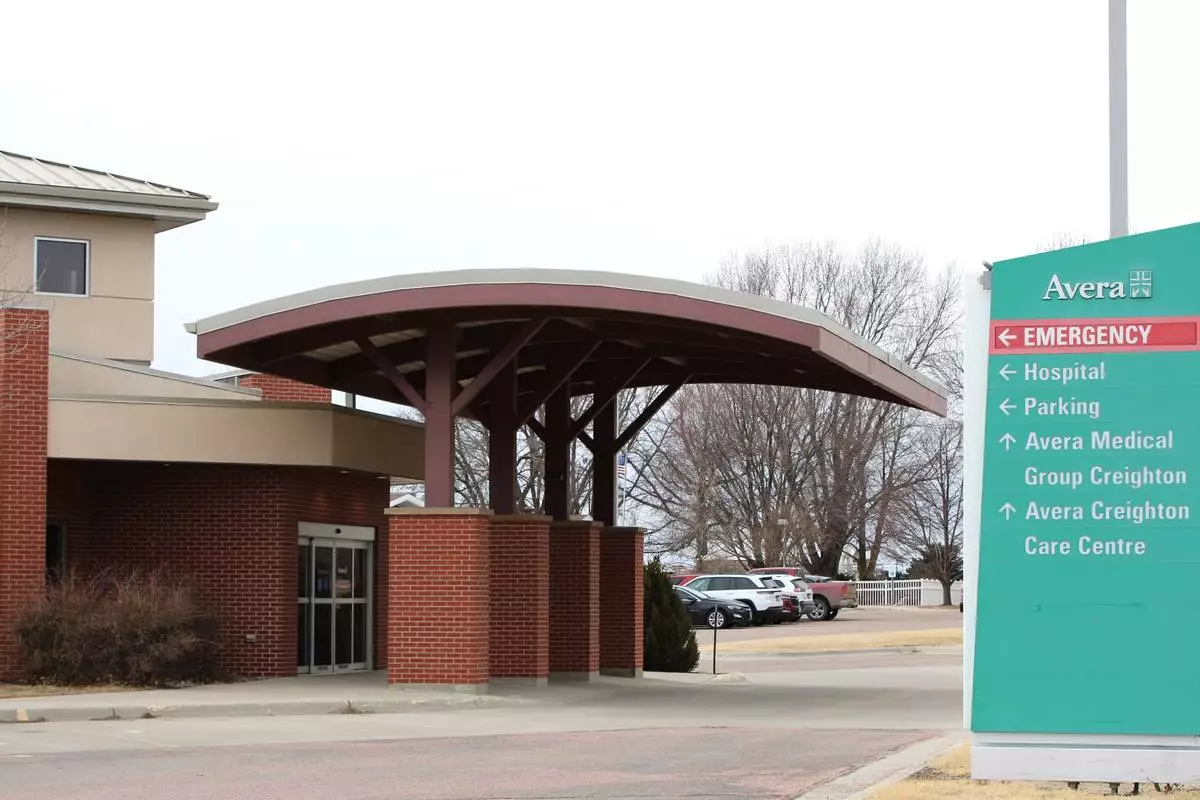
Avera Creighton Hospital is seen on Feb. 24, 2026, in Creighton, Neb. (AP Photo/Margery A. Beck)