MEXICO CITY (AP) — Security, sovereignty, tariffs, trade, drugs and migration — all hot-button issues for the Trump administration and its neighbors in the Western Hemisphere — will top Secretary of State Marco Rubio's agenda this week on his third trip to Latin America since becoming chief U.S. diplomat.
The visit comes as the Trump administration has dramatically stepped up operations against drug cartels in the Caribbean, including recent military deployments and what it said was a lethal strike on a suspected drug-carrying vessel.
In talks with leaders in Mexico and Ecuador on Wednesday and Thursday, Rubio will make the case that broader, deeper cooperation with the U.S. on those issues is vitally important to improving health, safety and security in the Americas and the Caribbean.
Yet, President Donald Trump has alienated many in the region — far beyond the usual array of U.S. antagonists like Cuba, Nicaragua and Venezuela — with persistent demands, coupled with threats of sweeping tariffs and massive sanctions for not complying with his desires.
Shortly before Rubio left for Mexico, he and Trump announced the U.S. military had carried out a strike in the southern Caribbean against a vessel hauling drugs that departed from Venezuela.
Trump announced that the vessel was being operated by the Tren de Aragua gang, which his administration has designated a foreign terrorist organization, and that 11 people were killed in the strike, which he said took place in international waters.
“Please let this serve as notice to anybody even thinking about bringing drugs into the United States of America. BEWARE!” Trump said.
Rubio, speaking to reporters before boarding his plane to Mexico, said Trump “is going to be on offense against drug cartels and drug trafficking in the United States. It destabilizes not just the country but the entire Caribbean basin.”
“The president has been very clear that he’s going to use the full power of America and the full might of the United States to take on and eradicate these drug cartels, no matter where they’re operating from and no matter how long they’ve been able to act with impunity,” he said. “Those days are over.”
Meanwhile, Trump has demanded, and so far won, some concessions from Mexican President Claudia Sheinbaum's government, which is eager to defuse his tariff threats.
Rubio arrived in Mexico City just a few hours after Sheinbaum had planned to lead a meeting of the country’s most important security forum, which brings together all 32 governors, the army, navy, federal prosecutor’s office and security commanders to coordinate actions across Mexico.
Sheinbaum had been talking for weeks about how Mexico was finalizing a comprehensive security agreement with the State Department that, among other things, was supposed to include plans for a “joint investigation group” to combat the flow of fentanyl and the drug's precursors into the U.S. and weapons from north to south.
“Under no circumstance will we accept interventions, interference or any other act from abroad that is detrimental to the integrity, independence and sovereignty of the country,” she said Monday in her State of the Nation address marking her first year in office.
Last week, however, a senior State Department official downplayed suggestions that a formal agreement — at least one that includes protections for Mexican sovereignty — was in the works.
The official, who spoke on condition of anonymity to preview Rubio’s meetings, said sovereignty protections were “understood” by both countries without having to be formalized in a document.
Sheinbaum lowered her expectations Tuesday, saying it would not be a formal agreement but rather a kind of memorandum of understanding to share information and intelligence on drug trafficking or money laundering obtained “by them in their territory, by us in our territory unless commonly agreed upon.”
“There will be moments of greater tension, of less tension, of issues that we do not agree on, but we have to try to have a good relationship, and I believe tomorrow’s meeting will show that," Sheinbaum said of her meeting Wednesday with Rubio. "It is a relationship of respect and at the same time collaboration.”
To appease Trump, Sheinbaum has gone after Mexican cartels and their fentanyl production more aggressively than her predecessor. The government has sent the National Guard to the northern border and delivered 55 cartel figures long wanted by U.S. authorities to the Trump administration.
The Trump-Sheinbaum relationship also has been marked by tension, including the U.S. Drug Enforcement Administration announcing a new initiative with Mexico to combat cartels along the border that prompted an angry denial from Sheinbaum.
Despite American officials singing her praises, and constantly highlighting collaboration between the two countries, Trump glibly said last month: “Mexico does what we tell them to do.”
The State Department has said Rubio, who has already traveled twice to Latin America and the Caribbean this year, would focus on stemming illegal migration, combating organized crime and drug cartels, and countering what the U.S. believes is malign Chinese behavior in its backyard.
He will show "unwavering commitment to protect (U.S.) borders, neutralize narco-terrorist threats to our homeland, and ensure a level playing field for American businesses,” the department said.
Associated Press writer María Verza contributed to this report.
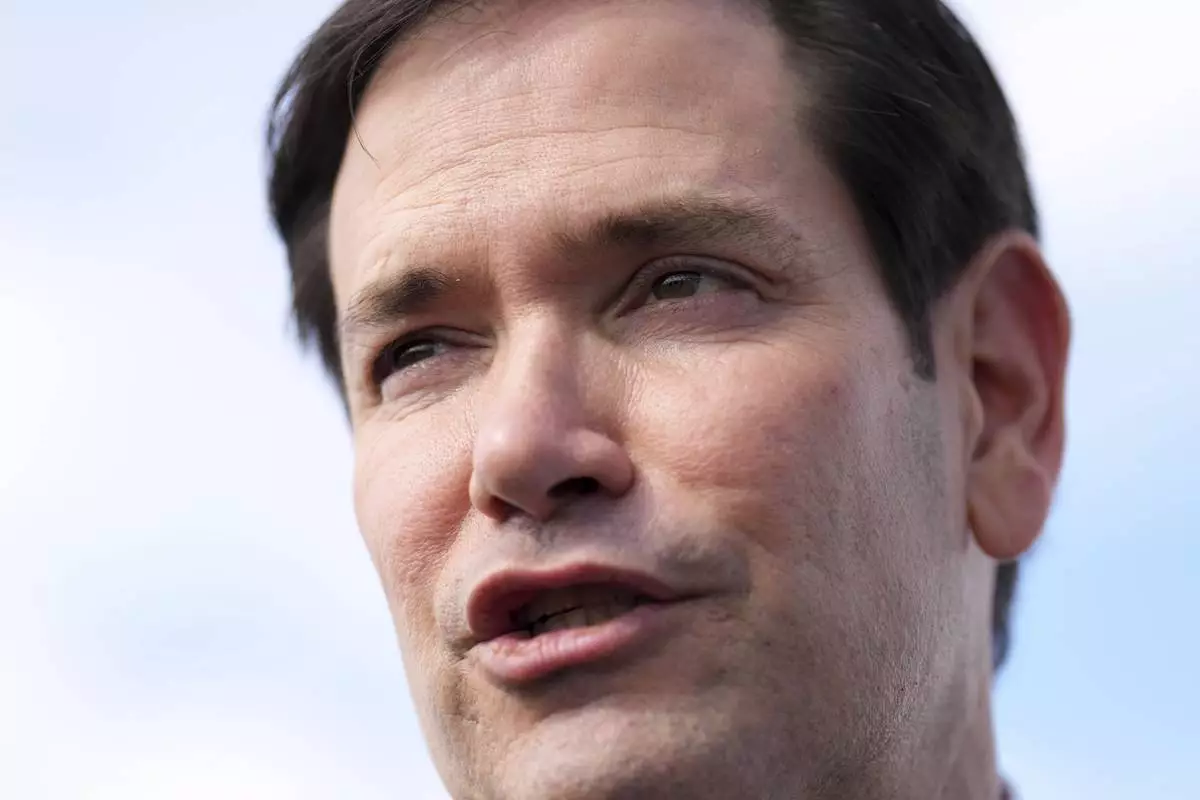
Secretary of State Marco Rubio speaks to reporters before boarding his plane at Homestead Air Reserve Base in Homestead, Fla., en route to Mexico City, Tuesday, Sept. 2, 2025. (AP Photo/Jacquelyn Martin, pool)
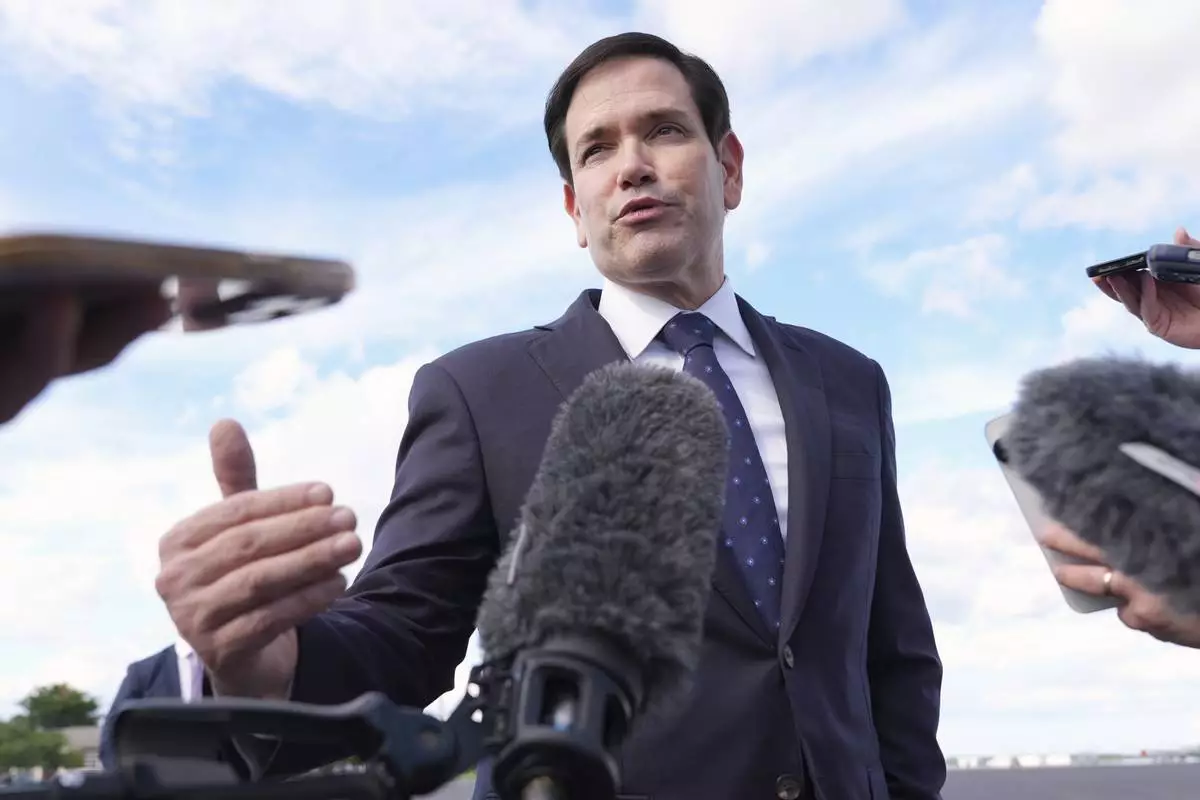
Secretary of State Marco Rubio speaks to reporters before boarding his plane at Homestead Air Reserve Base in Homestead, Fla., en route to Mexico City, Tuesday, Sept. 2, 2025. (AP Photo/Jacquelyn Martin, pool)
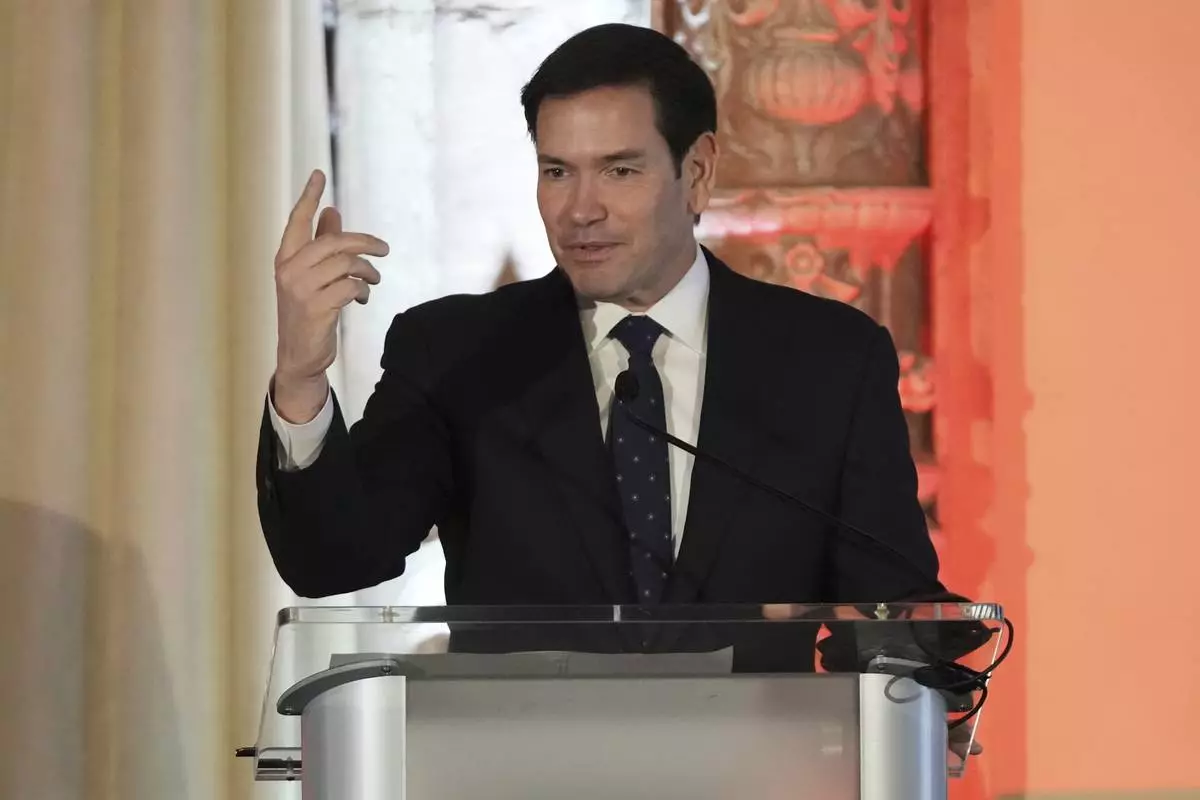
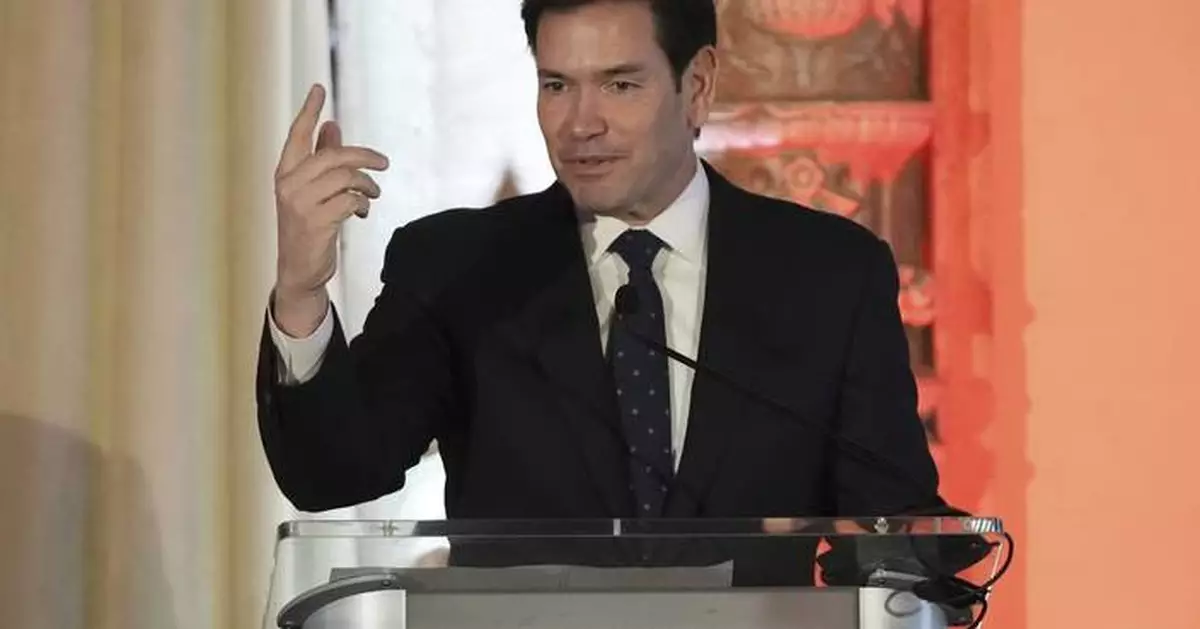
Secretary of State Marco Rubio speaks at the Lech Walesa Solidarity Prize Awards ceremony, Tuesday, Sept. 2, 2025, in Coral Gables, Fla. (AP Photo/Lynne Sladky)